

CLEVELAND, Ga. — Property owners in the City of Cleveland will begin seeing the benefits of the voter-approved Floating Local Option Sales Tax (FLOST) on their 2026 property tax bills, a year earlier than originally expected because of changes in state law.
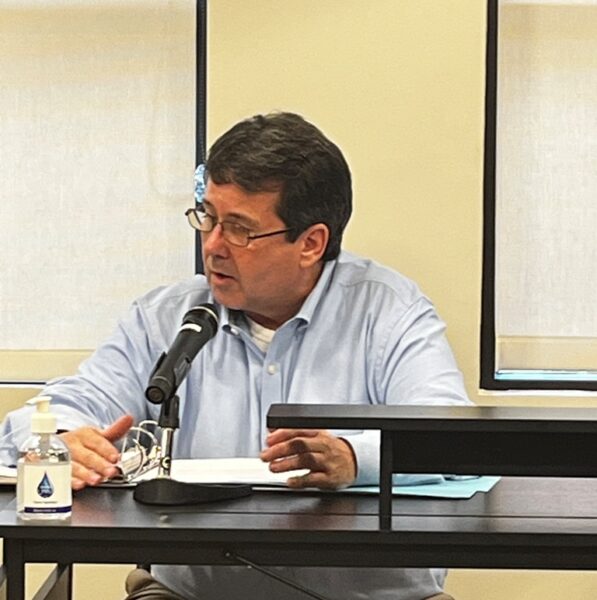
During the Cleveland City Council meeting on Monday, Aug. 3, City Manager Kevin Harris outlined the City’s proposed 2026 millage rate and explained why Georgia law still requires the city to advertise a Notice of Property Tax Increase and hold three public hearings before the rate can be adopted.
Harris stressed that the required legal notice does not mean the city is raising property taxes. Instead, the city is proposing to reduce its property tax rate from 5.056 mills to 1.938 mills.
The reduction is possible because of revenue generated through the Floating Local Option Sales Tax, or FLOST, a 1% sales tax approved by White County voters in November 2025. The referendum passed by a vote of 3,322 to 1,058 and dedicated all proceeds to reducing property taxes in White County and the cities of Cleveland and Helen.
Earlier tax relief made possible by state law changes
Under the original version of House Bill 581, which created FLOST, property owners were not expected to see tax relief until 2027 after the City collected sales tax revenue through the end of 2026.
However, Senate Bill 33, passed earlier this year, changed that timeline.
The legislation requires local governments to apply FLOST revenue collected through June 30, 2026, toward 2026 property taxes rather than waiting until 2027. As a result, Cleveland property owners will receive tax relief on this year’s tax bills.
The city has collected approximately five months of FLOST revenue and plans to apply about $454,060 toward the 2026 property tax levy, replacing roughly 60.35% of the amount that otherwise would have been raised through property taxes.
Although the city has not collected enough FLOST revenue to eliminate property taxes entirely, officials say residents will pay less in city property taxes than they did last year. Despite the proposed tax cut, Georgia’s Truth in Taxation law requires the city to advertise a Notice of Property Tax Increase because the proposed millage rate of 1.938 mills is 0.012 mills higher than the calculated rollback rate of 1.926 mills, which accounts for growth in the tax digest.
According to City officials, the difference between the proposed rate and the rollback rate would amount to about $1.44 per year for the owner of a home with a fair market value of $300,000.
Three public hearings scheduled
State law requires three public hearings before the Mayor and City Council can adopt the proposed millage rate. The hearings are scheduled for:
Thursday, Aug. 13, at 6 p.m.
Thursday, Aug. 20, at 8 a.m.
Thursday, Aug. 20, at 6 p.m.
All three hearings will be held at the Oak Springs Community Center.
Following the final public hearing on Aug. 20, the Mayor and City Council are expected to consider adopting the 2026 millage rate.
Don’t miss what everyone in town is talking about.
Join 4,000+ locals and choose our free newsletter covering news, events and the stories shaping our region.