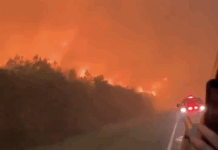

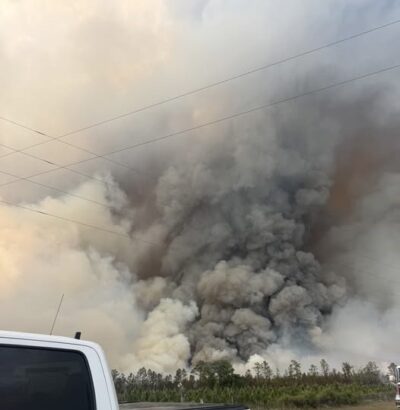
The good news is that South Georgia counties received some rain over the weekend. The bad news is that the rain was offset by 10 new wildfires involving almost 20 acres. That doesn’t include the 53 acres of fires already burning, with only 16% contained. While the few rain showers weren’t nearly enough to put the fires out, they helped slow fire activity temporarily, giving crews an opportunity to make good progress.
The significant damage across South Georgia has threatened homes, forestland, property, and rural livelihoods. In response, the Georgia Forestry Foundation (GFF) is launching the Forest Wildfire Recovery Fund to provide direct, practical support to communities, forest landowners, and rural families impacted by wildfire and related disaster recovery needs. The Foundation will seed the fund with an initial investment of $10,000. Those interested in supporting the effort may donate online at www.gffgrow.org/wildfire-recovery.
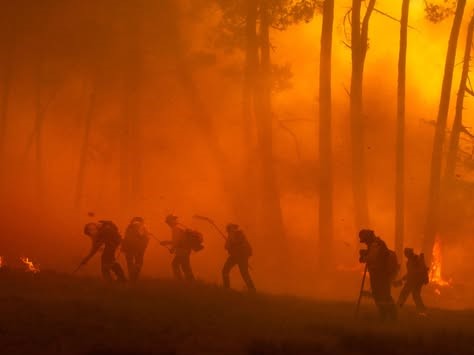
Hundreds of firefighters, wildfire experts, and cooperating agencies are actively working to contain these fires. Drought conditions, downed timber from Hurricane Helene, low humidity, and high winds are making suppression efforts especially difficult.
“When disaster strikes rural Georgia, we have a responsibility to support,” said Tim Lowrimore, President & CEO of the Georgia Forestry Association and Georgia Forestry Foundation. “These wildfires have already caused real losses for families, landowners, and communities across South Georgia. This fund gives people a practical way to help, and it allows us to direct support where it can make a meaningful difference.”
While recovery efforts are beginning, wildfire response remains active and dangerous. On April 22, Governor Brian Kemp declared a State of Emergency for 91 Georgia counties in response to the ongoing South Georgia wildfires and directed the Georgia Forestry Commission and other state agencies to mobilize necessary resources to assist with active response efforts. The State of Emergency will remain in effect for 30 days unless renewed. The emergency declaration is in addition to the State Forester’s burn ban order for the same 91 counties, which prohibits prescribed burning, yard debris burning, and agricultural burning in the affected area during the order period.
The State of Emergency also allows the Georgia Department of Defense to mobilize Georgia National Guard troops and resources for response and recovery efforts. Federal Emergency Management Agency Fire Management Assistance Grant declarations have been approved for the Pineland Road Fire in Clinch and Echols counties and the Highway 82 Fire in Brantley County. State agencies, including the Georgia Department of Natural Resources, Georgia State Patrol, and Georgia Department of Agriculture, are also supporting wildfire response efforts.