
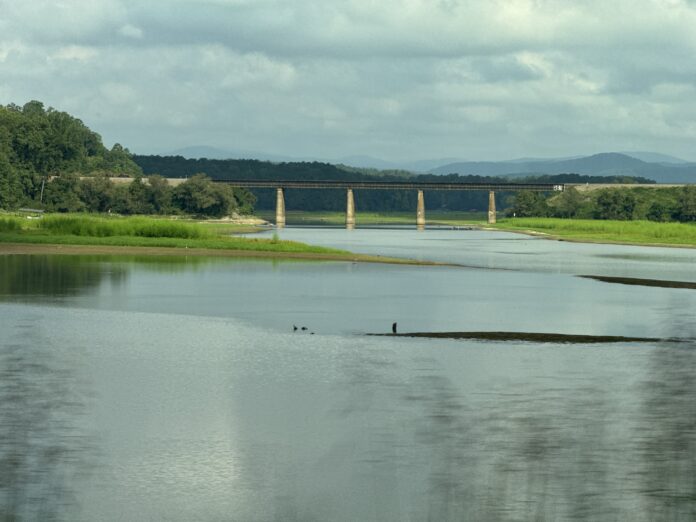
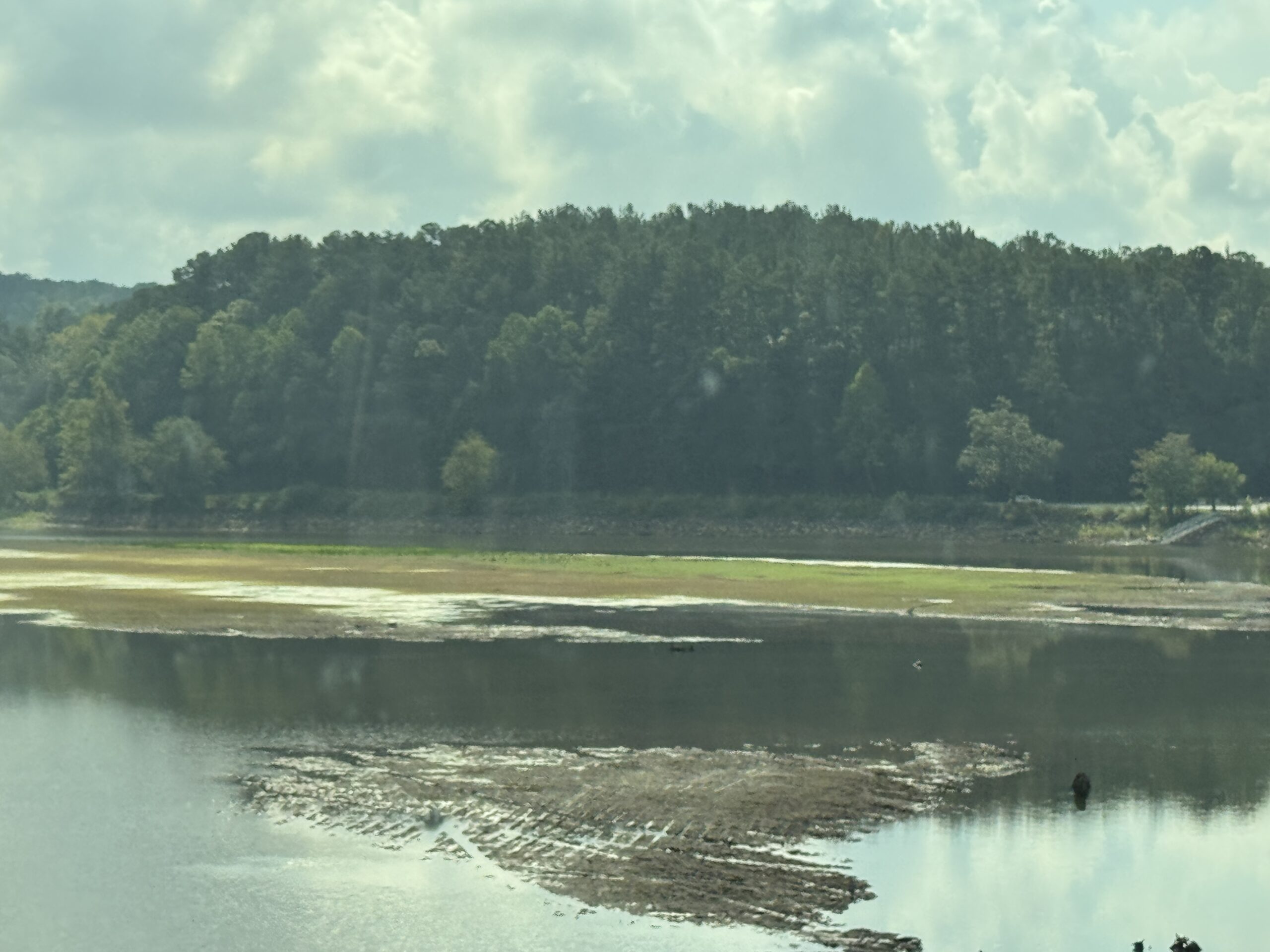
If you’ve been driving around Lake Hartwell recently, you may have noticed the lake has remained quite low despite the rainfall we’ve seen the past few months. While a drought is the primary contributor, there are also other things going on behind the scenes that will keep the lake low for a long time to come.
In late August, the Army Corps of Engineers announced a permanent reduction of the lake’s base operating level, reducing it 4 feet from 660ft to 656ft. This reduction, combined with the recent drought levels not fully recovering, have resulted in a very low lake level visible in many places including here in Northeast Georgia.
What’s going on?
The issue comes with the Clemson Lower Diversion Dam Saddle Dike which was determined to have some issues during a recent survey. This has been a recurring issue since 2015 and, while not a danger to the public, the recent data showed a reduction in lake level would be necessary. You can see the current lake level, as well as those from 2025 and 2024 below.
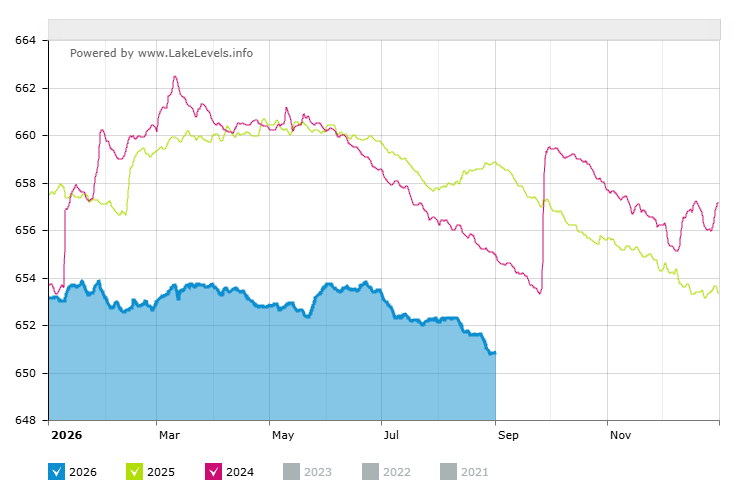
Lake levels have been very low since the beginning of the year and currently the lake is around 9.2ft below the old full pool of 660ft. However, it is only 5.2ft below the new 656ft mark which puts it more in line with other lakes across the region. For example, nearby Lake Lanier remains below full pool by 5.3ft. This is largely a coincidence, as Lake Thurmond in the same watershed downstream is also 9ft below full summer pool. Still, Hartwell holds the highest current deficit to full pool.
The reduced lake level is expected to last for years, possible up to a decade as plans and repairs are made to the dike. The new maximum level for the lake will be targeted for 662ft, where it should generally never remain for more than a few days.
Current drought primary contributor to lake level
We have seen massive improvement in the drought, though we do remain in a low end level D0 or D1 drought across the region. This is a far cry from the widespread D3 and D4 ongoing just a few months ago. However, a D1 (moderate) drought remains in effect for the majority of the Lake Hartwell watershed east over South Carolina where heavy rains have been harder to come by in the past few months.
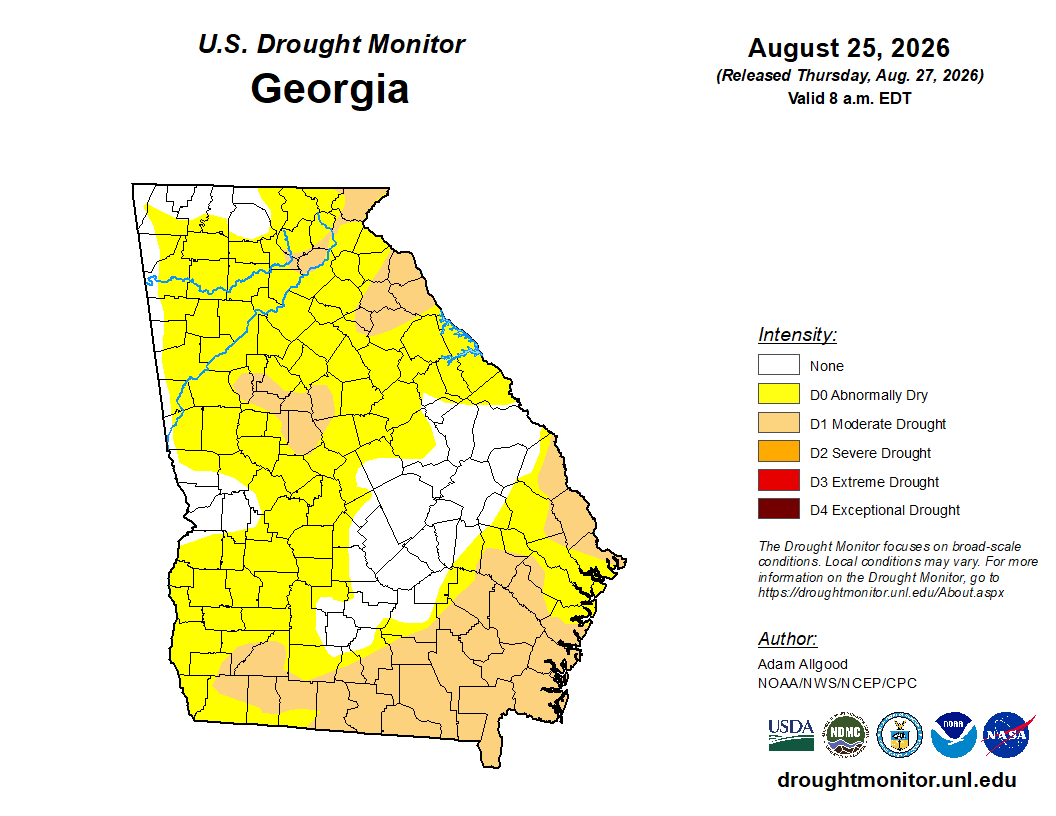
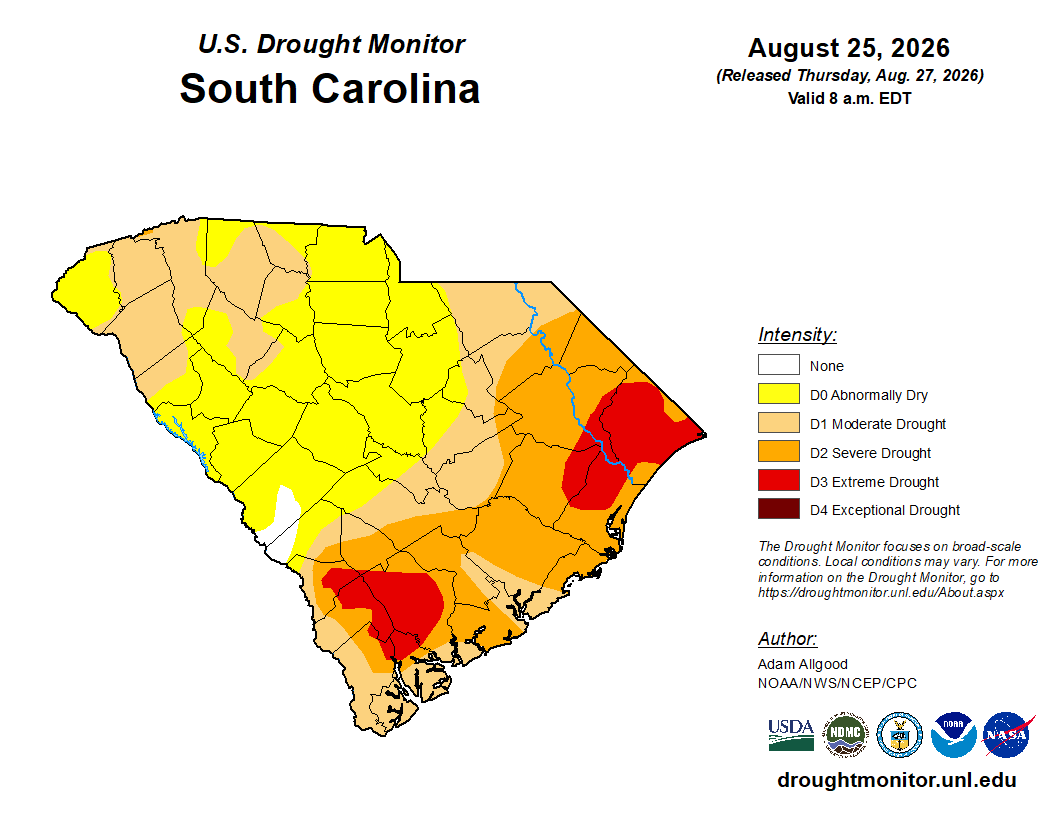
Droughts take a very long time to recover from, particularly severe ones. Luckily we do expect a fairly wet fall and very wet winter if historical patterns around El Ninos hold serve. Climatologically, El Ninos generally result in above average precipitation across the entire southeast, though it remains to be seen just what this super El Nino results in for us locally.
Get used to these scenes for the next several years as the Army Corps of Engineers begins to plan and make repairs to the Clemson Dike.
Don’t miss what everyone in town is talking about.
Join 4,000+ locals and choose our free newsletter covering news, events and the stories shaping our region.