
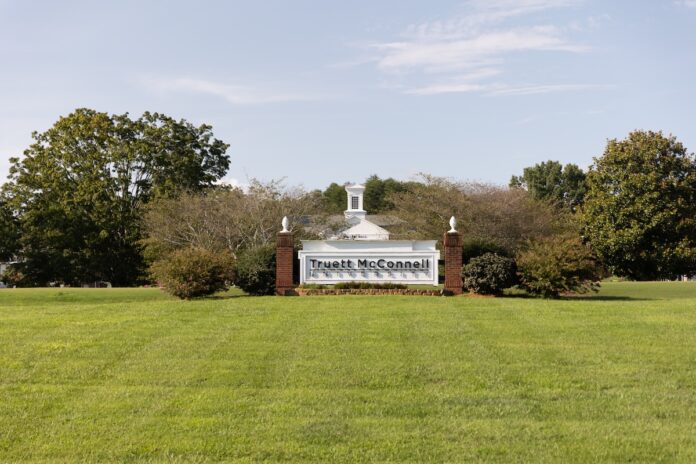
CLEVELAND, Ga. – As former Truett McConnell University Vice President Bradley Reynolds seeks to have criminal charges against him dismissed, two people with firsthand knowledge of the university’s response to concerns about Reynolds are offering sharply different accounts of what former President Emir Caner knew and how he responded.
The conflicting accounts center on a question that has lingered since allegations against Reynolds became public: Did university leaders fail to act on repeated warnings, or did those responsible for reporting concerns fail to follow the procedures necessary to trigger an investigation?
Reynolds, who was indicted in December on three counts of making false statements to law enforcement, filed a demurrer motion June 17 arguing that, even if prosecutors’ allegations are true, the charges do not amount to a criminal offense under Georgia law.
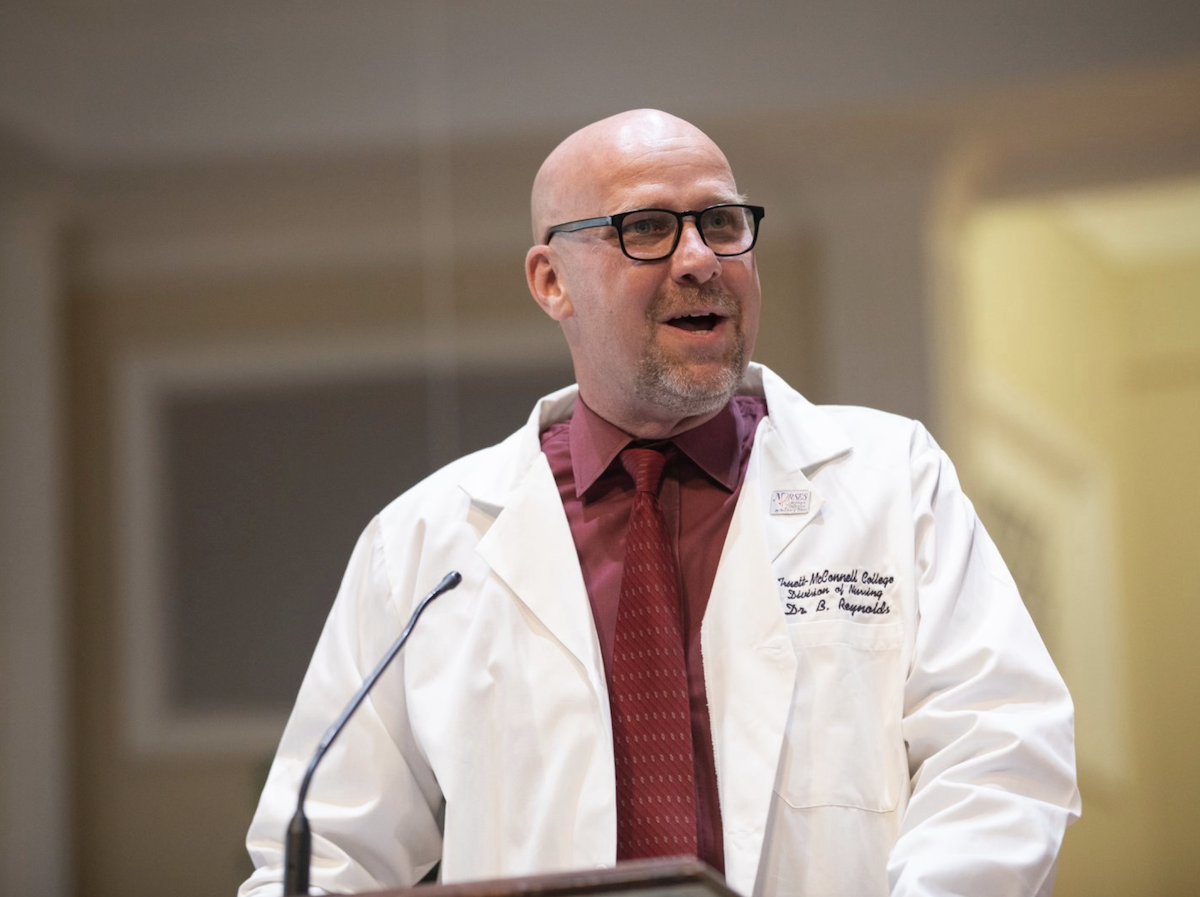
Reynolds waived formal arraignment in January and entered a not guilty plea. His attorneys did not respond to requests for comment regarding the motion.
White County District Attorney Jeff Langley declined to discuss the merits of the filing.
“Multiple defense motions are routinely filed in almost every one of the more than 2,000 cases my office handles each year,” Langley said in a June 18 statement. “This case will be argued and tried before a judge and/or jury in the courtroom. It is unethical for me to argue the case in the media rather than the courtroom.”
The charges stem from statements Reynolds allegedly made during a March 1, 2024, interview with investigators regarding his relationship with former student and employee Hayle Swinson.
According to the indictment, Reynolds denied having an inappropriate relationship with Swinson, denied sending her hundreds of emails and denied having sexual relations with her.
Investigators later determined Reynolds had sent emails to Swinson from a personal email account, according to previous reporting.
Eppling’s warnings
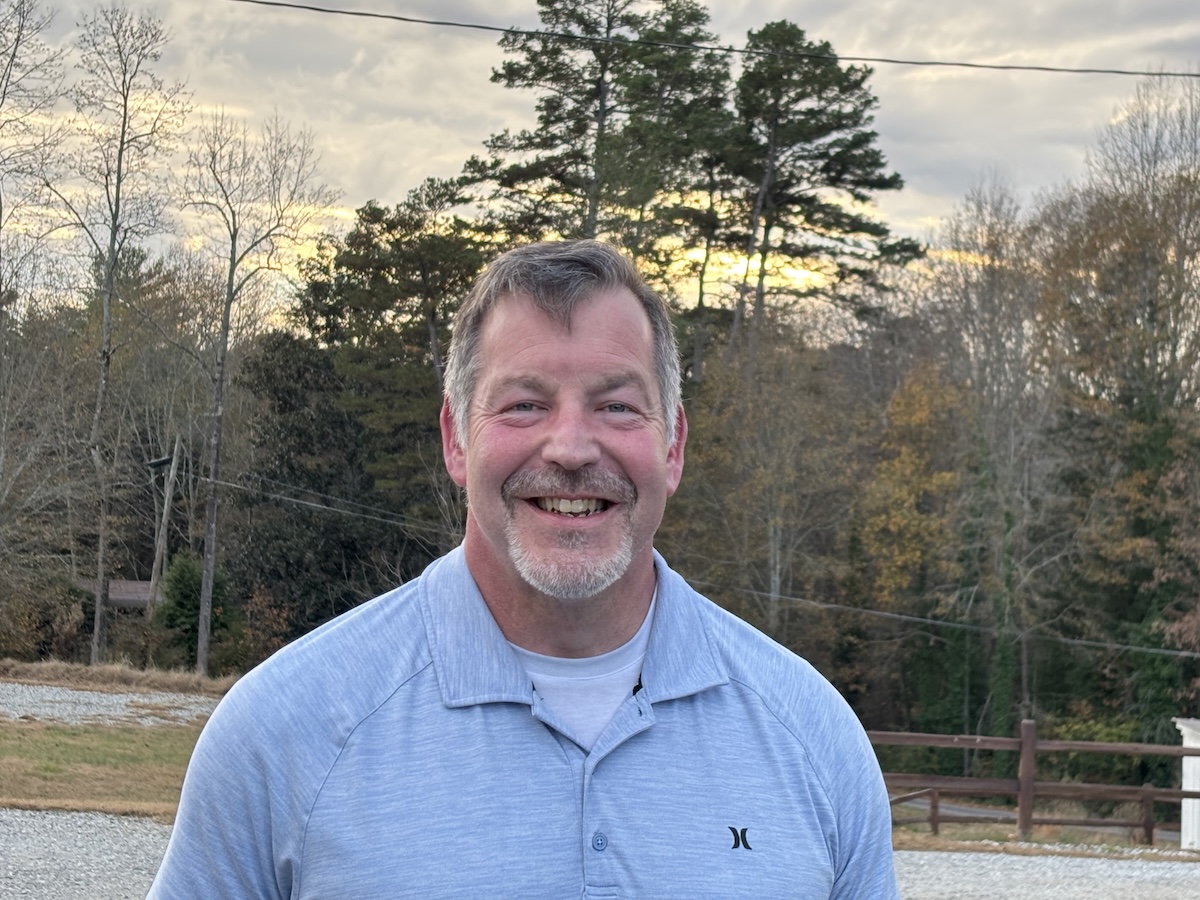
Chris Eppling, a former TMU vice president who oversaw student services, says concerns about Reynolds’ relationship with Swinson surfaced years before Swinson publicly discussed what she characterized as her victimization by Reynolds; the worst of her accusations was that he allegedly raped her.
Eppling said students first approached him around 2015 with concerns about what they viewed as an unusually close relationship between Reynolds and Swinson.
“We started hearing from students about their concerns,” Eppling said.
According to Eppling, those concerns were not isolated rumors. He said he personally observed conduct that he believed warranted scrutiny and confronted Reynolds directly on more than one occasion.
The first conversation was cordial, Eppling said. Reynolds explained his interactions with Swinson as part of his ministry to students.
But as concerns continued to surface, Eppling said he approached Reynolds a second time. That conversation did not go as well.
“He had no interest in talking about it,” Eppling said.
Eppling said he also brought his concerns to Caner repeatedly in 2016 and 2017.
Initially, he said, Caner appeared concerned. Over time, however, Eppling said the president instructed him to stop discussing Reynolds.
Eppling recalled Caner telling him he would handle the matter.
Later, according to Eppling, the directive became more explicit.
“If anyone discusses this further, there will be serious employment ramifications,” Eppling recalled Caner saying.
Now Georgia was unable to independently verify that conversation.
As concerns persisted, Eppling said he eventually decided to bypass normal administrative channels and contact university trustees directly.
In 2019, he wrote trustees Robby Foster and Adam Baker outlining concerns regarding Reynolds, including concerns involving Swinson.
At roughly the same time, Eppling said students circulated a petition expressing concerns about Reynolds’ conduct and asking not to be required to attend his classes or chapel messages.
Eppling said he personally delivered the petition to Foster.
Foster has previously declined comment. Baker did not respond to a request for comment.
Looking back, Eppling said his greatest regret is not approaching Swinson directly.
“I wish I had gone to Hayle and said, ‘If you need help, please come talk to me,'” he said.
At the time, Eppling said he believed the relationship appeared inappropriate but did not understand the extent of the abuse Swinson later described publicly.
A different account
An anonymous university source who spoke with Now Georgia offered a starkly different interpretation of the events.
The source, identified here as James Barlow, contends Caner followed legal advice and university policy and was ultimately blamed for failures elsewhere in the institution.
According to Barlow, Eppling and former Title IX coordinator Jonathan Morris were among the university officials responsible for handling reports of misconduct.
Barlow argues that neither man ever filed a formal Title IX complaint involving Reynolds and that without such a complaint, university procedures prevented Caner from intervening directly.
The source said the intent of those procedures was to preserve the integrity and neutrality of the Title IX process.
Because no formal complaint existed, Barlow said, no official Title IX investigation could begin.
The source further asserted that when Eppling and Morris left the university, they left behind no documentation indicating an investigation into Reynolds had ever been opened.
Federal regulations require certain Title IX records to be retained, Barlow noted.
The source also disputed claims that Eppling and Morris were removed because they raised concerns about Reynolds.
According to Barlow, Eppling was terminated because of what the source described as a toxic work environment and the sharing of confidential information.
Morris, the source said, was dismissed because of financial management concerns.
Now Georgia has not independently verified those assertions.
The Title IX dispute
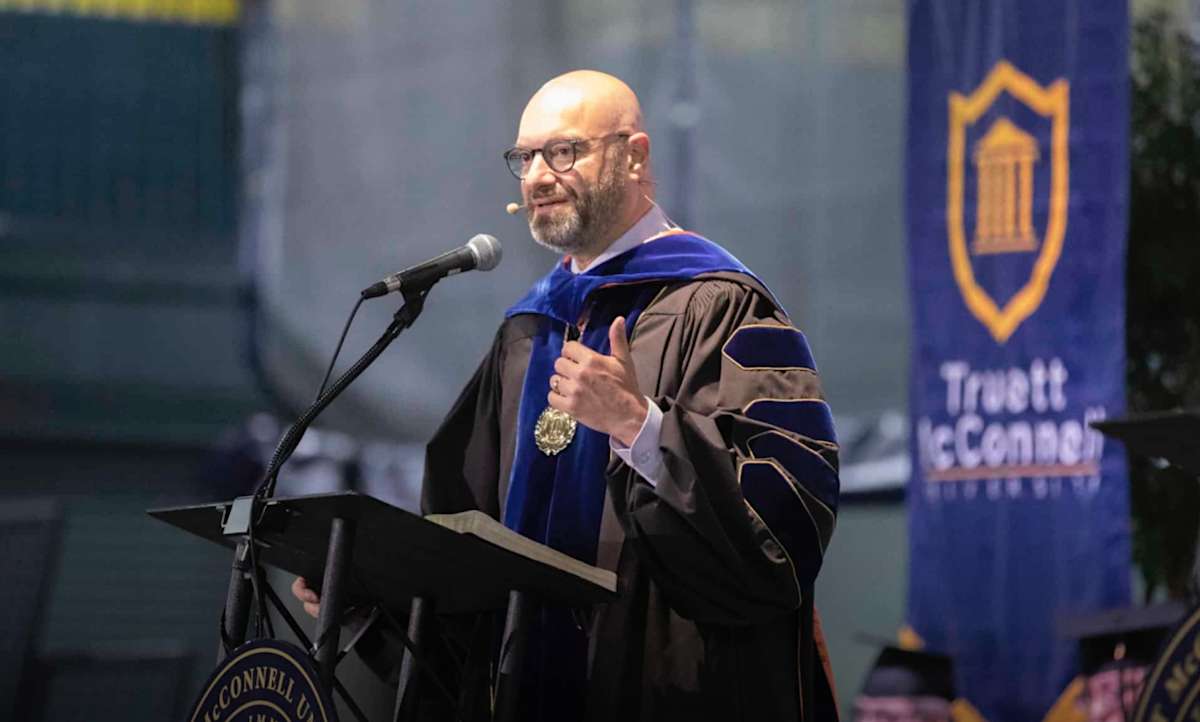
The disagreement between Eppling and Barlow ultimately comes down to a dispute over how Title IX reporting requirements work.
Barlow maintains that Caner never received a formal Title IX complaint and therefore lacked the authority to launch an investigation.
Eppling says that argument fundamentally misunderstands Title IX.
“Title IX reporting does not require a form to be filled out; it only requires knowledge,” Eppling said.
“The reporting of the situation came in multiple face-to-face conversations that I had with Dr. Caner, and that qualifies as an official report, according to Title IX regulations.”
Eppling said he repeatedly informed Caner about concerns raised by students and employees.
He also disputes the idea that the absence of paperwork means concerns were never reported.
“Truett McConnell never had an official Title IX form,” he said.
Eppling said he and another administrator eventually asked to be relieved of their Title IX responsibilities because they were not afforded the authority and resources needed to properly address concerns.
According to Eppling, university leadership never treated Title IX compliance as a significant institutional priority.
The anonymous source rejects that characterization and maintains Caner acted appropriately based on the information available to him at the time.
An inquiry from Now Georgia to the federal Department of Education seeking information about Title IX reporting procedures went unanswered.
Questions about the investigation
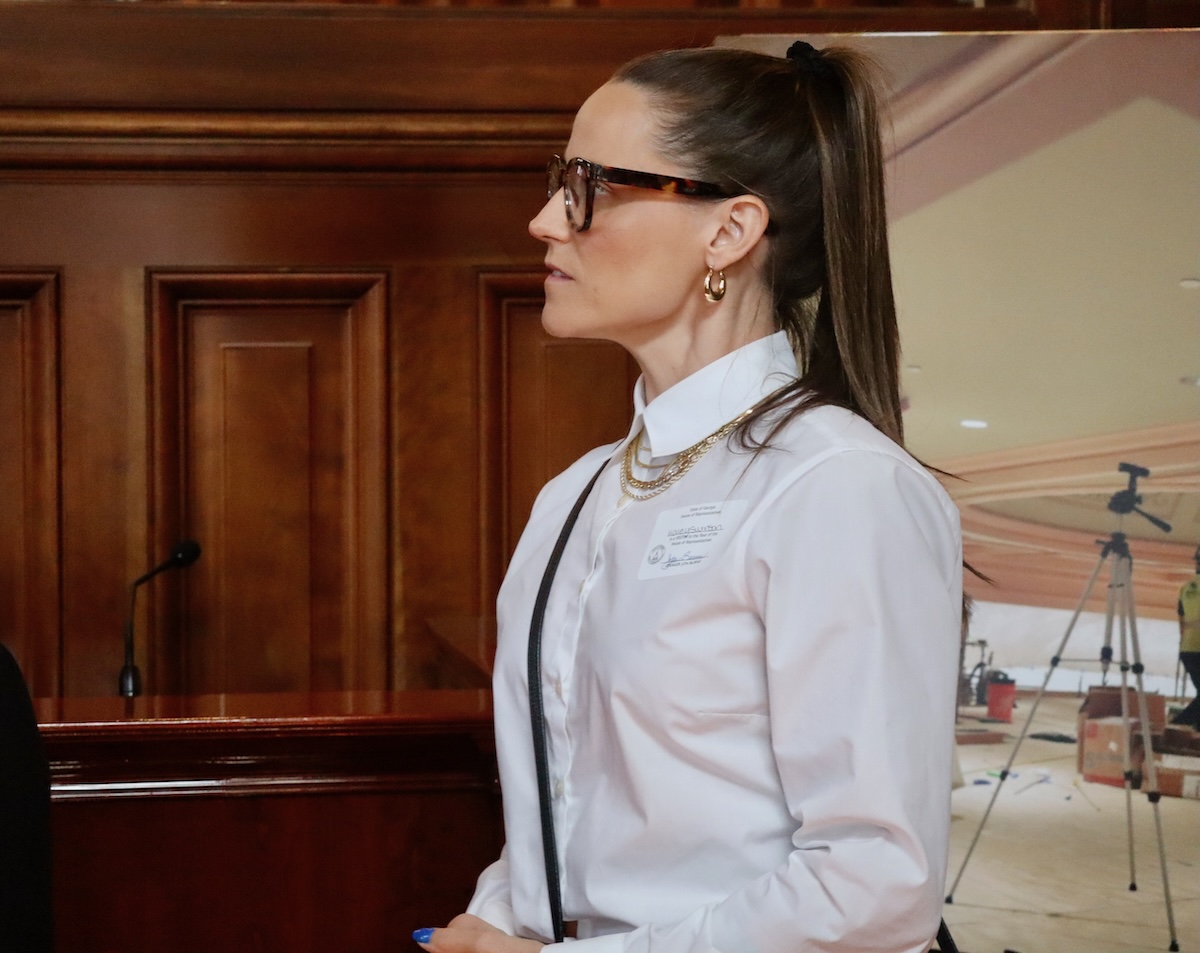
Barlow also raised questions about the investigation commissioned by TMU trustees after Swinson’s allegations became public.
The investigation was conducted by Richard Hyde and ultimately led to Caner’s departure from the university in September 2025.
Hyde never produced a formal written report for trustees. Instead, he delivered his findings orally during a closed-door meeting.
The source said Hyde provided no evidence that Caner interfered with the investigation or attempted to conceal information.
Barlow also pointed to a previously undisclosed family connection involving Hyde and former Board of Trustees Chairman Frank Cox.
According to the source, Hyde is Cox’s former brother-in-law.
Asked about the claim, Hyde responded by text message.
“I don’t usually respond to cowardly anonymous sources,” Hyde said, “however, my 57-year relationship with Frank Cox is well known to include the leadership of the Board of Trustees.”
Trustees announced Caner’s separation from the university shortly after hearing Hyde’s findings.
The university has never publicly stated whether Caner resigned or was terminated, referring only to a “separation.”
Lingering questions
The competing accounts offered by Eppling and Barlow highlight the unresolved questions that continue to surround one of the most significant controversies in the university’s history.
Eppling remains convinced university leaders had enough information to act years before Swinson publicly discussed her history with Reynolds.
Barlow remains equally convinced that Caner followed established procedures and has been unfairly blamed for failures elsewhere within the institution.
Both men agree on one point: the controversy has had lasting consequences for the university.
For Eppling, the issue remains deeply personal.
He worked alongside both Reynolds and Caner for years. The three men shared professional, ministry and personal connections that stretched back decades.
That history, Eppling said, makes the outcome all the more difficult to understand.
“I’ll never know,” Eppling said, “just why Emir was so loyal to Brad Reynolds.”
Don’t miss what everyone in town is talking about.
Join 4,000+ locals and choose our free newsletter covering news, events and the stories shaping our region.