
DEMOREST, Ga. — The City of Demorest is considering a nearly $3 million upgrade to its water meter system that would allow the utility to monitor water usage remotely, detect potential leaks and provide customers with detailed information about their consumption.
The Demorest City Council discussed the proposed Advanced Metering Infrastructure, or AMI, system during its Sept. 1 meeting. No formal action was taken, but council members gave City Manager Mark Musselwhite preliminary support to continue developing the proposal and return with a financing plan Oct. 6.
The project could cost approximately $2.8 million to $3 million and would replace the city’s aging drive-by automatic meter-reading system.
“Your water meter is your cash register, and you want it to be 100% accurate for both parties,” Musselwhite told the council. “That is the key, and that’s why we have to invest this.”
Demorest’s existing system allows employees to electronically read water meters by driving through neighborhoods. The proposed AMI technology would transmit meter data remotely, allowing utility employees to access readings without leaving the office.
The discussion comes as more than 4,000 of the city’s approximately 7,400 water meters are expected to reach the end of their useful life in 2029.
Mike Casper of Consolidated Pipe, which has worked with Demorest’s water system for about two decades, said the city’s existing automatic meter-reading technology was state-of-the-art when it was installed nearly 20 years ago.
As technology has improved, utilities now have more options, including systems that provide frequent and detailed data from individual meters, he said.
Under the proposed system, water meters would transmit usage information hourly. Chris Cornell of Master Meter Inc. said the technology could automatically identify continuous water use that may indicate a leak.
That information could allow city employees to contact customers more quickly when unusual usage is detected.
“The biggest benefit that not only the city but the residents as well are going to see is you’re going to have readings coming in every hour of every day for every water meter that’s out there,” Cornell said.
The system could also provide customers access to a mobile app and online portal where they could monitor their own water usage. Residents could view hourly consumption and set notifications for unexpected water use.
Cornell said a customer leaving town, for example, could activate a vacation setting and receive an alert if water use is detected while they are away.
The technology would also provide the city’s utility office with additional data for customer service, water audits and other reporting.
A phased approach
City officials said they do not want to replace all 7,400 meters simultaneously, which could eventually create another situation in which thousands of meters reach the end of their useful lives at the same time.
Instead, the city is considering a phased approach that would spread the replacement process over a longer period.
Cornell said the preliminary estimate for the entire system is approximately $2.8 million, although officials used $3 million as a planning figure during the discussion.
The estimate includes fixed network infrastructure in areas with concentrated numbers of meters and cellular technology for portions of the water system outside the city where installing a fixed network would be less cost-effective.
The projected cost averages about $378 per meter.
Cornell said the overall conversion could be spread across whatever timeline the city chooses. The city is also considering using its own employees to perform physical meter replacements rather than hiring an outside contractor.
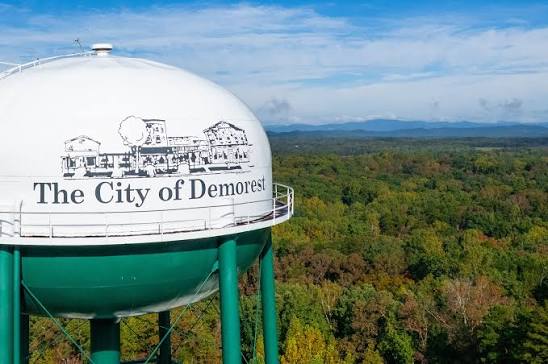
The proposed system would include antennas and other infrastructure on water tanks and utility poles within the city. Meters in more rural portions of the service area could use cellular technology to transmit data.
Some newer meters already in the ground could potentially be retrofitted rather than completely replaced.
Financing still to be determined
While council members indicated support for continuing to explore the project, Musselwhite said the city does not yet have a financing plan.
“I do not have the financing plan as we sit here today,” he said.
Musselwhite said he is working through the city’s budget and expects to present financing options to the council Oct. 6.
He asked council members to give staff a “head nod” that they support the concept before the city develops the financial details.
The project is being considered as part of planning for the city’s 2027 budget.
No formal commitment has been made, and the council will need to consider the financing proposal before deciding whether to move forward with the modernization project.
Don’t miss what everyone in town is talking about.
Join 4,000+ locals and choose our free newsletter covering news, events and the stories shaping our region.