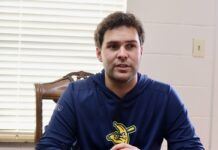

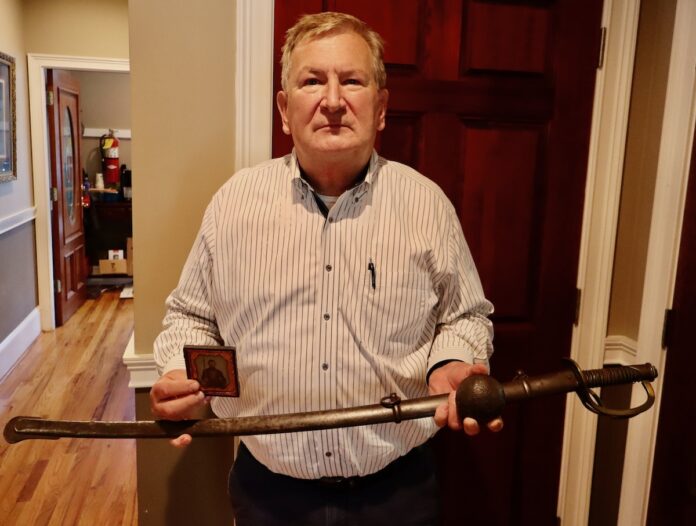
HABERSHAM COUNTY, Ga. — When Bruce Harkness talks about protecting Habersham County, he isn’t talking only about the place where he lives or the county he now serves as chairman of its Board of Commissioners.
He is talking about home — one his family has known since before there was a Habersham County.
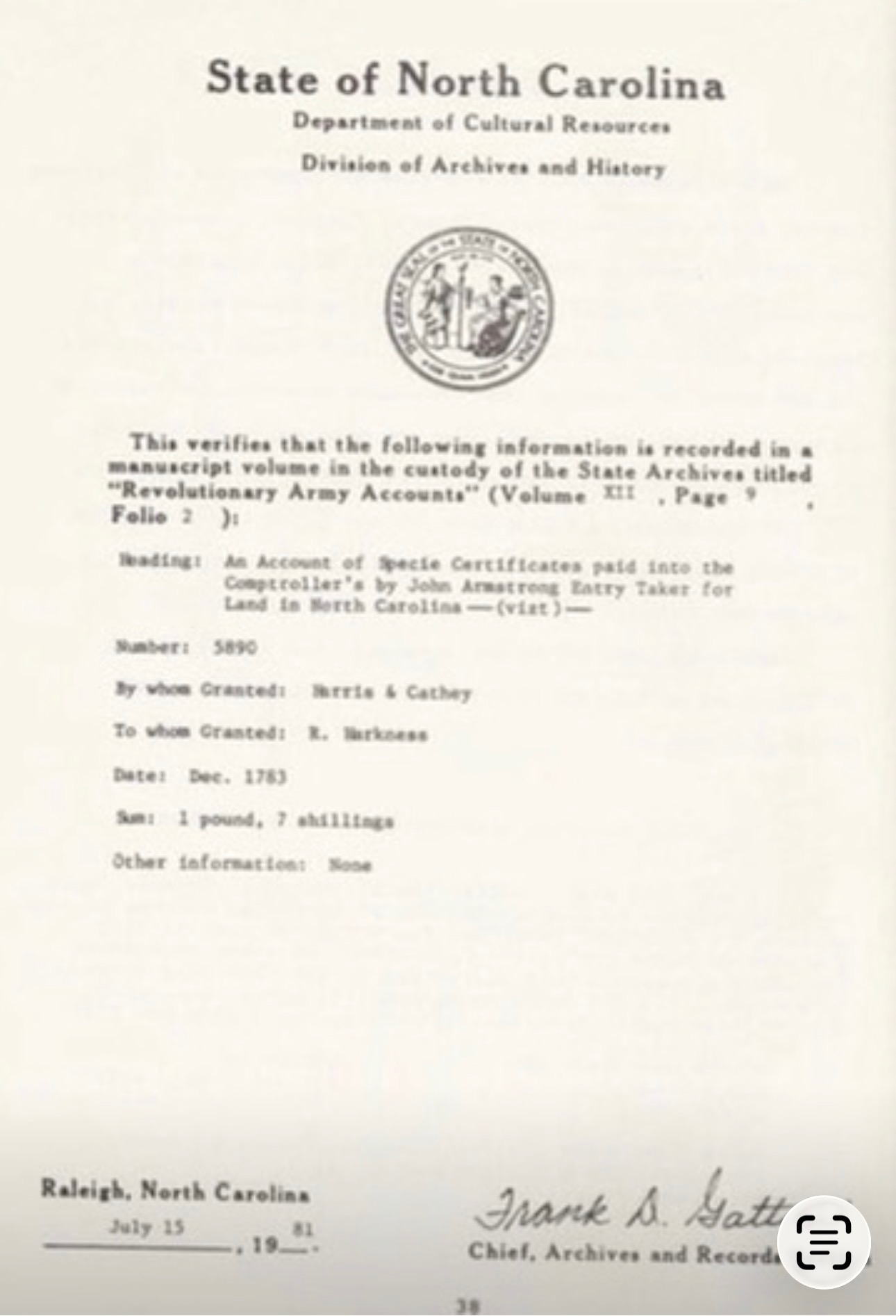
His ancestors settled in what is now northern Habersham as early as 1783. They farmed the land, operated trading posts, hotels, restaurants and other businesses, helped carve an early road through the mountains and raised generations of children here.
They also fought in wars, lost land, started over and watched the county change around them.
More than two centuries later, Harkness sees himself as a steward of that history and of the place his ancestors helped settle.
“I’m of this soil, and I’ll be buried in this soil, and I’m going to fight for the people here,” Harkness said.
Before Habersham was Habersham
Harkness’s roots in the area stretch to the years immediately following the American Revolution and nearly four decades before Habersham County was created in 1818.
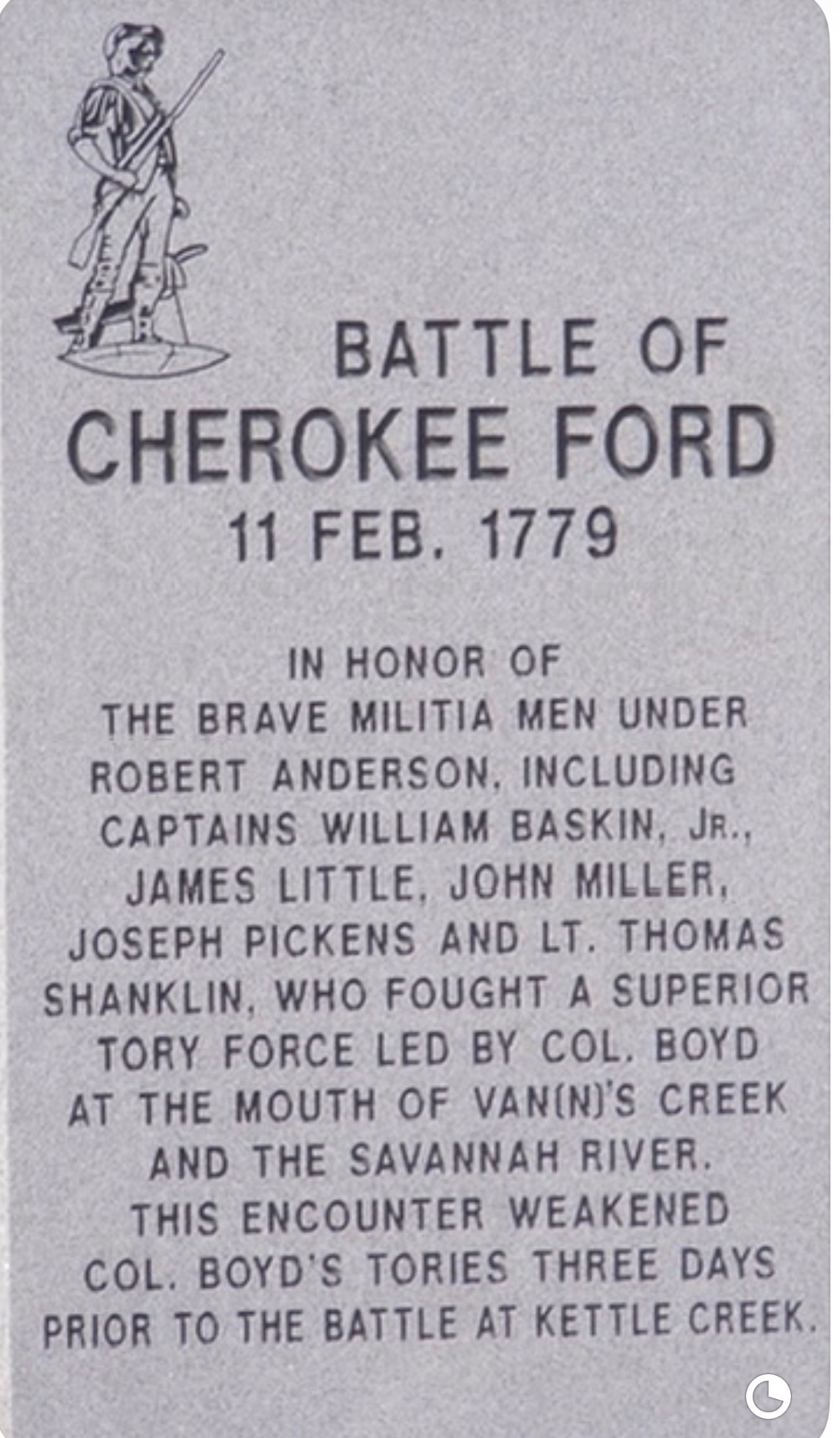
His family history includes 24 documented Revolutionary War veterans among his ancestors, with family lines including the Vandivers, Shirleys, Whitfields, Becks, Ivesters, Popes and Harknesses. Some settled in what would become northern Habersham beginning in 1783.
Harkness said his mother’s side of the family was among the earliest white settlers in northern Habersham.
“My mother’s people were the first white settlers up there,” Harkness said. “They got the land, you know, up there after the Revolution.”
Those names remain on the landscape.
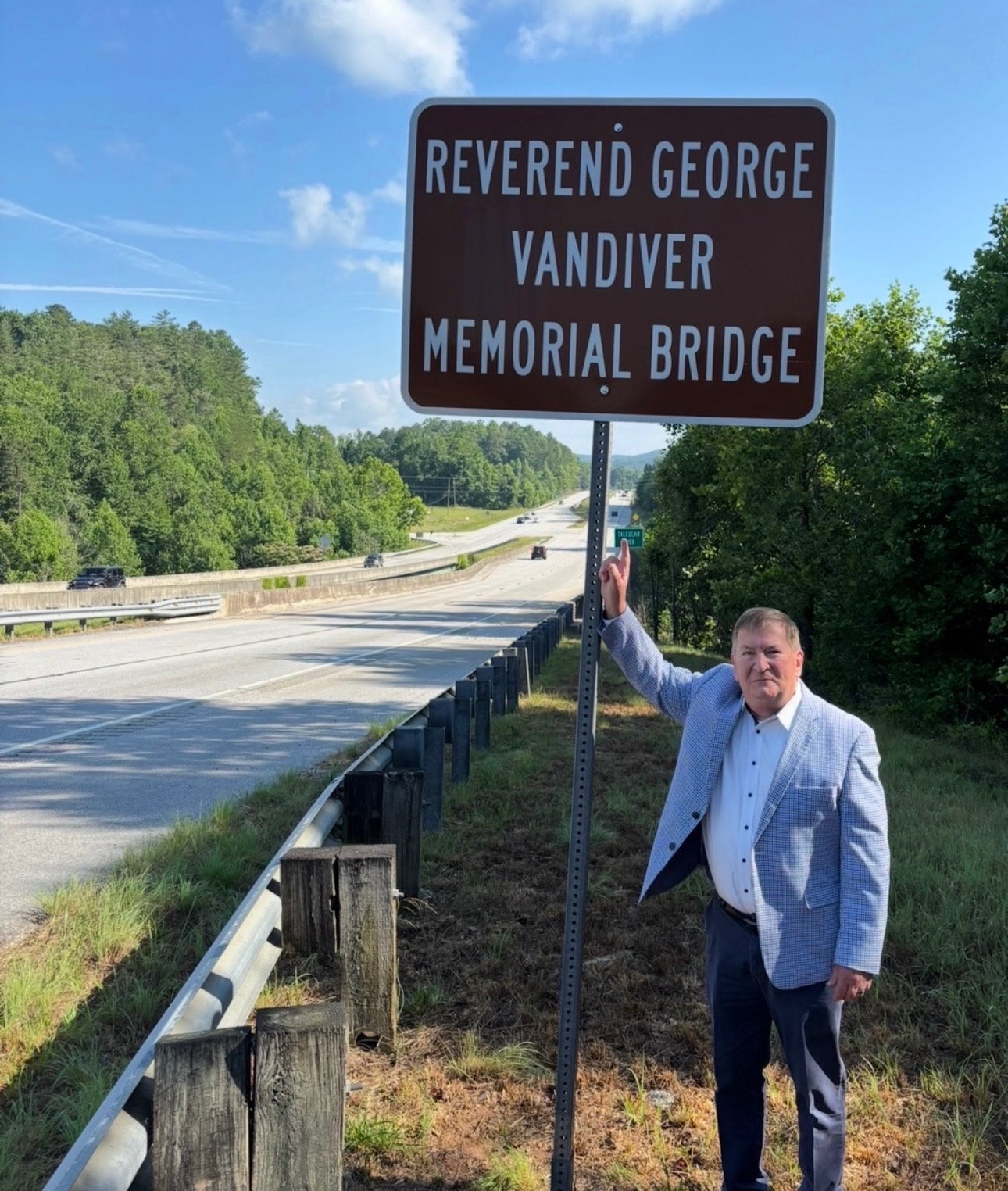
Traveling toward Tallulah Falls, Harkness points to bridges bearing the names of ancestors Adam Vandiver and the Rev. George Vandiver. George Vandiver served during the Revolutionary War, while Adam Vandiver served during the War of 1812.
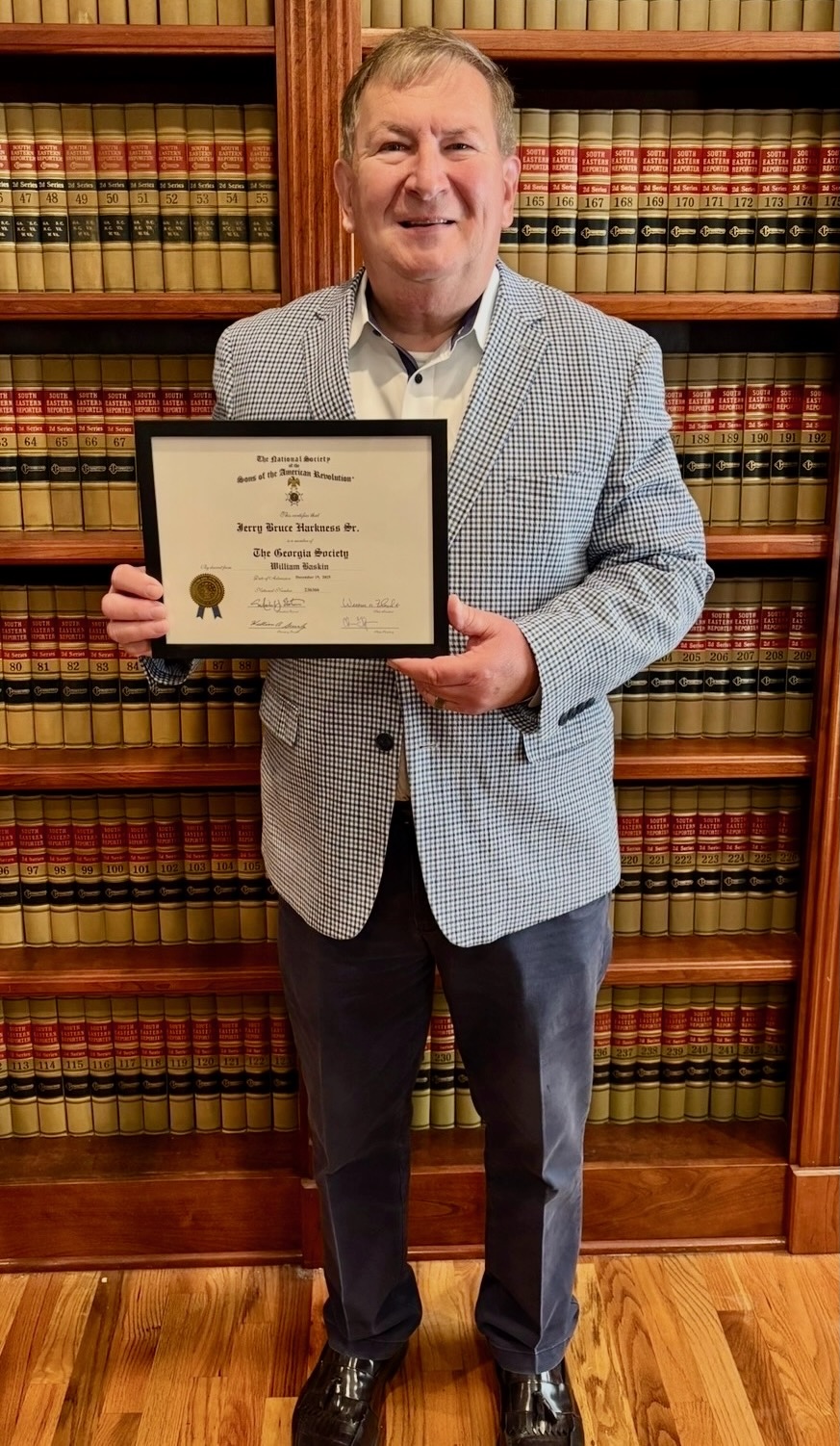
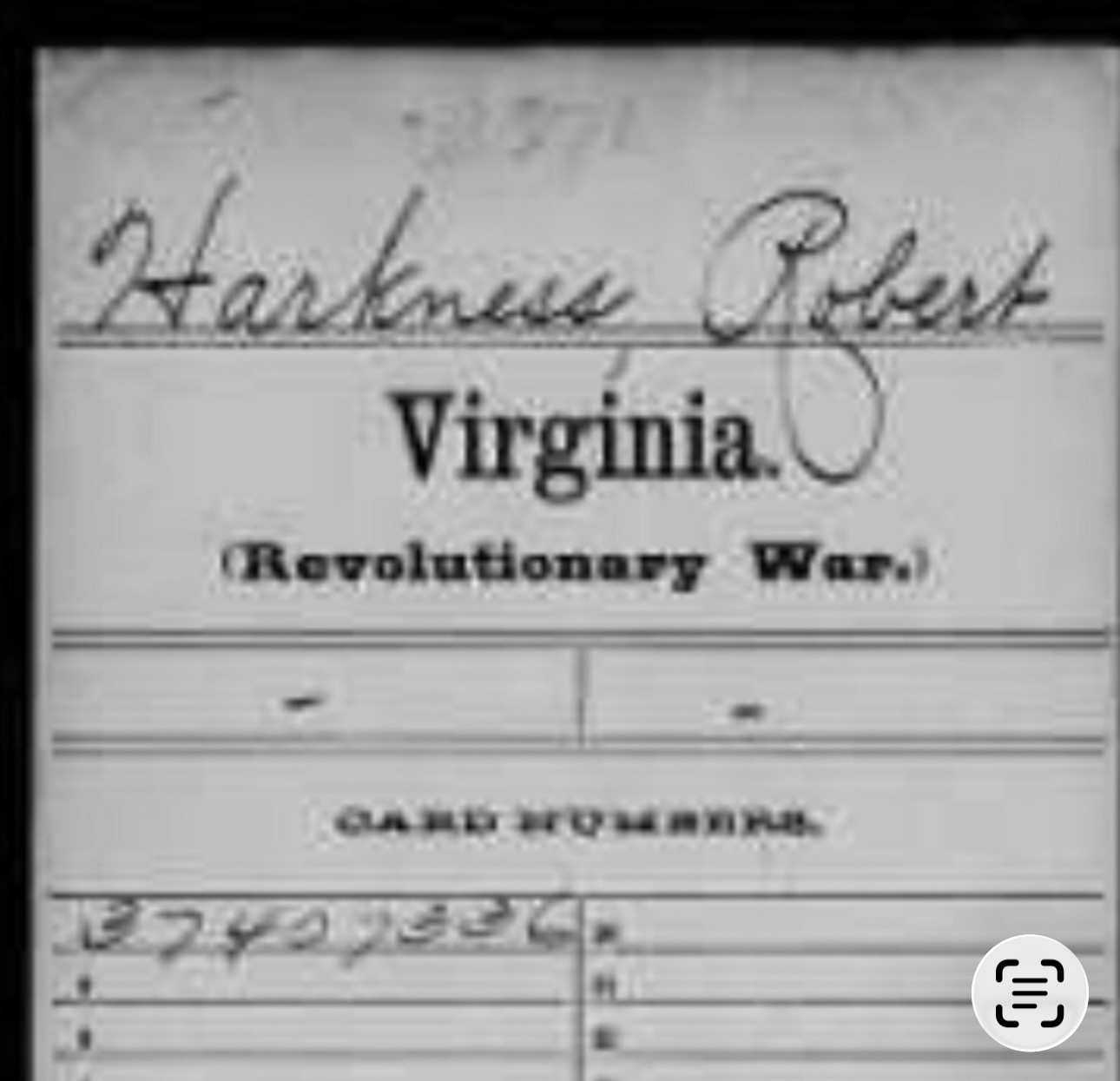
Harkness is also a member of the Sons of the American Revolution, having documented his descent from a Revolutionary War patriot.
“I’ve got two or three that fought in Kings Mountain and eventually made it to Georgia,” he said. “That’s how I got accepted into the Sons of the Revolution. Of course, they have to track down because it was so well documented.”
The family’s connection to the region wasn’t limited to settling it.
Harkness said his ancestors helped cut part of the Unicoi Turnpike around 1818 to 1820, working from the Hollywood area west toward the Sautee Nacoochee Valley. The route became an important road through the mountains as settlement expanded.
A metal marker along old U.S. 441 toward Tallulah Falls still marks the historic route.
Building a life in the mountains
For generations, Harkness said, his family made its living from the land and from the people around them.
His ancestors operated a trading post before Habersham County existed, doing business in an area that was then still Cherokee land. Later generations passed down stories of traveling by river to Augusta to obtain supplies.
“My grandmother remembers her grandparents talking about going down the river on flat-bottom boats to Augusta and buying supplies for their trading posts in Tallulah Falls,” Harkness said.
The return trip was considerably harder. Supplies were hauled back into the mountains by horses and mules before being taken on to Tallulah Falls.
Other generations found other ways to make a living.
Harkness’s mother’s great-grandparents operated the Shirley Hotel on the rim of Tallulah Gorge. His mother was a Shirley, and members of that side of the family later operated an Exxon gas station and a restaurant in Tallulah Falls.
And through it all, there was farming.
“We’ve done it all,” Harkness said. “You name it.”
What matters most to him, however, isn’t the list of businesses his ancestors operated. It’s who sustained them.
“All lived here. All done business with the good people of this county,” Harkness said. “We’ve depended on the good people of this county for 200-something years. 1783.”
Losing the land — twice
That long relationship with the land has not always been easy.
The Vandiver branch of Harkness’s family owned property in the area that would become Lake Tugalo. The lake was created as part of the hydroelectric development of the Tallulah-Tugaloo river system.
The family’s property was condemned, Harkness said, forcing them from land their ancestors had occupied for generations.
They moved south, settling around Nancytown near present-day Mt. Airy.
Then, Harkness said, it happened again.
Land there was acquired by the federal government during the expansion of the Chattahoochee National Forest in the 1930s.
“Twice,” Harkness said. “Georgia Power took all of their land up there, and then FDR took down here 30 miles away.”
Asked what his family did after losing its farmland a second time, his answer was simple.
“Bought more land and struggled,” Harkness said. “We’ve been struggling ever since, you know.”
For Harkness, that history is more than an account of what happened to previous generations. It shapes how he thinks about land ownership today.
“That’s one reason why I’m so in tune with fighting for people’s rights,” he said.
‘Taxed out’
Harkness believes another kind of pressure has driven longtime families from Habersham in more recent generations: property taxes.
“It’s immoral and should be illegal to tax a man off his property and tax him out of his own house,” he said.
He said he has seen people lose farms and homes they could no longer afford to keep.
“This is the southernmost part of Appalachia,” Harkness said. “There’s some proud people here. … They don’t want to talk about losing everything.”
His family’s experience around Tallulah Falls remains particularly vivid to him.
Harkness said his mother’s home there did not receive electricity and running water until 1959 — decades after hydroelectric development transformed the rivers around the community.
“They came in, took the land, dammed up the rivers by local people working, and then popped the power lines straight to Atlanta,” Harkness said. “My mother did not get power and running water in her house in Tallulah Falls, Georgia, till 1959.”
That history helps explain some of the rhetoric Harkness has brought to county government.
During a June town hall on Habersham County’s proposed Unified Development Ordinance, Harkness argued that existing residents shouldn’t have to shoulder the infrastructure costs created by new development.
“I believe it’s immoral and wrong, and should be a crime to raise your taxes so other people can move here,” Harkness said at the time.
Fighting for what remains
Harkness was elected chairman of the Habersham County Board of Commissioners in January after previously serving as vice chairman.
In his opening remarks as chairman, he made protecting the county’s rural character one of his priorities as development pressure pushes north along the Ga. 365 corridor.
“We have a slice of heaven here that we’ve got to fight for and we’ve got to protect,” Harkness said. “I know growth is coming, but we have to manage growth, and we have to be careful with what’s coming.”
Months later, as county officials worked through a sweeping rewrite of Habersham’s development regulations, his message remained much the same.
“We’re trying to get ahead of what’s coming,” he told residents at the June UDO town hall.
For Harkness, the concern is about more than zoning classifications, minimum lot sizes or data centers.
“I’m worried about our culture,” he said during an interview with Now Georgia. “I’m worried about our heritage. I’m worried about being overran with uncontrolled growth.”
The issue is personal for a man who can trace his family through generations of Habersham’s history.
But Harkness worries fewer people know that history — his family’s or anyone else’s.
He recalled a recent commission meeting attended by about 70 people. Harkness said he asked those who had lived in Habersham County longer than 10 years to raise their hands.
“Nobody raised their hand,” he said. “I was shocked.”
He sees the same disconnect when talking about longtime residents he considers pillars of the community.
“Sometimes nobody raises their hand,” Harkness said. “I mean, pillars of the community, and nobody even knows them.”
Preserving more than his own history
Before his time in office ends, Harkness wants to do something about that.
“I really, before I get out of office, I really want to work on a history of the first settlers, the pioneers of this county,” he said.
His goal isn’t simply to preserve the Harkness, Vandiver or Shirley stories. Harkness wants to document the people and families who shaped Habersham before their stories disappear with the generations who remember them.
“I really feel called to work on a true history,” he said.
That desire has already surfaced in his work as chairman.
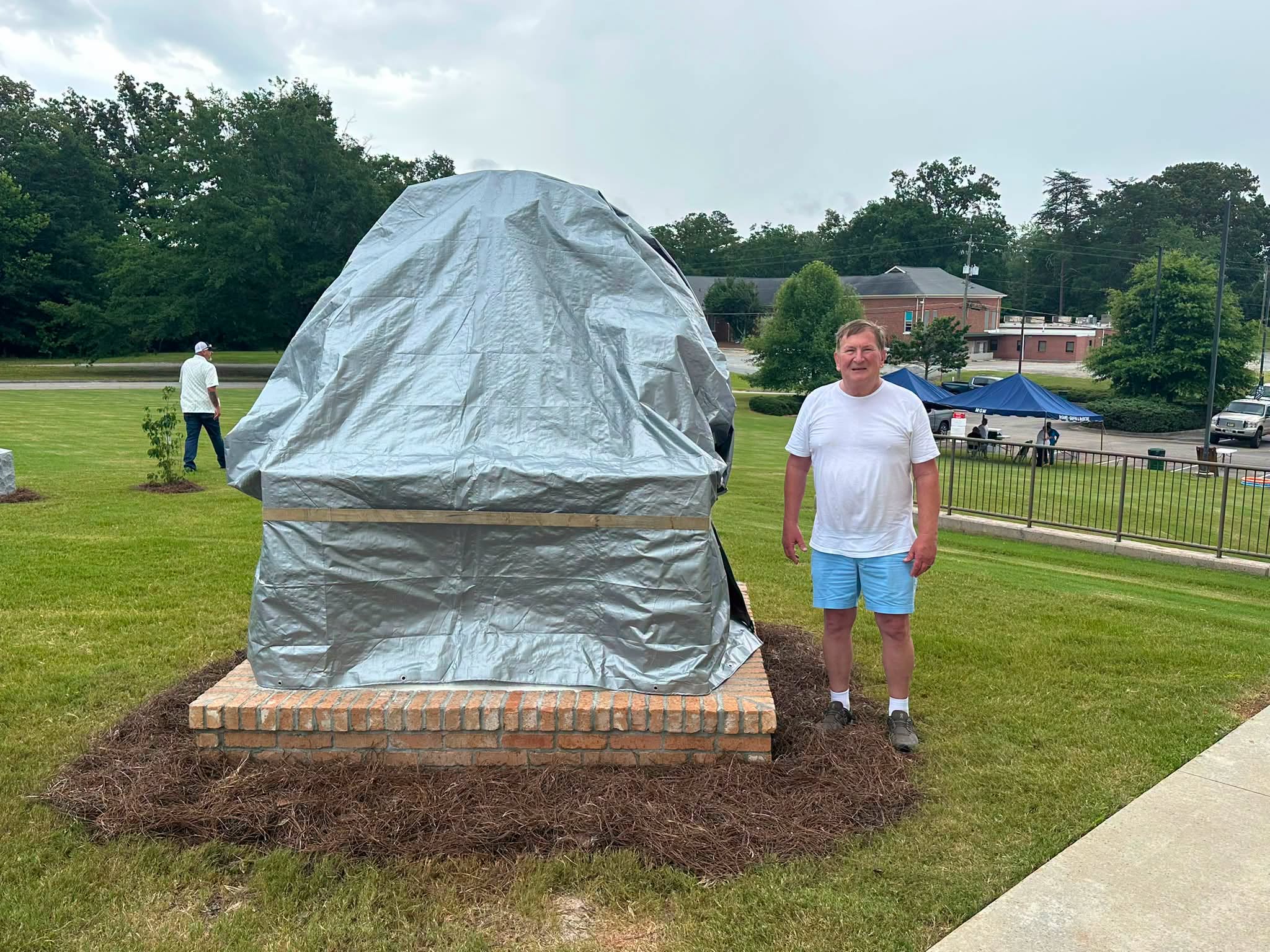
Earlier this month, Harkness stood outside the new Habersham County Courthouse to unveil the county’s restored century-old courthouse bell during its America 250 celebration.
The monument beneath it incorporates bricks salvaged from the former courthouse, tying a piece of the county’s past to the place where its government now conducts business.
“Today is a lot more than just a bell,” Harkness told the crowd.
Fifty years earlier, Harkness had stood on that same property as a student at North Habersham Junior High School during the nation’s Bicentennial in 1976. In 2026, he returned as commission chairman for America’s 250th anniversary.
“We love our county, we love our people, and we’re resilient,” he told those gathered that day.
Roots still growing
Harkness’s story of Habersham doesn’t end with him.
His children remain here, he said, and another generation of his family is growing up in the county where their ancestors arrived more than 240 years ago.
“All of my kids are here and they’re all growing their own roots here,” Harkness said. “I’ve got grandkids growing right here.”
He said he has tried to instill in his children the same appreciation for the community that sustained generations before them.
“I’m just proud of the county. I’m proud of the people here,” Harkness said. “You know, they’ve loved us. They’ve been so good to us.”
For all the generations, battles, farms, businesses and family names that make up his history, Harkness keeps returning to that relationship.
His ancestors built lives in Habersham, but, he says, they did not build them alone.
“We didn’t do this on our own, with the good Lord’s help,” Harkness said. “But the good people of this county.”
More than two centuries after his family first put down roots in the mountains of Northeast Georgia, Harkness says those roots still define both where he belongs and what he believes he owes the place.
“I’m of this soil, and I’ll be buried in this soil,” Harkness said, “and I’m going to fight for the people here.”
Don’t miss what everyone in town is talking about.
Join 4,000+ locals and choose our free newsletter covering news, events and the stories shaping our region.