
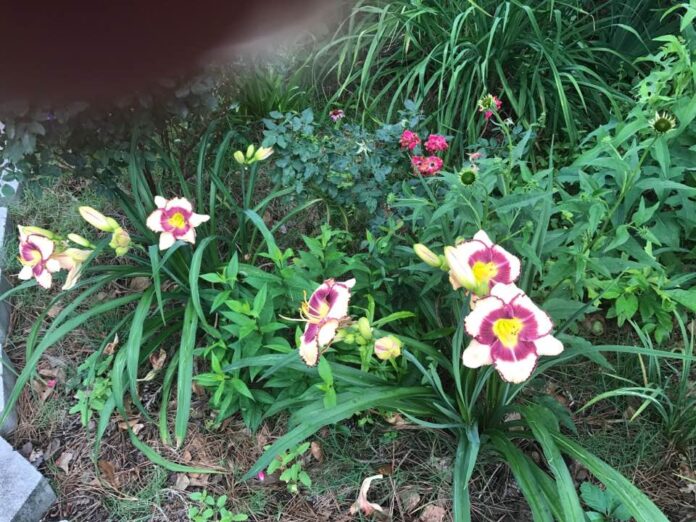
June is when perennials really shine and few are tougher or more beautiful than the daylily. They are a flowering plant in the genus Hemerocallis. Just in case that is Greek to you, Hemerocallis comes from the Greek words hemera for “day” and kalso for “beautiful.”
Yes, it’s true. Each flower only lasts for one day, but each stem or scape can hold many flower buds. For those who have gardened for years, you know they’re resilient. If you are just beginning your flower garden journey, the daylily is a sure bet.
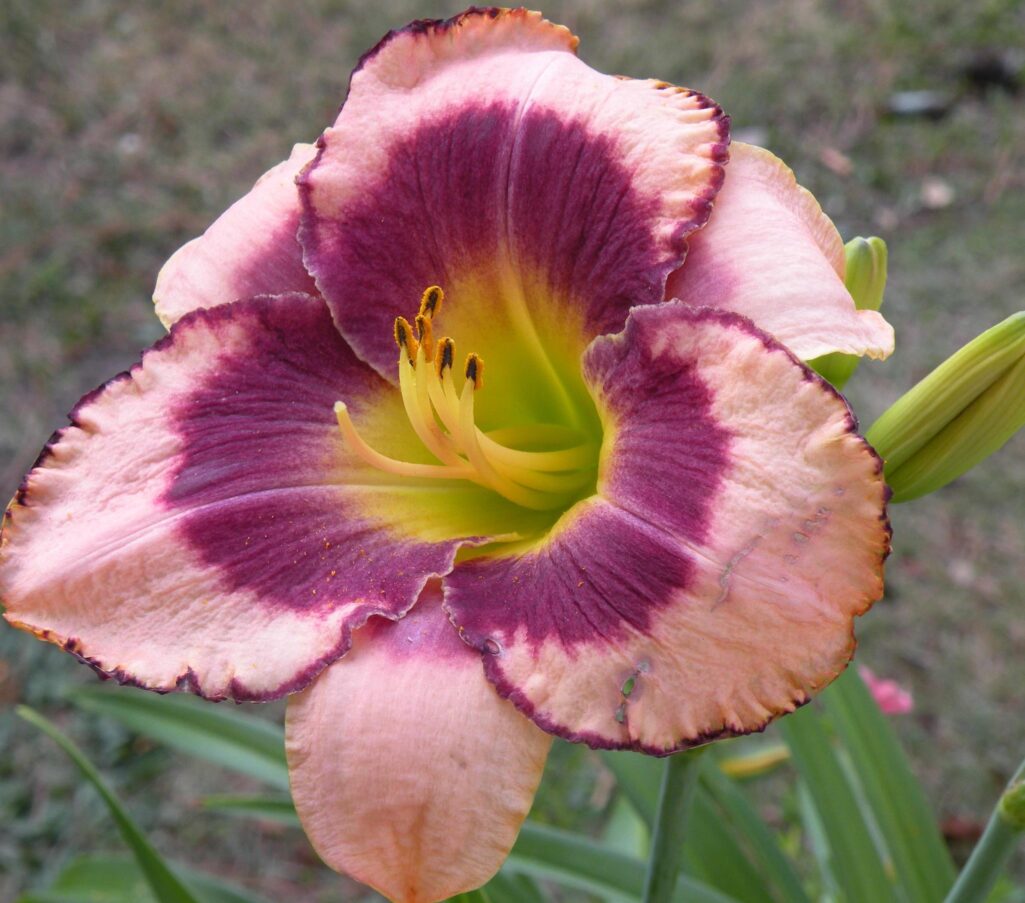
There are about 15 species of daylilies and more than 80,000 cultivars have been registered by local and international Hemerocallis societies. So there are many from which to choose.
Despite each bloom’s short life, daylilies are nicknamed the “perfect perennial plant” because they are one of the easiest and hardiest perennials around! Once they are established, they are essentially carefree and can survive the coldest of winters and the hottest of summers. Basically, daylilies are suitable for all landscapes and climates.
Plant in masses or as a ground cover on a slope for the best visual impact. They also perform well in containers. Grow in full sun or partial shade. Daylilies can also tolerate most soils, but do best in rich loam. Lighter, pastel shades, such as yellow or pink, will require a sunnier location to bring out their colors, while darker daylilies, such as some red and purple flowers, need some shade because their darker colors will absorb heat.
One of the best picks for Georgia gardens
How hardy are they? Here are two true stories. Once, several years ago, I was dividing some daylilies to transplant into another flower bed. I call it spreading the wealth. I had dropped one of the divisions on the ground. It was just lying there, roots exposed, in the bright sun. A few weeks later, it bloomed, which is how I discovered the little homeless jewel. I immediately stuck it in a container, and it’s still going strong.
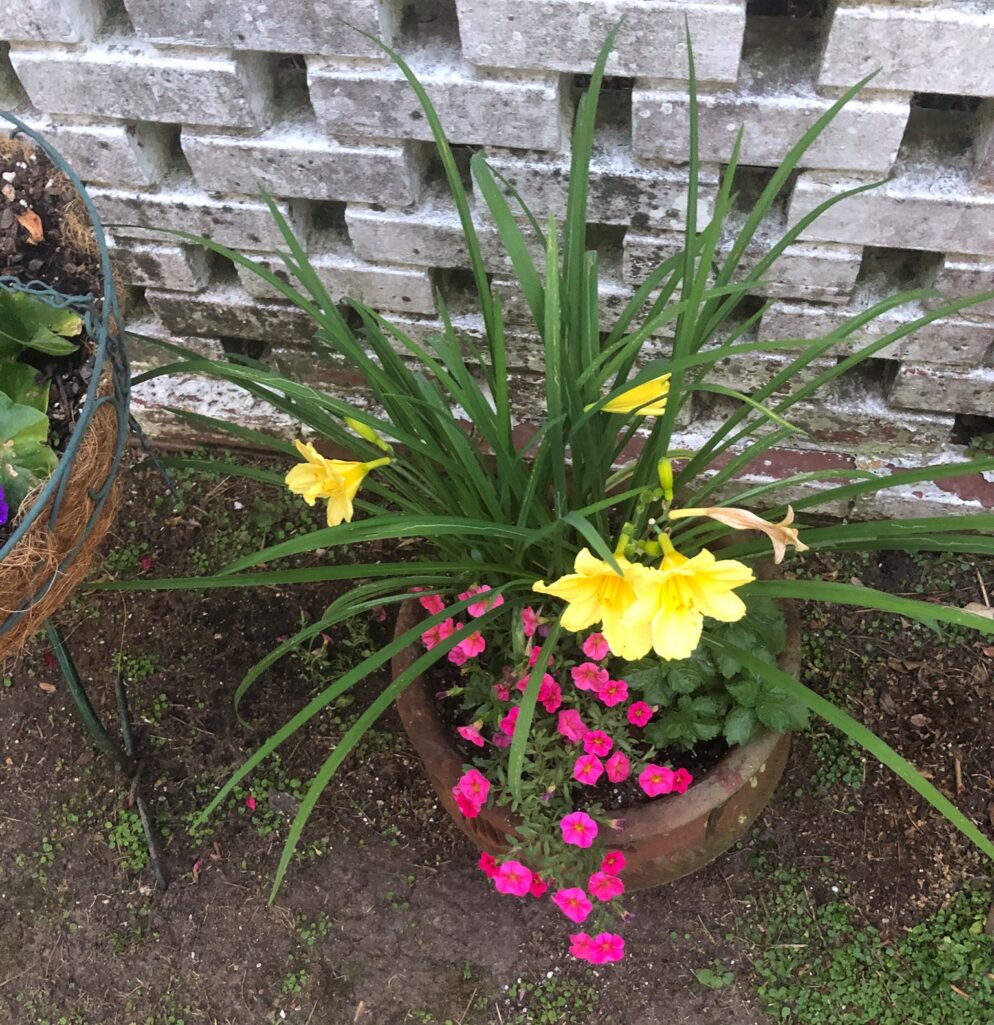
Several years ago, my niece Jennifer was visiting from Tennessee. She brought me a huge pile of daylilies from one of her flower beds. She put them in a plastic bag with the tops poking out of the top. They laid in that spot for weeks when I finally determined where I would plant them. Not only are they thriving, but they are also in full bloom. If that is not resilient, I don’t know what is.
Caring for daylilies
How to grow daylilies? It would be easy to say stick them in the ground and walk away, but there are a few things you can do when caring for daylilies to get the most out of these tough growers. A basic 10-10-10 fertilizer in the spring and during bloom is all you need, though gardeners who specialize in daylily care will recommend more often, as in once a month.
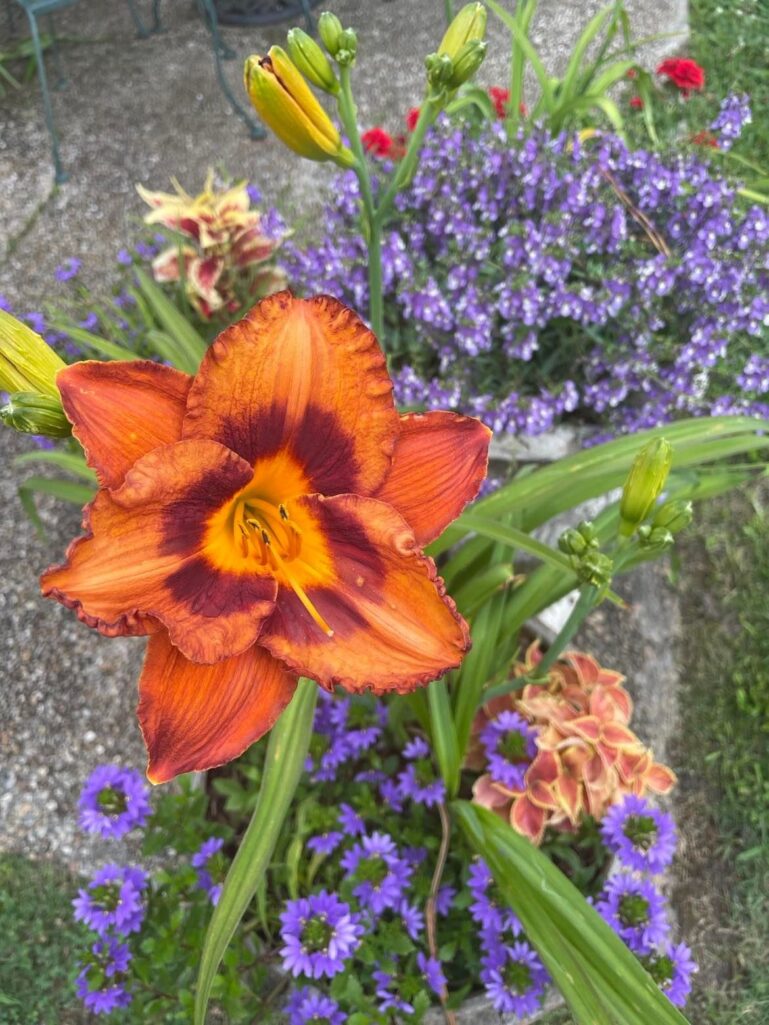
Once established, these hardy plants will tolerate drought. Water as needed. Daylilies perform best if you remove the seed pods. Leaving them on the plant will retard the following year’s bloom.
Stay tuned tomorrow for a daylily event you don’t want to miss.
Don’t miss what everyone in town is talking about.
Join 4,000+ locals and choose our free newsletter covering news, events and the stories shaping our region.