
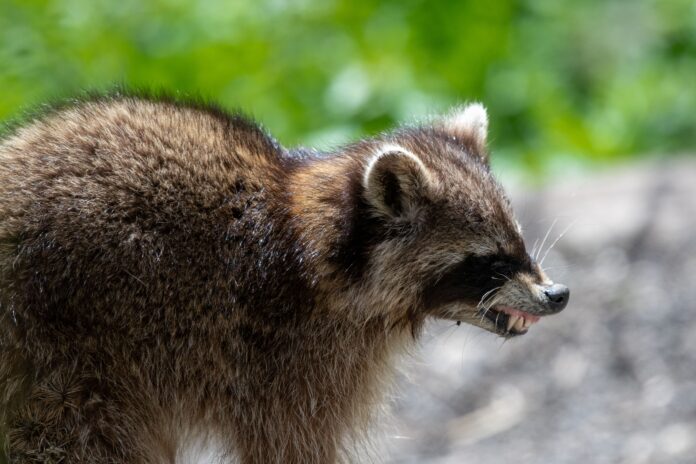
A rabies warning for residents near Warm Spring Road in Columbus has been issued, after a raccoon near the Sonoma Point Subdivision in the area was tested positive for rabies. The Georgia Public Health Laboratory urges residents and visitors in the area to take precautions.
If you know of anyone who may have come in contact with a raccoon:
- Do not pick up or handle any stray or wild animals.
- Report any animal bites and/or scratches to Columbus Animal Services Division and the Columbus Environmental Health Office.
- Contact Columbus Animal Services Division to report any animals which are behaving strangely or aggressively.
- If your pet or livestock is behaving strangely or is injured, contact your local veterinarian immediately.
- Have your dogs and cats vaccinated against rabies.
- If you are bitten or scratched by any animal:
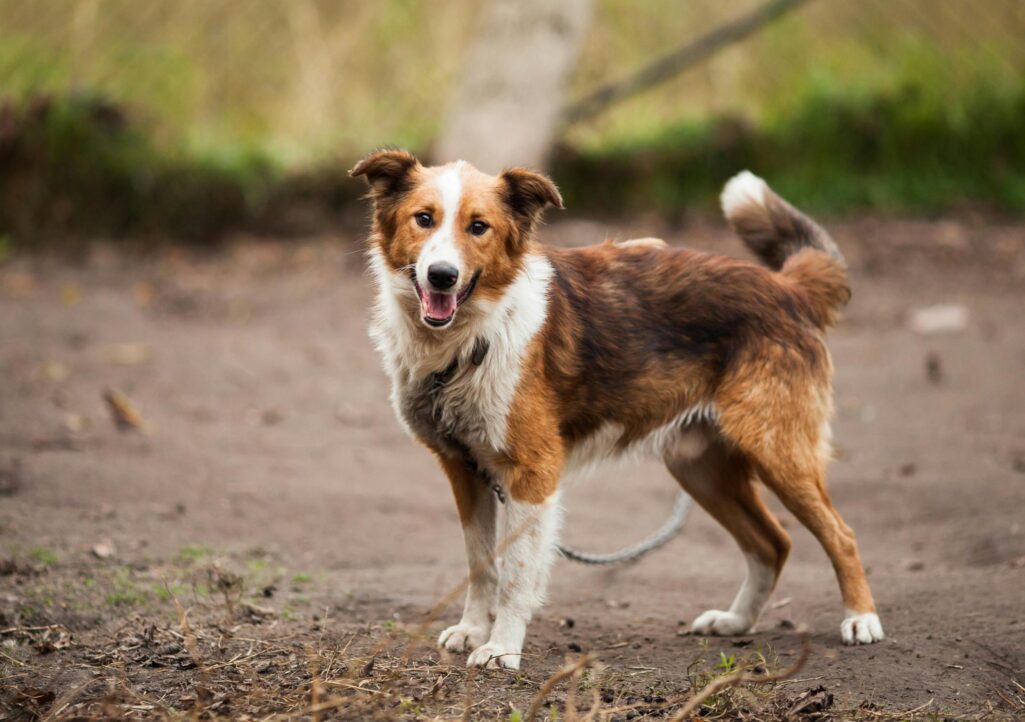
If your dog or cat starts acting strange, call your vet or Columbus Animal Services Division: 706-653-4512. (Photo/Robert Bogdon) - Wash and rinse the wound thoroughly for several minutes
- Âpply a disinfectant
- Seek medical attention immediately
- Report the bite or scratch to Columbus Animal Services Division and the Columbus Environmental Health Office.Columbus Animal Services Division: 706-653-4512Columbus Dept. of Public Health / Environmental Health office: 706-321-6170 Georgia Poison Control: (800) 222-1222Emergencies and After Hours: Dial 911
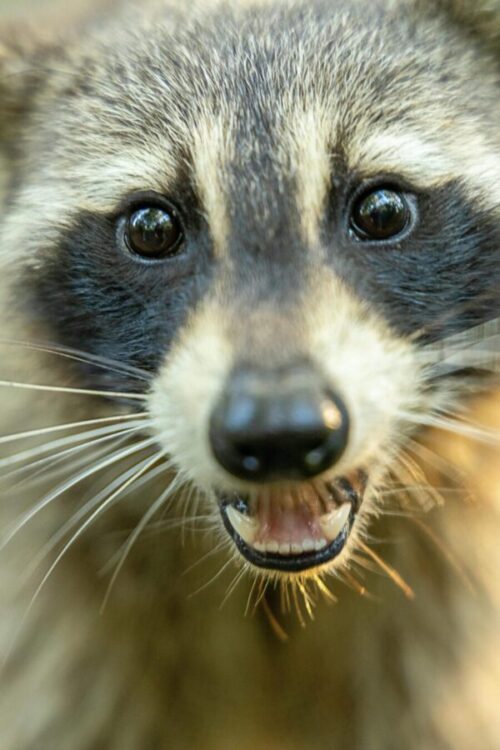
(Photo/Jordan Rushton) Raccoons are the most frequently reported rabid wildlife in the southeast, making up the majority of reported wild animal cases. This is primarily due to several key factors:
- Efficient Transmission: Raccoons are highly social and aggressive when fighting over territory or mates. Because rabies is transmitted through saliva, vicious bite wounds easily spread the virus.
- High Population Density: They adapt incredibly well to urban and suburban environments, living in close quarters. This density allows diseases to spread much faster through the population.
Don’t miss what everyone in town is talking about.
Join 4,000+ locals and choose our free newsletter covering news, events and the stories shaping our region.