
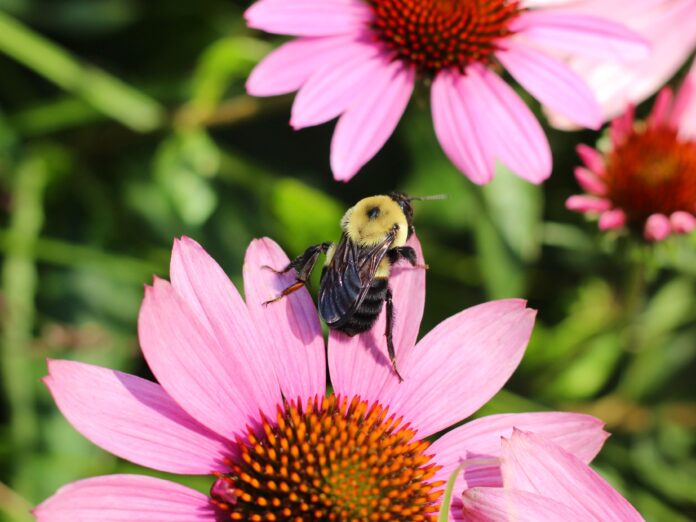
We owe a debt of gratitude to the birds, bees, and butterflies that you might not have considered. They are the pollinators and play a critical role in our food system, helping produce roughly one out of every three bites of food we eat. From bees and butterflies to moths and hummingbirds, these tiny creatures play an essential role in the health of our communities, landscapes, and economy.
June is National Pollinator Month. More than 80% of all flowering plants on Earth need help with pollination, and over 35% of our food crops rely on pollinators to reproduce. Pollinators also contribute to half of the world’s oils, fibers, and raw materials.
A resolution recognizing the importance of pollinators to ecosystem health and agriculture in the United States and the value of support for protecting and sustaining pollinators was designated by Congress in 2007.
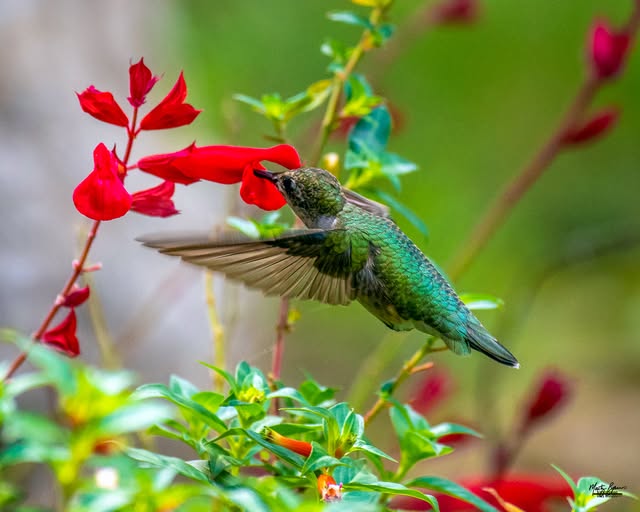
How important are pollinators? Most flowering plants require pollination services from insects, birds, and bats. Others use the wind to carry pollen between plants or have self-pollinating techniques, which don’t require insects to transfer pollen.
Without pollinators, our diets would be bland and nutritionally deficient, our grocery bills would skyrocket, and global ecosystems would collapse. More than 80% of the world’s flowering plants and over 35% of our food crops rely on pollinators to reproduce.
The Impact on Your Plate and Wallet
Billions of dollars are generated through agriculture every year and the key link to this success is the continued conservation of pollinators. While staple wind-pollinated crops like wheat, rice, and corn would survive, our diets would be stripped of essential vitamins and variety.
-
- Fresh Produce Vanishes: Fruits, nuts, and vegetables like avocados, tomatoes, cherries, and pumpkins would become exceedingly rare or disappear entirely.
- Skyrocketing Prices: Because crops dependent on bees and insects would shrivel, the price of surviving fresh produce would skyrocket.
- Meat and Dairy Suffer: Livestock rely heavily on alfalfa and clover, which require seed pollination. Without pollinators, meat and dairy prices would vertically spike alongside produce.
How you can support pollinators
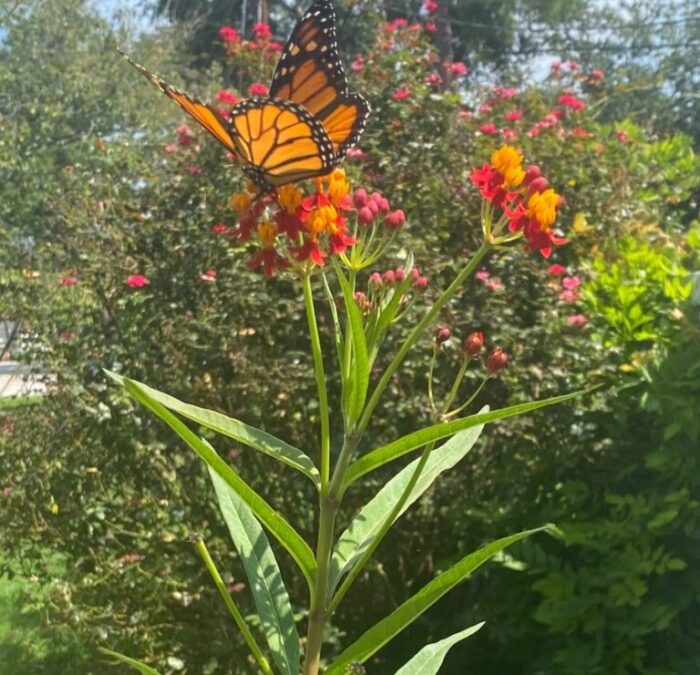
Looking to support pollinators at home? Choose native plants when possible. Columbine, Purple Coneflower, Rudbeckia, Beebalm, Milkweed, and Trumpet Honeysuckle vine are all pollinator favorites. Perhaps consider planting some of them in your garden. Consider leaving a small area of your landscape a little less tidy. Fallen leaves, stems, and other natural materials can provide valuable shelter for pollinators throughout the year.
Butterfly houses and hummingbird feeders also provide a place for our flying friends to rest and eat on their long journeys.
Whether they’re visiting backyard flower beds, community gardens, roadside plantings, or natural areas, pollinators keep our landscapes vibrant and thriving.
Don’t miss what everyone in town is talking about.
Join 4,000+ locals and choose our free newsletter covering news, events and the stories shaping our region.