

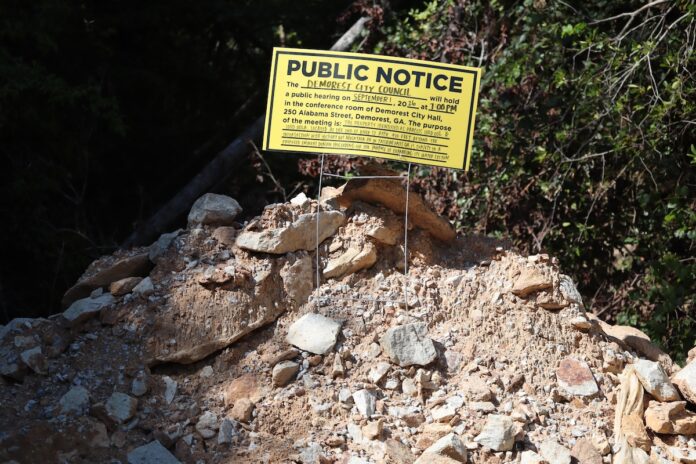
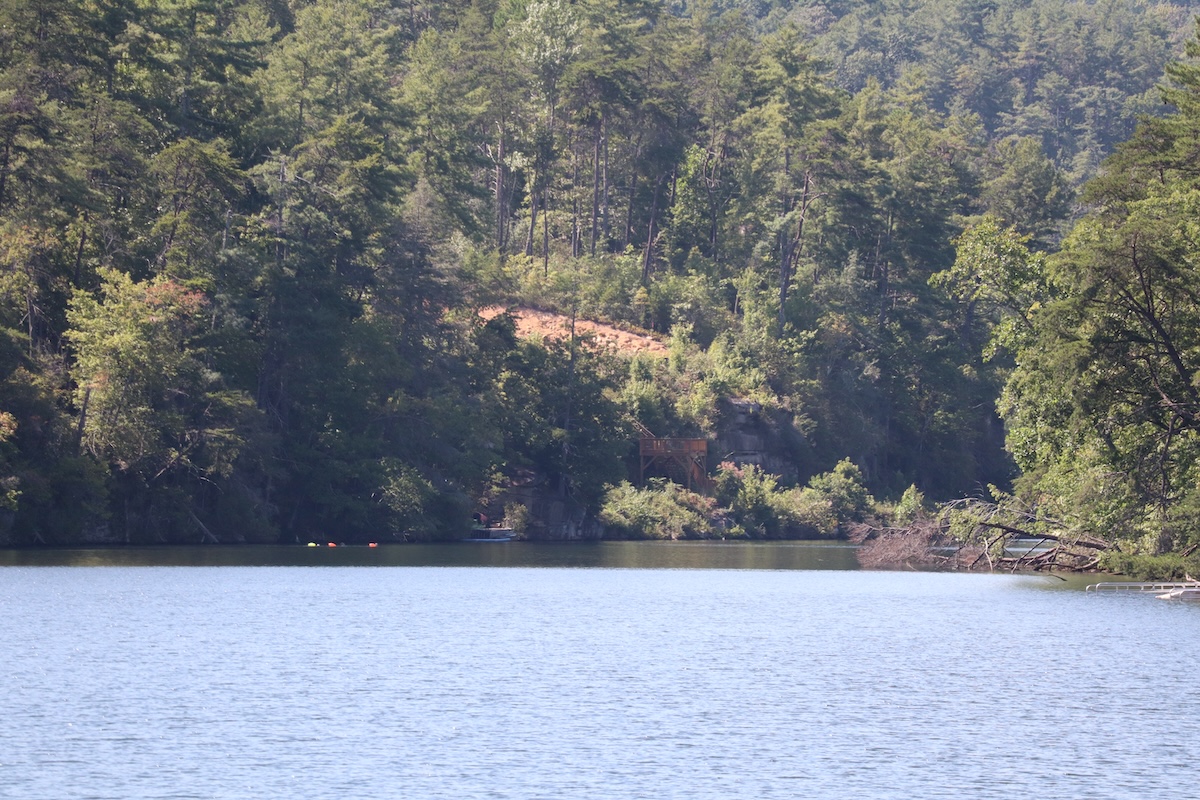
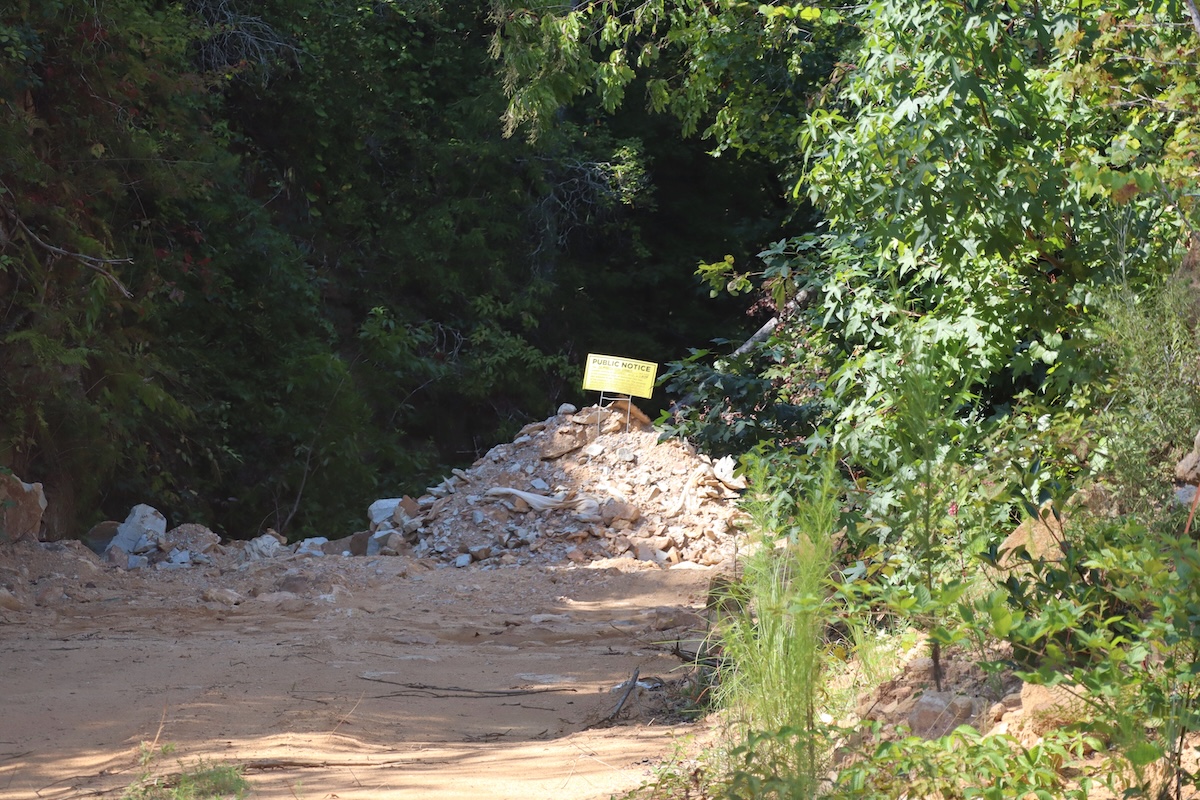
TALLULAH FALLS, Ga. — A yellow public notice stands above a mound of freshly turned earth on the edge of Tallulah Lake, marking property the City of Demorest is seeking to acquire through eminent domain for expansion of its water system.
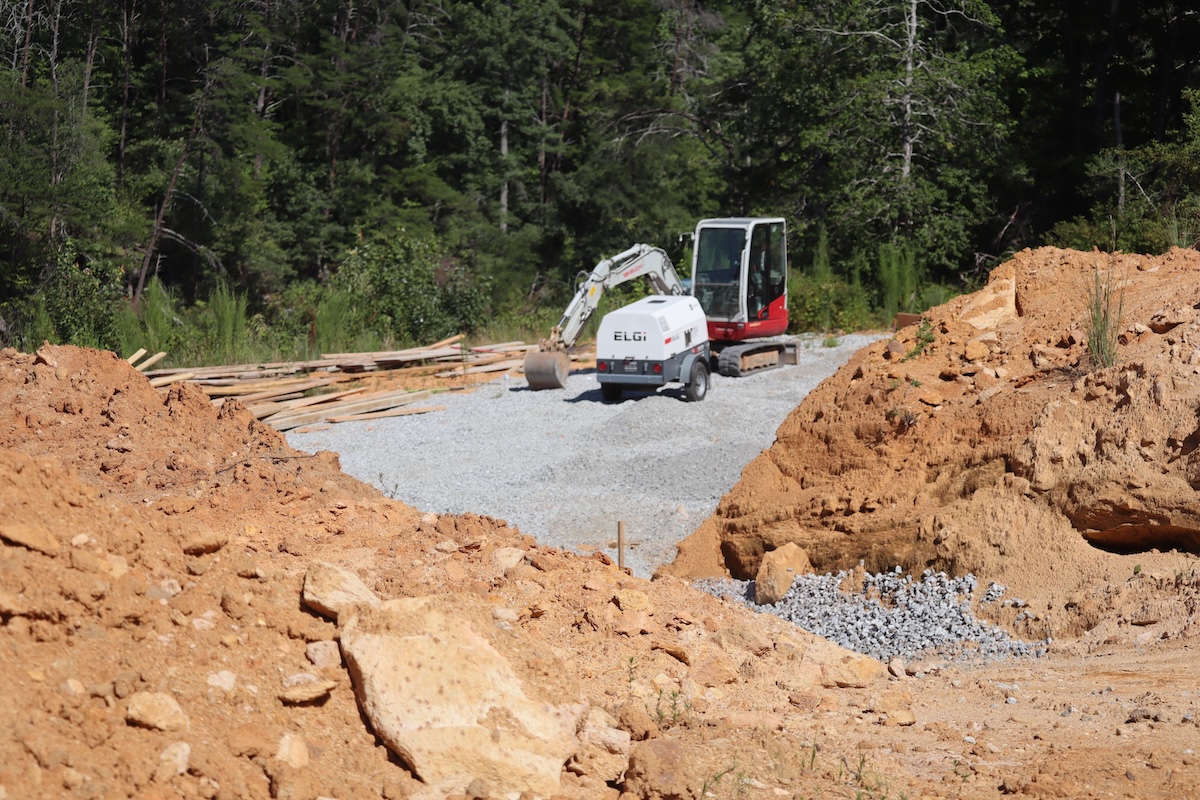
Just to the south, heavy equipment is at work on property owned by the Irvin family, which is opposing Demorest’s effort to acquire portions of two nearby parcels. The juxtaposition underscores the competing interests surrounding the proposal: Demorest says it needs a long-term water source to serve a growing customer base, while the property owners have raised concerns about private property rights, development and the future of the Tallulah Falls area.
At the center of the dispute is a basic question with implications extending beyond the roughly 10 acres Demorest is pursuing: How much water can be withdrawn from Tallulah Lake without affecting Georgia Power’s hydroelectric operations or downstream flows?
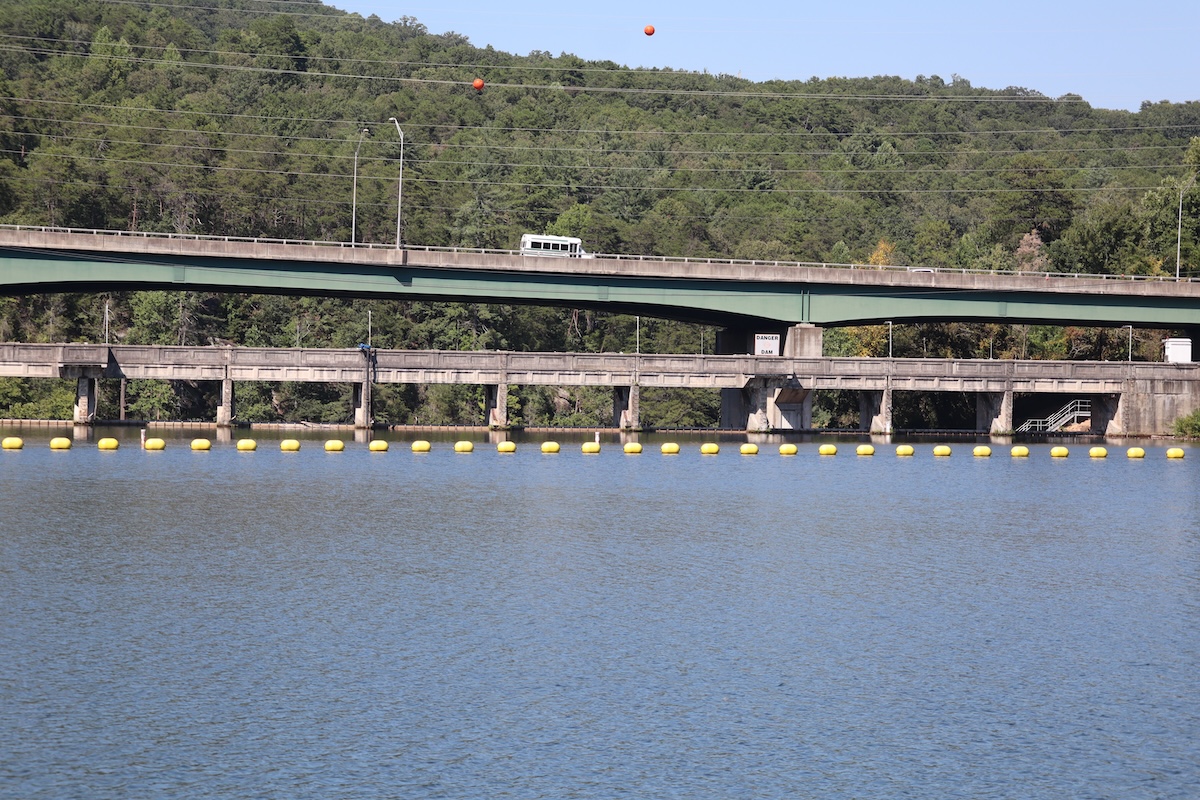
A hydrologist who works for a neighboring state and spoke with Now Georgia on the condition of anonymity because her employer restricts employees from speaking with the media said the lake could be a reasonable water-supply option for the area, particularly because it already has infrastructure for storing and moving water.
“If I was looking at the area and trying to find a water source, and that lake already has a structure in it to store water, I think … let’s see about this lake as a water source,” the hydrologist said.
She cautioned, however, that determining whether the proposed withdrawal would have meaningful effects would require more information about how the lake is operated, how much water is flowing through the system and how much water is being released downstream.
That distinction is important because Demorest’s plans call for considerably more than the initial withdrawal that has been discussed publicly.
City Manager Mark Musselwhite said Demorest does not intend to withdraw 5 million gallons per day immediately. Instead, the city would start at a lower amount and increase withdrawals as additional customers connect to the system. The city’s ultimate goal is to reach 5 million gallons per day, or 5 MGD.
“Ultimately, our goal is to ramp up to 5 MGD,” Musselwhite said.
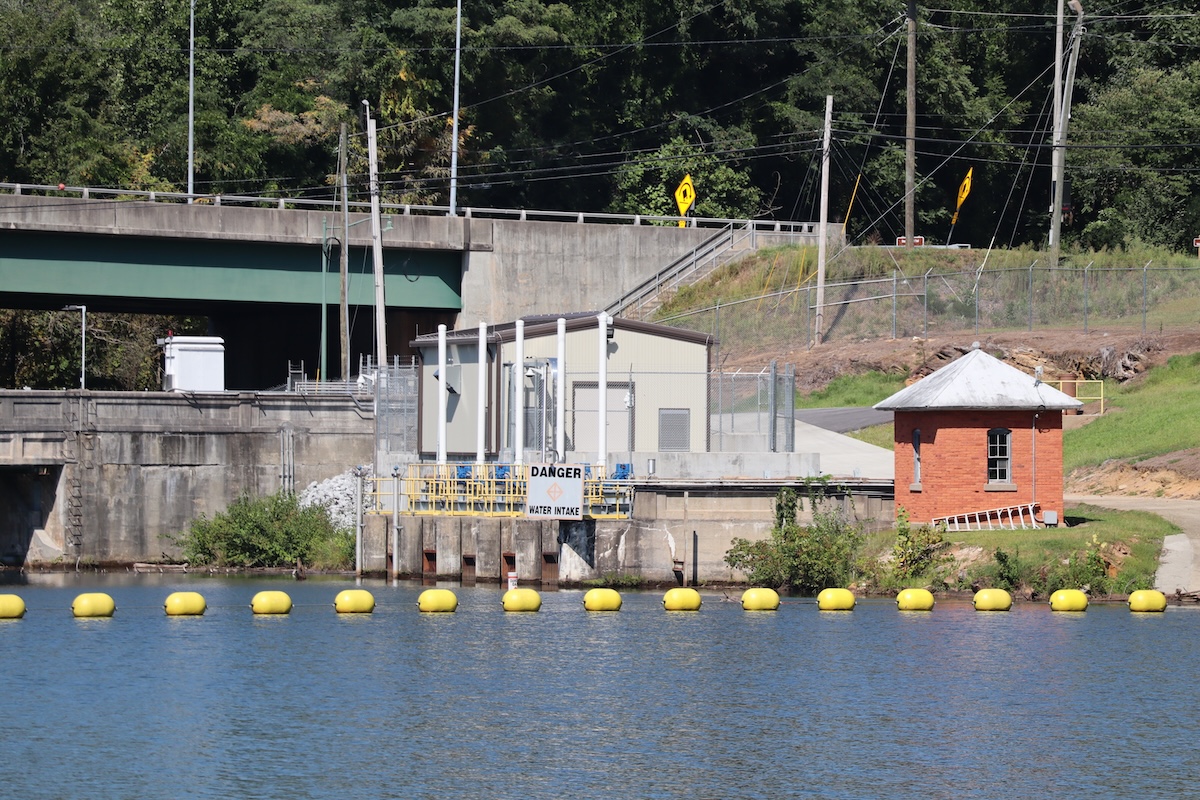
Georgia Power, which operates the Tallulah hydroelectric system, confirmed that the proposed withdrawal is being evaluated as a potential use of the lake’s water resources but emphasized that the reservoir’s primary purpose is electricity generation.
“Tallulah Lake’s primary purpose is to support the daily generation of approximately 72 MW of clean, renewable energy for Georgia’s electric grid,” said Jeremy Spradlin, Northeast Georgia area manager for Georgia Power. “In addition to meeting that important responsibility, the lake has available water resources that may help support surrounding communities.”
Georgia Power said any proposed withdrawal must comply with regulatory requirements. Under the company’s Federal Energy Regulatory Commission license, withdrawals greater than 1 MGD require FERC review and approval, including Demorest’s proposed withdrawal.
The company said the arrangement with Demorest has been under consideration for several years and that it will continue working with the city and regulatory agencies to evaluate the proposal.
What happens downstream?
The hydrologist said one of the most important pieces of information still needed is a better understanding of how much water is moving through Tallulah Lake and downstream through the Tallulah Gorge.
A withdrawal of 1 million gallons per day, she said, can sound enormous to the public but is not necessarily a large amount in the context of a major water system. The potential impact depends on the volume of water flowing into and out of the lake, the way the existing structure is operated and the amount of water being released downstream.
“There’s a lot of questions there,” she said.
Those questions include how much water currently flows downstream from the lake, how much water is being diverted for Georgia Power’s operations and whether the lake’s operation would need to be changed to accommodate Demorest’s withdrawal.
The U.S. Geological Survey operates stream gauges both upstream and downstream of Tallulah Lake. The downstream gauge, station 02181580, has monitored flow through Tallulah Gorge since 1997, while the upstream gauge, station 02181350, has monitored the Tallulah River entering the lake since 2014.
But USGS Public Affairs Lead Jason Burton said the agency does not have enough data to compare Demorest’s proposed withdrawal with typical or drought-period downstream flows.
USGS also said its downstream gauge does not monitor a diversion of water from Tallulah Falls Lake by Georgia Power and directed questions about those flows to the utility.
The hydrologist similarly pointed to the need for more detailed information about the lake’s operations before drawing conclusions about the effects of a withdrawal.
“If they’re going to just change the way that they operate the lake to hold back a little bit more water, or if there’s already a lot of water that’s flowing through that system downstream,” she said, those factors would affect the analysis.
Demorest says water supply is the priority
Musselwhite has described the Tallulah Lake proposal as part of a long-term water-supply strategy designed to serve the region for decades. Demorest’s water system already serves customers beyond the city limits, and officials have said the city is planning for future population growth and water demand.
The city has said it has considered other options and views access to Tallulah Lake as its last remaining viable option for a long-term supply.
The anonymous hydrologist said developing water supplies in that portion of Georgia can be challenging, particularly if a community relies on groundwater. Surface water can therefore be a practical alternative, she said.
The existence of a reservoir and existing water infrastructure makes Tallulah Lake a source worth evaluating, she said, but that does not answer the larger hydrologic questions.
Georgia Power also noted that its agreements with local municipalities have historically provided access to water resources where appropriate. The company said any arrangement must continue to protect the safe and reliable operation of its hydroelectric facilities and comply with FERC requirements.
Property owners oppose condemnation
The Irvin family has taken a sharply different view of the proposal.
Johnny and David Irvin and J&D Irvin Holdings own the parcels Demorest is seeking to acquire. Demorest city attorney, Thomas Mitchell of Carothers & Mitchell, sent the family a formal notice Aug. 11 stating that the property was subject to a proposed condemnation by the city.
Clint Irvin has also organized an online petition opposing the city’s effort. The petition, titled “Protect Tallulah Falls: No Eminent Domain for Demorest’s Water Expansion,” argues that the proposal threatens private property rights, local control and the character of the Tallulah Falls area.
Irvin has said the family is concerned about the impact of the city’s proposal on the area and has questioned why a Habersham County city should use eminent domain to acquire private property in Rabun County for its water system.
The physical landscape illustrates another layer of the dispute. While the wooded property marked for potential acquisition remains largely undeveloped, construction is already underway on Irvin-owned property immediately to the south.
The Irvin family has pointed to preservation and the character of the area in opposing Demorest’s proposal. At the same time, the ongoing development provides visible evidence that the surrounding property is not entirely untouched.
That does not, by itself, resolve the competing arguments over what Demorest’s water project would mean for the area. It does, however, provide context for a debate that involves both the future use of private property and the future use of the lake itself.
Public hearing moved
The public hearing on Demorest’s proposed eminent-domain action has been rescheduled from Sept. 1 to 6 p.m. Sept. 16 at the Demorest Municipal Conference Center and Court, 250 Alabama St.
The hearing concerns parcels 100D 006 and 100D 006A, located at the end of River Street, approximately 430 feet beyond the intersection with Hickory Nut Mountain Road in Tallulah Falls.
The city has not yet made a final decision to condemn the property. Under Georgia law, the condemnation process includes opportunities for the property owners to challenge whether the taking is for a public use and whether the government has the legal authority to exercise eminent domain.
For now, the technical questions surrounding the water withdrawal remain largely unanswered.
The USGS has data showing how water moves into and through the Tallulah system, but said its existing data is insufficient to determine how a Demorest withdrawal would compare with downstream flows. Georgia Power has information about the water it diverts and the operational requirements of its hydroelectric system.
And the anonymous hydrologist who reviewed the proposal from a water-resources perspective said the lake may indeed be a feasible source — but that the numbers behind the proposal matter.
A million gallons a day may sound like a lot. Five million sounds like considerably more. Whether either figure would materially affect Tallulah Lake or the water flowing downstream cannot be determined from the information currently available.
That is the question Demorest, Georgia Power and regulators will ultimately have to answer as the city seeks to secure a water supply for the decades ahead.
Don’t miss what everyone in town is talking about.
Join 4,000+ locals and choose our free newsletter covering news, events and the stories shaping our region.