
The nights are warm, the fireflies are out, and it’s the best time of year for stargazing.
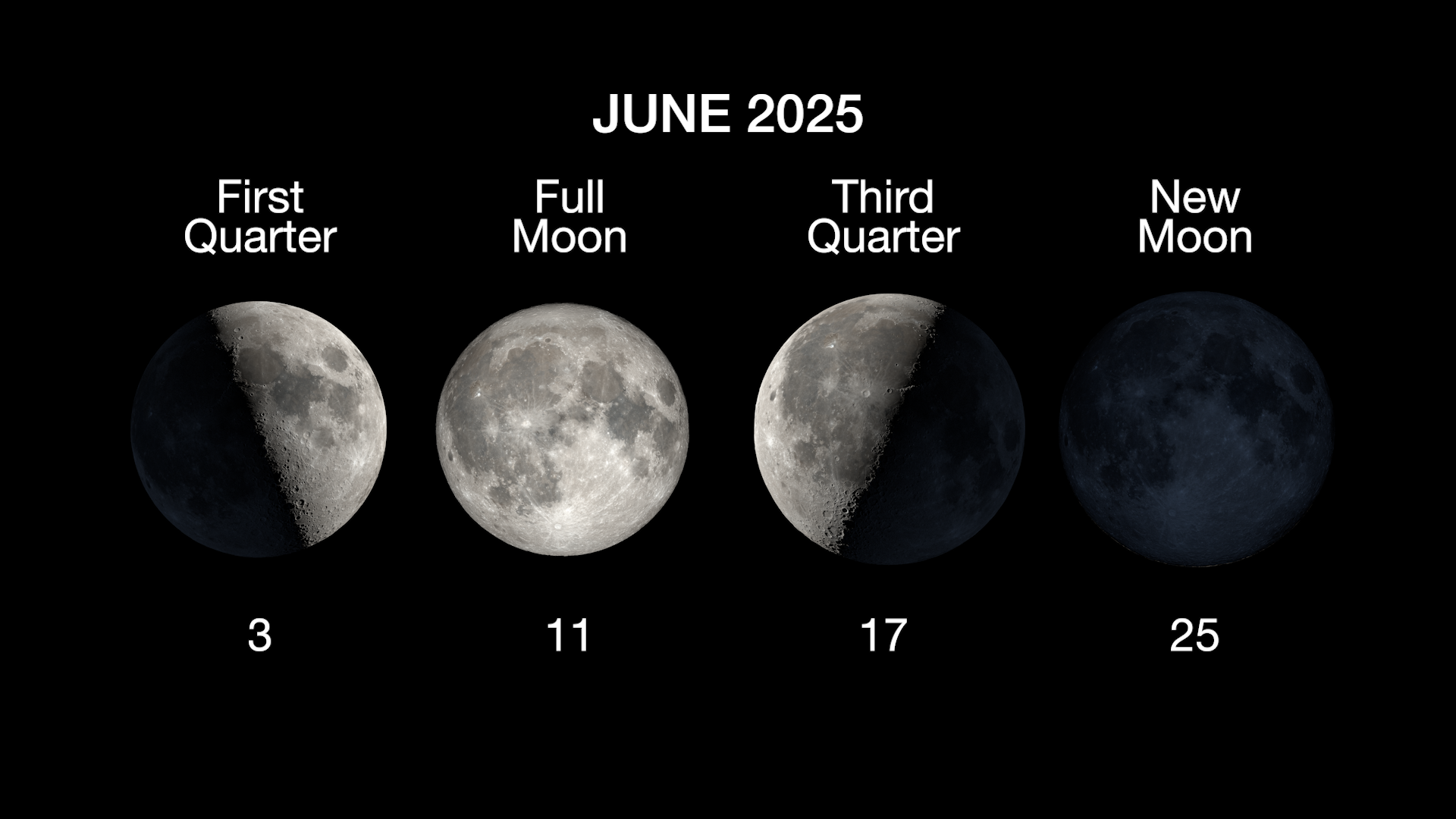
It is a pretty quiet month but there are a few things to check out this month. The moon will be a highlight through mid-month when the Full Strawberry Moon occurs on the 11th. The name “Strawberry Moon” comes from, you guessed it, the fact that strawberries make across much of the US by the middle of June.
The visible planets are mostly near conjunction with the sun this month. Mars remains visible each evening but sets around midnight. Venus remains a very bright morning star, with Saturn joining nearby early in the month. Jupiter is invisible for most of the month and Mercury is in the sun’s glare until the very end. There are some nice conjunctions to take a peak at, however.
Moon meets planets
The first lunar conjunction of the month will be very impressive, and also invisible to us. The moon will pass extremely close to the bright star Spica on June 6th, but it will do so below the horizon. You will, however, be able to catch it still nearby both on the nights of the 5th and 6th. Spica is a bright, bluish star in the constellation Virgo. It will be near the bright star Antares just a few days later on the 10th, once again having a very close encounter below the horizon.
The moon will have a series of conjunctions towards its 3rd quarter phase mid-month. You can find it right next to Saturn on the 19th in the morning sky as you head out for work. For those with a small telescope, this would be a great time to try and find Neptune, as it will be nearby Saturn and between Saturn and the moon. Just 3 days later the moon will be near Venus on the morning of the 22nd.
Summer arrives
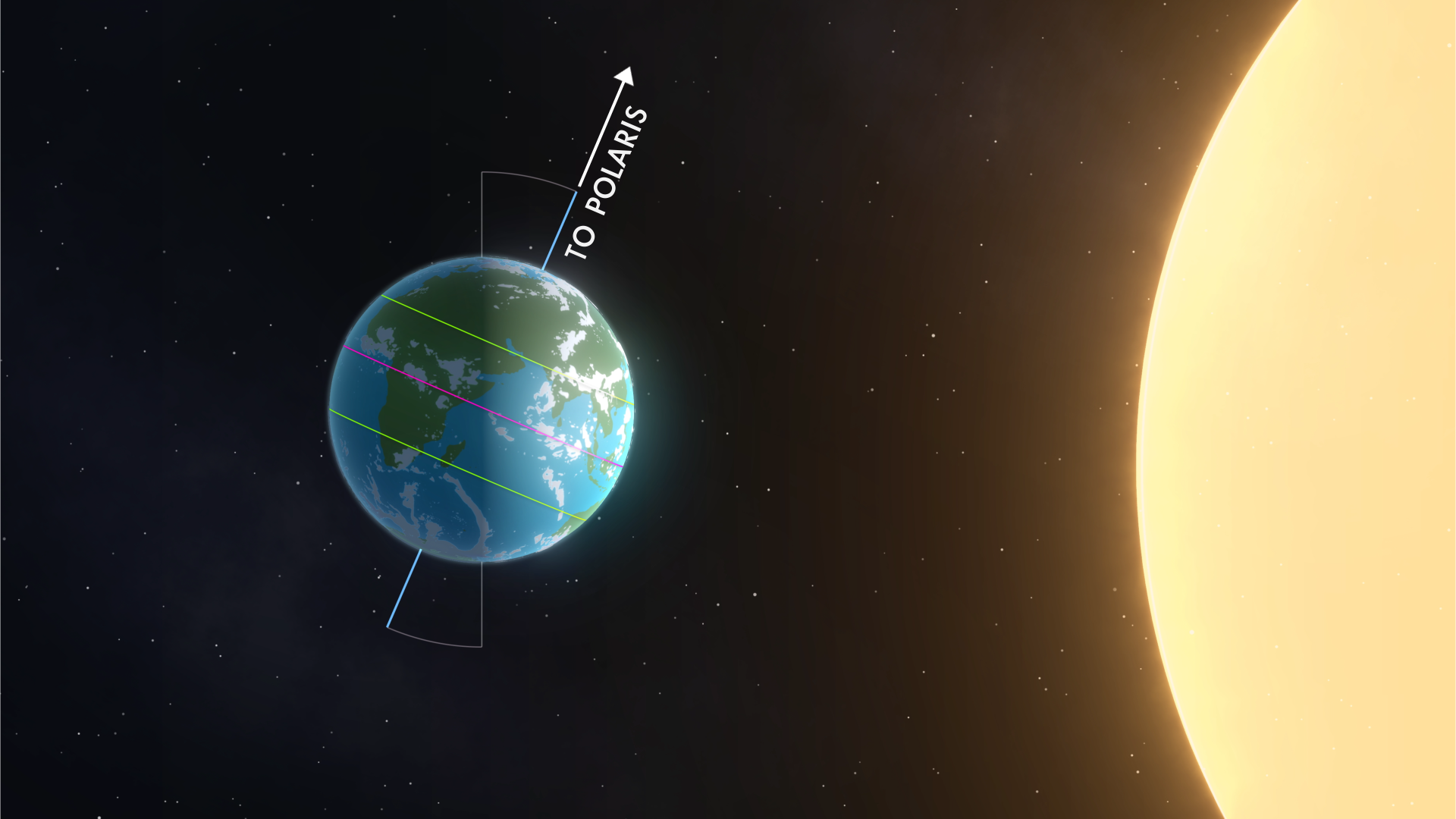
The summer solstice occurs on Friday, June 20th at 10:41PM ET. This official start to summer occurs when the Northern Hemisphere’s tilt is at it’s greatest. We see our longest days of the year around the solstice, along with the highest sun angle during the afternoons.
Milky Way season
June is also the unofficial start of “Milky Way season” for night sky photographers. This month the Milky Way’s core will begin to rise out of the east around sunset. By August/September this diffuse cloud of white, easily seen when in dark skies away from city lights, will be high in the sky at sunset. Most of the great Milky Way photos you see include the core, which is naturally the brightest part with the most stars. I highly encourage everyone to get away from light pollution and view the Milky Way at some point, it is truly breathtaking to look up and see it stretching across the sky. You quickly understand where the name “milky” comes from.