

Spring planting is in full swing and so are hummingbird sightings. The migration began last month with the flock, also referred to as a bouquet, a glittering, a hover, a shimmer, or a tune, now diving into feeders and flowers in yards across the south. Have you seen a hummer in your neighborhood?
The tiny magical birds are also very intelligent and athletic. During migration, hummingbirds fly by day and fly low, allowing the birds to see, and stop at, food supplies along the way. They are also experts at using tailwinds to help reach their destination faster and by consuming less energy and body fat. Research shows a hummingbird can travel as much as 23 miles in one day.
Feed the hummingbirds and they’ll return the favor
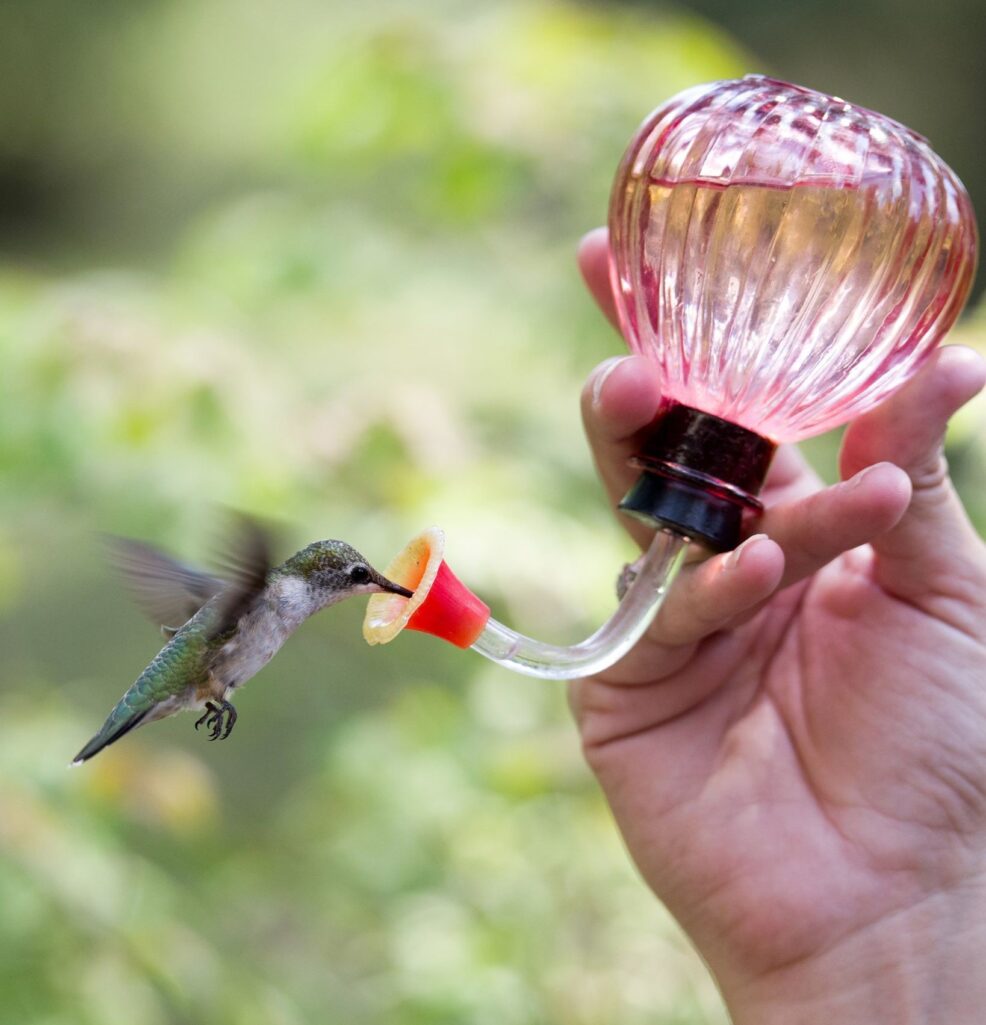
If you want to make sure they visit your yard, feed them. Their sight is particularly acute in the red end of the spectrum, which is why hummers are especially attracted to plants with bright red flowers such as bee balm, geraniums, crocosmia, hibiscus, columbine and trumpet vine.
If you have hummingbird feeders, here are the directions for filling them:
Mix 1 part sugar with 4 parts water (for example, 1 cup of sugar with 4 cups of water) until the sugar is dissolved. Let cool.
- Do not add red dye.
- Fill your hummingbird feeders with sugar water and place them outside.
- Extra sugar water can be stored in your refrigerator.
When spring turns to summer and the temperatures heat up, you’ll need to change out the nectar after two to three days.
Hummingbirds can recognize and remember the specific humans who feed them. Thanks to their exceptional memory and brainpower, they associate individual human faces with a reliable food source, sometimes even hovering near or following people when feeders are empty.
The hummingbird whisperer
Most folks in the Chattahoochee Valley know Sam Ruffner as a musician and founder of the River City Horns. He is that and more. Some would call him a hummingbird whisperer for the sheer number of hummers that visit his yard annually. Depending on your faithfulness in filling feeders, they can be year-round visitors. His love for hummingbirds started with his mother.
“My dear mother fed hummers and I started feeding them about 40 years ago, as I loved what she did. I do it now, not only for my friends and family’s enjoyment of these beautiful creatures, but, in part, in memory of my mother.”
While many of us might not embrace Sam’s dedication to attracting hummingbirds, it has obviously produced a very inviting environment. The numbers of visitors during the peak times of spring and summer are astounding! And not only do they return every year, but sometimes one or two come year-round, even in the winter.
“I saw my first non-season hummer on January 6, 2008. I looked out at my lone winter feeder and there was my new girlfriend. She has fed here every day since, no matter how cold. She shows up every morning when the sun comes up and several times during the day. She usually feeds for a few minutes at a time, being that the feeder is uncontested. I run to assure that her feeder is not frozen every morning and keep her nectar fresh as I feel somewhat responsible for this brave (or stubborn) hummer!”
Sam’s devotion to hummingbirds is a labor of love. He has about 20 feeders which he fills with about two gallons of nectar each day. The recipe is the simple one above, one part sugar to four parts water. If you are doing math, that’s about 300 lbs. of sugar during the year!
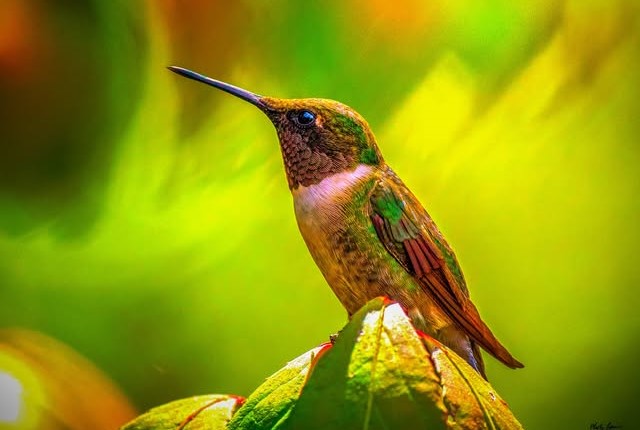
While you may not reach that level of commitment to hummingbirds, planting just a few of their flowering favorites or hanging a couple of feeders should ensure some daily visits. They are viewed as symbols of joy, love, and energy, with many identifying them as friendly, intelligent backyard visitors.
Don’t miss what everyone in town is talking about.
Join 4,000+ locals and choose our free newsletter covering news, events and the stories shaping our region.