
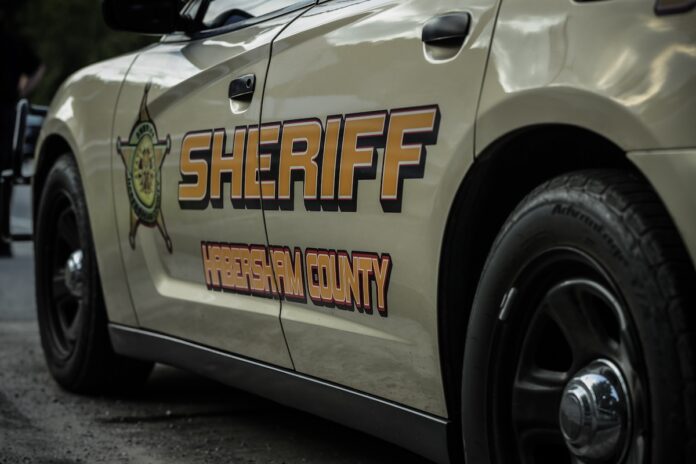
HABERSHAM COUNTY, Ga. – A Habersham County deputy sheriff has been suspended following a collision during an emergency response on January 22, an incident that has prompted a broader look at patrol vehicle safety, liability, and training.
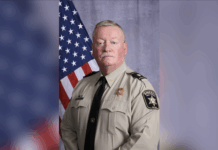
Deputy Christian Brewer was responding to a high-priority call involving a person holding a gun to their head and making threats when his patrol vehicle was struck at the intersection of Pea Ridge Road and Duncan Bridge Road. Brewer, who had his emergency lights and siren activated, proceeded through the intersection where another vehicle—entering on a green light—struck his car.
The deputy stated he did not see the other vehicle. Following an investigation by the Georgia State Patrol (GSP), which found the deputy at fault, Brewer received a two-day suspension without pay and was ordered to undergo re-training on due regard and emergency vehicle operation. Brewer has served with the agency since May 2024.
Understanding Due Regard
The term “due regard” is central to the disciplinary action taken in this case. According to Now Habersham Crime Reporter Kevin Angell, an 18-year law enforcement veteran and Emergency Vehicle Operations Driving Instructor, the concept is often misunderstood by the public.
“Lights and sirens aren’t just to warn other drivers,” Angell explains. “Due regard is essentially the law enforcement vehicle using its lights and siren to ask the permission of other drivers to violate their right of way.”
Angell notes that while officers are trained to pause and “clear” intersections even when responding to emergencies, the environment is dynamic. “Changes in the speed of vehicles, their presence, and their direction of travel happen quickly,” he said.
He also highlighted the intense cognitive load placed on deputies during these high-stress moments. “If you think the lights and siren are a distraction or annoyance, imagine being closer to them and trying to make safe decisions with light flashback and auditory exclusion due to a blaring siren,” Angell added.
Despite the challenges, Angell noted that the suspension and follow-up training are standard procedures designed to reduce future risk.
Agency Response and Liability
Habersham County Sheriff Robin Krockum addressed the incident, emphasizing the balance between public safety and transparency.
“With the number of miles our deputies travel per year, the likelihood of these crashes also increases,” Sheriff Krockum said. “Driving, especially emergency driving, is one of the highest liability issues we face in law enforcement. We train in topics like due regard and emergency vehicle operations each year. We strive to be transparent and accountable to our citizens for our actions. We recognize that any traffic crash involving a law enforcement vehicle raises valid concerns within the community. When incidents occur, they are reviewed thoroughly and appropriately, consistent with department policy and applicable laws.”
2025 Accident Context and Trends
Data released by the Sheriff’s Office supports the assessment that, while high-profile, emergency response crashes are relatively rare for the agency. Based on the “2025 Accident Stats” document covering January 1, 2025, to January 22, 2026, the agency’s driving record remains within expected safety standards given its exposure.
Operational Exposure: The fleet of 76 vehicles traveled 1,365,000 miles in 2025, averaging roughly one crash every 48,750 miles.
Low Frequency of Emergency Crashes: Out of 28 total crashes recorded, only three (including Brewer’s) were categorized under “Emergency Response” involving lights and sirens.
Common Causes: The most frequent causes of accidents were Deer Collisions (8 incidents) and incidents involving Fleeing Suspects or being Struck by Others (6 incidents each).
Financial Impact
The total cost paid by the county for accidents in this period was $73,985.95, though much of this was driven by factors outside the deputy’s control.
“Freak Accidents”: A single incident on June 7, where a tree fell on a vehicle during a storm, cost $38,000—more than half the total accident costs for the period.
Deer Strikes: Cumulative repairs for deer accidents totaled $19,515.31.
Deductible Issues: With the insurance deductible rising from $5,000 to $10,000, the county now bears the full cost for many moderate repairs, such as deer strikes and hydroplaning incidents that typically cost between $4,000 and $5,500.
Accidents where deputies were clearly “At Fault” (excluding hydroplaning) accounted for only $6,753 of the total damage, often stemming from low-speed errors like backing into vehicles or striking mailboxes.