
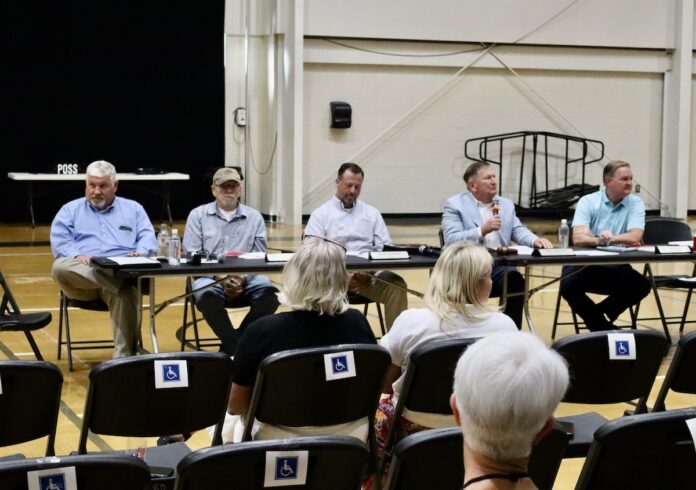
CLARKESVILLE — Habersham County officials on Wednesday presented a revised version of the county’s proposed unified development ordinance (UDO), highlighting major changes to lot sizes, data center regulations and subdivision rules while telling residents the document continues to evolve in response to public input.
The meeting, held at the Ruby C. Fulbright Aquatic Center, came more than a month after a packed first town hall in April that drew heavy criticism of earlier drafts. County leaders said the updated proposal reflects extensive revisions made since that session.
Commission Chairman Bruce Harkness said the effort is aimed at preparing for future growth while preserving the county’s rural character.
“We’re trying to get ahead of what’s coming,” Harkness said.
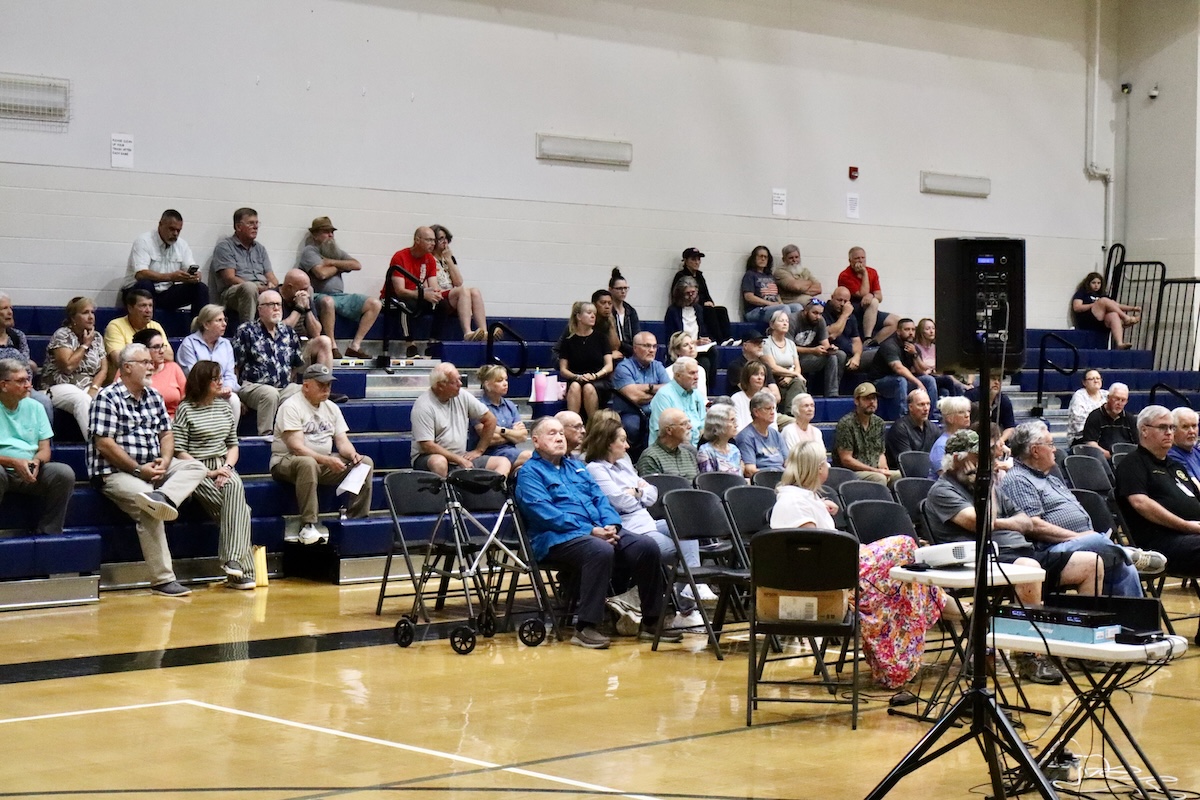
Revised ordinance reflects major changes
Planning and Zoning Director Mike Beecham walked residents through changes made since April, including the removal of a proposed five-acre minimum zoning category and revisions to lot-size requirements across districts.
Beecham said agricultural areas would generally require three-acre minimum lots, while a newly created rural residential district would require two-acre lots. Other residential districts would generally allow one-acre minimums.
He also said the county reduced minimum home size requirements for new subdivisions to 1,200 square feet, down from earlier proposals of 1,800 and 1,400 square feet.
Beecham defined minor subdivisions as three lots or fewer and major subdivisions as four or more, noting that family exemption subdivisions would fall under the minor category.
The updated proposal allows property owners to create up to three one-acre lots for immediate family members regardless of zoning district minimums, provided they are recorded as family-use parcels.
Data center restrictions expanded
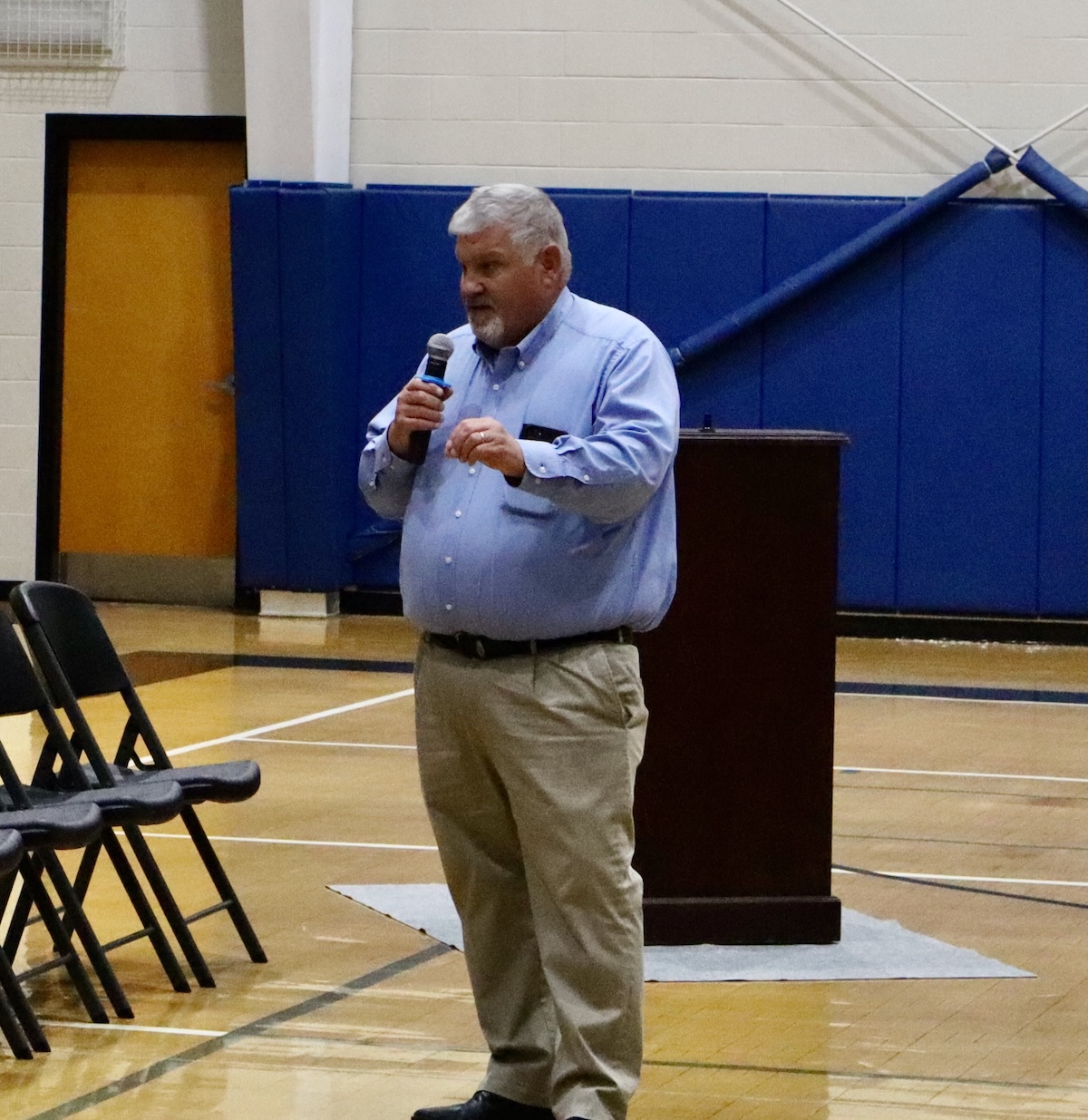
A central focus of the revised ordinance is a new framework for regulating data centers, which Beecham said are currently permitted under existing regulations without specific limits.
Under the proposed changes, data centers would be allowed only in general industrial districts and would require approval from the Board of Commissioners rather than being permitted by right.
Beecham said applicants would be required to submit detailed information on water and electricity use, conduct noise studies and hold additional public meetings with nearby property owners notified within a half-mile radius. He also said operators would be required to use closed-loop cooling systems and submit decommissioning plans.
“One of our issues is water, right now, for residential use,” Beecham said.
Several residents during the public comment period urged commissioners to strengthen oversight and enforcement provisions related to data centers, including long-term monitoring and protections in the event of bankruptcy or project abandonment.
Residents focus on enforcement, farmland and growth
Public comments largely centered on how the ordinance would be enforced and how it would shape long-term growth in the county.
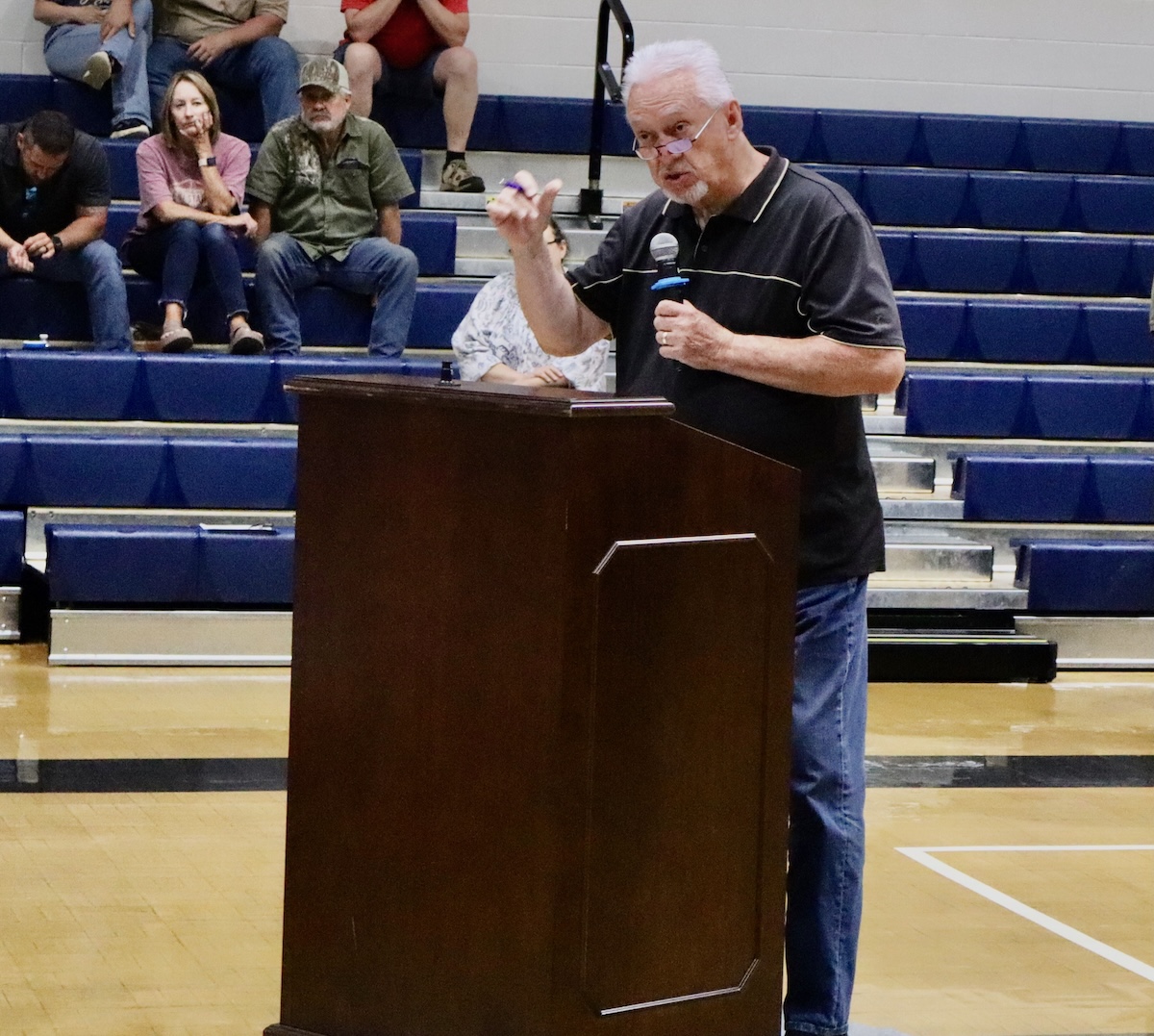
Larry Shedd urged commissioners to extend the county’s development moratorium to allow more time for public review and questioned how the ordinance would be administered. Beecham said he did not anticipate the need for additional staff to enforce the updated rules.
Shedd also called for stronger data center regulations.
“I do recommend that you make the data center thing as strong as you can,” he said.
Chip Brooks, president of the Habersham County Farm Bureau, said the organization supports efforts to balance growth with farmland preservation and warned that continued residential development could reduce agricultural land.
“This is not about stopping growth. It is about balancing growth while protecting farms,” Brooks said.
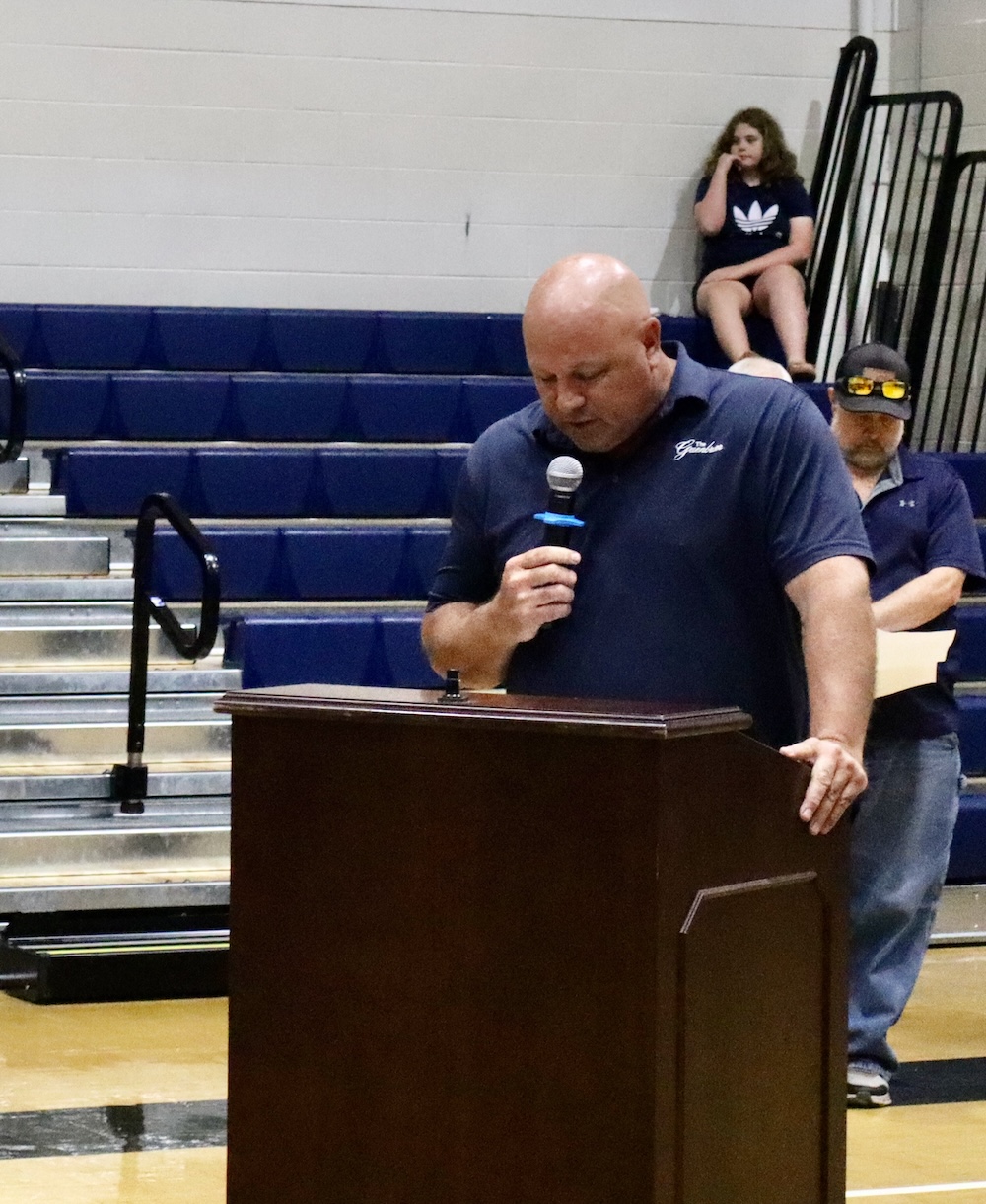
Other residents raised concerns about subdivision design, infrastructure impacts, utility costs and the long-term effects of development on community character.
Former Baldwin City Council member Alice Venter urged officials to focus not only on preserving farmland but also on sustaining agriculture as an industry.
“Protecting farmland and farmers is different than protecting agriculture,” Venter said.
Jason Smith, a member of the county’s planning board, said additional information is needed before approving major projects, including potential impacts on utilities, infrastructure and surrounding property owners.
“We need to have the knowledge on how to make a decision,” Smith said. “I think our ordinance right now falls a little short on that.”
Officials emphasize long-term planning
Commissioners repeatedly described the ordinance as a framework for managing expected growth rather than limiting it.
Harkness said officials are also considering an impact fee study that could require new development to help pay for infrastructure costs associated with growth.
“I believe it’s immoral and wrong, and should be a crime to raise your taxes so other people can move here,” he said.
Commissioner Kelly Woodall said the ordinance reflects an effort to plan ahead.
“What we do today is going to affect what we do tomorrow and what we’ll become,” Woodall said.
Open house planned
Beecham said county staff will host an open house next week where residents can review maps and proposed zoning changes specific to individual properties.
The open house will be held Thursday, June 11, 2026, in the second-floor conference room of the Habersham County Administration Building at 130 Jacobs Way in Clarkesville. Residents may attend at any time during designated hours from 9 to 11 a.m. or 6 to 8 p.m.
Staff will be available to answer questions and explain how the proposed ordinance could affect individual parcels.
Officials said the format is designed as an informal, walk-in session rather than a formal public hearing.
Don’t miss what everyone in town is talking about.
Join 4,000+ locals and choose our free newsletter covering news, events and the stories shaping our region.