
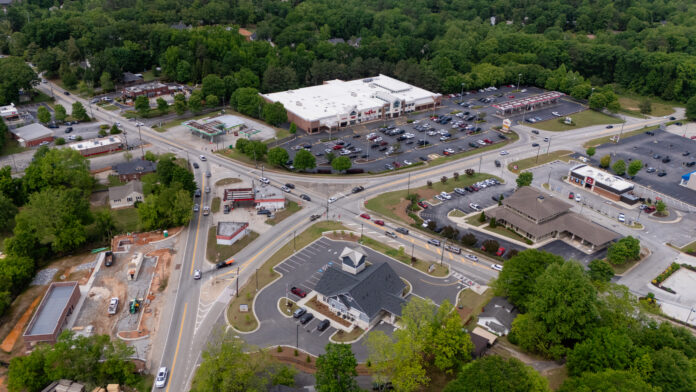
CLARKESVILLE, Ga. — A long-planned roundabout at the intersection of GA 197 South and GA 385/17 in Clarkesville is moving forward. The Georgia Department of Transportation (GDOT) this week announced it awarded a $3.3 million construction contract to CMES, Inc. of Norcross to oversee the project.
Contractors will construct a roundabout and install Video Detection Systems to improve traffic monitoring and operations, GDOT said. The total construction cost is $3,365,160. The project is expected to be completed by Sept. 30, 2028, weather and on-site conditions permitting.
Why a roundabout?
Crash data shows that between 2012 and 2016, there were 40 accidents at this particular Clarkesville intersection. Thirty-five of those crashes resulted in property damage, and five resulted in injuries.
GDOT conducted a feasibility study in August 2017 to evaluate ways to address the intersection’s crash history. The study examined both a traffic signal and a roundabout before recommending a single-lane roundabout as the preferred option.
The roundabout will replace the current four-way stop and red light that control traffic about a mile south of downtown Clarkesville. GDOT officials say a roundabout will reduce the number and severity of accidents, alleviate congestion, and improve pedestrian and bike access by reducing speeds.
According to the Federal Highway Administration (FHWA) Office of Safety, converting the intersection from an all-way stop to a single-lane roundabout is expected to reduce injury- and fatal-crash rates by 88%.
‘This has been a long struggle’
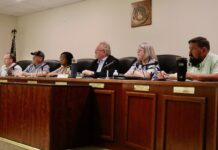
The contract award comes months after the Clarkesville City Council unanimously approved an agreement with GDOT to relocate city utilities tied to the project. Then-City Manager Keith Dickerson described the work as both a transportation improvement and an opportunity to modernize aging infrastructure.
Under the utility relocation agreement, the total cost of the water and sewer work is estimated at $730,876, with GDOT covering 60% of the expense and the City of Clarkesville responsible for the remaining 40%, or about $292,000.
The utility upgrades are expected to improve water and sewer service around the intersection by tying smaller lines into a larger main and removing lines currently running through the intersection.
“This has been a long struggle,” Dickerson said after the city council approved the contract last November. “But it’s going to happen, and it’s going to be a real benefit for the city.”
What will it look like?
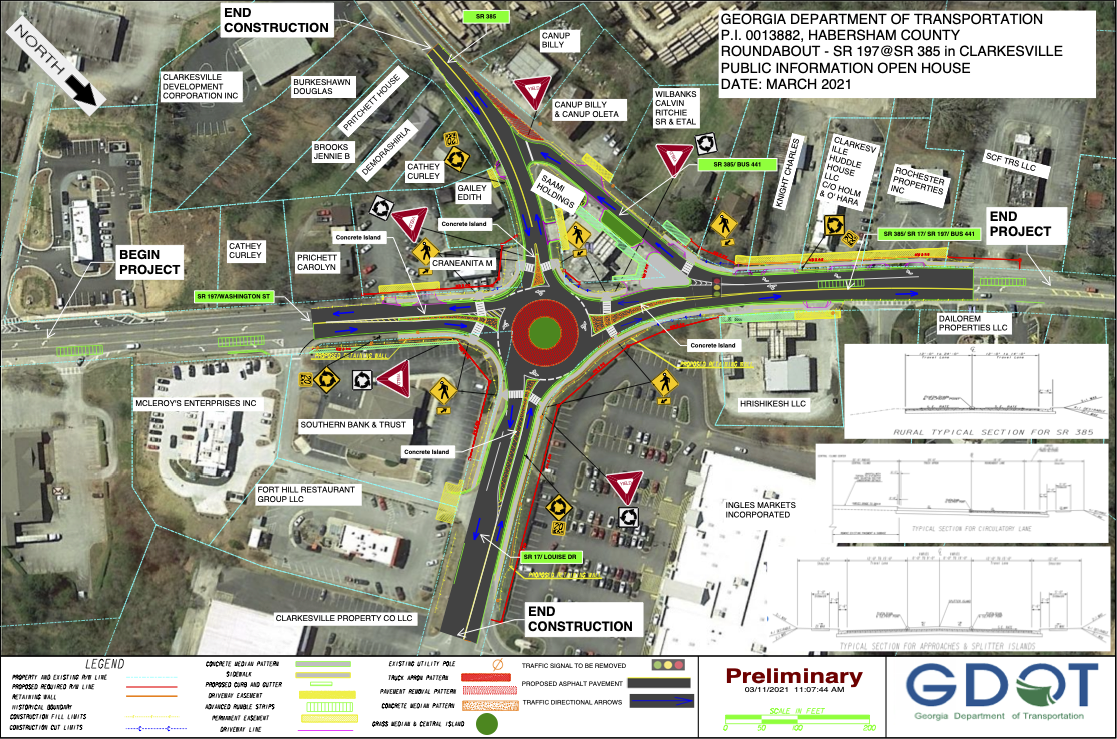
Plans call for a single-lane, 130-foot-wide diameter with a landscaped grassy center island. The design includes a 19-foot-wide circulating lane and a 23.5-foot-wide truck apron to allow large trucks to safely navigate the roundabout.
In addition, advanced rumble strips will be placed at the beginning and end of the project along GA 197. The roadway approaches to the roundabout will consist of 12-foot travel lanes with curb and gutter and sidewalks along both sides, according to GDOT.
Local debate
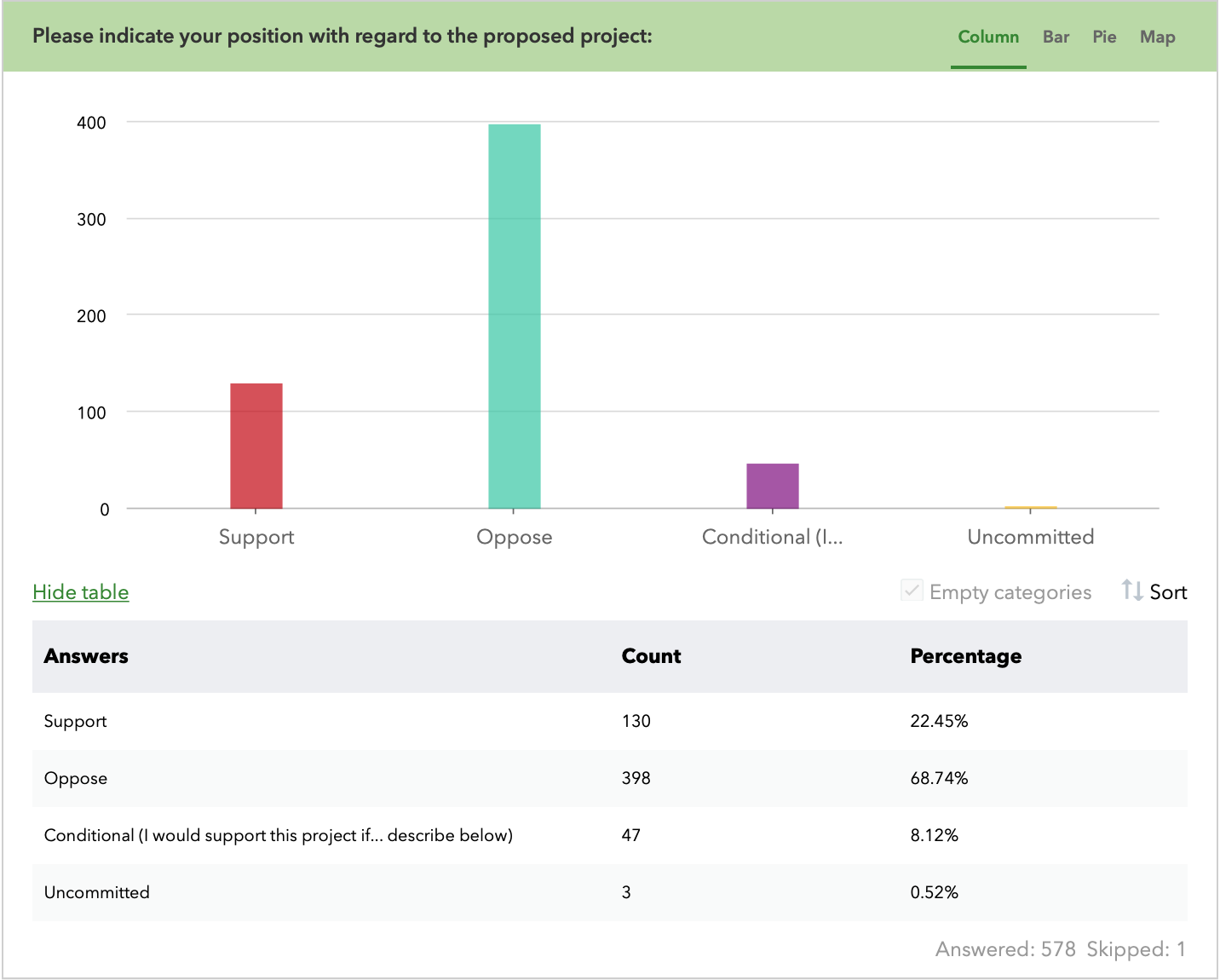
The roundabout project has generated local debate. In 2021, 578 people responded to a GDOT survey, with nearly 69% opposing the project. About 22% supported the roundabout, while another 8% said they could support it under certain conditions.
Many opponents raised concerns about traffic congestion, the removal of the existing traffic signal, and potential impacts to nearby businesses. The project put longtime Clarkesville landmark Stoney’s Family Restaurant in jeopardy. The owners eventually sold to Traditions Bank, which now occupies the corner lot where Stoney’s once stood.
Supporters, however, said the roundabout would improve safety and traffic flow through the intersection.
Despite the opposition, GDOT has continued advancing the project, citing long-term safety and operational benefits.
Motorists should expect periodic lane closures and traffic shifts during construction. GDOT is urging drivers to slow down, stay alert and follow posted signage in work zones.
Don’t miss what everyone in town is talking about.
Join 4,000+ locals and choose our free newsletter covering news, events and the stories shaping our region.