

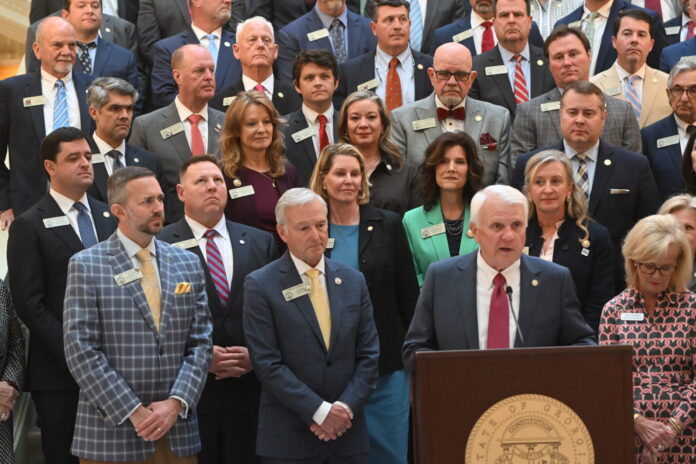
ATLANTA (Georgia Recorder) – Young Georgia students could soon get a hand hitting the books after the Legislature sent a literacy overhaul to the governor’s desk Tuesday.
Both chambers unanimously passed a compromise version of House Bill 1193, which would place a specialized educator called a literacy coach in every school that teaches kindergarten to third grade.
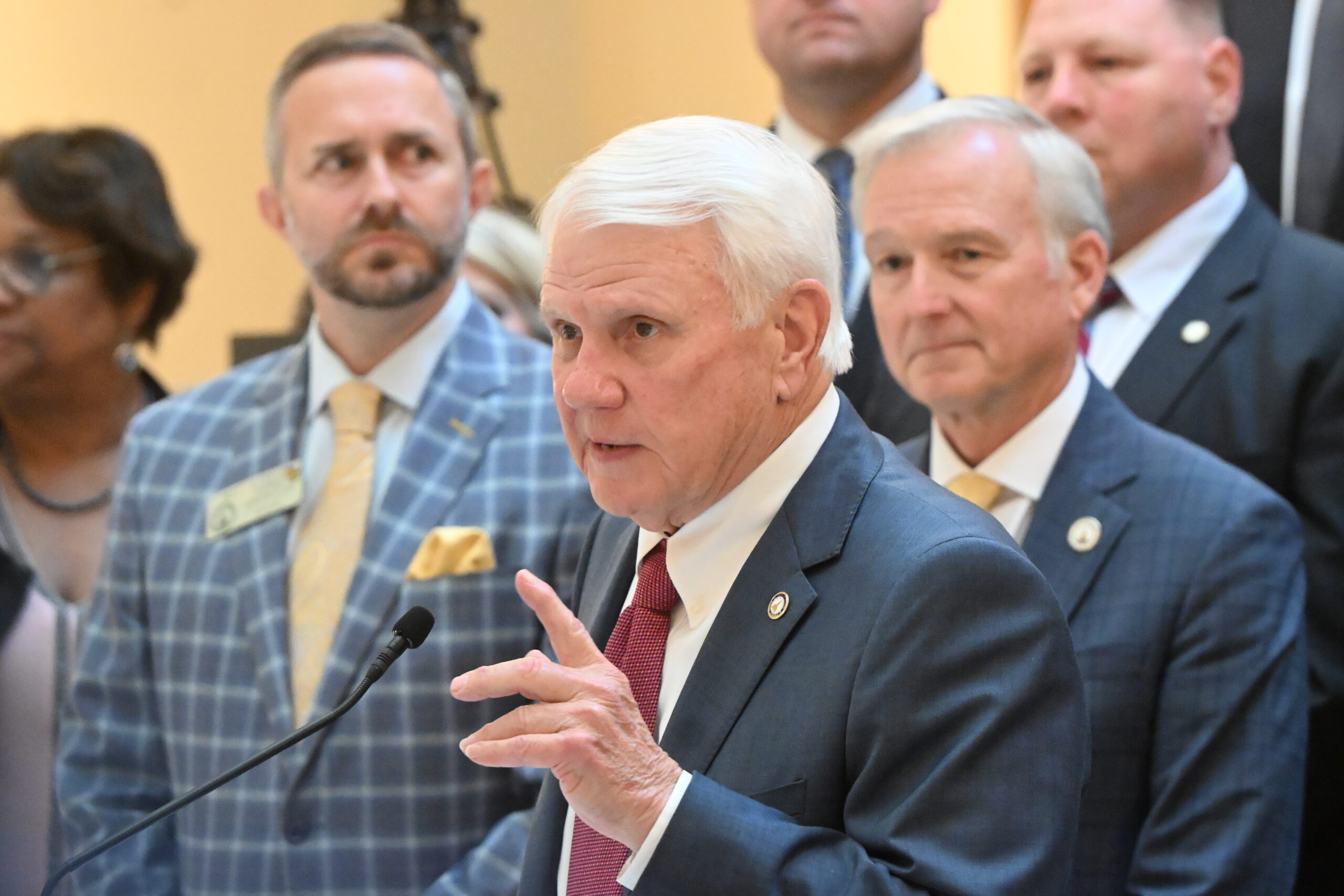
The bill was the top priority of House Speaker Jon Burns as a reaction to Georgia’s low third grade reading scores. More than 60% of Georgia third graders do not read proficiently, according to the Georgia Council on Literacy.
“The passage of the Early Literacy Act of 2026 marks the beginning of unprecedented change and a monumental step forward for every child who sets foot in a Georgia classroom,” Burns, a Newington Republican, said, flanked by dozens of lawmakers from both chambers at a press conference following the bill’s passage.
Education experts say a child’s ability to read in third grade is a major predictor of their future success in school and in life.
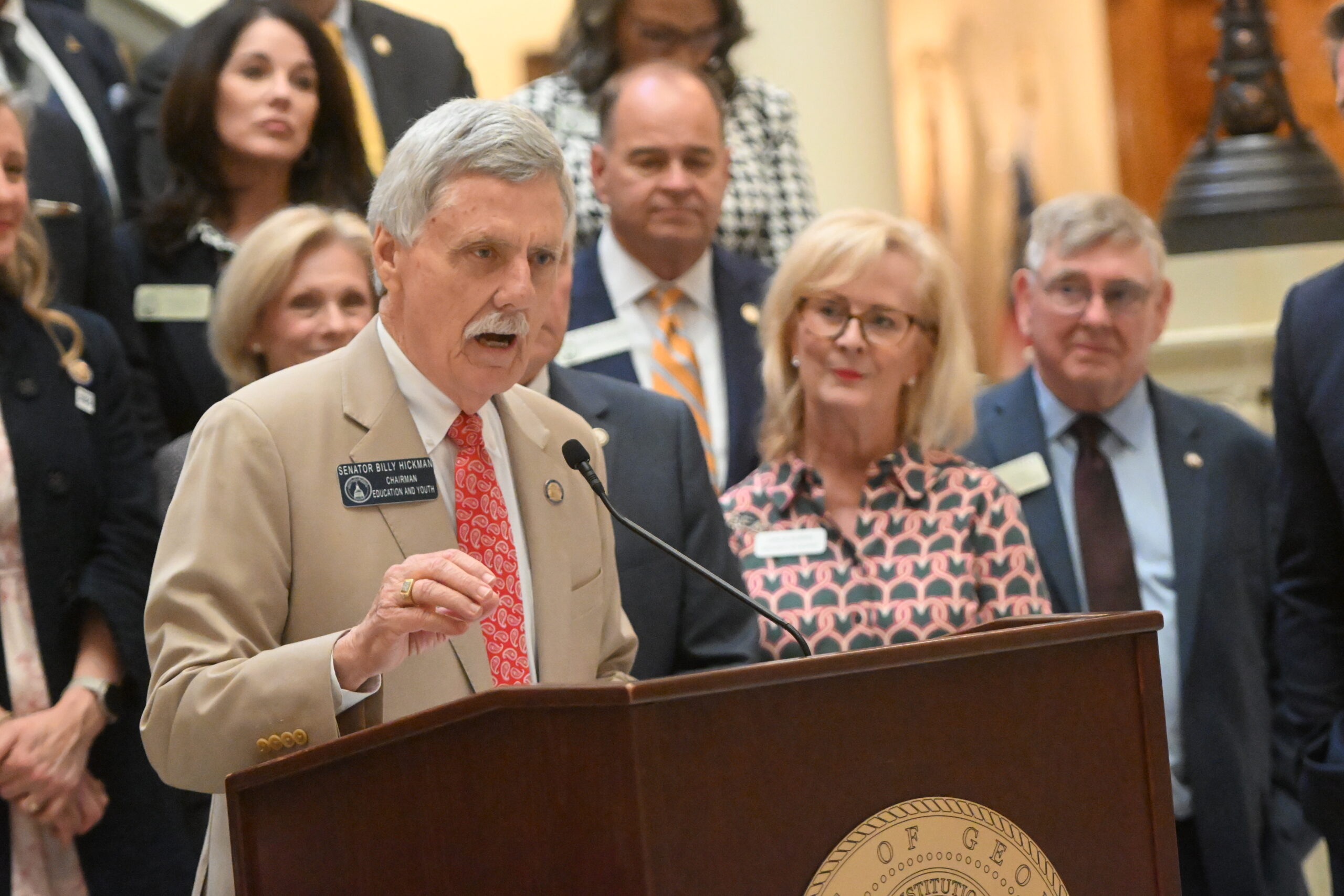
“We’re finding out that as literacy rates go up, absenteeism goes down,” said Sen. Billy Hickman, a Statesboro Republican who chairs the Senate Education Committee. “As literacy rates go up, drug use goes down. As literacy rates go up, teenage pregnancy goes down. As literacy rates go up, crime goes down. As literacy rates go up, bullying goes down. Y’all see the general theme here is our children have got to be reading on grade level.”
In addition to creating standards for and hiring more than 1,300 literacy coaches, the bill establishes a Georgia Literary Task force and state literacy director, requires school systems to institute literacy plans and prevents them from placing students in first grade without having taken kindergarten.
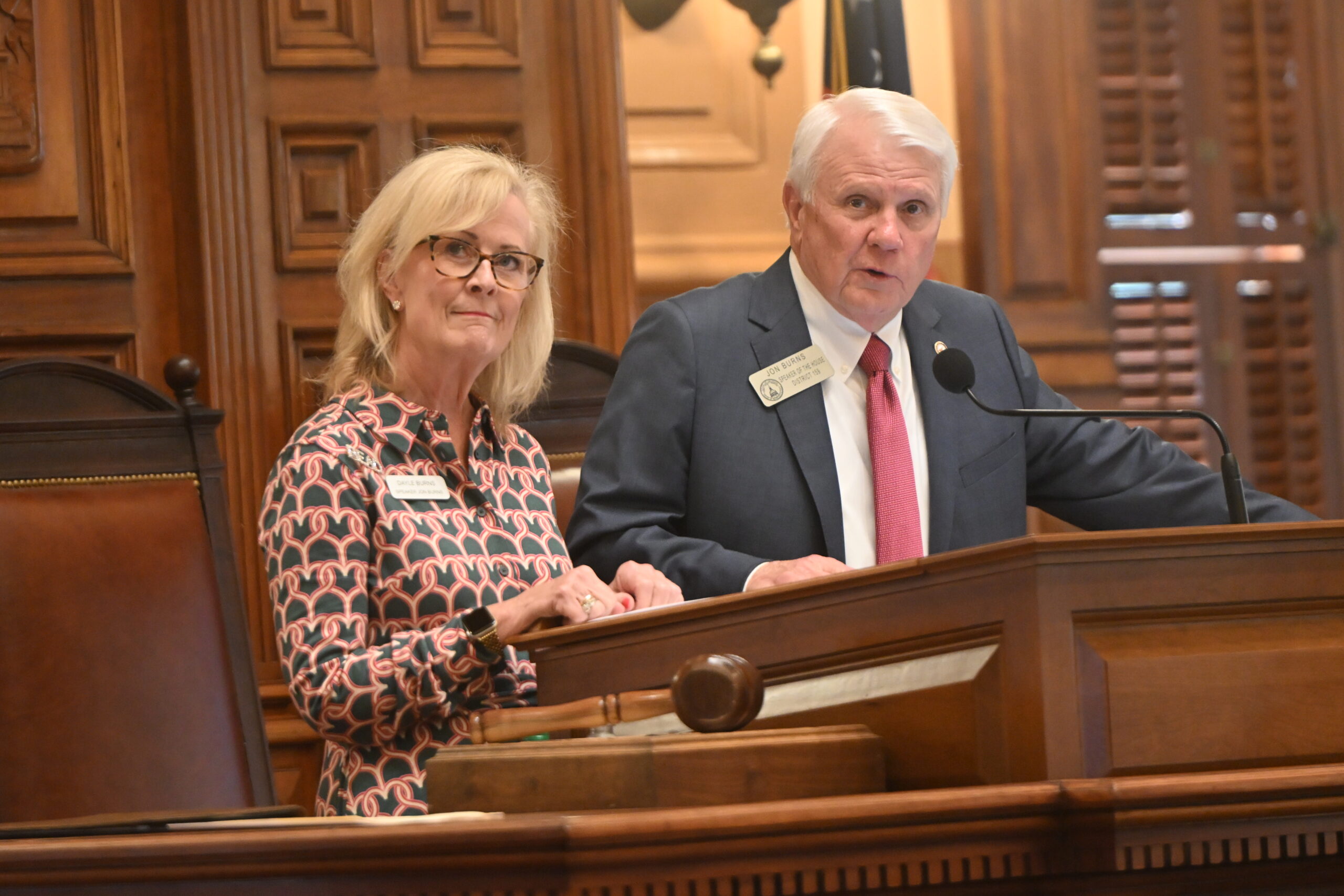
Burns’ wife, Dayle Burns, a retired teacher and principal, was also a major driving force behind the bill. Dayle Burns said boosting literacy rates will ultimately translate into a stronger workforce and higher earning adults.
“When you start out as a reader and you have the confidence and you can follow your dreams through books and stories and realize what’s out there in the world, it’s going to make a difference,” she said. “I’m so proud of Georgia for this.”
The shape of the bill appeared to be in question after the Senate made the unusual move of assigning the bill to its Appropriations Committee, which deals with the state budget, rather than the Education and Youth Committee.
The Appropriations Committee approved a version of the bill that stripped out many of the provisions favored by the House, but by the time the full Senate voted on the measure Tuesday, Appropriations Chairman Blake Tillery had authored an amendment largely restoring the House’s priorities.
The version awaiting Kemp’s signature contains much of the House’s priorities but also measures endorsed by Tillery, including dissolving the Georgia Council on Literacy and funding the coaches through a grant rather than as part of Georgia’s Quality Basic Education funding formula.
Thursday is the last day of the session and the final day for legislation to pass both chambers and get the chance at being signed into law this year.
The measure is likely to cost in excess of $100 million, but House leaders say the exact total will not be known until the hires are made. That’s because teacher pay is tied to things like years of experience and educational attainment. Budgets passed by both chambers include tens of millions of dollars to fund the program, with the remainder likely to come in next year’s amended budget.
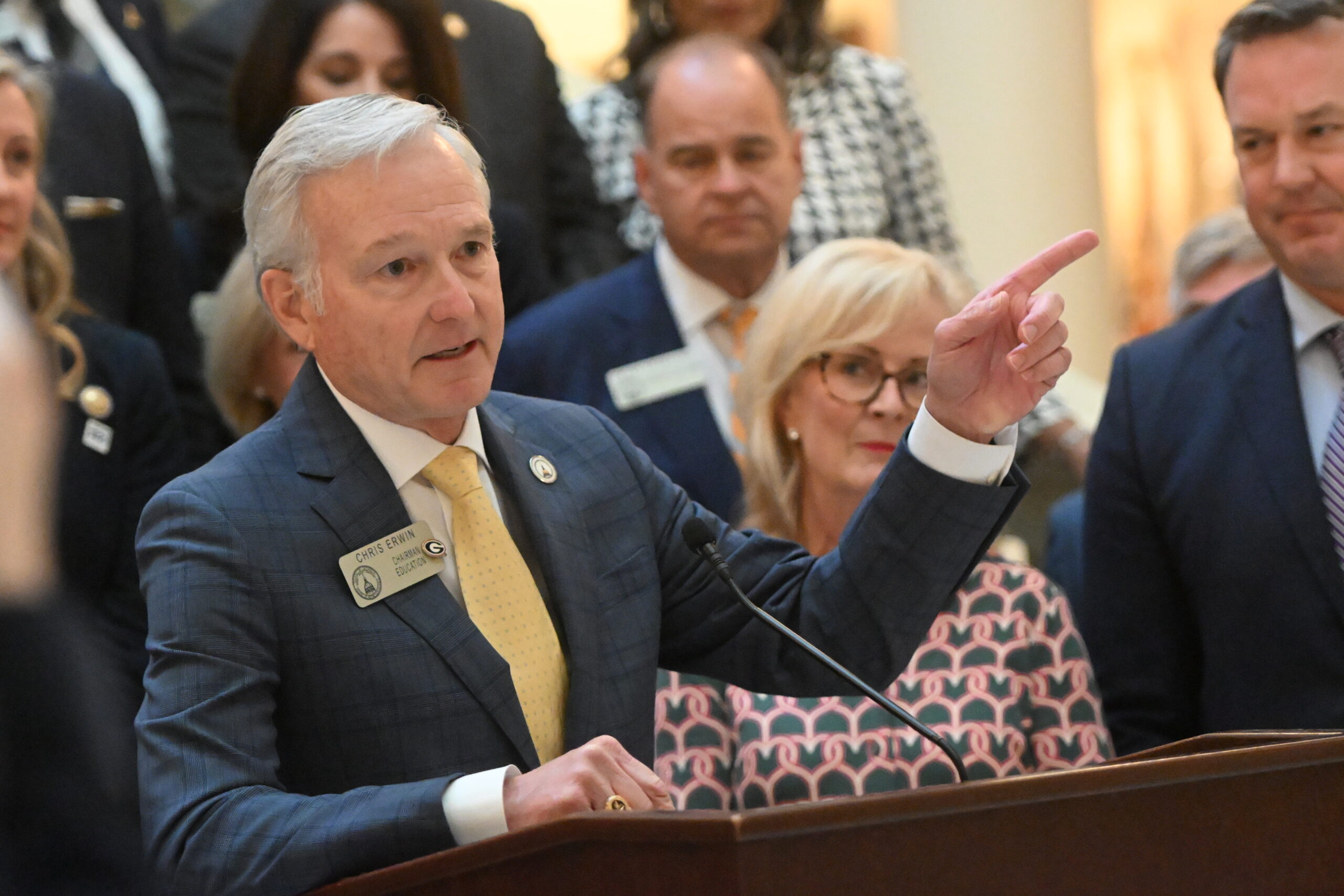
House Education Committee Chairman Chris Erwin, a Homer Republican who sponsored the bill, predicted it will take a couple years to get all the new coaches into Georgia classrooms, but he predicted schools will work aggressively to make the hires.
“We know the experience level where they’ve come from that they need to perform for us, and then we’ve got to get them trained, as you’re aware. So it’s a very aggressive timeline,” he said.
“Now, we know we need over 1,300 of those,” he added. “Do we think we can have them by the end of this month? No. Do we think we could have them by the 1st of July coming up, which is a normal hiring cycle for a teacher? No, but what we do know is we need to budget and be as aggressive as we can to get the right people in place.”