
Across Northeast Georgia, the region is slowly transitioning from response to recovery following this weekend’s ice storm.
Sunshine returned Monday, and many residents began to power down generators, pack away extra blankets, and step outside to assess conditions for the first time since the worst of the ice moved through. While sunshine revealed ice-covered hills and neighborhoods, significant impacts remain.
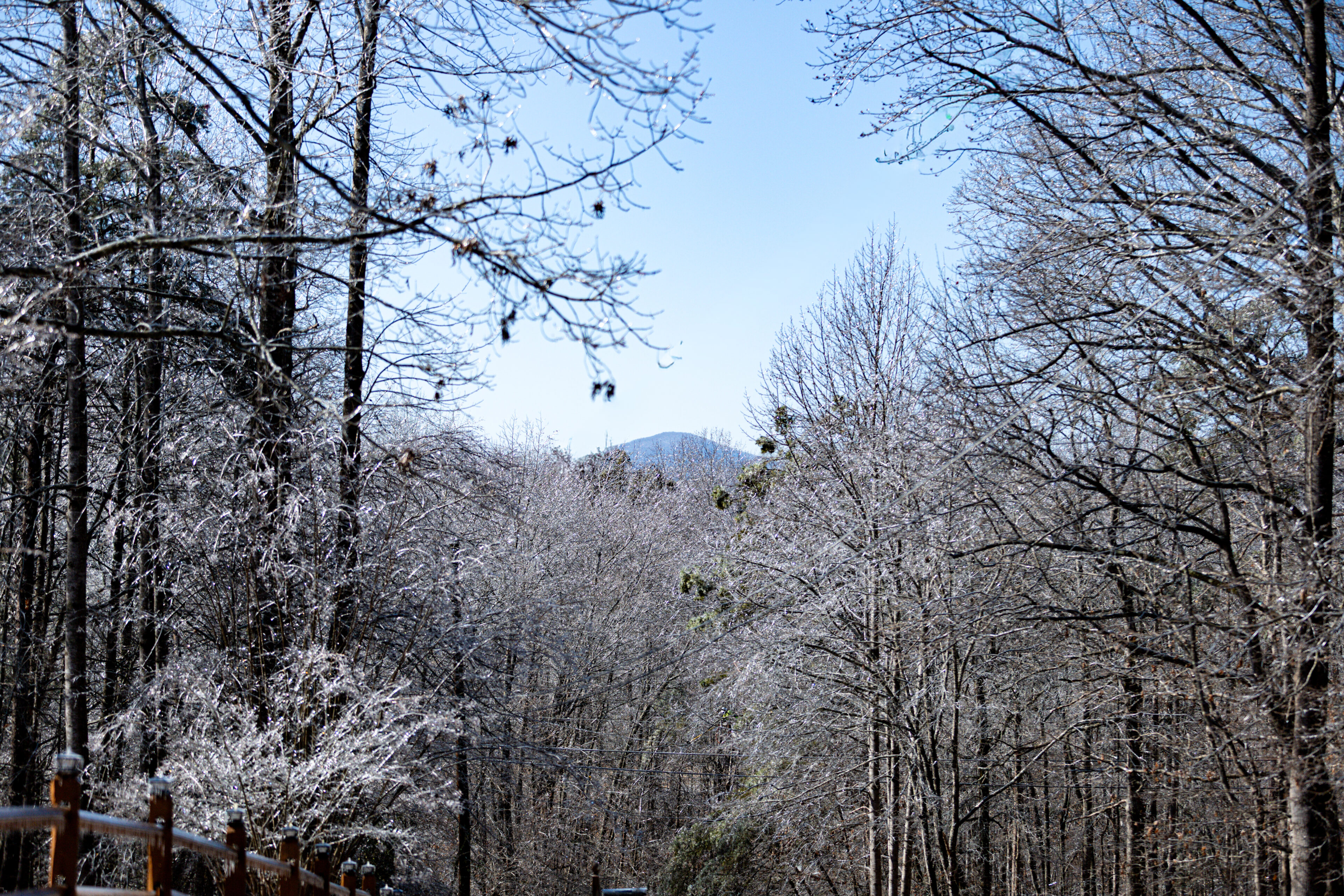
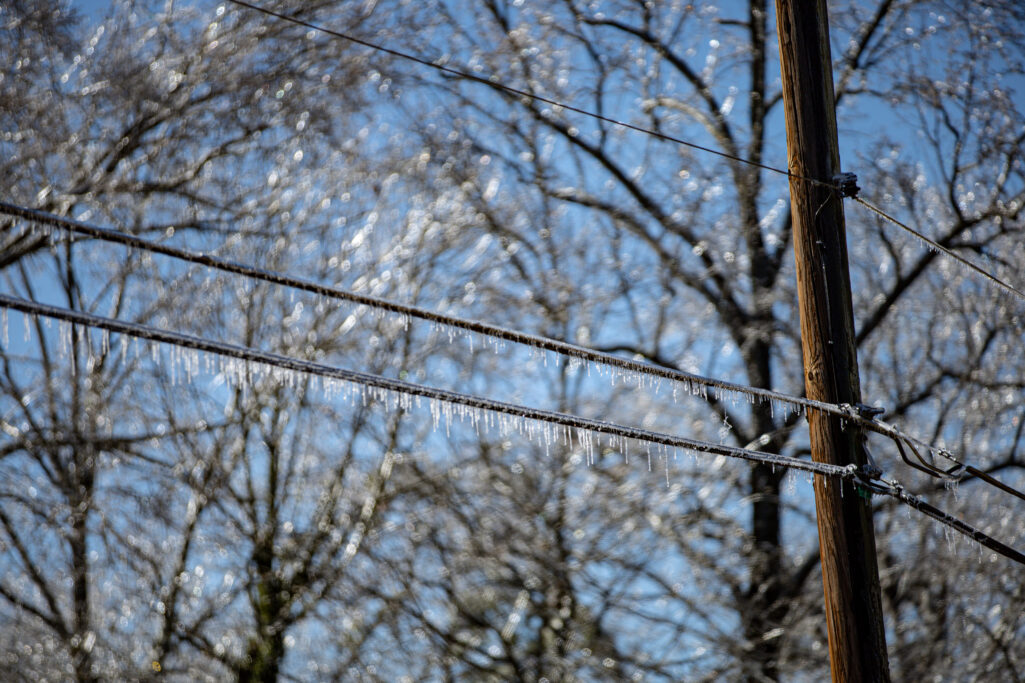
Power is still out in many areas, and restoration is ongoing. Utility crews continue to work across the region, often in challenging conditions, and officials stress that outages may persist as repairs are made safely and methodically.
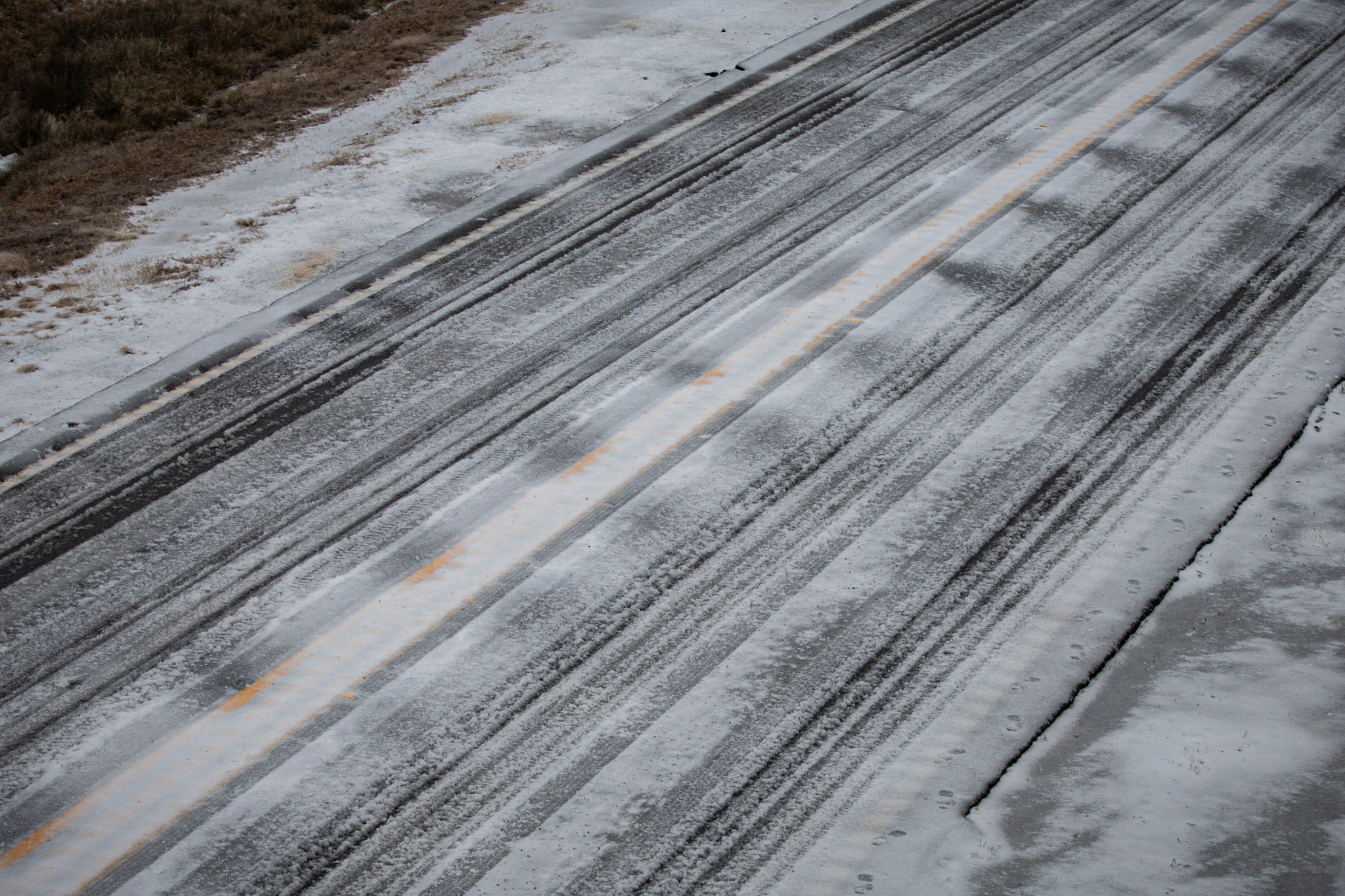
Road conditions also remain mixed. GDOT crews are still plowing and treating state roadways, and county road crews are clearing secondary routes and problem areas. While some main roads have improved, others remain slick, especially in shaded sections, on bridges, and overpasses.
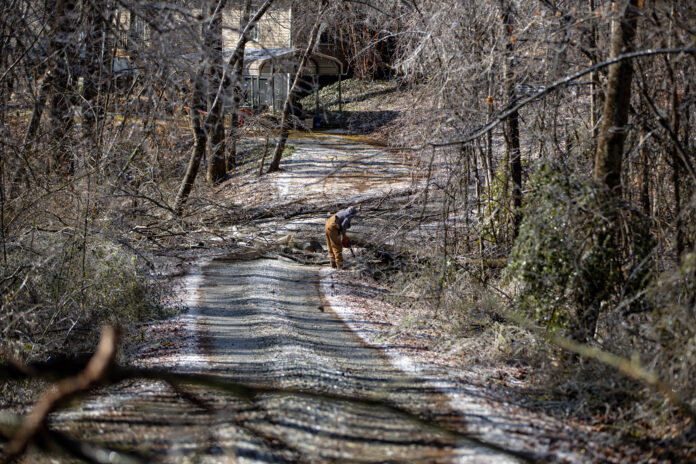
In neighborhoods, many residents have begun clearing fallen trees and limbs from driveways and property. Officials urge caution, noting that ice-loaded branches can shift or fall without warning, and downed limbs may still be tangled in power lines.
Important safety and recovery reminders
- Clear ice and snow from vehicles, including roofs, hoods, and lights. Ice dislodging at speed can pose serious risks to other motorists.
- Avoid downed power lines and report them to non-emergency dispatch or your local utility provider. Assume any line on the ground is live.
- Use extreme caution when cutting or moving fallen trees. Wear protective gear, watch for tree limbs under tension, and never work near power lines.
- Shut down generators properly and allow them to cool. Fuel-powered equipment should never be used indoors or near doors or windows.
- When done using a generator, be sure to store it properly:
- Short term: add a fuel stabilizer to a full tank of fuel and run the engine for a few minutes to ensure the treated fuel circulates through the entire system. This prevents moisture absorption and gum formation.
- Long term (over 30 days): completely drain the fuel tank and run the carburetor dry to prevent fuel degradation, which can clog the system.
- Document storm damage with photos for insurance or assistance needs.
Preparing for future weather
With winter not yet over, residents are encouraged to take stock:
- Note what supplies were used, and what ran short.
- Restock essentials like food, batteries, fuel, medications, and pet supplies as conditions allow.
- Review emergency plans, especially for extended power outages.
- Check on neighbors, particularly elderly residents or those with medical needs.
While conditions are improving in some areas, others remain hazardous. Officials continue to urge patience, caution, and awareness as crews work to restore power and improve road conditions.
NowGeorgia.com will continue to monitor recovery efforts and provide updates as they become available.