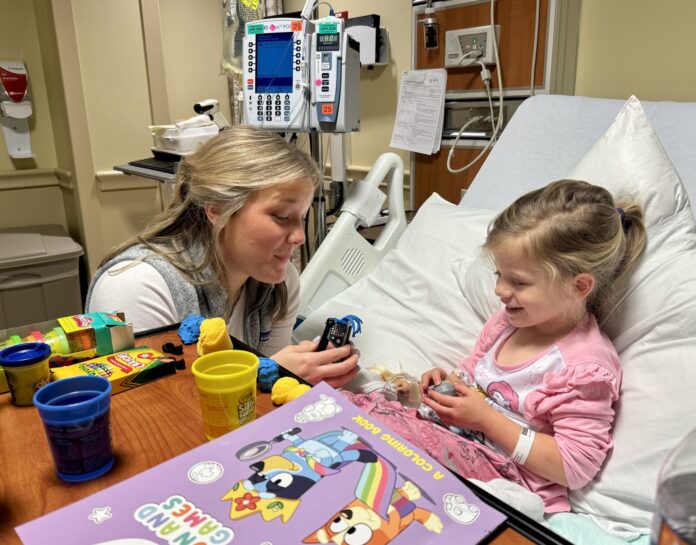
Every county in West Central Georgia is facing a shortage of doctors, nurses, and pharmacists. The crisis is not isolated to our area; it’s a statewide issue. According to the Health Resources and Services Administration (HRSA), with about 28,000 practicing physicians serving more than 11 million people, Georgia’s physician-to-patient ratio is 23% worse than the national average. And yet, just to maintain even that ratio, the state must add more than 8,000 physicians–including 2,100 in primary care alone–within the next five years. Worse still, as the population grows and ages, and as more physicians reach retirement age, that need could grow.
The Piedmont Columbus Regional is making a difference in reversing the shortage. More than 50 residents graduated from Piedmont Columbus Regional this summer through its Nurse, Family Medicine and Pharmacy programs. When established in 1972, the Family Medicine Residency Program at Piedmont Columbus Midtown became the first of its kind in Georgia and one of the first in the Southeastern United States.
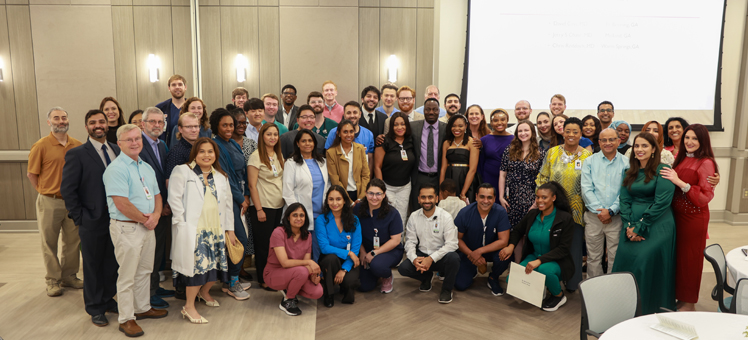
More than 1,000 family physicians have graduated from the program, celebrating its 50th graduating class this year.
“Our goal is to train clinicians to be thoughtful, engaged professionals who are excellent healers,” said Chief Medical Officer Chris Edwards, M.D. “After many years of hard work and dedication, these graduates are well-equipped to live out the Piedmont Promise and make a positive difference in every life they touch for years to come.”
The number of graduates from Piedmont’s programs doesn’t solve the problem, but they do make a dent in the shortage for Muscogee County and surrounding counties in providing medical care for underserved patients.
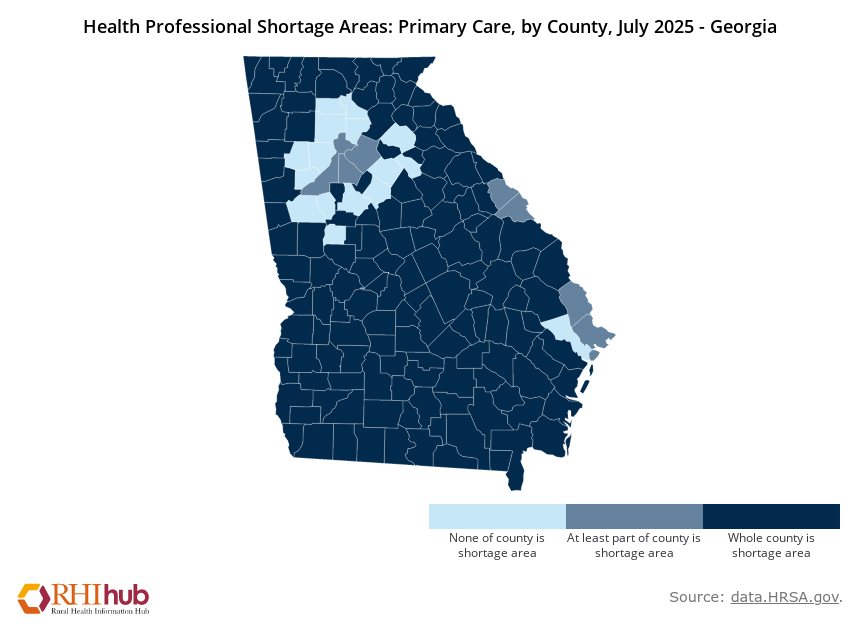
Almost every one of the 95 counties in the state outside of Metro Atlanta, Savannah, and Augusta faces critical shortages of family physicians, nurses, and pharmacists.
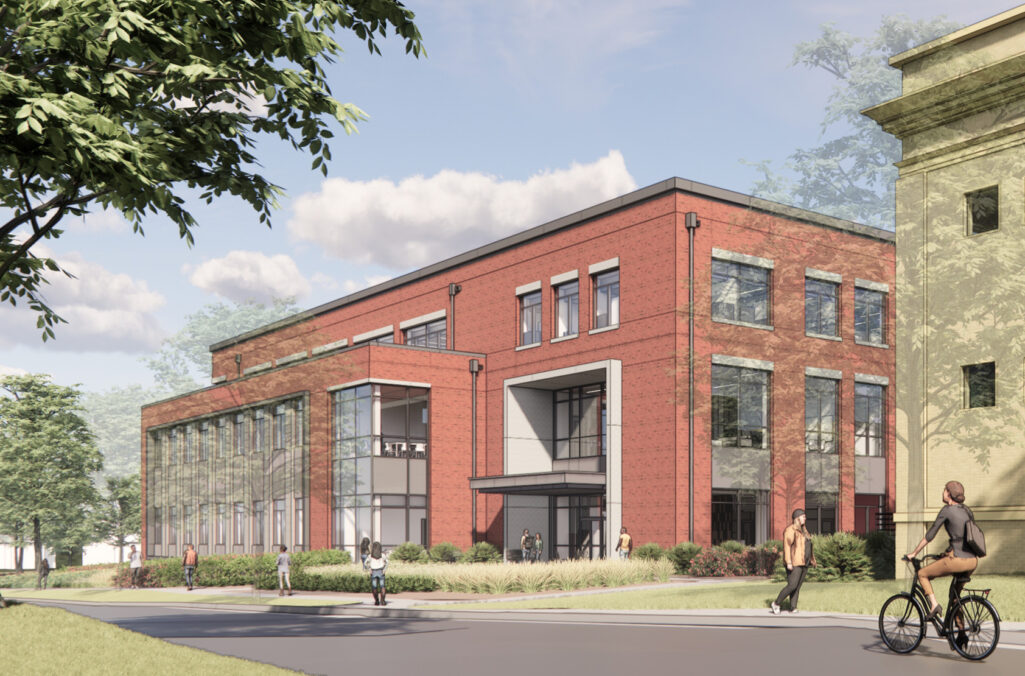
Aside from Piedmont’s program, some progress is being made across the state. In addition to the University of Georgia Medical School, scheduled to welcome its first class in fall 2026, the state legislature added $20 million to last year’s budget for new graduate medical education (GME) programs at hospitals south of State Route 540, the “Fall Line Freeway” that runs from Columbus to Augusta. This year’s budget includes $3 million for 150 new residency slots in primary care medicine.
Piedmont Columbus Regional has also opened its first QuickCare clinic in the city. Located inside the Whittlesey Boulevard Walmart at Columbus Park Crossing, the clinic offers walk-in treatment for minor injuries, non-life-threatening illnesses, vaccinations, sports and camp physicals and wellness services.
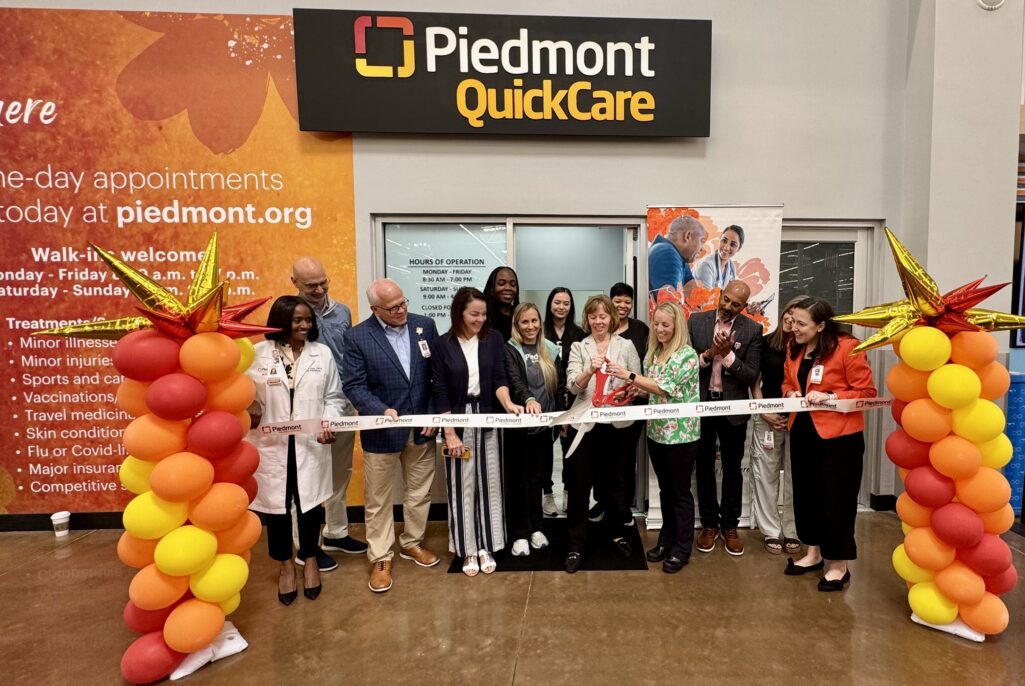
“We’re always looking for opportunities to better serve our community by improving access to high-quality care,” said CEO Scott Hill. “Piedmont QuickCare complements Piedmont’s existing options— virtual visits, primary care, specialty care, urgent care and emergency care.”
The QuickCare Clinic is open Monday through Friday from 8:30 am until 7:00 pm and Saturday and Sunday from 9:00 am until 4:00 pm. You can visit Piedmont.org/QuickCare for more information.