
The North Georgia Autism Foundation hosted its Christmas event inside the Cornelia Community House. Board members Shawn Knight and Geralyn Campbell planned the program and shaped the afternoon for families who often move through community spaces with caution. The foundation, based in Clarkesville, raised money for services that support autistic children, teens, adults, and their families. One hundred percent of the funds returned to that mission.

Autism in Northeast Georgia & events
The Centers for Disease Control and Prevention reports that about 1 in 31 (3.2%) of children in the United States has autism. Many wait for a diagnosis because specialists usually cluster in cities. Rural families in North Georgia often travel long distances for evaluations and treatment. Long drives, long waits, and long lists of unmet needs place pressure on families who need meaningful support.
Sensory overload, communication challenges, and frequent misinterpretation by peers or adults add pressure that often keeps families away from events, even those designed for children. Thus, they seek environments with clear expectations and predictable flow. Christmas events can lift a community, but they also can unsettle children with sensory needs if planners ignore the effect of sound, light, crowds, and unpredictable movement.
Loud bursts, flashing lights, or frightening imagery can trigger elopement in autistic children, who may run when overwhelmed or confronted with the unexpected. Families cannot always prepare for these triggers. They bring noise-reducing headphones and comfort items, but they cannot foresee elements outside the traditional sensory frame of Christmas gatherings. Elopement carries potentially greater consequences when crowds fill tight spaces or when streets hold moving vehicles.
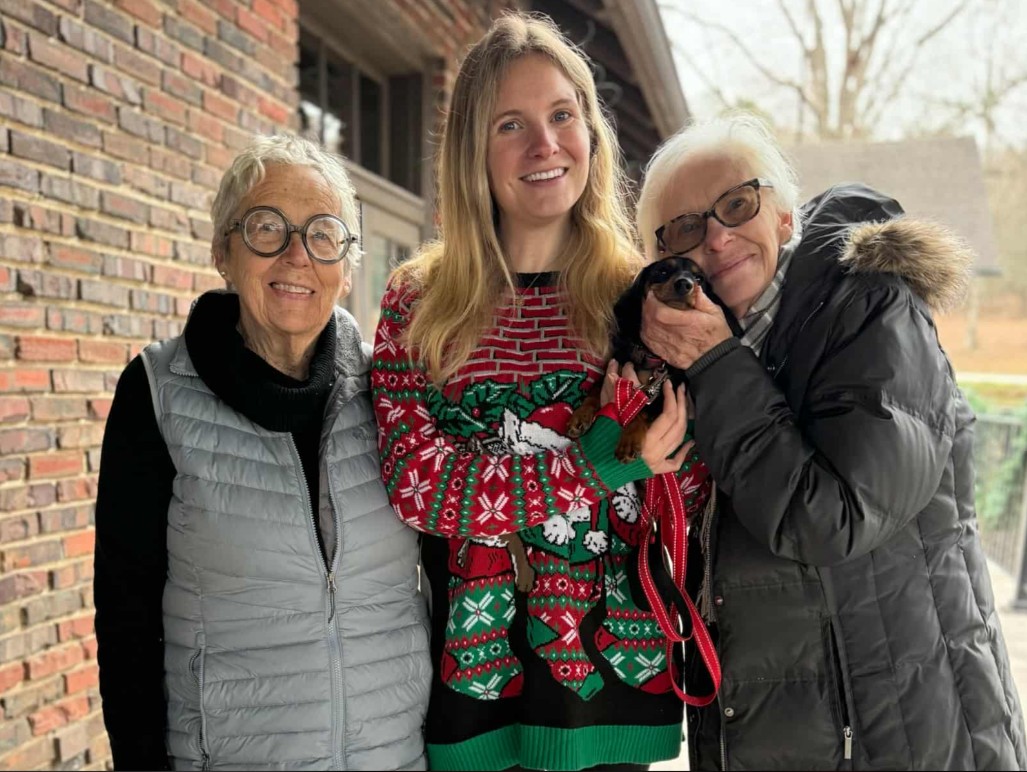
The North Georgia Autism Foundation built its event with these realities in mind. Knight and Campbell set clear goals: structure, safety, predictability, and joy. Volunteers arranged stations and created a flow that just made sense to children who need clear cues.
Sponsors and donors from across Northeast Georgia provided financial support, including Habersham Electric Membership Corporation, Bowen and Watson, Peach State Federal Credit Union, FUNdamental Therapy, Vanguard Metal Coating, Soaring Therapy and Learning Center, State Farm (Hal Dowdy), Chip’s Service and Exhaust Center, Sidestreet Deli, and many others. Local businesses contributed toys, food, and supplies.
Games, Santa, and smiles abound
Children received checklists that outlined each station. One boy entered with visible signs of tension. Yet, the checklist gave him a path to easily navigate the space. He studied it and began to engage. By the end of the event, Dr. Whitney Kleinert said he was telling her all about the games he played, how someone told him he was the best hula-hoop thrower they had ever seen, and how he made new friends. He left feeling proud and confident. As they walked out, his mother turned back and mouthed “thank you so much.” Dr. Kleinert said the moment stayed with her.
Another family said they returned because the event gave their child the chance to run and play freely. For families of autistic children, the ability to let a child explore without fear carries real weight. The event’s indoor setting made it easy to monitor, and their child approached Santa without the usual rush to sit on his lap, recite a list, and hurry along with a candy cane. Instead, Santa greeted each child with gentleness and patience. The volunteer portraying him, Clint Eller, donated his time.
The foundation relied on careful planning. Dr. Kleinert, who helped guide the structure and timing of the program, coordinated volunteers and supported the effort to build the ideal environment for inclusive joy. Her work helped set the rhythm of the afternoon and kept the space open to a wide range of families.
Events like this one highlight a larger truth about disability and public life. Families with autistic children move through the world with a level of vigilance that often goes unseen. They plan every step and track every sound. Yet many festival and event coordinators respond antipathetically when families raise concerns, suggesting they simply not attend rather than adapting an event meant for children to include all children.
When a community instead creates a space where those children can stand without fear, their families feel they belong there too. Often it comes down to something simple: the chance for a child to see Santa wink from a float or spot a favorite cartoon character wearing reindeer ears.