
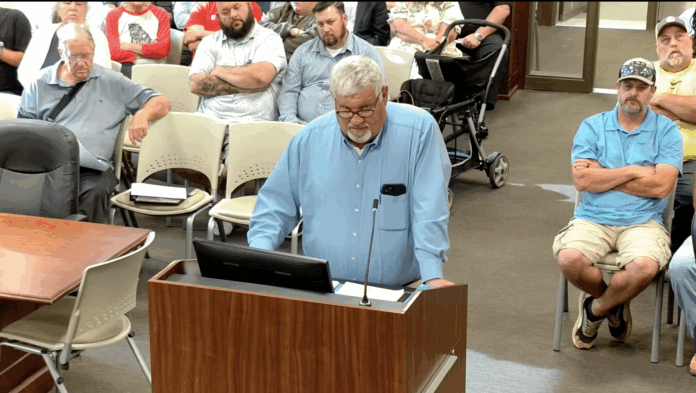
CLARKESVILLE — The Habersham County Board of Commissioners on Monday unanimously denied a conditional use request for a proposed self-storage and boat and RV facility on Cannon Bridge Road, following concerns about wetlands, traffic safety, and compatibility with future land use plans.
The 3-0 vote upheld an earlier recommendation from the county Planning Commission, which had also recommended denial of the project.
The application, submitted by William Gary, sought approval to construct a self-storage facility with about 300 units and 51 boat and RV parking spaces on an eight-acre parcel in the county’s low-intensity zoning district.
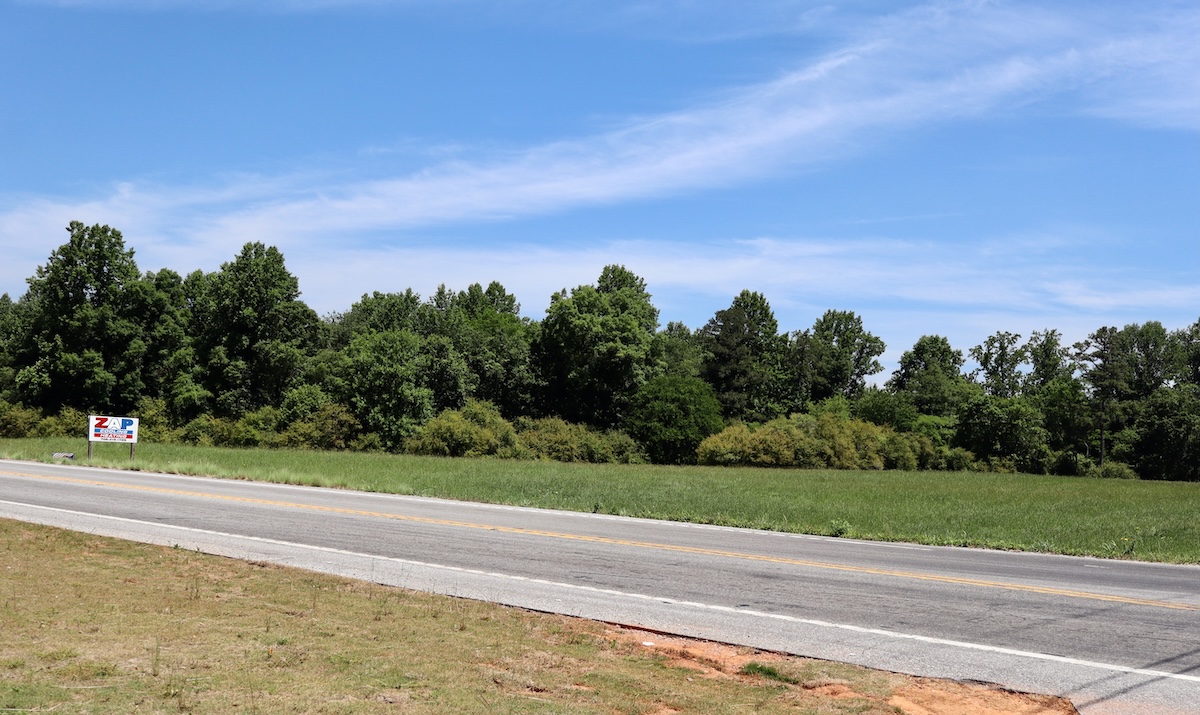
County Planning Director Mike Beecham told commissioners the site is currently vacant and consists of a mix of pasture and wooded land. He said the property sits in a largely rural area surrounded by single-family homes, agricultural land and vacant tracts, with some nearby commercial uses including a convenience store and a previously approved junkyard across the road.
Beecham said the Planning Commission raised concerns during its May 5 review, including potential traffic safety issues tied to an elevated roadway and driveway access on Cannon Bridge Road, which is under Georgia Department of Transportation control. He said DOT would likely require a turn lane if the project moved forward.
Lighting impacts and buffering near adjacent homes were also discussed, with staff noting a required 25-foot buffer could potentially be increased to 40 feet in areas bordering residential property.
A central issue in the debate was whether mapped wetlands and drainage features on the property would limit development. Beecham said the National Wetlands Inventory shows a potential stream crossing the site, which could require additional environmental review and a determination from the U.S. Army Corps of Engineers.
“I walked the site… it was dry when I was out there, but we are in a drought,” Beecham said, noting that a formal wetlands determination would be required before development could proceed.
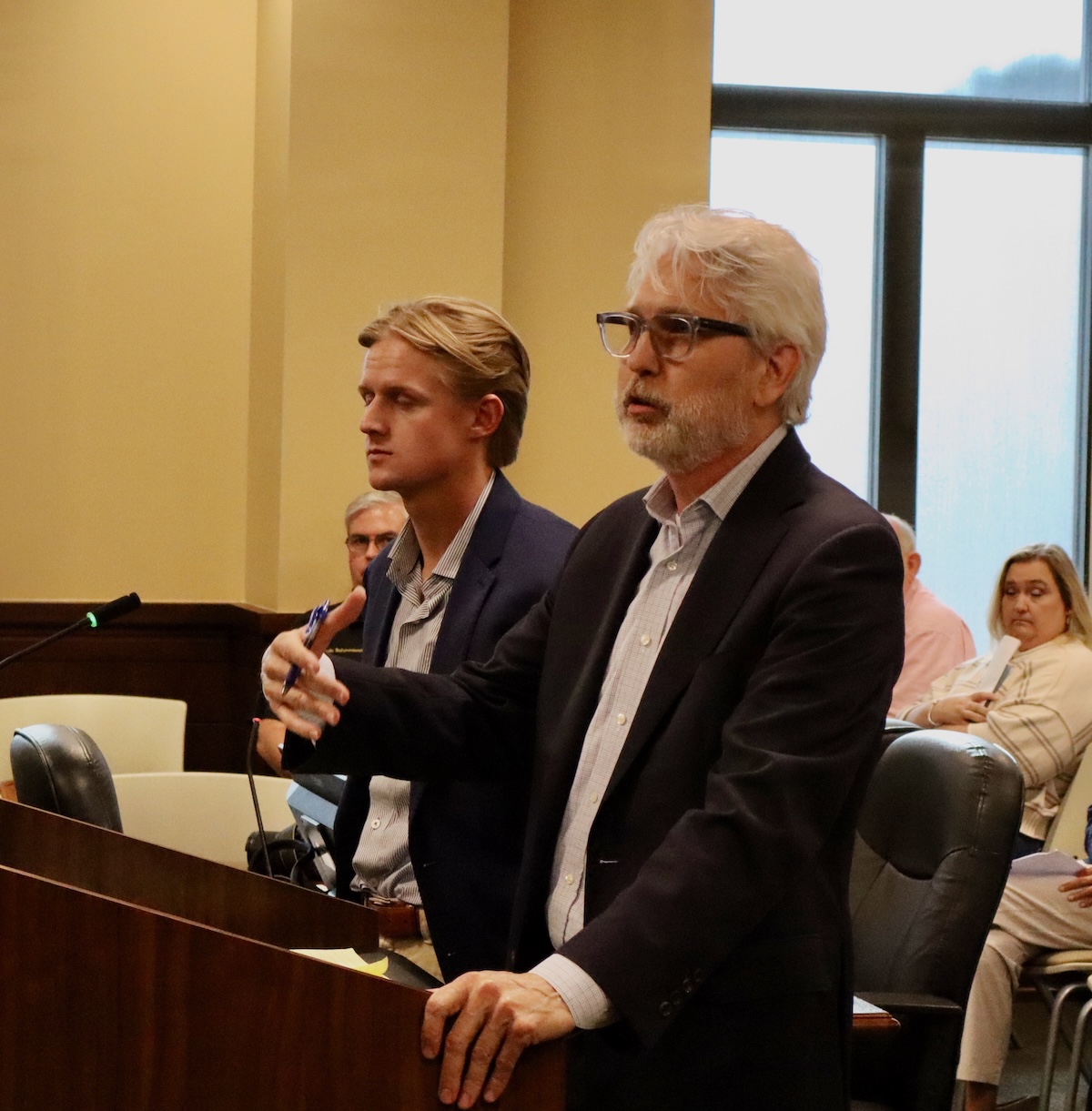
Attorney Kevin Ward, representing the applicant, pushed back on those concerns, arguing
the property contains only “ephemeral and intermittent” drainage features that carry water only during heavy rain events.
Ward said the applicant had commissioned a traffic study estimating about 12 vehicle trips per day and argued the facility would generate less traffic than residential development. He also said the project included engineered stormwater retention ponds and that a wetlands expert had concluded the site’s impacts were limited.
“We are talking about ephemeral streams, which don’t exist unless they do exist,” Ward said. “This is not a property that says, ‘Oh, this is wetlands.’”
Ward also told commissioners the applicant had contacted nearby neighbors and received support, including a letter from a family member of an adjacent property owner.
One neighbor, Robert Kimbrell, spoke in favor of the project, saying he did not believe the site contained significant wetlands and describing it instead as a “wet weather ditch.” He also said he did not expect traffic to be an issue.
Commissioners also questioned staff on zoning. Beecham said the LI, or low intensity district, is generally used as a residential character area, though it allows some commercial uses.
The board also reviewed the conditional use process, which limits approval to specific uses and densities. Beecham said any expansion beyond the approved scope would require returning to the commission.
During closing discussion, Commission Chair Harkness said commissioners were tasked with asking difficult questions on behalf of residents and emphasized his responsibility to represent the public interest.
Following discussion, commissioners voted 3-0 to deny the application, aligning with the Planning Commission’s recommendation.
Don’t miss what everyone in town is talking about.
Join 4,000+ locals and choose our free newsletter covering news, events and the stories shaping our region.