
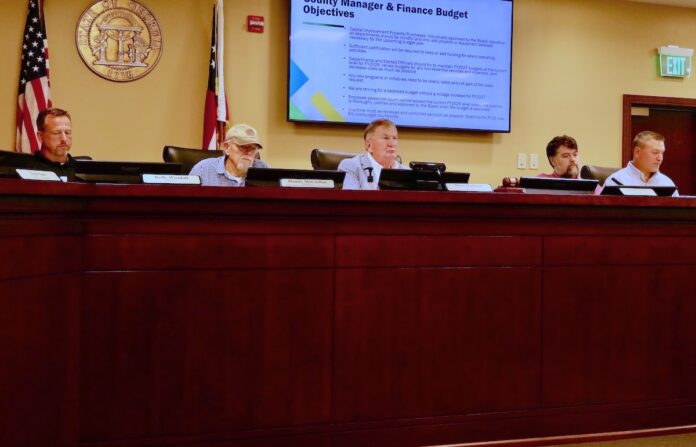
CLARKESVILLE, Ga. — Habersham County commissioners approved the purchase of 10 cardiac monitors for emergency services, and approved a resolution related to school district bond financing during their Oct. 19 meeting.
The board also reviewed quarterly financial reports and heard updates from County Manager Tim Sims on county operations, landfill capacity and a new system for residents to report road concerns.
Federal grant to fund cardiac monitors
Commissioners unanimously ratified the county’s acceptance of a $454,545 federal Assistance to Firefighters Grant and approved the purchase of 10 Stryker LifePak cardiac monitors.
Finance Director Kiani Holden said the grant was awarded Sept. 22. The federal funding requires a local match of $45,454, bringing the total equipment cost to approximately $529,000.
Holden said a $100,000 Georgia Power grant for emergency services equipment, along with trade-in credits for 10 older monitors, is expected to cover the purchase and required match. The county does not anticipate having to contribute additional money from its own funds, she said.
The county had already accepted the federal award because equipment prices were expected to increase. Commissioners voted to formally ratify the acceptance and approve the purchase.
Resolution addresses school district bonds
The board unanimously approved a resolution authorizing the annual tax levy needed to repay principal and interest on a $15 million Habersham County School District general obligation sales tax bond, Series 2026.
Sims explained that the school district is using the bonds to access future sales tax revenue sooner to fund projects. He compared the financing approach to the county’s jail project financing.
The resolution does not immediately impose a new tax, Sims said. The school district sets its own millage rate, but the county serves as the levy authority.
County Attorney Angela Davis said state law requires the resolution as security for the bonds. If sales tax revenue were insufficient to cover repayment and the school district defaulted, the district could ask the county to levy a property tax to cover the debt.
Davis said such resolutions are common.
Financial report shows seasonal revenue pattern
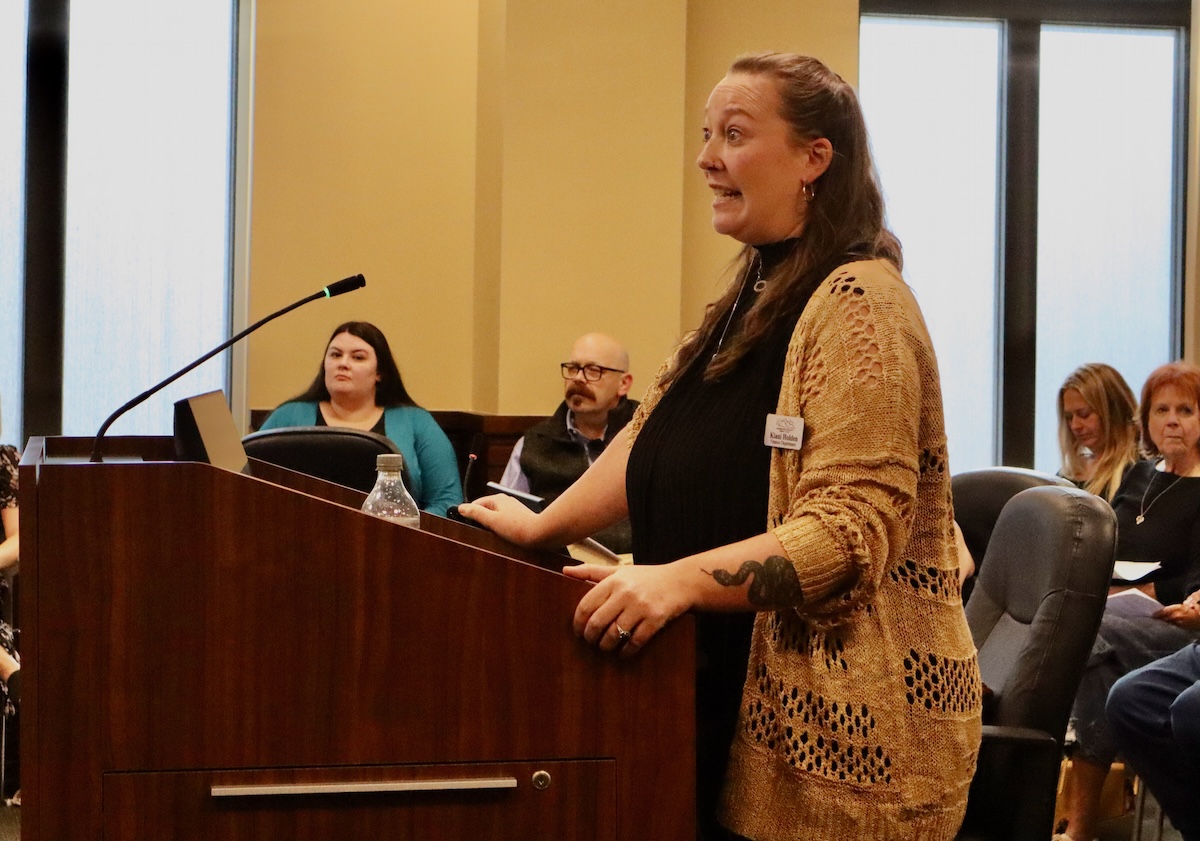
Finance Director Kiani Holden presented the county’s first-quarter financial report for fiscal 2027, with September marking 25% of the fiscal year.
The general fund had a bank balance of approximately $1.3 million as of Sept. 30. Holden described the balance as low but said property tax collections expected in December should increase available funds.
The general fund had collected about 8% of its budgeted annual revenue and spent 21% of its budget. Holden said the difference reflects the seasonal nature of county revenue, particularly property taxes, which are collected later in the fiscal year.
The general fund reported approximately $3.3 million in revenue and $8.5 million in expenses. Special revenue funds reported $1 million in revenue and $1.8 million in expenses, while enterprise funds reported just under $1 million in revenue and $739,000 in expenses.
Holden attributed some spending patterns to timing. Liability insurance expenses were at 39% of the annual budget because of an annual payment, while some grant-funded programs had incurred expenses before receiving reimbursements.
The county’s capital improvements fund was 41% spent, partly because of older projects paid from accumulated balances. The SPLOST VII fund was 83% expended as the county continued spending accumulated funds on projects, including the animal control building.
Holden cautioned that the figures reflect timing and accounting practices and should not be interpreted as a general fund deficit.
Landfill has estimated 20 years of capacity remaining
Sims told commissioners an Oct. 5 landfill capacity report estimated the county has about 20.5 years of landfill capacity remaining, up from more than 17 years the previous year.
He credited improved waste compaction and the county’s decision to stop accepting construction and demolition waste for the increase. The county is seeking land to accommodate that waste stream separately.
The landfill received 2,140 tons of municipal solid waste in September, Sims said. A new salt shed was also nearing completion ahead of winter weather.
Sims said the county is installing iWorks citizen engagement software that will allow residents to report road problems and other concerns online or by phone and track the status of their requests.
Other updates included plans for open-records training for department directors, a children’s trunk-or-treat event at the fairgrounds and a senior center Christmas bazaar scheduled for the first Saturday in November.
Don’t miss what everyone in town is talking about.
Join 4,000+ locals and choose our free newsletter covering news, events and the stories shaping our region.