

(Georgia Recorder) — The Georgia Senate unanimously passed a measure that would ban cellphone use on campus for high school students from the morning bell until the dismissal bell, known as a “bell to bell” ban.
The bill would add public high school students to the current law, which passed last year and banned cellphone use for students up to grade eight during instructional time. The bill also calls for local school boards to establish procedures for students to use a phone during “other instructional opportunities that do not occur on school grounds,” such as dual enrollment or work-based learning programs.
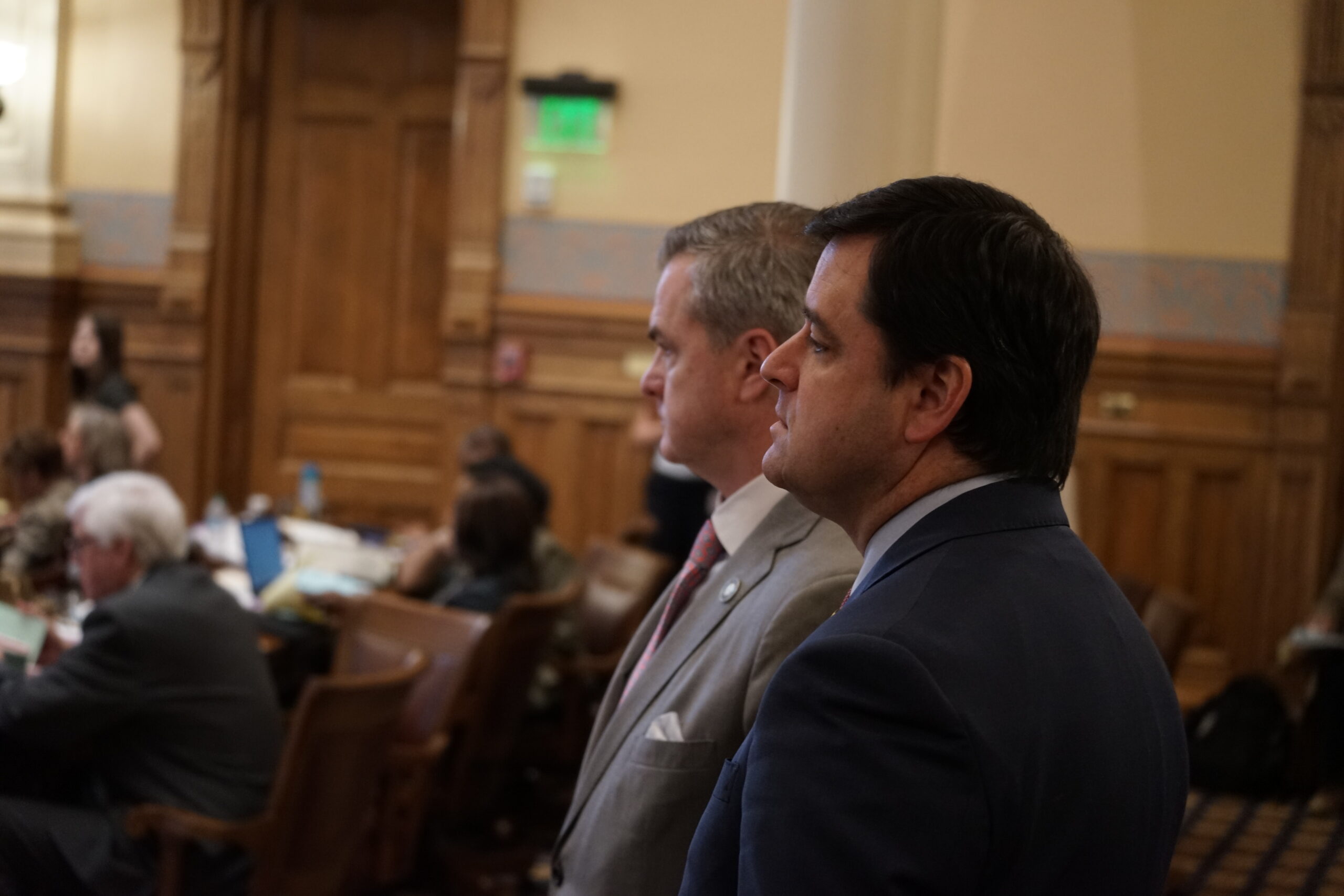
The bill passed the Senate Monday with a 52-0 vote and heads to Gov. Brian Kemp for final approval.
Sen. Shawn Still, a Suwanee Republican who carried House Bill 1009 in the upper chamber, said after the bill’s passage that feedback from teachers to the bill has been overwhelmingly positive, saying that students interact more during lunch and there are even fewer fights in the schools where the policy has already been implemented.
“When we think about what’s best for our children, we have to take away as many external factors as we can,” Still said on the Senate floor Monday. “We can’t legislate what happens at home, but we can control what happens at school, and that’s why this bill is so critically important.”
Atlanta Democratic state Sen. RaShaun Kemp introduced an amendment to allow cellphone use between classes. Kemp said that a one-size-fits-all policy does not account for the needs of different age groups, saying that high school students have different needs than elementary school students. The amendment he proposed would allow each school district to adopt its own policies for allowing cellphone use during “brief transitions between classes.”
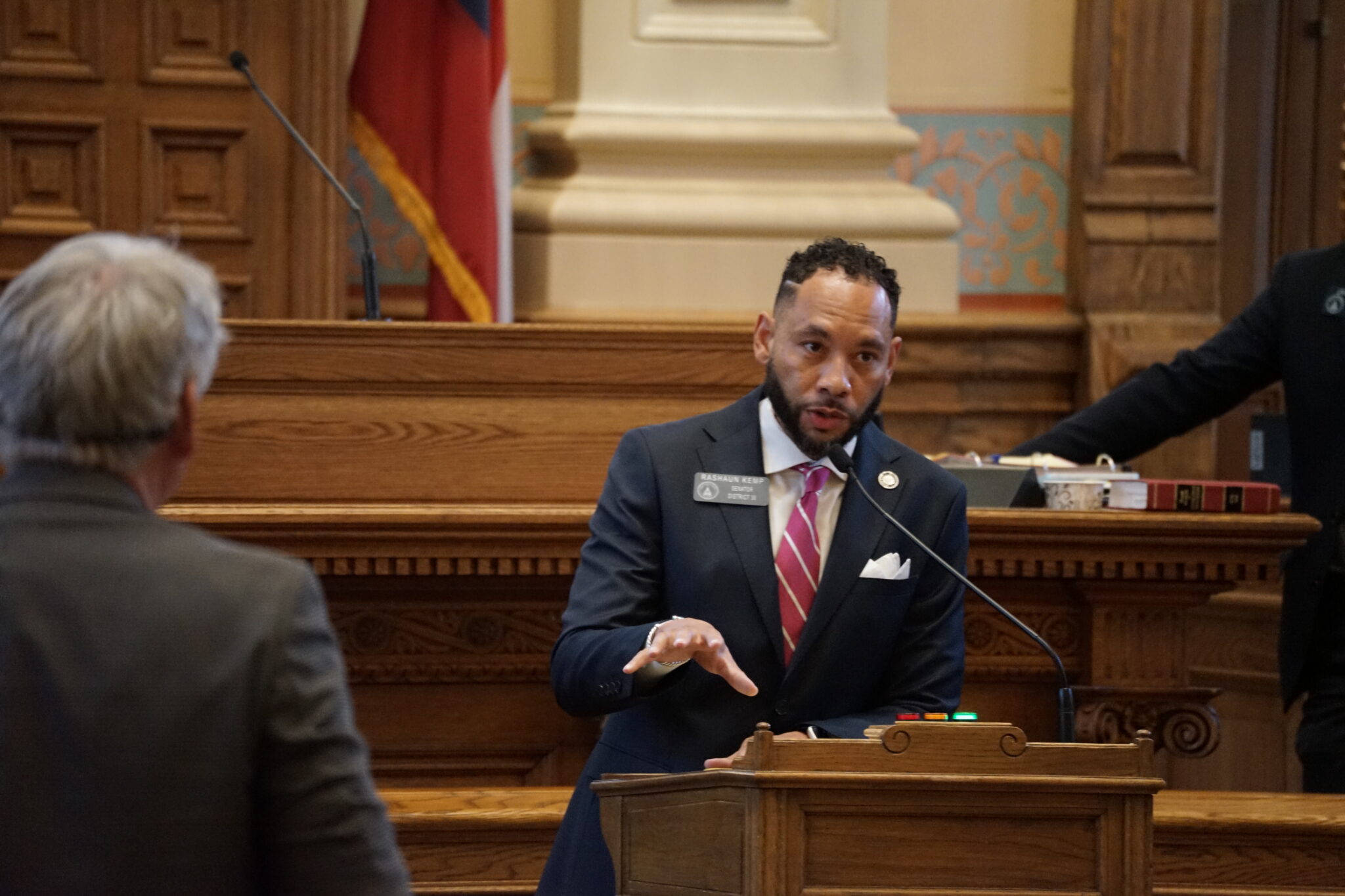
“I do not believe that we should do a blanket policy that treats 17-year-olds like seven-year-olds. These are two totally different stages in life,” Kemp said.
Kemp said that many 17- and 18-year-olds have adult responsibilities, like a job or even children, but if the school districts disagree with that position, they can still implement a bell-to-bell ban.
“I do not believe we should be forcing a 17-year-old, 18-year-old to have to go out without their phones for a whole eight hours. We don’t do it. We don’t enforce that on ourselves, so we should not enforce that on high school students,” Kemp said.
The amendment failed 13-38.
Peachtree Corners Republican state Rep. Scott Hilton, the bill’s original sponsor, said after the bill’s passage that Georgia’s spending on education will go even further now with this legislation. He argued that it will help not only address concerns around mental health and social media use but also increase test scores and reduce disciplinary action.
“This is a great, great win for our students in our classrooms,” Hilton said. “As much as Georgia invests in education, we’re going to see that return on investment.”