

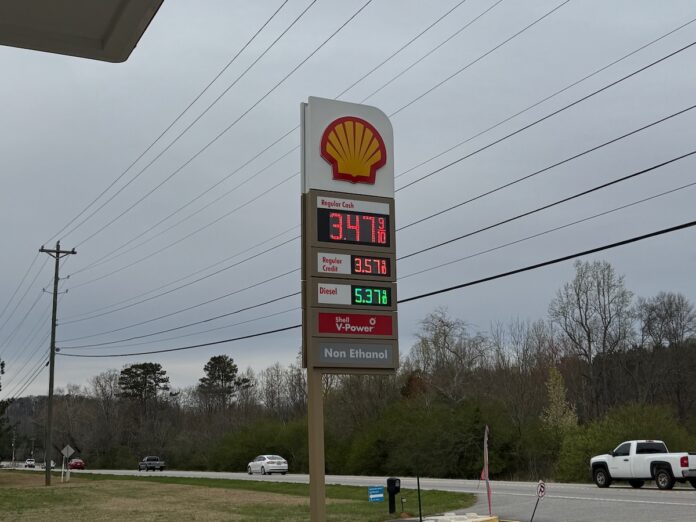
ATLANTA — The Georgia House of Representatives has approved House Bill 1199, a measure that would suspend the state’s gas tax for 60 days, sending the proposal to the state Senate as lawmakers look to provide relief from fuel costs.
The bill passed with bipartisan support and would temporarily halt collection of Georgia’s motor fuel tax, which currently adds about 31 cents per gallon to the price of gasoline. If approved by the Senate and signed by Gov. Brian Kemp, the suspension would take effect later this year for a two-month period.
Supporters say the measure would provide immediate financial relief to drivers and businesses facing fluctuating fuel prices. House Speaker Jon Burns emphasized the impact on working families, saying the suspension is intended to help Georgians manage rising costs.
“Today’s passage of House Bill 1199 is a direct reflection of the House’s continued leadership in addressing affordability for citizens across the state,” Burns said in a statement Wednesday.
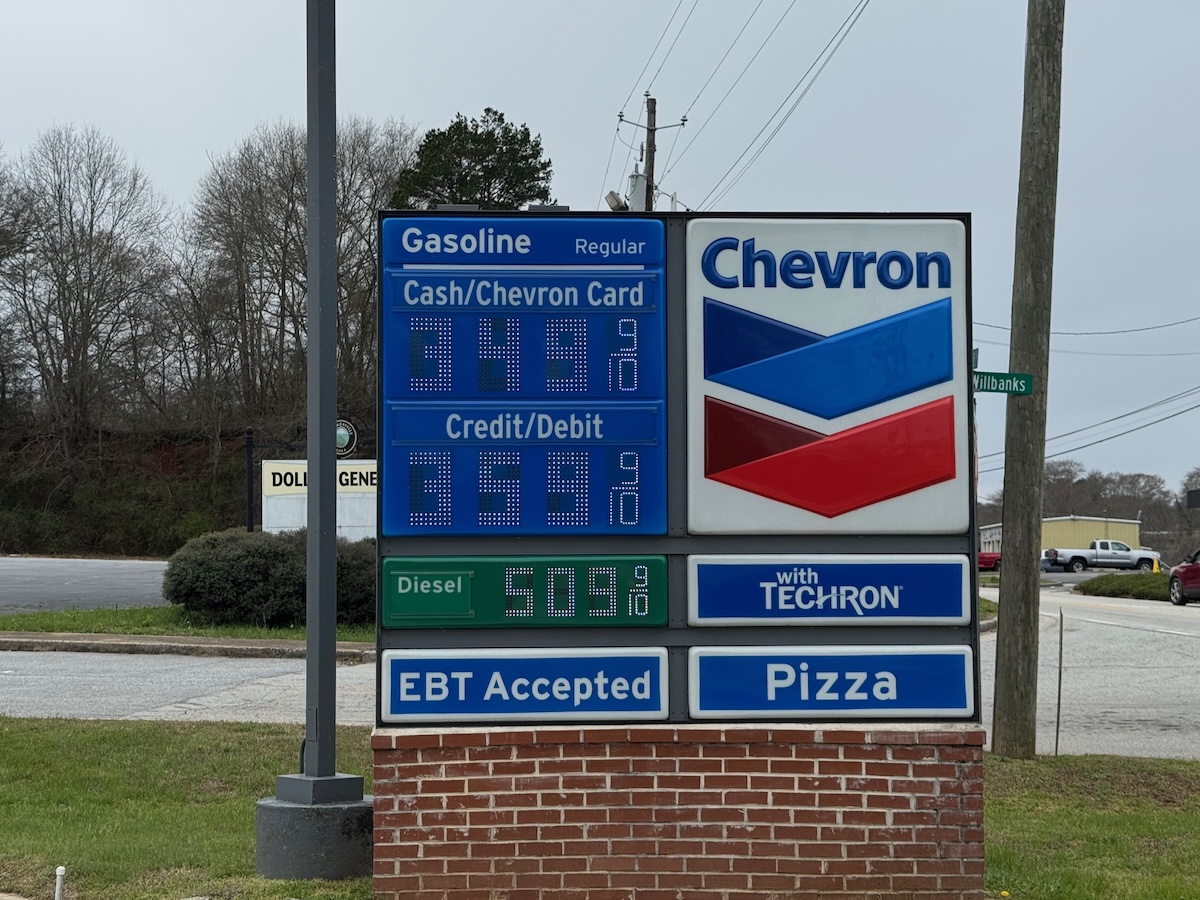
Lawmakers backing the bill pointed to previous gas tax suspensions during periods of high inflation as evidence the policy can help ease financial pressure on consumers.
However, some lawmakers raised concerns about the loss of revenue for transportation funding. Georgia’s gas tax is a primary source of funding for road maintenance and infrastructure projects, and critics warned that even a temporary suspension could affect long-term planning.
State officials have previously used surplus funds to offset the loss of revenue during earlier suspensions, a strategy that could again be used if the measure becomes law.
The proposal now heads to the Senate, where lawmakers will consider whether to adopt, modify or reject the plan. If approved, it would mark another instance of Georgia temporarily pausing its gas tax in response to economic pressures.