
From Thanksgiving to ringing in the New Year, celebrations create great family memories but also bring on the dreaded flu season. It’s worse this year, and both West Georgia and East Alabama are on target for a high number of cases, according to the Centers for Disease Control (CDC).
Dr. John Jenkins, with Elite Family Medicine in Columbus, is seeing significantly more cases of influenza this year compared to last year.

“Temperature fluctuations can have a significant impact on flu season as the virus is more stable during colder, drier conditions and can survive longer on surfaces and when airborne,” explained Dr. Jenkins.
The Chattahoochee Valley has experienced several days with below average temperatures. Although this week is reminiscent of spring, next week shifts to colder weather.
Dr. Jenkins advises, “Vaccination and handwashing are effective ways to avoid the flu. Also, crowded venues and contact with symptomatic individuals can increase the risk of transmission and infection.”
Back to masking

Piedmont Hospital locations in Columbus and across the state have seen an uptick in flu cases. A spokesperson for Piedmont Columbus Regional told Now Georgia that it has been a busy time for the hospital.
“All Piedmont locations, not just in Columbus, are requiring patients, visitors, and hospital staff to wear masks.”
RSV can lead to pneumonia
The Georgia Department of Public Health offers advice for anyone infected with Respiratory Syncytial Virus (RSV) If infected with RSV, an individual is typically contagious for 3-8 days after symptoms start but may have been contagious 1-2 days before symptom onset. Usually, an individual is no longer contagious after symptoms stop. However, those with weakened immune systems and infants can continue to be contagious for up to 4 weeks.
As Now Georgia’s Robbie Watson reported, area schools are back in session. Children are often infected with RSV when they are outside of the house in settings like daycare or school.
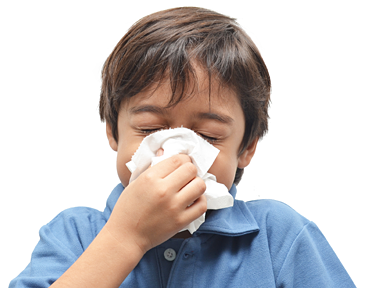
Yes, Respiratory Syncytial Virus (RSV) can lead to pneumonia, including the milder form known as “walking pneumonia,” especially in young children, older adults, and immunocompromised individuals, as the viral infection inflames the lung’s air sacs, sometimes allowing for secondary bacterial infections, and symptoms can progress from typical RSV signs like cough and runny nose to more severe pneumonia signs.
Pneumonia can also spread when an infected individual coughs or sneezes, and someone else breathes in those respiratory droplets. It occurs most often in crowded settings, including schools, college dormitories, and military training sites.
Stay healthy in this new year, especially as we move out of flu season and into spring. Then we can focus on allergies.