
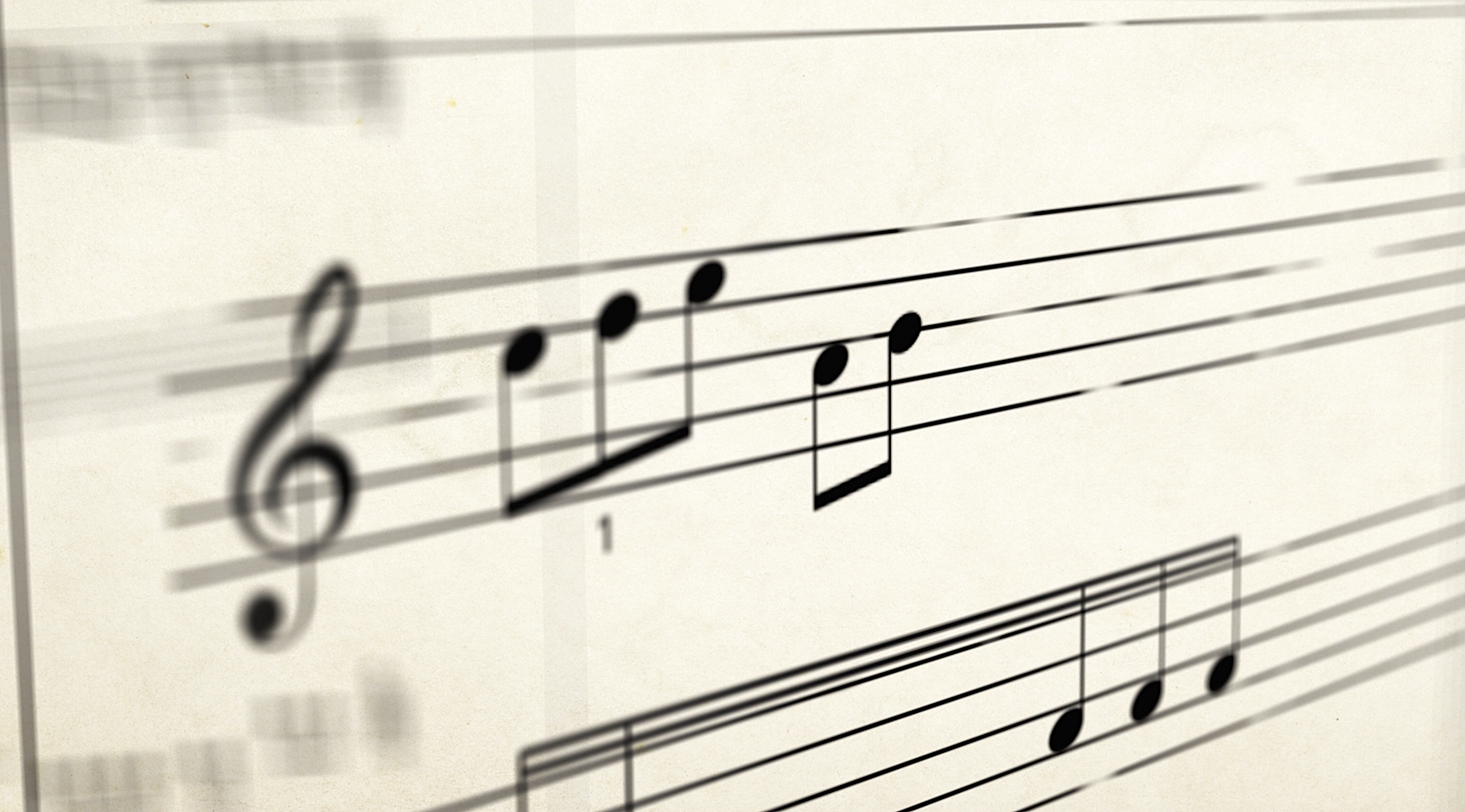
When someone asked Miles Davis what music is, he said it’s not the notes you play, it’s the space between the notes. If you have ever heard his music, what he said makes sense, because he was not a flashy player playing fast and loud; he was subtle, playing just enough to give meaning and depth to each pause between the notes.
That is one of the most helpful ways I can think of to talk about Jesus and the life of faith. In the Bible, the weeks after Easter are full of encounters with the risen Jesus that are just long enough to give new meaning and depth to the moments we spend waiting for God to show up.
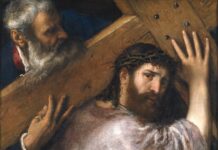
When I think about the empty tomb the disciples found on Easter morning, or the wounds in Jesus’s hands and feet that he shows Thomas to help him believe, I see Jesus holding space between the notes in a way that brings the whole world to life. It is awkward to hold space for what God has promised to do when we’re struggling to believe, or when God’s promises have not yet arrived. Yet that is one of the most important things Jesus does for us, and it’s one of the most important things we can do for each other.
In the understanding of the Greek and Roman world in the New Testament, something either was, or it wasn’t. It either existed, or it didn’t. There was no language for holding space in their accounting of reality until 1,000 years later when the crusades brought the concept of zero home from the Arab world. Only then did the western world find a way to do math around a space that is empty for now but which one day will be filled.
That is what Easter does—it shows us a whole new way to do the math in the way we live our lives, and hold space for God to show up. Jesus’s tomb takes the shape of whatever hole we find in our lives after a loved one has died. It’s whatever place we keep coming back to after we’ve had to let go of a hope or a dream. It is the space God holds for our deepest fears when they come true. Easter helps us see these moments not as places where God is absent from the world, but as placeholders for the day when God has promised to wipe every tear away.
“He is not here” is how the Easter story begins (Matt. 28:6). What starts as a feeling of God’s absence becomes a placeholder for God’s power and love in our lives. The tomb is empty because Jesus lives and because God can give back what the world only knows how to take away.
If we are wondering how to be faithful this Easter season, we might start by paying more attention to the space between the notes in our own lives and in the lives of our neighbors. We might start by thinking of ourselves as placeholders for God’s love for the world.
When we see someone being called everything but a child of God, we can hold space for the image of God in that person that not even the cross could strip away. When our hopes have been shattered, and the wounds have yet to heal, we can hold space for God to show up and put us back together, and we can remember that even these wounds might someday be the very testimony someone else needs to hold on to when they are struggling in their faith.
Thinking of ourselves as placeholders is one of the most important ways we can prepare ourselves for what God has in store for us, so that good news doesn’t catch us off guard when it finally arrives.
_____
Rev. John Harrison is the pastor of Nacoochee Presbyterian Church in Sautee Nacoochee, located at 260 GA-Hwy 255 North. Visit them online at nacoocheepresbyterian.org.
Don’t miss what everyone in town is talking about.
Join 4,000+ locals and choose our free newsletter covering news, events and the stories shaping our region.