

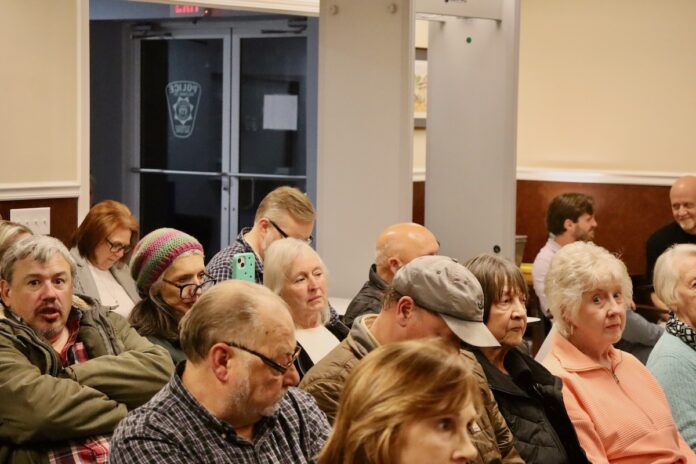
BALDWIN, Ga. — The Baldwin City Council voted Tuesday night to approve the first reading of a proposed annexation and rezoning tied to a development request from Cook Construction, a move city officials stressed was procedural and does not represent final approval of the project.
The ordinances passed by a 2-1 vote. Councilman Mike Tope made the motion, which was seconded by Councilwoman Nancy Lehman. Councilwoman Kerri Davis was not present for the meeting.
What the vote means — and what it doesn’t
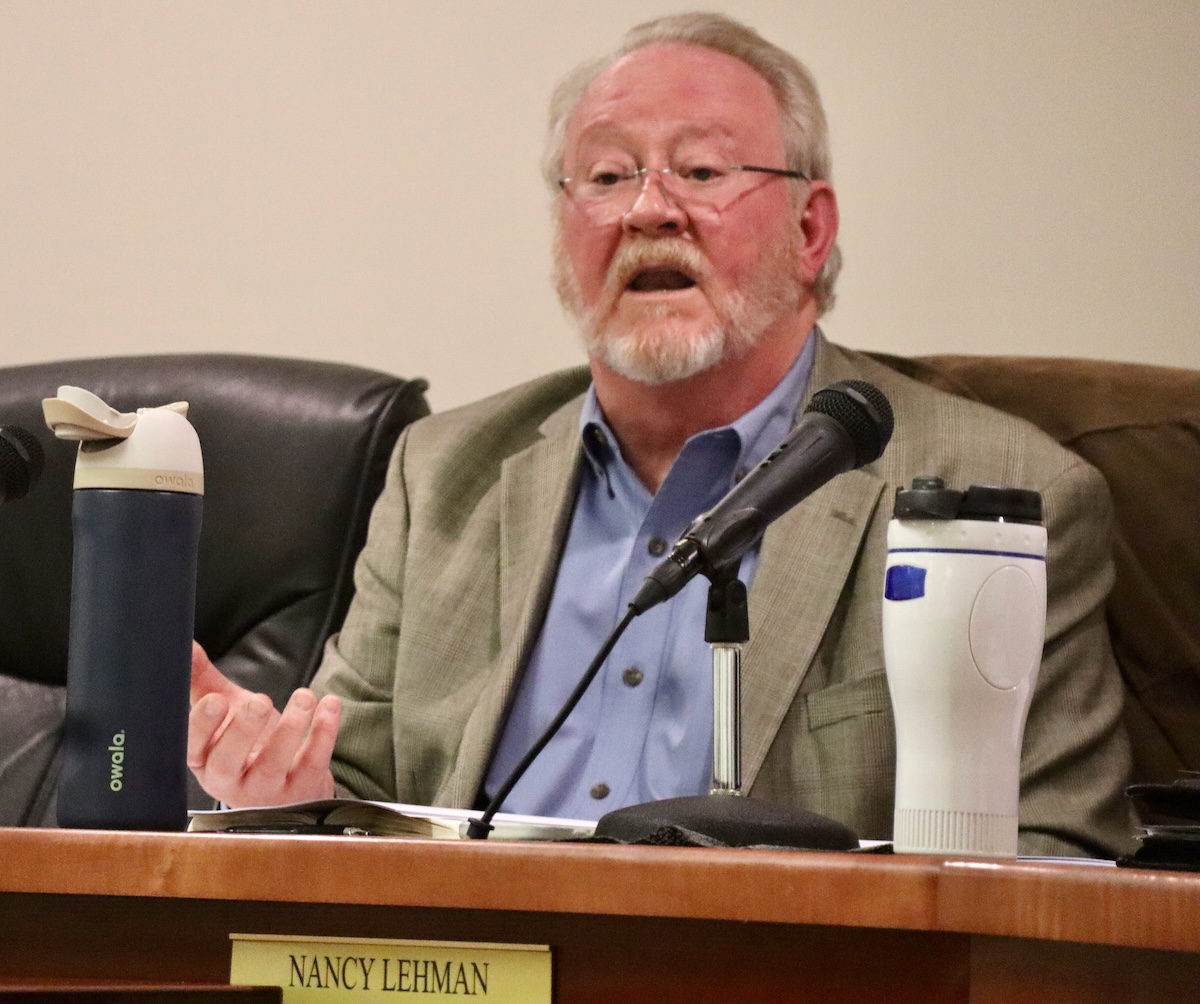
Before the vote, Mayor Doug Faust outlined what a first reading authorizes — and what it does not.
“This first reading is an authorization to continue the process of reviewing the annexation,” Faust said. “It is not an approval of the annexation.”
Faust said the proposal must still go through a public hearing, followed by a second reading and final vote before any annexation or zoning change could take effect. He said the city is working to identify a larger venue for the hearing and noted that state law requires at least 15 days’ public notice.
Developer outlines proposal
Cook Construction attorney Vince Fitzgerald said the proposal includes 21 acres already within Baldwin city limits and an additional 88 acres proposed for annexation, for a total of about 109 acres.
He emphasized that neither residential housing nor data centers are permitted uses under the requested highway business zoning.
The conceptual plan includes retail space, restaurants, a gas station, a grocery store, a medical office, a senior living facility and stormwater infrastructure. Fitzgerald said the plan aligns with the city’s comprehensive plan, which identifies the Ga. 365 corridor as a priority area for commercial and retail growth.
Public raises traffic, infrastructure concerns
Several residents spoke during public comment, many focusing on traffic safety, long-term infrastructure costs and the character of the area.
Former councilwoman Alice Venter warned that future road and sewer improvements could be costly and unpredictable.
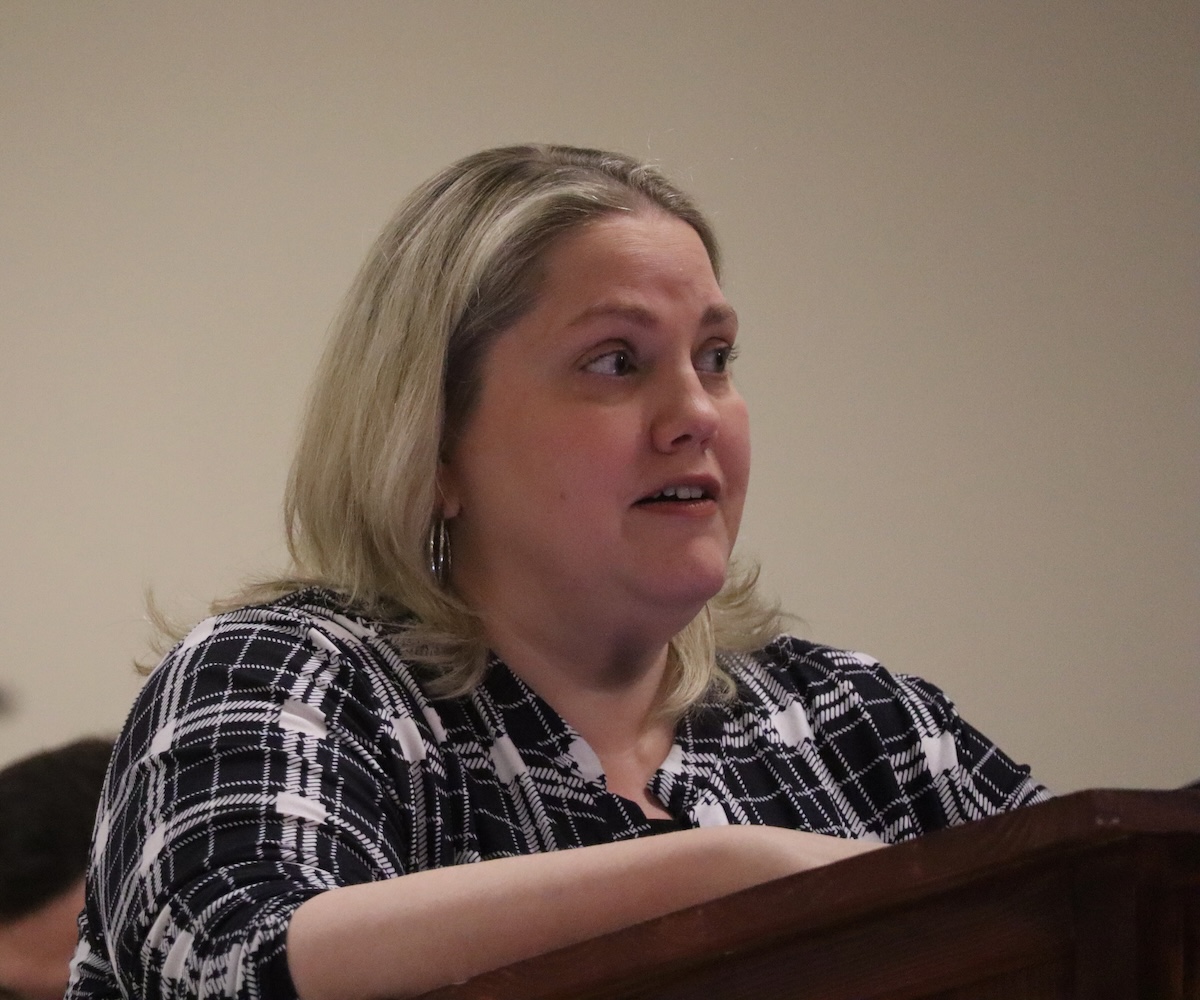
“You wouldn’t know this unless you’ve sat through years of engineering meetings,” Venter said. “Even when capacity looks fine on paper, high rain events create problems, and that infrastructure is very expensive to repair.”
Alto resident Janet Brooks said she fears development along Ga. 365 could mirror the congestion seen in metro Atlanta suburbs.
“I hate going to Woodstock, and I don’t want Habersham to become that,” Brooks said. “That road is dangerous. I sit in my parents’ living room and hear wrecks at night — many of them fatal.”
Cornelia resident Charles Frankum said traffic conditions at the Duncan Bridge intersection already feel unsafe.
“When the light turns green, I don’t go,” Frankum said. “I sit there and watch to see if people are stopping. I shouldn’t have to do that.”
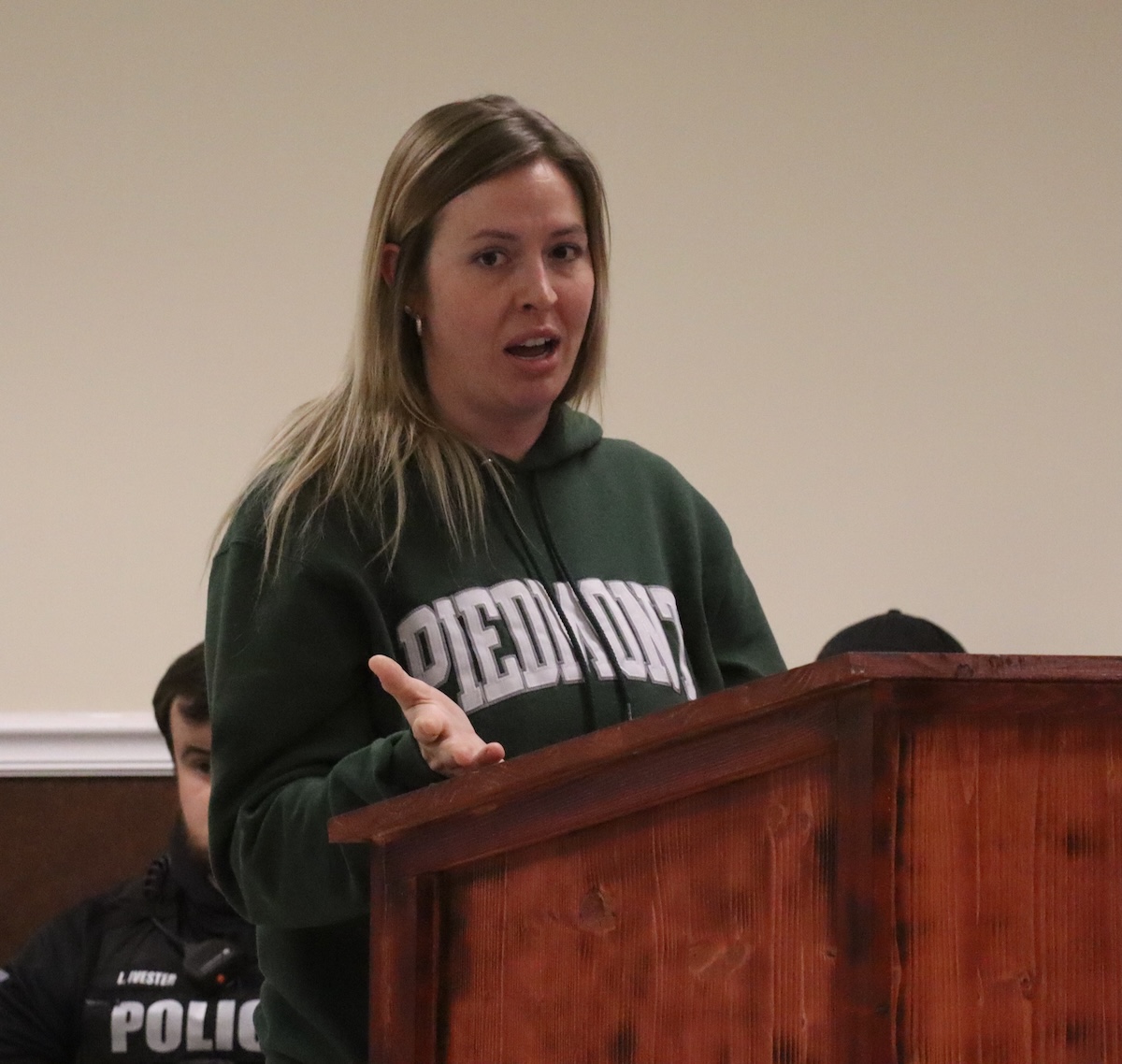
Frankum said nearby homeowners worry construction could hurt property values and urged the council to preserve the area’s character. “We don’t want to be Atlanta,” he said. “If we did, we’d live there.”
Demorest resident McKenzie Cain said transparency and ethics should guide the city’s decisions as the proposal moves forward.
“If something’s going to be decided, it should be done ethically and transparently,” Cain said. “I love this area, and I’ll do anything to protect it.”
Cain also raised separate concerns about Fourth Amendment issues related to the city’s proposed use of Flock license plate reader cameras, noting her comments on that topic were independent of the Cook annexation.
Infrastructure funding, next steps
Councilman Joe Elam asked how water and sewer infrastructure would be funded. Faust said discussions have focused on developer-funded options, including the possible creation of a tax allocation district.
“There is no consideration that the city is paying for any of the infrastructure to bring sewer or water to them,” Faust said.
Fitzgerald said any traffic studies or required improvements would be governed by the Georgia Department of Transportation, noting Ga. 365 and Duncan Bridge Road are state highways.
Tope: Moving forward was about following process
After the meeting, Tope said his motion to approve the first reading was driven by the
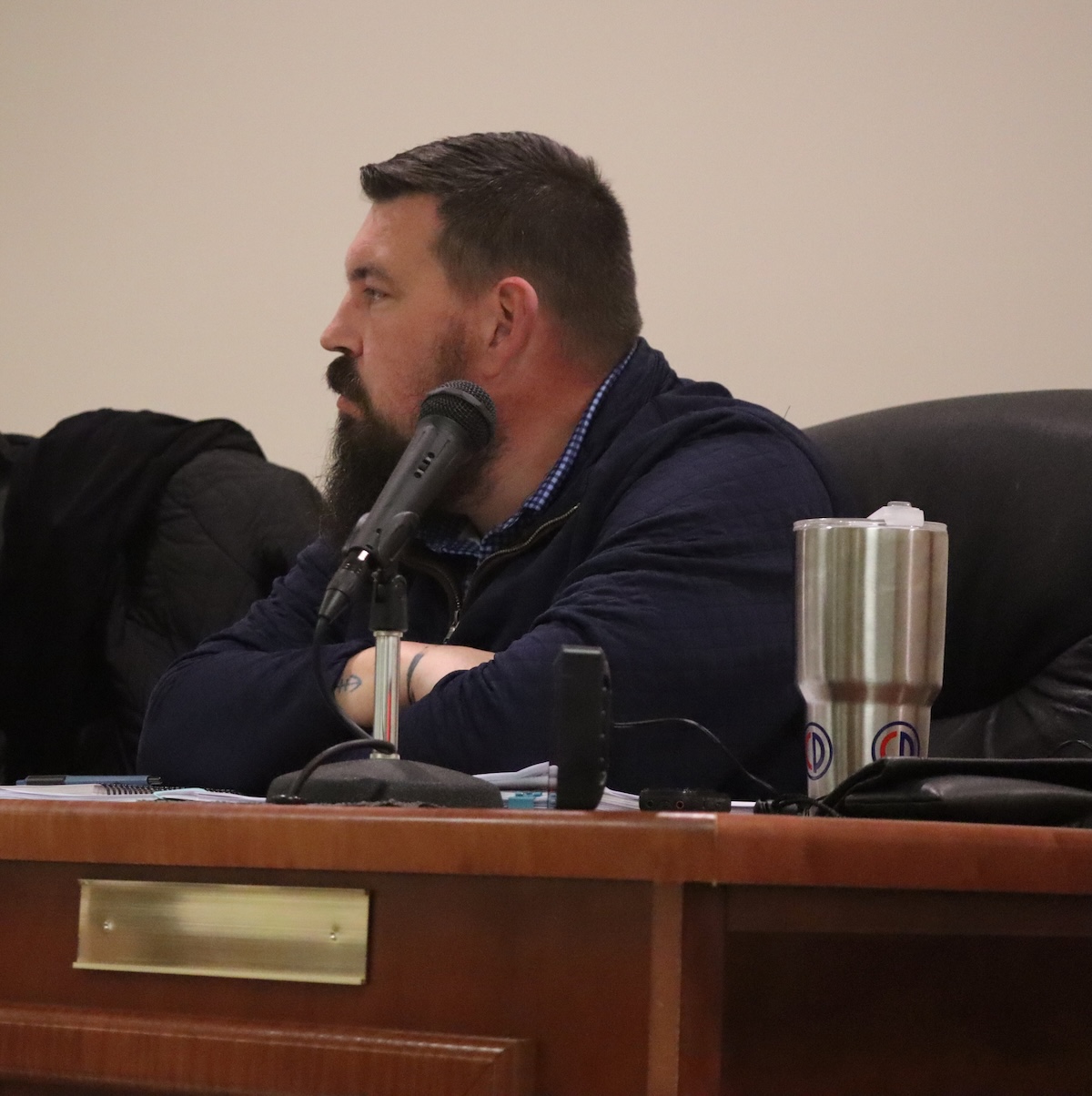
council’s obligation to follow its established process — not by support or opposition to the project itself.
“There’s a process,” Tope said. “We’ve got to follow the process. That means getting the first reading, having a public hearing and continuing through the steps.”
Tope said failing to do so could set a problematic precedent.
“This isn’t approval by any means,” he said. “If we don’t follow that process, we’re setting a precedent for future councils to shut something down and really hinder property.”
No final decision on the annexation or zoning was made Tuesday night. The proposal must still go through a public hearing and second reading before the council can vote on final approval.