
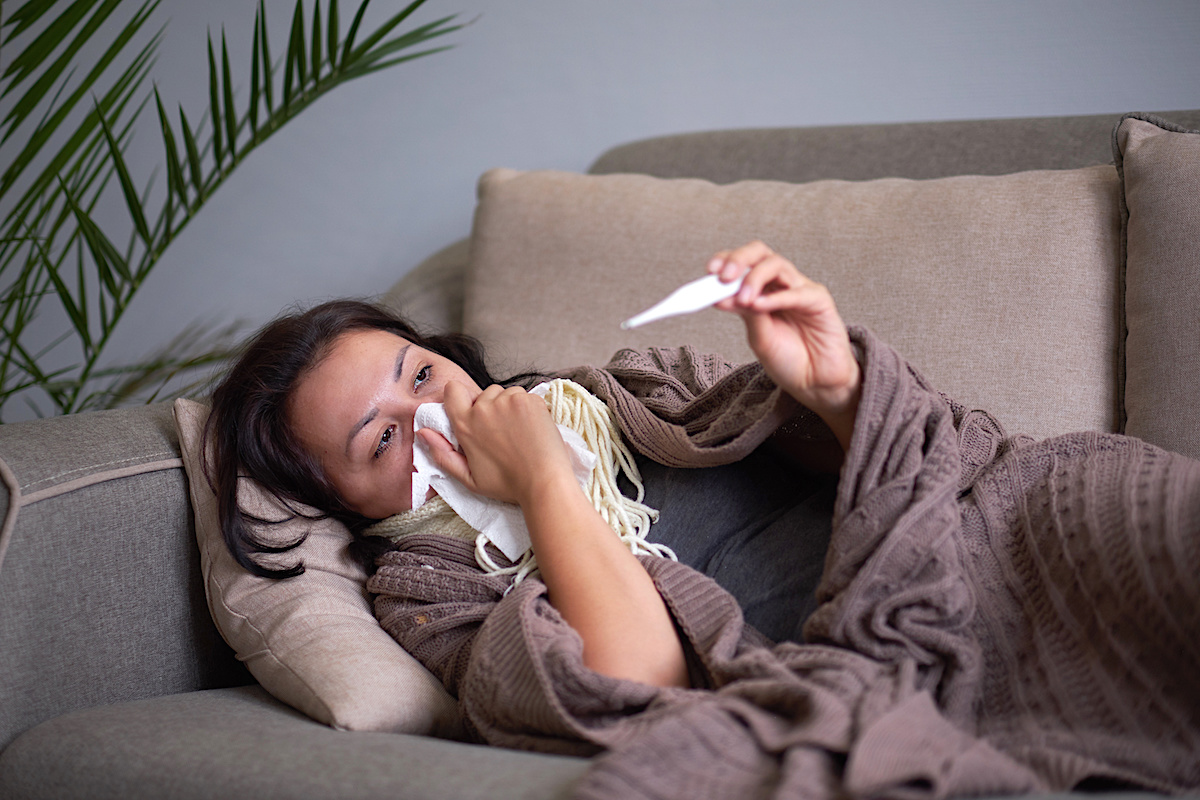
Thanksgiving and Black Friday shopping seem to be taking a back seat for many fighting the flu and colds. Respiratory illnesses typically peak between December and February, as colder weather arrives and sticks around for a while. This year cases seem to be getting a jump start.
An Ounce of Prevention is Worth a Pound of Cure
Trey Pritchett M.D., a family medicine physician with, Piedmont Physicians at Green Island, recommends focusing on prevention to reduce the risk of colds, flu, COVID-19 and other seasonal illnesses.

“Cold and flu season can affect anyone, and illnesses often spread more easily during the fall and winter,” said Dr. Pritchett. “Taking simple preventive measures can reduce your risk of getting sick and help protect those around you.”
Good hygiene is still one of the most effective ways to prevent illness. Dr. Pritchett recommends washing hands often with soap and water for at least 20 seconds, using hand sanitizer when necessary and covering coughs and sneezes with a tissue or elbow.
Maintaining a healthy lifestyle can also help support the immune system.
- Eating a balanced diet: Think fruits, vegetables and whole grains, along with foods containing vitamin C and vitamin D, may help support overall health during the colder months.
- Regular physical activity: This is also important and a good way to manage holiday stress, with federal guidelines recommending at least 150 minutes of moderate intensity exercise each week.
- Staying hydrated and prioritizing sleep: Adults should aim for at least seven hours of sleep each night and drink enough fluids to help their bodies function properly.
Vaccination remains a key component of respiratory illness prevention.
“The flu vaccine can prevent numerous strains of the virus, and it can also lessen the severity of illness for those who still become sick,” said Dr. Pritchett. “It does a great job of keeping people out of the hospital and helps those with chronic conditions reduce the risk of serious complications.”
Stay in Touch with a Healthcare Provider
Because symptoms of cold, flu and COVID-19 often overlap, Dr. Pritchett encourages people to take symptoms seriously and consult a healthcare provider when needed.
“If you are sick with a cold, the flu or COVID-19, your best form of treatment includes staying home, taking care of yourself and staying in touch with your doctor,” Dr. Pritchett said.
As colder weather arrives and respiratory illnesses become more common, take steps to stay healthy throughout the holiday season and enjoy family, food, and the upcoming Christmas festivities.
Don’t miss what everyone in town is talking about.
Join 7,000+ locals and choose our free newsletter covering news, events and the stories shaping our region.