
CLEVELAND, Ga. — The City of Cleveland is moving to change how appeals are handled for people who exceed the city’s limit on motel and hotel stays, following a recent controversy that left several long-term residents facing displacement.
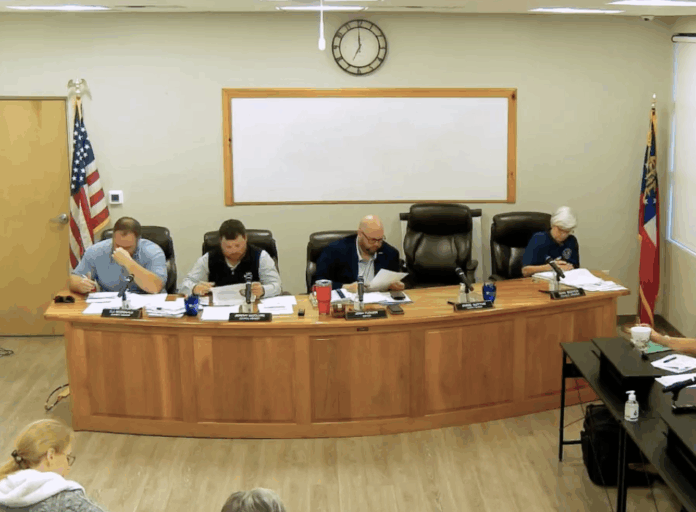
On Monday, September 15, the Cleveland City Council held the first reading of an ordinance that would create a new “hotel/motel waiver committee.” The committee would be made up of the city’s fire chief, police chief, planning and economic development director, and city manager.
City Manager Kevin Harris told the council the goal is to simplify and improve the process so that it’s more than an administrative task.
“What we’re proposing is having a hotel/motel waiver committee … so it would be a committee of four staff members,” Harris explained. If an operator is not satisfied with the committee’s decision, they would still have five days to appeal to the city council.
Currently, Cleveland limits hotel and motel stays to no more than 14 consecutive days. Exceptions can only be granted by the city council on a case-by-case basis.
Under scrutiny
That system came under scrutiny in August, when the council heard four separate requests for variances involving long-term residents of the Knights Inn on South Main Street. After hearing from Deborah Partain, who spoke on behalf of owner Sam Patel, the council denied each request.
Mayor Josh Turner defended the council’s decision, saying the city had a duty to look out for safety.
“It puts us in a difficult situation from the hotel owners that allow these people to stay longer than they’re allowed and in conditions a lot of times that are not safe,” Turner said. “So that’s one of our obligations, to protect citizens, and these folks are citizens of Cleveland when they reside in these hotels. So that’s our position, and we’re going to protect them.”
One of the requests involved a single mother with three children. Though her variance was denied, the council directed law enforcement to help connect her with Family Promise and other local agencies for support.
The proposed change would take the initial decision out of the hands of elected officials and place it with staff. If the operator, as described in the ordinance, is not satisfied with the committee’s decision, they would have five days to file an appeal to the city council.
The second reading of the ordinance is expected at an upcoming council meeting.
This article is based on reporting by Dean Dyer of WRWH Radio