On a small hill in one of Cornelia’s historically Black neighborhoods, Miss Sally’s Cafe stands as a marker of memory and the enduring importance of a gathering space. Its elevated position mirrors the café’s long-standing role as a place of visibility and connection within the community. For decades, the lunchroom served not only meals but also fellowship, functioning as an informal hub where daily life unfolded, and neighbors looked after one another.
That history remains present through the memories of people who knew the space well. Trent Primer, who spent time at Miss Sally’s Cafe as a child, recalls the café as a place defined by warmth and watchfulness. In a video directed by Audrey Davenport, Primer gestures through the room as he remembers “a big stove where we kept warm,” and describes Miss Sally as someone who “was just a mother of our community.” He adds, “There’s so many memories, I can’t remember all of them.”
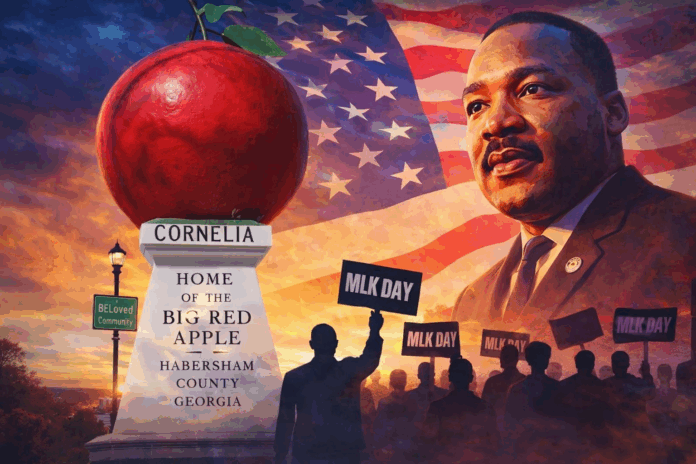
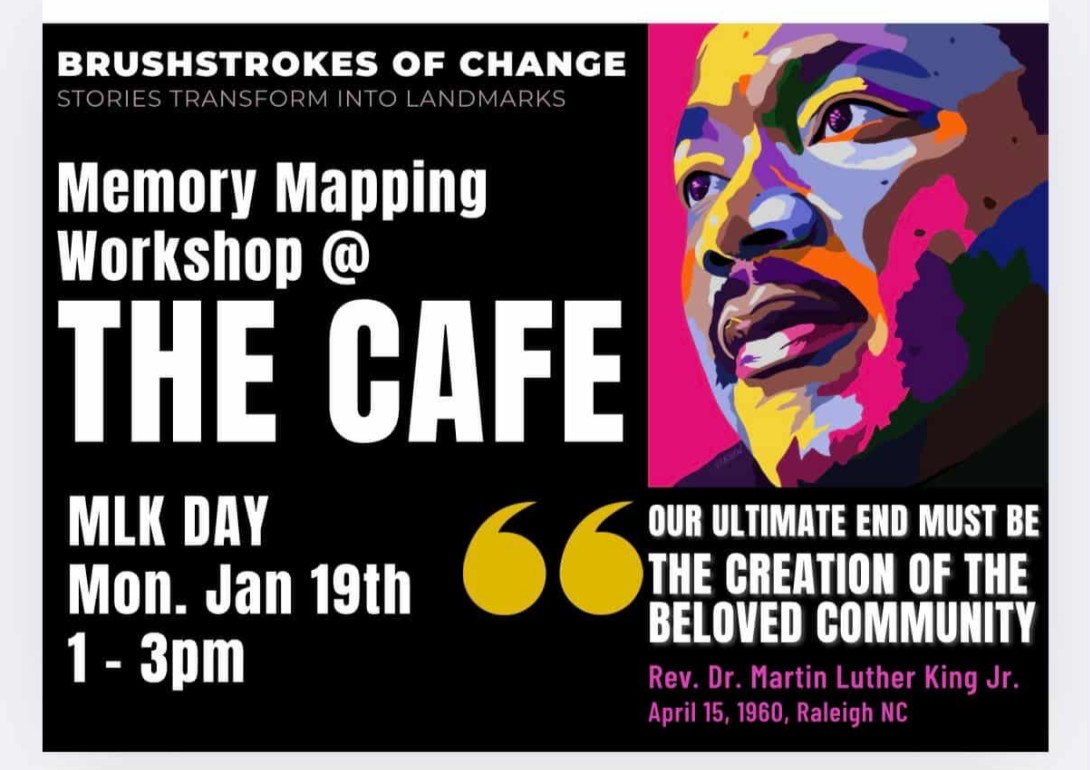
On Monday, January 19, history will once again take shape as residents gather inside the former café for a Memory Mapping Workshop hosted through Brushstrokes of Change.
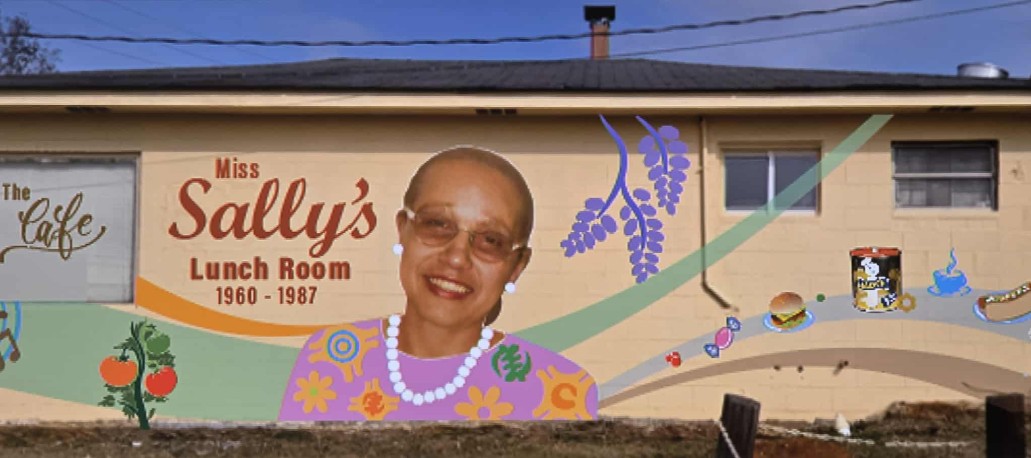
The workshop, scheduled from 1 to 3 p.m. on Martin Luther King Jr. Day, invites community members to reflect on lived experiences tied to place. Rather than presenting a finished design, the event creates space for recollection, dialogue, and shared authorship. Participants will contribute memories connected to Miss Sally’s Lunch Room, which operated from 1960 to 1987 and served as a gathering place for food, warmth, and connection.
The January 19 gathering draws inspiration from Dr. King’s call for collective responsibility and care. As King stated in 1960, “Our ultimate end must be the creation of the beloved community.” That principle guides the work of Brushstrokes of Change, which treats public art as a civic process shaped by those who live alongside it.
Audrey Davenport plays a central role in that vision. Through her leadership, Brushstrokes of Change approaches murals as landmarks formed through participation rather than prescription. The initiative asks how public spaces can reflect shared history while remaining responsive to the people who inhabit them. Underused places, from former cafés to parks and parking lots, become opportunities for storytelling and consequently belonging.
That commitment to access and inclusion extends beyond public art. The Audrey Davenport Scholarship, administered by the North Georgia Community Foundation, supports a non-traditional Black or African American female student attending a college or university in Georgia. The scholarship stands among more than 80 funds offered through the foundation’s annual application cycle, which opens January 15 and runs through March 2. Together, these scholarships help remove barriers to education while honoring the values of those whose names they carry.
The memory mapping workshop at Miss Sally’s Café connects these efforts by grounding future murals in lived experience. Stories shared during the event will help inform ongoing public art projects, including murals planned for Jim Smith Park, where work supported by a Vibrant Communities grant from the Georgia Council for the Arts will honor the cultural legacy of Cornelia’s historically Black neighborhoods.
As residents gather on January 19, the former café will again serve its longstanding purpose. It will hold memory, invite participation, and affirm the role of place in shaping community identity. The work does not end with a mural. It continues through the shared stewardship of preserving history.