

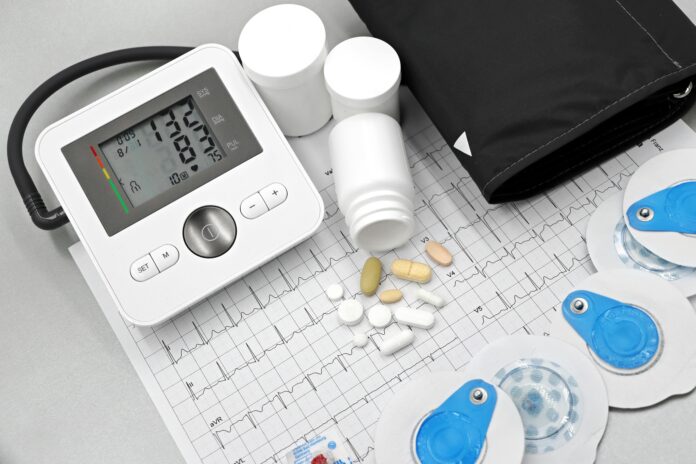
A Piedmont family physician emphasizes early detection and heart-healthy habits are critical following a new study published in the Journal of the American Medical Association reveals that nearly 80% of American adults with hypertension (high blood pressure) do not have it under control.
This alarming data indicates millions of Americans are at risk for heart disease, stroke, kidney damage, and dementia. Separate national data shows that nearly half of American adults have high blood pressure, and more than 40% are unaware they have it.
“Historically, high blood pressure was perceived to be a condition affecting older adults, but in recent years we’ve also seen increasing rates among younger adults,” said family medicine physician Vipin Mathew, with Piedmont Physicians at Riverchase. “That’s why routine screening during annual preventive visits is so important.”
Hypertension is often called the “silent killer” because it rarely causes symptoms but could still cause serious damage to the body.
Dr. Mathew encourages adults to take simple, proactive steps to reduce their risk:
- Maintain a healthy weight. Even modest weight loss can help lower blood pressure.
- Exercise regularly. Aim for at least 30 minutes of physical activity most days.
- Limit sodium intake. Ideally below 1,500 mg per day; no more than 2,300 mg.
- Eat heart‑healthy foods. Choose fruits, vegetables, whole grains, nuts and low‑fat dairy.
- Quit smoking and limit alcohol.
- Manage stress. Consider meditation, yoga or deep breathing.
- Regular monitoring. Periodically check your blood pressure with an at home monitor or during regular visits with your primary care provider.
“It’s important to know your numbers, so check your blood pressure regularly— including during a preventive visit,” Dr. Mathew said. “If your numbers are rising, your provider can develop a plan that may include home monitoring, medication or lifestyle adjustments.”