Home Blog Page 19

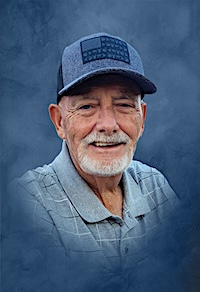
Steven Dewayne Holland

Steven Dewayne Holland, age 64, of Baldwin, went home to be with the Lord on Sunday, March 1, 2026.

Born on July 7, 1961, in Franklin, North Carolina, he was the son of the late Doyle Holland and the late Marlene Cope Cantrell. Steve dedicated more than 40 years of faithful service to Solmax. In his spare time, he enjoyed hunting, fishing, and golfing. Most important in Steve’s life was his family, especially his wife, children, and grandchildren. He was a member of Line Baptist Church.

In addition to his parents, he was preceded in death by his loving wife of 29 years, Denise Smith Holland; his brother, Curtis Holland; his stepfather, Marvin Cantrell; and his sisters-in-law, Sandra Barrett and Phyllis Smith.

Survivors include his children, Haleigh & Matt Mealor and Austin & Ashley Holland; grandchildren, Brody Mealor, Kason Mealor, Wyatt Mealor, and Clay Holland; brothers, Keith & Dorleen Holland, Andy & Keeley Holland, and Tim & Jennifer Cantrell; sister-in-law, Wanda Perry; along with numerous nieces, nephews, other relatives, and a host of friends.
Funeral services are scheduled for 2:00 p.m. on Thursday, March 5, 2026, in the Chapel of McGahee-Griffin & McEntire Funeral Home with Rev. Kenneth McEntire officiating. Interment will follow at Line Baptist Church Cemetery in Alto.

The family will receive friends at the funeral home from 2:00 p.m. until 4:00 p.m. and from 6:00 p.m. until 8:00 p.m. on Wednesday, March 4, 2026.

An online guest registry is available for the Holland family at www.mcgaheegriffinandmcentire.com.

McGahee-Griffin & McEntire Funeral Home of Cornelia, Georgia (706-778-8668) is in charge of arrangements.

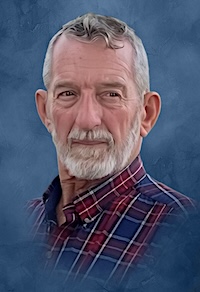
Harvey Lamar Dodd

Harvey Lamar Dodd, age 77, of Alto, Georgia, went home to be with the Lord on Friday, February 27, 2026.

Born on January 21, 1949, in Alto, he was the beloved son of the late Chester Dodd, Sr. and Margaret Davidson Dodd. Harvey served his country in the U.S. Army during the Vietnam War. He was known as a hardworking, dependable man who took great pride in providing for his family. He retired from Norfolk Southern as a Welding Supervisor after many dedicated years of service. Never one to shy away from honest work, he continued working in the logging industry for many years following his retirement from the railroad.

His strong work ethic was matched only by his deep love for his family.

Above all, Harvey treasured the time he spent with his loving wife, children, and grandchildren. His family was the center of his world, and his greatest joy came from sharing life’s simple, meaningful moments with them. Harvey’s life reflected his steady faith and quiet devotion. He attended Yonah Congregational Holiness Church.

In addition to his parents, he was preceded in death by his brother, Heyward Dodd, and his brother-in-law, Roger Armour.

Harvey leaves behind to cherish his memory his loving wife of 52 years, Gloria Armour Dodd; daughter and son-in-law, Amy Dodd Boisclair (DJ); son and daughter-in-law, Sidney Dodd (Stacy); grandchildren, Taylor Boisclair (Logann), Jackson Boisclair, and Shelton Dodd; and great-grandson, Beau Boisclair. He is also survived by his brothers and sisters-in-law, Hoyt Dodd (Joann) and Chester Dodd, Jr. “Pete” (Jeanette); brother-in-law and sister-in-law, Doug Armour (Anita); sister-in-law, Genell Armour; along with numerous nieces, nephews, other relatives, and a host of friends who will deeply miss him.

Funeral services are scheduled for 2:00 p.m. Tuesday, March 3, 2026, from the Chapel of McGahee-Griffin & McEntire Funeral Home with Rev. John Umberhant, Rev. Danny Oliver and Mr. Hoyt Dodd officiating. Interment will follow in the Yonah Congregational Holiness Church Cemetery with Rev. Tim Beasley officiating at the graveside. Military honors will be provided by the Grant Reeves Veteran’s Honor Guard.

The family will receive friends at the funeral home from 6:00 p.m. until 8:00 p.m. on Monday, March 02, 2026.

An online guest registry is available for the Dodd family at www.mcgaheegriffinandmcentire.com.

McGahee-Griffin & McEntire Funeral Home of Cornelia, Georgia (706/778-8668) is in charge of arrangements.

Mt. Airy moves forward on downtown engineering, approves court technology fee

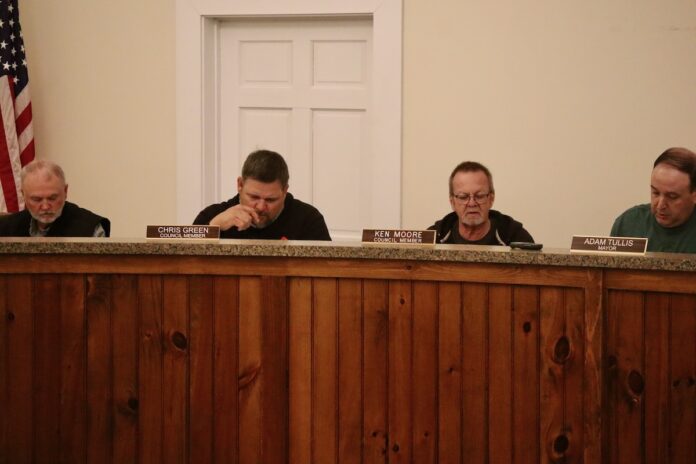
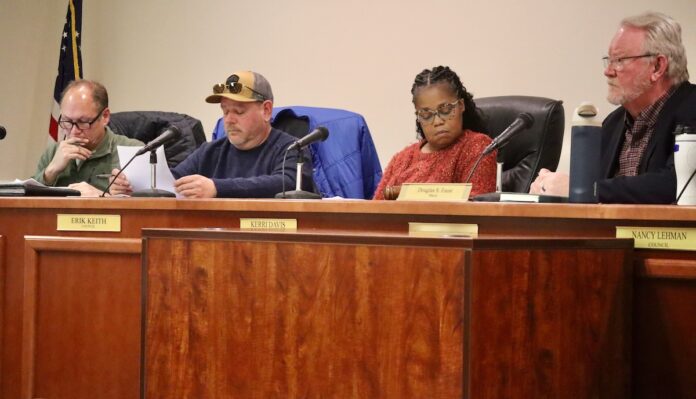
The Mt. Airy Town Council voted to hire an engineering firm to look at the city’s proposed downtown development area. (Patrick Fargason/NowGeorgia.com)

MOUNT AIRY, Ga. — The Mt. Airy City Council voted unanimously Monday to hire Baldwin-based Foothills Land Design to provide engineering services for the city’s proposed downtown development area and approved a new technology fee for municipal court cases.

The engineering vote follows weeks of discussion after council members tabled an earlier proposal in February and sought additional quotes before making a decision. City leaders have said professional engineering guidance is a critical first step in determining what can realistically be built on the property and how it could support long-term commercial growth in downtown Mt. Airy.

Under the proposal approved Monday, the city will proceed with two components: a concept site plan for $1,800 and full site design services for $8,800. Combined with an estimated $950 for a Level 4 soils analysis, the anticipated total cost is approximately $11,550.

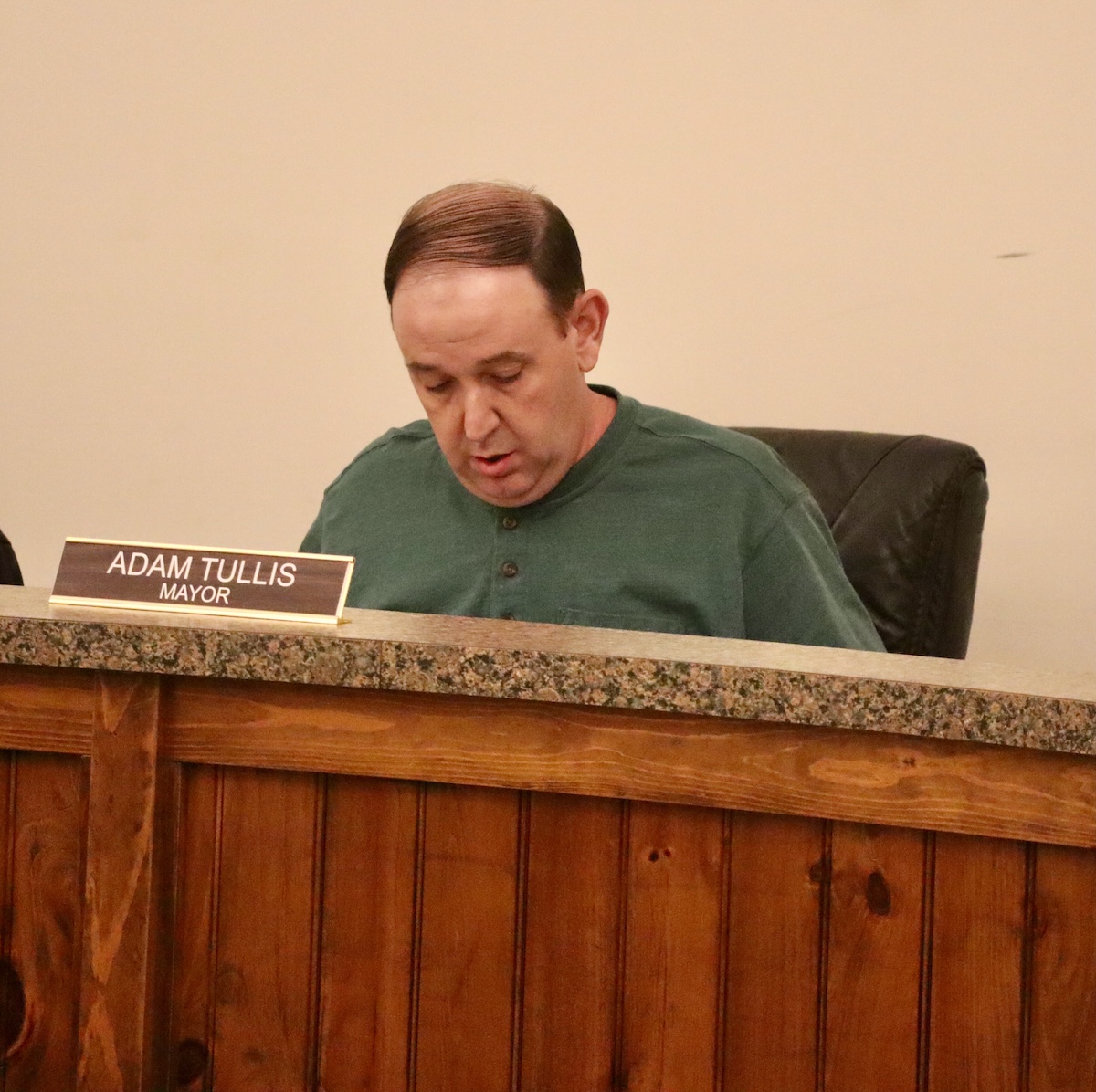
The council authorized Mayor Adam Tullis to spend up to $14,600 to allow flexibility depending on the final cost of the soil testing and related expenses.

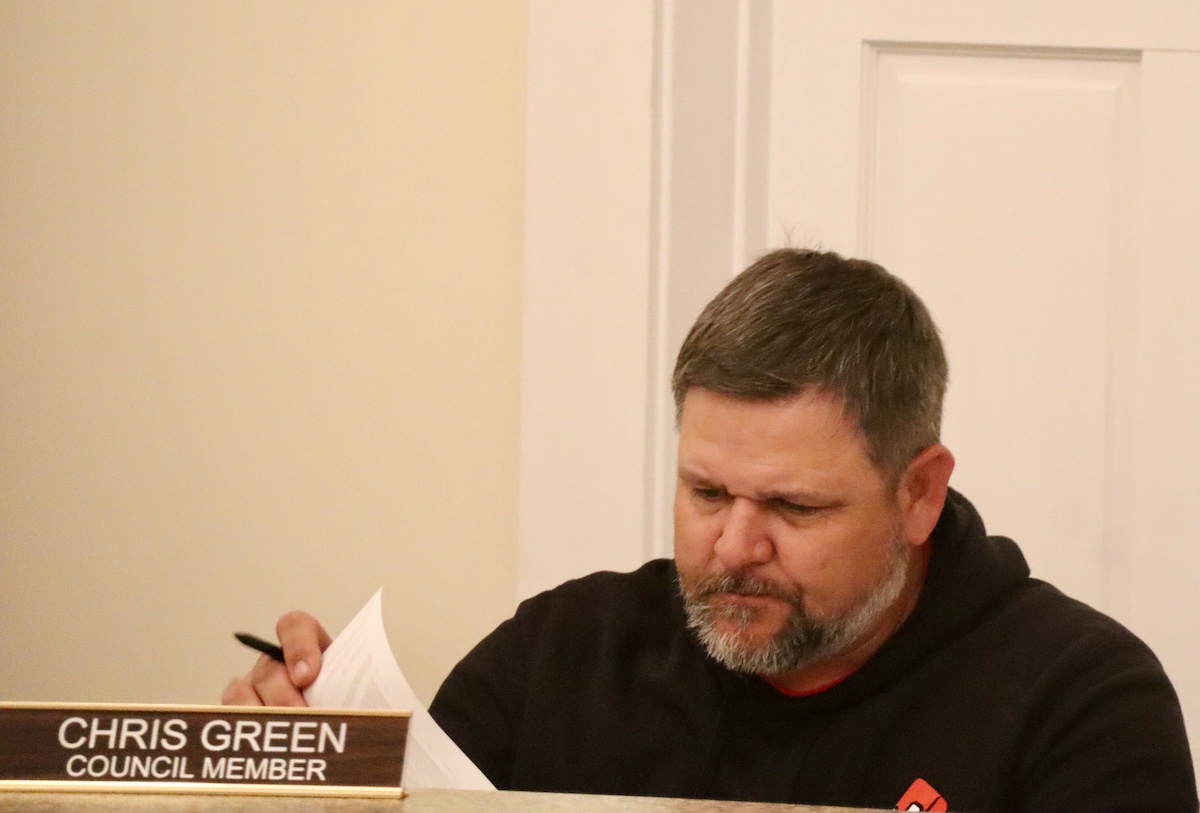
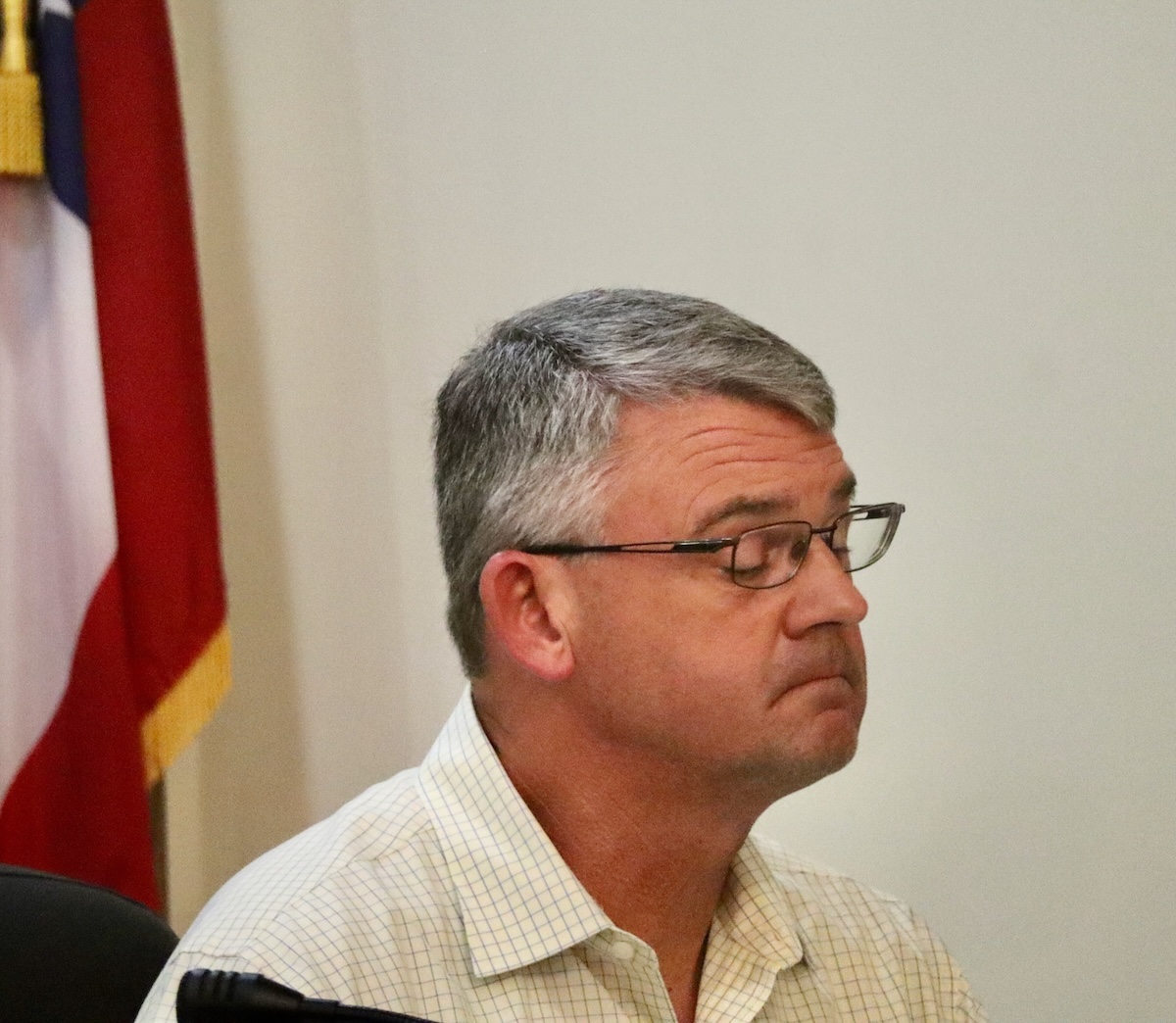
Councilman Chris Green reviews the quotes for engineering services. (Patrick Fargason/NowGeorgia.com)

The concept plan phase includes reviewing existing site conditions, researching Mt. Airy’s zoning and development regulations, evaluating setbacks and stormwater requirements, and preparing an initial land plan with one revision.

The full site design phase includes grading plans, erosion and sediment control plans, drainage system design, water service design for domestic use and fire protection, construction details and plan submittals to the city.

Tullis said the more detailed Level 4 soil analysis was recommended to ensure precise development boundaries.

“Level four, you can go up to whatever the lines are with the property line, anything else that you’ve got to have a setback from,” Tullis said. “Level three is a little less precise, so Foothills called back and said to add a level four soil analysis.”

Councilman Patrick Ledford said Foothills Land Design demonstrated strong interest in the project and the community.

“He was pretty interested in the project,” Ledford said. “I think his family has some history here in the town, and he’s really interested in being a part of it.”

During the Feb. 9 council meeting, members emphasized that engineering work is foundational to the city’s broader vision of creating a downtown development area or business center. Officials said at the time that without a detailed site plan and engineering analysis, the city would not know the property’s true development capacity, infrastructure needs or septic feasibility.

City leaders have discussed using the site as a catalyst for downtown revitalization, but noted that permitting, utility planning and environmental requirements must be addressed before construction or tenant recruitment can occur.

Following Monday’s meeting, Tullis told Now Georgia there is not yet a firm timeline for what comes next once the engineering work is complete.

“We don’t really have a timeline right now. It’s just the first step,” Tullis said. “We’ll see how the timing works right after we get this.”

In separate action, the council unanimously approved a resolution to impose a technology fee of up to $10 on municipal court cases.

Mt. Airy mayor Adam Tullis outlines the $10 court fee on municipal court cases. (Patrick Fargason/NowGeorgia.com)

Tullis said the resolution must be submitted to the state, where legislation sponsored by state Reps. Victor Anderson and Chris Erwin is prepared pending local approval.

“You can charge a fee add-on to tickets for up to $10,” Tullis said. “You have to pass a resolution to the state of Georgia, which Victor Anderson and Chris Erwin have already got a bill ready waiting on our resolution, and then we can have a $10 fee to all tickets in the municipal court.”

He said the revenue will be restricted to a dedicated account for court-related technology expenses.

“The $10 is building its own special account, and it is restricted for computer software, computer hardware,” Tullis said. “That money is set aside just for that. So basically you’re taking a small burden off property taxpayers and putting it on people who use the court system.”

The technology fee is intended to help offset court software and equipment costs without increasing property taxes.

Clarkesville orders topographical survey as next step in hotel, fire station plans

The City of Clarkesville voted to order a topographical survey as the first step in the planning stages of what to do with the old courthouse property. (Daniel Purcell/Now Georgia)

CLARKESVILLE, Ga. — The Clarkesville City Council voted unanimously Monday to commission a topographical survey of the former Habersham County courthouse property, marking the first formal step toward potential redevelopment of the site for a new fire station and a downtown hotel.

The vote came after an extended work session discussion about how to divide the city-owned property between two possible projects: a future fire station and an overnight lodging development.

Mayor Franklin Brown said the city is ready to move from feasibility discussions into planning.

“What I’m asking for is that we do the study feasibility to see if, one, if it’s going to work, and two, then we know kind of what we have to do,” Brown said. “Basically, we’ve got to get all our data on the fire station — what we’re going to need and how — then we see what’s left for development”

Brown emphasized that any fire station and hotel would have to proceed as two separate projects. The fire station portion would remain in the city’s name to preserve eligibility for grants and public funding. The hotel portion could eventually be transferred to the Clarkesville Downtown Development Authority for financing and development.

Before any subdivision can occur, council members agreed they need accurate site data.

Councilwoman Leigh Johnston said a topographical survey and engineering work are necessary before the city can make decisions about parcel boundaries.

“Topo, plat, potential subdividing — but you can’t do that without the topo,” Johnston said. “You need the topo and the engineering work. So you need all of that before you can make a decision.”

Councilman Blake Rainwater said the city must understand the physical constraints of the property before moving further. (Patrick Fargason/NowGeorgia.com)

Councilman Blake Rainwater agreed, saying the city must understand the physical constraints of the property before moving further.

“Step one is topo,” Rainwater said. “We’ve got to know what this property we’re dealing with.”

Rainwater also stressed that fire station logistics must drive the site layout if the facility remains city-owned.

“If the fire station is going to be owned by Clarkesville and the taxpayers, we’ve got to make sure we get the flow — the incoming traffic, other engines in every day,” he said. “There’s going to be some logistics of the fire station.”

Councilman Brad Coppedge suggested the city establish acreage ranges for both projects once survey data is available, particularly to understand what would be required for grant eligibility versus what would be adequate for hospitality development.

“Is there a way that we could look at some ranges of what it would require under grant purposes — what type of acreage would it require us under that situation to go forward with grant writing — versus what would be adequate?” Coppedge said. “At least there might be some parameters that we could come up with which would allow us to keep the two properties separate.”

After voting to move forward with the survey, Coppedge also urged the city to establish timelines for the next steps.

“If we start a process, I think we should at least have some timelines,” he said.

The former courthouse property has been the subject of a recent hotel feasibility study that found Clarkesville could support a roughly 70-room downtown hotel, citing tourism demand and limited branded lodging options in the immediate market.

Monday’s vote does not divide the property or commit the city to construction of either project. Instead, it begins the data-gathering phase that council members said is necessary before determining how much land would be needed for a fire station and how much could be made available for private development.

The survey results and subsequent engineering work are expected to shape the next phase of planning for one of downtown Clarkesville’s most prominent redevelopment sites.

Baldwin police investigation begins as sources report ‘majority’ resigned

(Daniel Purcell/NowGeorgia.com)

Late last week, Now Georgia received phone calls from sources claiming to be former Baldwin police officers stating that “a majority of the agency had resigned immediately.” The resignations allegedly stem from interactions with Assistant Police Chief Justin Ferguson, according to sources.

Baldwin Police Chief Chris Jones confirmed to Now Georgia that there is an active internal investigation but declined to elaborate on the details. Chief Jones assured Now Georgia that the investigation is being taken seriously and that all employees have a right to due process.

A separate source with the Habersham County Sheriff’s Office told Now Georgia that their patrol units had to cover the city due to “manpower issues”.

Baldwin police have seen a number of resignations over the last five to six years, including the loss of two Police Chiefs and several officers for a variety of reasons.

Now Georgia attempted to reach out to Assistant Chief Ferguson, but his last known cell phone number goes directly to voicemail.

As of Monday evening, Chief Jones was unable to provide an update because he had not heard from the attorney representing the city of Baldwin. Justin Ferguson still shows as the Baldwin Police Department’s Assistant Police Chief on their website.

Now Georgia will bring you an update to this story as soon as more details are available.

A Christmas rifle, possible warning signs and 41 seconds of gunfire: jurors weigh Colin Gray’s fate

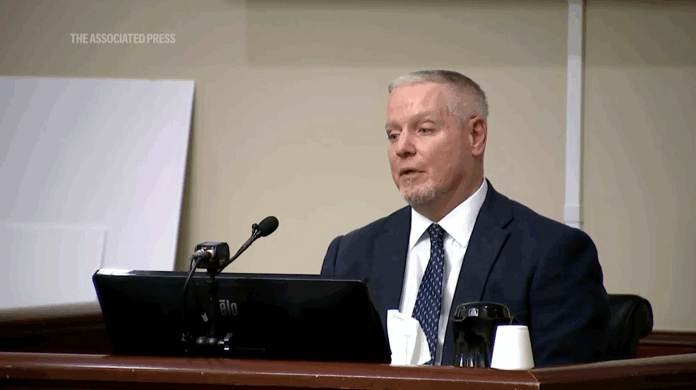
Colin Gray, the father of Apalachee High School shooting suspect Colt Gray, testifies during his trial, Friday, Feb. 27, 2026, at the Barrow County Courthouse in Winder, Ga. (livestream image via AP)

ATLANTA (AP) — The Georgia father of an accused school shooter could have prevented an attack that left two students and two teachers dead and many others wounded at a school northeast of Atlanta in 2024, a prosecutor said in her closing argument.

“After seeing sign after sign of his son’s deteriorating mental state, his violence, his school shooter obsession, the defendant had sufficient warning that his son was a bomb just waiting to go off,” Barrow County Assistant District Attorney Patricia Brooks told jurors. “And instead of disarming him, he gave him the detonator.”

Jimmy Berry, a lawyer for the father, Colin Gray, agreed that what the dad knew ahead of time was of paramount importance in the case.

“That’s real important because that really is the key to this case, is what did he know?,” he said. “Did he know that Colt would do this?”

Gray’s son, Colt Gray, is accused of bringing a rifle his father had given him for Christmas to his school and killing two students and two teachers and wounding many others.

In his closing argument, the defense lawyer held up a picture of Colt Gray, and said “this is the person who went into the high school and shot and killed four people he didn’t even know and injured scores of others.”

“This is the person who needs to be punished,” he said. “He made a conscious decision to do this, a secretive decision.”

The trial began three weeks ago. The jury is expected to begin its deliberations late Monday or early Tuesday.

The trial is one of the latest cases in which parents are being put on trial after their children are accused in fatal shootings, defense lawyers called Colin Gray to the witness stand. He testified Friday that he gave his son a rifle as a Christmas present in hopes of bonding with the boy over hunting and outings at the gun range.

Prosecutors say he should be held accountable for giving his son the weapon despite alleged threats and warning signs that the boy was mentally unstable.

Colt Gray was 14 at the time of the Sept. 4, 2024, shooting at Apalachee High School in Winder, about 50 miles northeast of Atlanta. He faces 55 counts, including murder, in the deaths of four people and 25 counts of aggravated assault.

The father faces 29 counts, including two counts of second-degree murder and two counts of involuntary manslaughter.

In their closing arguments, both sides used images to make their case.

Brooks showed photos of teachers and students closing classroom doors to protect the students and comforting teenagers wounded during 41 seconds of gunfire.

“Those 41 seconds forever altered the lives of the students of Apalachee High School, their parents and everyone in this community,” she said.

But the defense lawyer urged jurors to rely on facts, and not emotion in reaching their verdict. He contends that no one could have foreseen the shooting ahead of time.

“Who would be able to foresee that a 14 year old is going to take a rifle, as big as it is, as heavy as it is, and stick it in a book bag, get on a bus, come to school, walk down the hall, go to class, put it down on the floor and not one single person sees it,” Berry said. “How foreseeable is that?”

Prosecutors say that’s exactly what happened, and they played surveillance video in the trial they say shows Colt Gray getting on a school bus with a backpack that concealed the rifle.

In the video, he is seen entering the school with the backpack. He walks down several hallways past dozens of students and some employees who don’t take notice of the large size of the pack. He then begins classes, and later that morning spends several minutes in a bathroom moments before the shooting.

In dramatic testimony as the trial opened last month, several students testified in court about being shot during their algebra class. They recounted through tears seeing a classmate in a pool of blood, then seeing blood on their own bodies and fearing they might die.

There also has been testimony about what prosecutors describe as a “shrine” to a Florida school shooter that Colt Gray kept on a wall next to his computer at home.

He had an interest in Nikolas Cruz, convicted of the 2018 shooting that left 14 students and three staff members dead at Marjory Stoneman Douglas High School in Parkland, Florida, his mother, Marcee Gray, testified this week.

Marcee Gray testified at Colin Gray’s trial that she urged her husband to lock up the guns so that their son could not access them. But in the days before the school shooting, their son kept the gun in his bedroom, witnesses testified at the father’s trial.

The parents were separated for much of the time leading up to the shooting, and Marcee Gray was not charged with any crimes.

Death toll for US service members in Iran war rises to 6 as Trump projects weeks of conflict

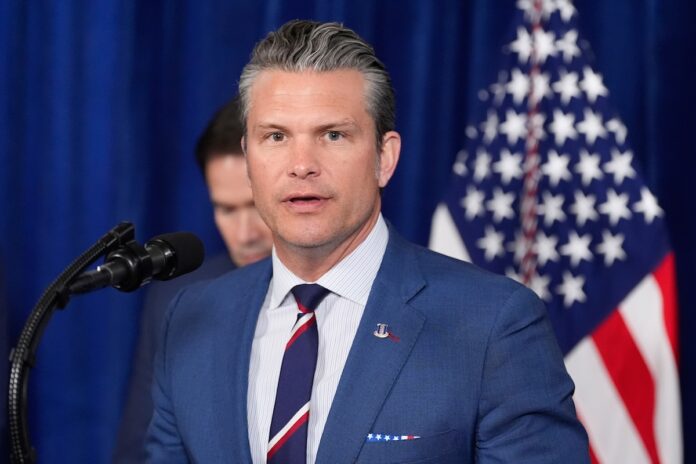
FILE - Defense Secretary Pete Hegseth speaks at Mar-a-Lago, Jan. 3, 2026, in Palm Beach, Fla. (AP Photo/Alex Brandon, File)

WASHINGTON (States Newsroom) — President Donald Trump said Monday he expects war with Iran will continue however long it takes to achieve his objectives, which include eliminating the country’s missile program, preventing its leaders from building a nuclear weapon and ensuring it cannot fund terrorism.

“Right from the beginning, we projected four to five weeks,” he said at a Medal of Honor ceremony in the East Room of the White House. “But we have capability to go far longer than that. We’ll do it. Whatever.”

His remarks followed an early morning briefing by Secretary of Defense Pete Hegseth, who emphasized to those in attendance the U.S. war on Iran will continue unabated on Trump’s terms, with more troops on the way and more casualties expected.

Speaking in public for the first time since the United States and Israel launched a massive attack early Saturday, Hegseth would not specify a timeline or exit strategy for the mission.

“We will finish this on America first conditions of President Trump’s choosing, nobody else’s, as it should be,” Hegseth said.

By 4 p.m. Eastern, U.S. Central Command had updated the death toll of American service members to six, though little detail was provided. Their names, ranks and hometowns have not been disclosed.

Trump mentioned the U.S. military troops who had been killed as a reason to continue with his war.

“Today, we grieve for the … heroic American service members who have been killed in action, and send our love and support to their families,” he said. “In their memory, we continue this mission with ferocious, unyielding resolve to crush the threat this terrorist regime poses to the American people, and a threat, indeed it is.”

Trump said the objectives of the conflict with Iran “are clear.”

Military forces, he said, will destroy the country’s missile capabilities and its navy, prevent it from building a nuclear weapon and block its leaders from sponsoring terrorism.

Trump did not say whether he would seek approval from Congress, which holds the power to declare war under the Constitution. And he did not take questions from reporters as he left the Medal of Honor ceremony about whether he would send U.S. ground troops into Iran.

Hegseth at his briefing commented on the three U.S. service members whose deaths were announced Sunday. The secretary said that “a squirter” — apparently referring to an offensive missile or drone — was not intercepted by air defense systems.

“And in that particular case, (it) happened to hit a tactical operation center that was fortified, but these are powerful weapons,” Hegseth told reporters.

The Associated Press reported Sunday the troops were U.S. Army soldiers deployed to Kuwait.

Congress heads toward war powers votes

Votes are expected this week in both the U.S. Senate and House on war powers resolutions attempting to check Trump’s power to engage in armed conflict.

Senate Minority Leader Chuck Schumer, D-N.Y., said during an afternoon floor speech that lawmakers need to “pick a side” this week, urging them to reject what he described as “a war of choice, not necessity.”

“Donald Trump has just launched America into a full-scale conflict against one of our most fervent adversaries without a plan, without an end game and without authorization from Congress, or even a debate in full view of the American people,” he said.

Instead of engaging in “military escapades,” Schumer said, Trump should focus on implementing policies that would bring down the cost of living and focus on ensuring Americans have good-paying jobs.

“They don’t want a war that leads to lost American lives and that costs billions and billions of taxpayer dollars,” he said.

Senate Majority Leader John Thune, R-S.D., was much more supportive of Trump’s military endeavors, saying the “administration relentlessly pursued a diplomatic solution to the threat posed by Iran,” but that country’s leaders “refused diplomatic off-ramps.”

“Iran has relentlessly pursued the development of its own nuclear program despite repeated violations identified by the international atomic watchdog, the (International Atomic Energy Agency),” Thune said. “Iran is also aggressively growing the range and inventory of its ballistic missiles and launchers, an inventory that is already the largest in the region. Combine that with a navy that aims to threaten a key shipping channel and it is clear that Iran poses a serious risk to America’s national security interests as well as those of our allies and partners.”

Thune and Schumer both said their prayers were with the families, loved ones and fellow service members of the U.S. troops killed so far in the war.

House war powers vote

Speaker Mike Johnson, R-La., said following a closed-door briefing that he believes the vote on the House floor later this week will fail, allowing Trump to keep pursuing war in Iran.

“I am certainly hopeful and I believe we do have the votes to put it down,” he said. “That’s going to be a good thing for our country and our security and civility.”

Johnson said he doesn’t believe that Trump needed to seek congressional authorization to begin the war, arguing that “the president was acting well within his authority” since he believes U.S. military actions were “defensive in nature and design and necessity.”

Johnson said that since Israel was going to strike Iran and that intelligence sources believed Iran would have retaliated by striking both Israel and the United States, Trump acted appropriately when he began the war without lawmakers’ sign off.

There is a chance that if the war drags on the Trump administration will ask Congress to provide additional funding for military operations, but Johnson said “it will be some time before we can put a final number on it.”

Virginia Democratic Sen. Mark Warner, ranking member on the Intelligence Committee, said after the same briefing that there was “no imminent threat to the United States of America by the Iranians.

“There was a threat to Israel. If we equate a threat to Israel as the equivalent of an imminent threat to the United States then we are in uncharted territory.”

Rubio: ‘Hardest hits are yet to come’

Secretary of State Marco Rubio told reporters on Capitol Hill Monday afternoon that the administration has “complied with the law 100%” in briefing congressional leadership ahead of Saturday’s attack, and notifying all of Congress within 48 hours afterward.

“If they want to take a war powers vote, they can do that. They’ve done that. They’ve done that a bunch of times,” Rubio said. He added: “There’s no law that requires the president to have done anything with regards to this.”

The secretary told reporters “there absolutely was an imminent threat” that Iran would attack U.S. troops in the region upon Israel striking Tehran.

“We were not going to sit there and absorb a blow before we responded, because the Department of War assessed that if we did that … we would suffer more casualties and more deaths,” Rubio said.

“We went proactively in a defensive way to prevent them from inflicting higher damage. Had we not done so, there would have been hearings on Capitol Hill about how we knew that this was going to happen and we didn’t act preemptively to prevent more casualties,” he said as he continued on his way to a classified briefing with the congressional leadership and heads of intelligence committees.

When pressed by a journalist on whether the U.S. was forced to act because of Israel, Rubio said, “no matter what, ultimately, this operation needed to happen.”

Rubio said the U.S. focus is narrowly on destroying Iran’s current conventional weapons capabilities, which he repeatedly claimed are a “shield where they can hide behind” as they continue to build up a nuclear weapons program.

“I’m not going to give away the details of our tactical efforts, but the hardest hits are yet to come from the US military. The next phase will be even more punishing on Iran than it is right now,” Rubio said.

Caine says more troops on the way

Chair of the Joint Chiefs of Staff Gen. Dan Caine, at the briefing with Hegseth, said more U.S. troops and airpower were expected to arrive in the region Monday.

“This is not a single overnight operation. The military objectives that (U.S. Central Command) and the Joint Force have been tasked with will take some time to achieve, and in some cases will be difficult and gritty work. We expect to take additional losses, and as always, we will work to minimize U.S. losses,” Caine said.

Hegseth said the mission, dubbed by the administration as Operation Epic Fury, is “laser focused” on eliminating Iran’s nuclear ambitions by destroying its offensive missile stockpile and production facilities, as well as its naval and security infrastructure.

“We’re hitting them surgically, overwhelmingly, and unapologetically with every passing day. Our capabilities get stronger and Iran’s get weaker. We set the terms of this war from start to finish,” Hegseth said.

The secretary sidestepped a question on how much of Iran’s infrastructure has been destroyed since Saturday. Caine said assessing what remains of Iran’s long-range strike capabilities “will take some time.”

Trump reiterated that a bombing campaign he initiated earlier this year “obliterated” Iran’s nuclear program, though he said the country’s leaders, many of whom are now dead, “ignored those warnings and refused to cease their pursuit of nuclear weapons.”

“In addition, the regime’s conventional ballistic missile program was growing rapidly and dramatically, and this posed a very clear, colossal threat to America and our forces stationed overseas,” he said. “The regime already had missiles capable of hitting Europe and our bases, both local and overseas, and would soon have had missiles capable of reaching our beautiful America.”

Iranians began rebuilding the facilities bombed by the U.S. and Israel in June, but  authorities had blocked international inspectors from assessing the areas, according to a PBS report citing an anonymous U.S. official.

Iran retaliation

The conflict rapidly spread Sunday and into Monday across the Middle East, as Iran launched retaliatory missiles and drones following the targeted fatal strike by Israeli defense forces and U.S. intelligence of Iran’s Supreme Leader Ayatollah Ali Khamenei.

On Monday, Iran attacked key energy infrastructure, interrupting oil and gas production in Qatar and Saudi Arabia, two of the world’s largest suppliers, according to international media outlets.

Gulf nations, usually safe havens and luxury getaways in the volatile region, ground to a halt as strikes and debris from intercepted missiles damaged the United Arab Emirates’ Dubai International Airport, one of the world’s busiest, and nearby iconic tourist destinations, according to Reuters.

The U.S. State Department issued directives for Americans in the region, including a shelter-in-place order Sunday for all U.S. embassy staff in Qatar as airspace remained closed.

Jets go down over Kuwait, deaths in Iran and Israel

No deaths were reported after three U.S. F-15 fighter jets crashed over Kuwait Monday in an apparent friendly fire incident, according to U.S. Central Command. Video of an apparent U.S. fighter jet falling from the sky circulated on social media Monday.

The fighting spread to Lebanon after Iranian-backed Hezbollah fighters fired rockets into Israel. Israel returned fire, including in Lebanon’s capital, Beirut. Several media outlets reported casualties, citing Lebanon’s health officials.

Nine people were killed Sunday in central Israel after a missile hit a synagogue bomb shelter, The Associated Press reported.

The death toll across Iran hit at least 555 since the conflict began, according to Iranian Red Crescent Society figures cited by Al Jazeera. Iranian officials attributed more than 150 deaths to a strike Saturday on a school in southern Iran, according to numerous international reports.

Buildup of troops over past month

The administration began amassing thousands of troops, aircraft and naval ships over the past 30 days in the region, including relocating its largest aircraft carrier, the USS Gerald Ford, from its position in the southern hemisphere where U.S. troops apprehended Venezuela’s leader on Jan. 3.

The “rapid buildup,” Caine said, included service members from Wisconsin’s Army National Guard, which was operating in Kuwait and Iraq, and Air National Guard units from various states, including Vermont and Virginia.

Caine would not answer questions about the total number of U.S. troops involved.

Trump gave the final order for the attack on Friday, just before 4 p.m. Eastern, and joint strikes with Israel’s forces commenced overnight Saturday, at 9:45 a.m. Tehran time.

“The president directed, and I quote, ‘Operation Epic Fury is approved. No aborts, good luck,’” according to Caine.

Operations centers in Tampa, Florida and at the Pentagon directed strikes on more than 1,000 targets in the first 24 hours, Caine said.

Gainesville man charged with 20 counts in child porn investigation

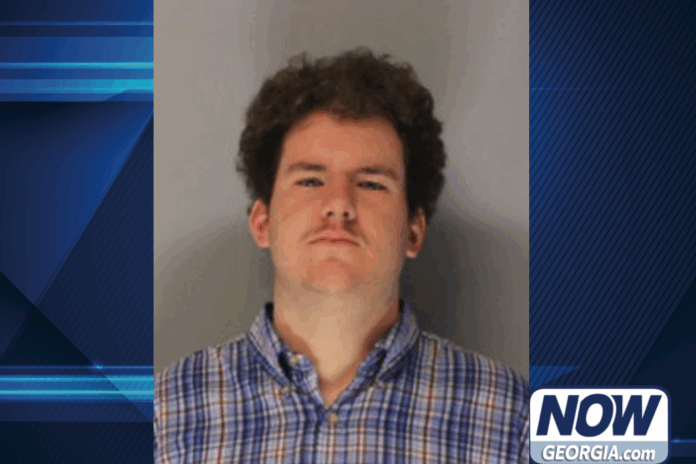
Hall County Sheriff's deputies arrested Luke Tyner Friday on multiple counts of sexual exploitation of children. (Hall County Sheriff's Office)

GAINESVILLE — A 20-year-old Gainesville man remains in the Hall County Jail after investigators charged him with multiple counts of sexual exploitation of children following an Internet Crimes Against Children investigation.

Luke Samuel Tyner was arrested Friday, Feb. 27, 2026, after investigators with the Hall County Sheriff’s Office Internet Crimes Against Children Unit launched an inquiry earlier this month, according to Public Information Officer BJ Williams.

The investigation began Feb. 17 after the sheriff’s office received a series of cyber tips from the National Center for Missing and Exploited Children. Authorities determined Tyner had 10 videos on his cell phone depicting children being sexually assaulted. Investigators also determined he shared the videos with others through a social media app, Williams said.

The offenses occurred between June 29, 2025, and Aug. 6, 2025, according to the sheriff’s office.

ICAC investigators executed a search warrant at Tyner’s residence on Highland Drive, where they seized multiple electronic devices. Additional charges are possible pending the completion of forensic analysis of the devices, Williams said.

Tyner is charged with 20 counts of sexual exploitation of a minor — 10 counts of possession of child porn and 10 counts of distribution of child porn. He is being held without bond.

Baldwin to hold public hearing on Cook annexation March 3

Baldwin City Council (Patrick Fargason/Now Habersham)

BALDWIN, Ga. — The Baldwin City Council will hold a public hearing Tuesday night on the proposed Cook Construction annexation and rezoning along the GA 365 corridor, a project that has drawn weeks of public debate and now faces a formal objection from Habersham County.

The hearing is scheduled as part of the March 3 council meeting at 6 p.m. at the Baldwin Municipal Courtroom.

When the council approved the first reading of the annexation request on Feb. 3, Mayor Doug Faust emphasized that the proposal would not take effect without additional steps.

Faust said at the time the measure must still go through a public hearing, followed by a second reading and final vote before any annexation or zoning change could take effect. He also said the city was working to identify a larger venue for the hearing due to heightened public interest.

On Monday, Now Georgia asked Faust why Tuesday’s hearing remains scheduled at the municipal courtroom rather than a larger facility.

“We did attempt to locate a larger venue,” Faust said. “We also felt it was important to keep the public hearing in Baldwin for the convenience of our citizens. No larger appropriate space was available for the hearing.”

Recent meetings involving the Cook proposal have drawn standing-room-only crowds.

The Cook plan

The proposal from Cook Construction seeks to annex approximately 88 acres into the city, combining it with 21 acres already inside Baldwin’s limits, for a total of roughly 109 acres along GA 365 near Duncan Bridge Road.

The developer has requested highway business zoning and has presented a concept plan that includes retail space, restaurants, a gas station, an anchor grocery store, a medical office building and a senior living facility.

Cook representatives have said the zoning request does not include residential housing or a data center and have argued the project aligns with Baldwin’s comprehensive plan, which identifies the GA 365 corridor as a target area for commercial growth.

County objection triggers state review

Last month, the Habersham County Board of Commissioners formally objected to the annexation, triggering a dispute resolution process through the Georgia Department of Community Affairs.

Following that vote, Mayor Doug Faust told Now Georgia the public hearing would proceed despite the county’s action.

“At this point, the public hearing is still scheduled,” Faust said.

Faust said the county must notify DCA of its objection, after which the city will be required to respond.

“Since they have completed the action that they have, we can’t take any further action,” Faust said. “We have to continue to work with DCA on the solutions.”

The March 3 public hearing will allow residents to formally comment before the council considers a second reading of the annexation and rezoning ordinances at a later meeting.

Support and opposition

The project has drawn strong opinions from residents across Baldwin and Habersham County.

Opponents have cited concerns about traffic along GA 365 and Duncan Bridge Road, infrastructure capacity, sewer and water impacts, light pollution and the potential for long-term strain on public safety services.

At prior meetings, some residents warned that increased development could worsen conditions on what they describe as an already dangerous highway corridor.

Supporters, including property owners within the proposed annexation area, argue that managed commercial development could help retain sales tax revenue currently flowing to Gainesville and create local job opportunities.

Habersham County landowner Terry Williams told council members at a recent meeting that growth along a four-lane highway is inevitable.

“When we’ve got a four-lane coming right through the heart of our county, we’re going to get growth,” Williams said. “The question is, is it good growth or bad growth.”

Williams argued that planned retail and restaurant development could strengthen the local tax base and reduce the need for residents to travel to Gainesville for shopping and services.

“I submit to you that not everybody is opposed,” he said.

What happens next

The March 3 public hearing marks the next formal step in the annexation process. A second reading and potential vote on the annexation and rezoning would follow, subject to the ongoing state review.

Tuesday’s meeting will also include consideration of ratifying the Habersham County Local Emergency Operating Plan and approval of an automatic aid agreement between the Baldwin and Cornelia fire departments.

The meeting begins at 6 p.m. at 155 Willingham Ave.

Lawmakers take up special license plates, early screening in attempt to help Georgians with autism

Connor Tomlinson from Netflix’ “Love on the Spectrum” speaks at the Georgia Capitol in support of legislation aimed at helping autistic Georgians. (Ross Williams/Georgia Recorder)

(Georgia Recorder) — The Georgia Senate last week passed a bill that would allow Georgians with autism or other developmental disorders and their family members to request to receive a special license plate.

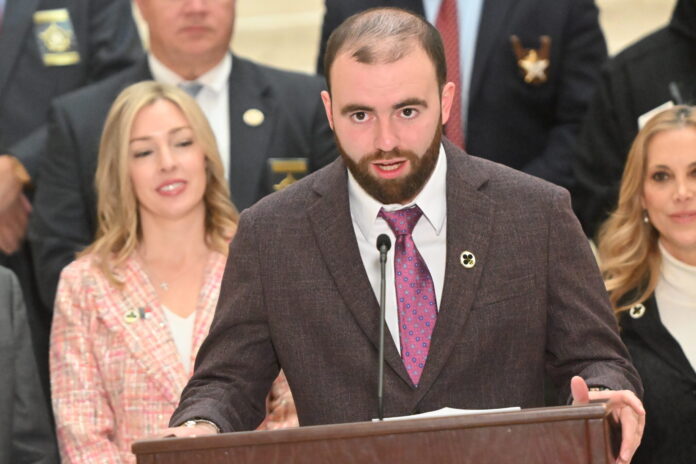
Senate Bill 433 passed the chamber unanimously with the help of a little star power. Connor Tomlinson, one of the stars of Netflix’s “Love on the Spectrum,” made several appearances at the Capitol to testify that the bill would help Georgians like him.

“The sad truth is there is in fact a world of autistic people out there who are seriously misunderstood and oftentimes taken for offenders,” Tomlinson told reporters after the bill passed a Senate committee. “I merely seek to help rectify that to make the world a better place for people on the spectrum such as myself, and, well, I’m just glad I can help them out and be a part of it.”

A similar bill is moving through the House, and both chambers are moving forward on bills aiming to expand early autism detection in children in foster care.

About 2.9% of Georgia children have autism, according to the National Autism Data Center, which matches the country as a whole. A Centers for Disease Control and Prevention study found the prevalence of autism in 8-year-olds rose nationwide from one in 150 in 2000 to one in 36 in 2020, which the authors attribute to increased detection rates, especially among younger children and those in underserved communities.

The autism data center’s data also shows the average age at diagnosis for autism in Georgia is around 5 years and 10 months old, compared with about 4 years and 11 months nationwide. And on average, about 63% of students with autism in Georgia graduated high school compared with about 72% nationwide.

The increase in diagnosis and unmet needs of children with autism has led to more attention being paid to autism under the Gold Dome, said D’Arcy Robb, executive director of the Georgia Council on Developmental Disabilities.

“With the rise in autism diagnosis rates, we’ve seen a lot more attention – and this has been for many years – of legislation, programs, policies specifically targeted towards autism,” she said.

Identification

A mockup of what a new autistic/developmentally disabled license plate might look like. (Special to the Georgia Recorder)

A mockup of a potential license plate allowed by SB 433 displays a special logo and reads “Autistic/Developmentally Disabled.” The goal is to inform police in a traffic stop or other high-stress situation that someone in the car may not react as expected due to their disability. It also mandates new training for law enforcement officers on identifying and interacting with people with autism spectrum disorder.

Autism is called a spectrum disorder because people with it can have a wide array of strengths and challenges and display a variety of behaviors. Some autistic people may exhibit behaviors that could be interpreted as rude or threatening to law enforcement, especially in stressful situations. This could include echolalia, the involuntary repetition of sounds made by another person, or elopement, when a child unable to cope with a situation runs or wanders away.

The bill is named Rio’s law, named after a South Carolina boy with autism whose mother, Layla Luna, helped pass a similar law in that state. Luna told Georgia lawmakers she was inspired to push for the legislation after a challenging traffic stop.

If it becomes law, a driver can request the license plate on behalf of themselves or a frequent passenger, like their spouse, a child or other ward. Getting the plate will require a note from a health care provider.

The bill received broad support under the Gold Dome, but some in the autism community have expressed concern that the plates could unintentionally make them targets for people who would see them as an easy target for anything from high pressure door-to-door sales tactics to carjacking.

D’Arcy Robb, Georgia Council on Developmental Disabilities. (Ross Williams/Georgia Recorder)

Robb said she applauds the idea of educating law enforcement about how to best approach people with developmental disabilities, but worries about some of the specifics.

“We see the good intent a million percent, and we can see how some folks would want it,” she said. “But … I think there could definitely be some unintended consequences. Another thing, frankly, that we were concerned about was if law enforcement gets the idea that this is what I look for and if I don’t see this, there’s not going to be a person with a disability in the car.”

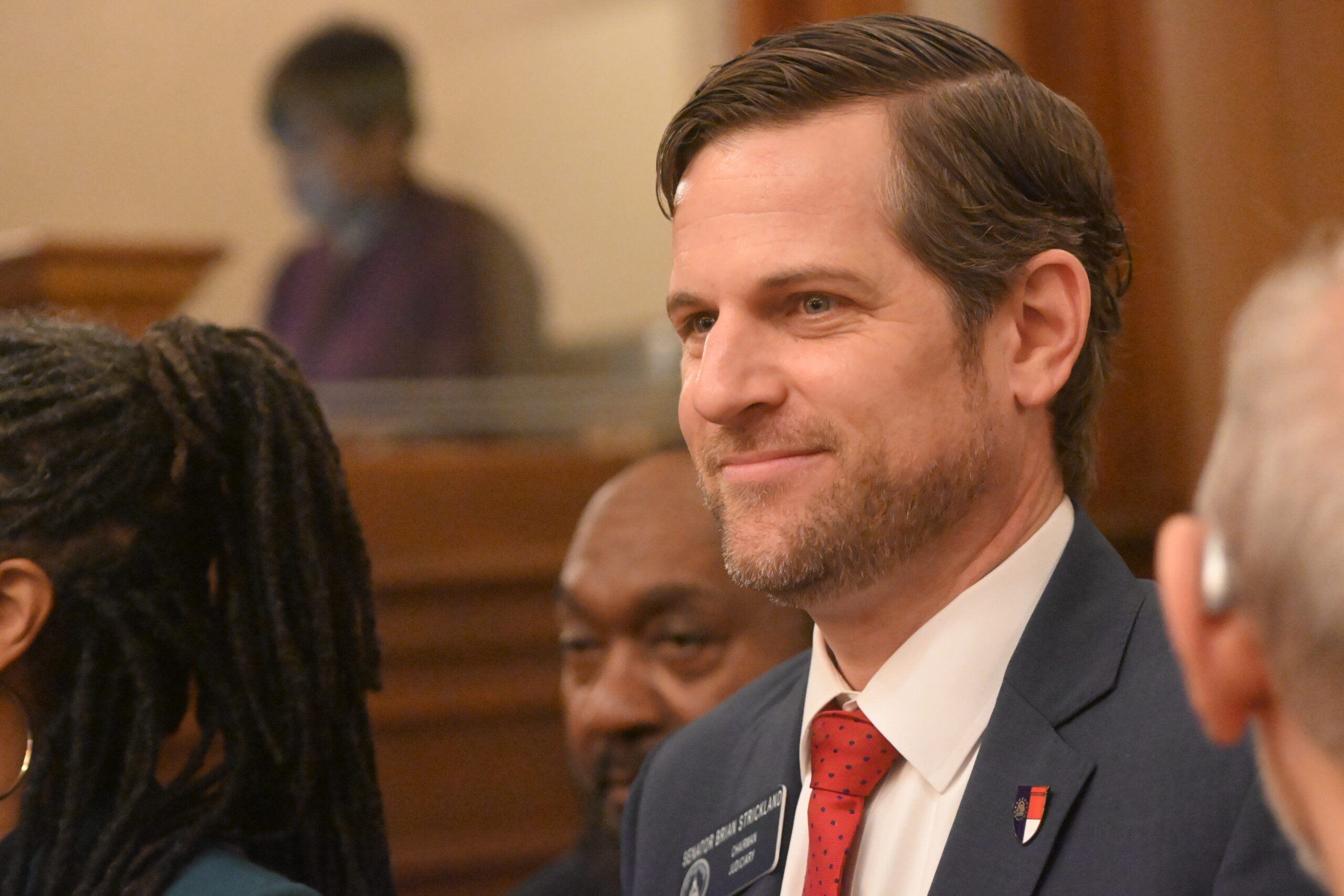
The sponsor, McDonough Republican Sen. Brian Strickland, is the father of a child with autism. Strickland, who is also running for attorney general, said he’s heard those concerns but stressed that the plate is voluntary and added that the law enforcement training component could benefit disabled Georgians who choose not to get the plate.

Sen. Brian Strickland. (Ross Williams/Georgia Recorder)

“Officers will now get, around the state, the same kind of training that I got as a parent, that I was able to get to help me understand my kid,” he added. “And I think it’s going to save lives, and it’s going to de-escalate a lot of different situations. And I think that having this in the code is such a huge step.”

Luna said in an interview that some parents in South Carolina also worried about privacy and safety but others decided the benefits outweigh the risks.

“The reality is most of us are on the roads nonstop, and this outweighs any potential carjacking or being targeted,” she said. “Parents want it, and they really feel strongly about it.”

A separate bill, authored by Jonesboro Democratic state Rep. Eric Bell, has a similar goal but would allow a Georgian with a physical or mental disability that is not immediately visible to put a symbol on their driver’s license rather than their license plate.

That bill, House Bill 954, is also named for a young man with autism who became an advocate.

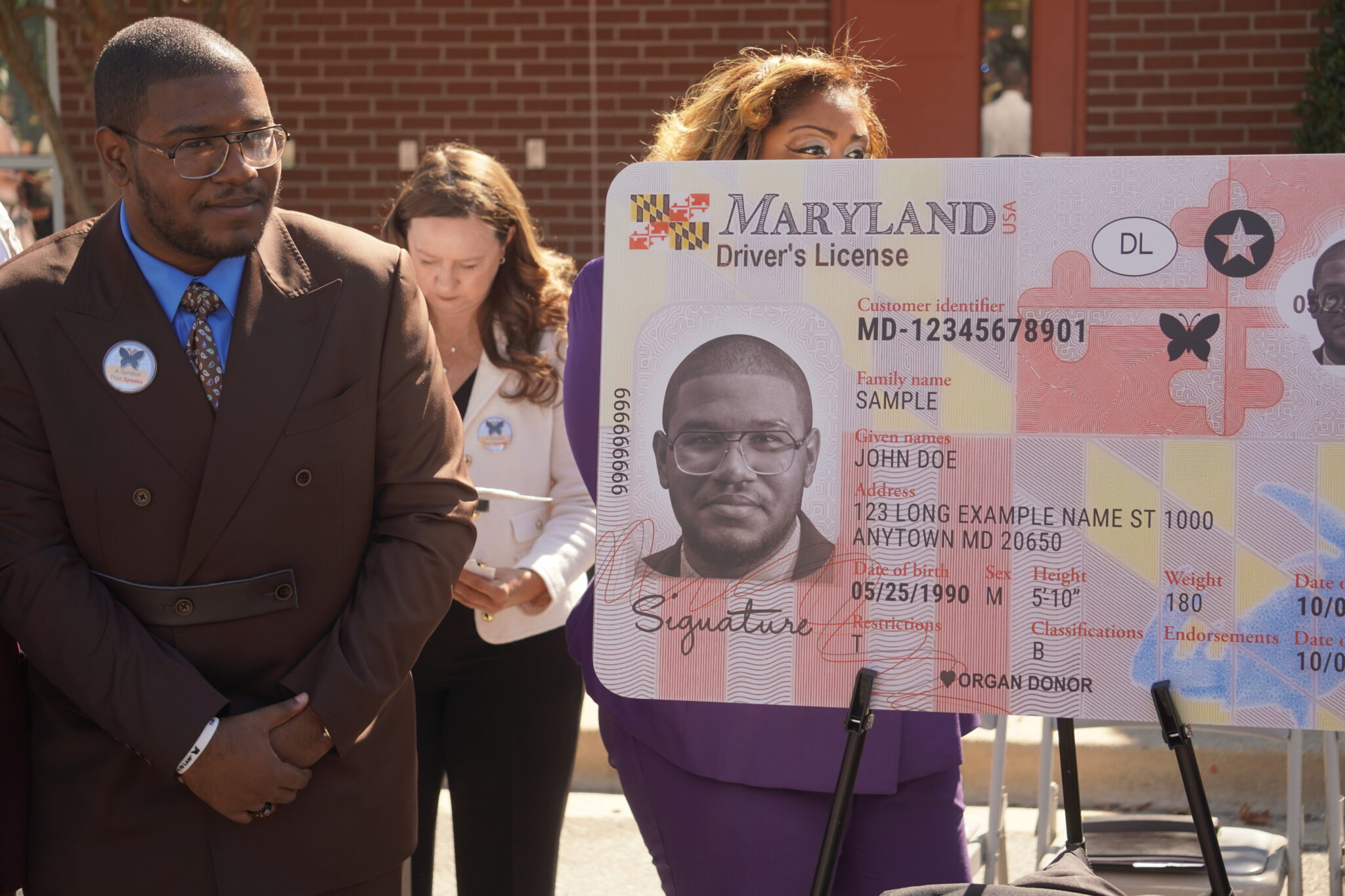
Eric Carpenter-Grantham stares at a replica of a new Maryland driver’s license with his picture and a butterfly symbol that represents a hidden disability. “Eric’s ID Law,” named for Carpenter-Grantham, took effect Oct. 1. (Photo by William J. Ford/Maryland Matters)

Eric Carpenter-Grantham of Maryland helped pass a similar law in his home state.

Bell said Georgia’s version would also include a police training component, and he hopes it will pass in addition to the Senate bill.

“(SB 433) is great, but it’s not an either/or, it’s a yes-plus,” he said.

Bell said he’s pleased to see a push at the state level to help out people with autism and other developmental disorders.

“As the numbers of cases of autism increase, we have to be more cognizant and compassionate to that population,” he said.

Foster care screeners

Both chambers are also considering bills that would create pilot programs to screen for autism in children who enter the foster care system.

Sen. Blake Tillery. Ross Williams/Georgia Recorder

Senate Bill 402 by Vidalia Republican state Sen. Blake Tillery calls on the Division of Family and Children Services to develop a five-year pilot program to provide autism screenings for children in foster care. The pilot would start in three of the division’s 14 regional service areas and expand each year until the whole state participates.

House Bill 943 by Sandy Springs Republican Rep. Deborah Silcox is nearly identical. Both bills have passed their respective chambers.

For the youngest Georgians, early detection is key, and foster children are more likely to slip through the cracks and miss out on receiving help, said Dr. John Constantino, chief of behavioral and mental health at Children’s Healthcare of Atlanta.

“To have all that time lapse and those children not get the appropriate services that they need makes it more difficult for their foster parents, more complicated to make good decisions about the reunification with their parents or disposition because they haven’t been appropriately understood for what their needs are,” Constantino said. “So I personally think it’s a great population to target. If you have to allocate a resource for a higher risk group that’s already at a disadvantage for services that could really help them, foster care is not a bad place to target that.”

Early detection and treatment can make a big difference for children with autism, often greatly decreasing the amount of support they need as they grow up.

Constantino said the real measure of the pilot program’s success will be whether the children who are diagnosed get the care they need.

“If all you do is screen but there’s no place for the patients to go, that’s another issue,” he said. “If the pilot is designed to just figure out how many people we have who would benefit from greater identification, then that’s fine. But I would advocate that when people are thinking about screening, that there are a lot of children who are screening positive and just aren’t finding the services, so we have to link screening with solid evaluation and then appropriate intervention.”

Tillery, who is running for lieutenant governor, said the state Department of Human Services, which oversees DFCS, will choose the initial regions for the pilot program based in part on the availability of care.

“When we’re picking the pilot areas, the worst thing is to give someone hope without the ability to actually resolve it, so we’re going to be looking at regions that have the providers,” he said.

Former Benning commander sounds alarm on ground troops in Iran

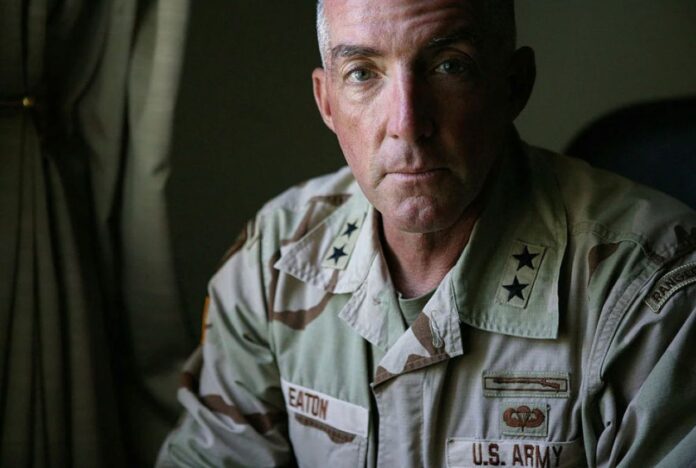
Former Fort Benning Commander issues statement on Iran (Brent Stirton/Getty images)

The former Commanding General of Fort Benning retired Major General Paul Eaton is sounding off on the potential for ground troops in Iran. MG Eaton also served as an Army Commander during Operation Iraqi Freedom. He released the following statement:

“The notion from Donald Trump and Pete Hegseth this morning that we may engage in ground operations in Iran, with ground troops, is the clearest signal yet that the purpose of this war is regime change. They naively hoped air forces alone would cause the regime to collapse, but they are not getting their intended effect. The regime still stands, and protests have been largely limited. Air power can achieve the other stated goals of destroying Iran’s capability to project force. What Air power cannot do is force regime change.

I was in Iraq. We all witnessed thousands of brave young Americans die in a ground war for regime change, and countless more Iraqi deaths. And this does not include the forever maimed. I can tell you what happens if we do that in Iran. There will be an insurgency. Our troops will be much easier targets for extremists. Many will be killed in action or wounded. It will become more and more difficult to get out. If you think Iraq was bad, Iraq 2.0 in Iran will be so much worse. And consider this: the Trump administration has dismantled our aid organizations and capacity to assist the citizens of Iran to influence a better future, while Hegseth disparages that very notion and insults our allies and potential allies.

The Republican Congress is absent from all of this. Even though the Constitution demands they hold a vote, too many Republicans are too scared to do so. Their cowardice stands in stark contrast to the brave servicemembers who will pay the cost of their inaction.”


John Robert “Bobby” Minish

John Robert “Bobby” Minish, age 89, of Demorest, Georgia, passed away peacefully on Sunday, March 1, 2026. He was a devoted family man who loved his family deeply and found great joy in tending to his garden.

Mr. Minish was born on June 11, 1936, in Sautee, Georgia, to the late Opal and Trecie Minish. In addition to his parents, he was preceded in death by his loving wife of 49 years, Pat Minish, his sister, Dorothy Lovell, and his niece, Susan Minish.

Survivors include his daughter, Sherry (Tom) Treffinger, of Greenville, South Carolina; son, David Minish, of Demorest, Georgia; brother, Bruce (Ethelene) Minish, of Helen, Georgia, brother, Billy (Denise) Minish, Cleveland, Georgia, sister-in-law, Lynn Minish, granddaughter, Sarah Beth (Adam) Wood, of Greenville, South Carolina, granddaughter, Laura Treffinger, of Greenville, South Carolina, great grandchildren, Daniel, Catherine, John Robert, and Andrew Wood, along with his walnut buddy, Daniel Scott, and a number of loving nieces and nephews.

Funeral Services will be held at 11:00 a.m., Wednesday, March 4th, at the Whitfield Funeral Home, North Chapel. Interment will follow in the Yonah Memorial Gardens.

The family will receive friends on Wednesday, March 4th, from 10:00 a.m. until the hour of the service.

In lieu of flowers, donations may be made to St. Jude Children’s Research Hospital.

Arrangements have been entrusted to the Whitfield Funeral Homes & Crematory, North Chapel at 245 Central Avenue, Demorest, Georgia 30535. Telephone: 706-778-1700.