Home Blog Page 1774

Georgians call for unifying ‘communities of interest’

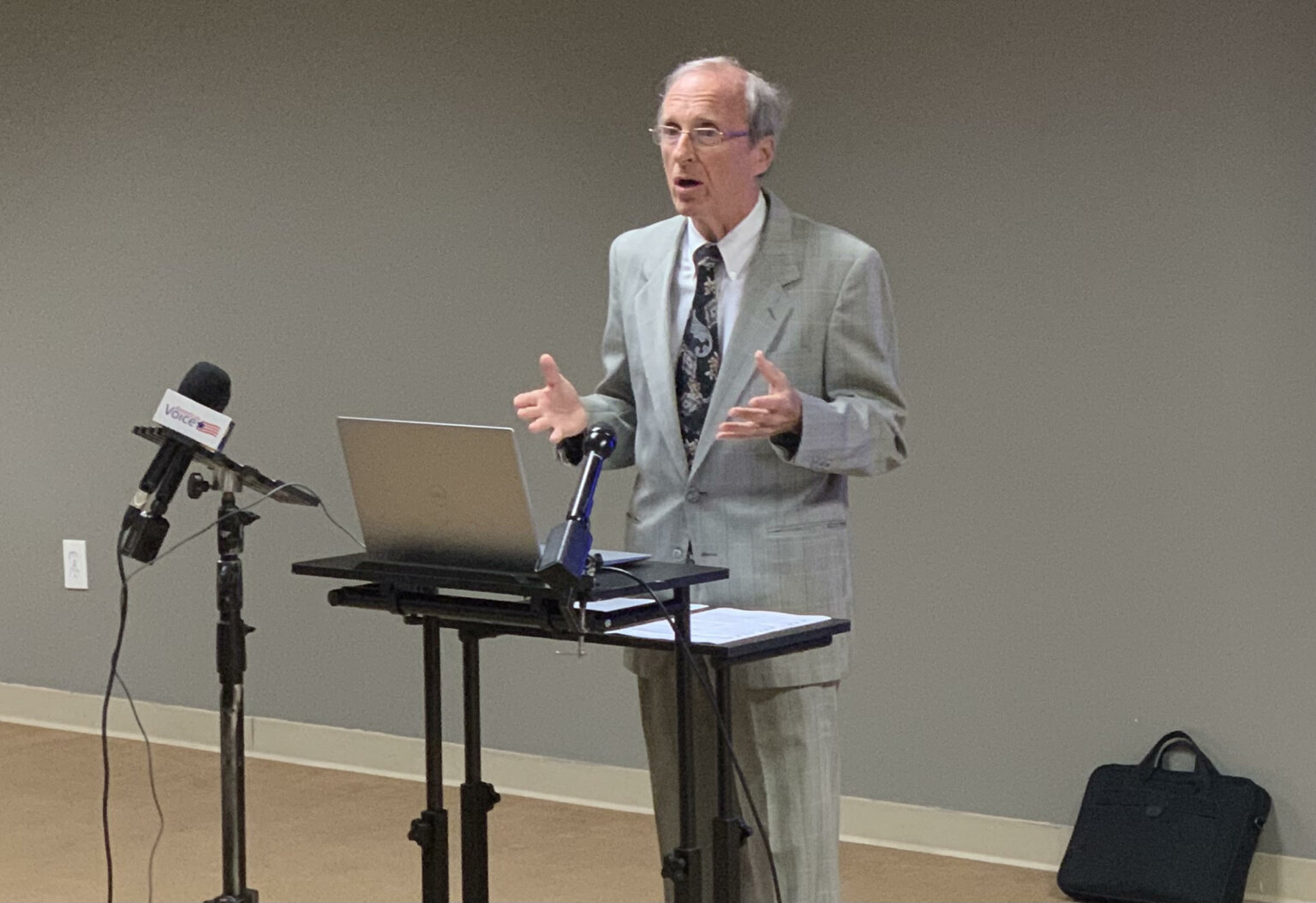
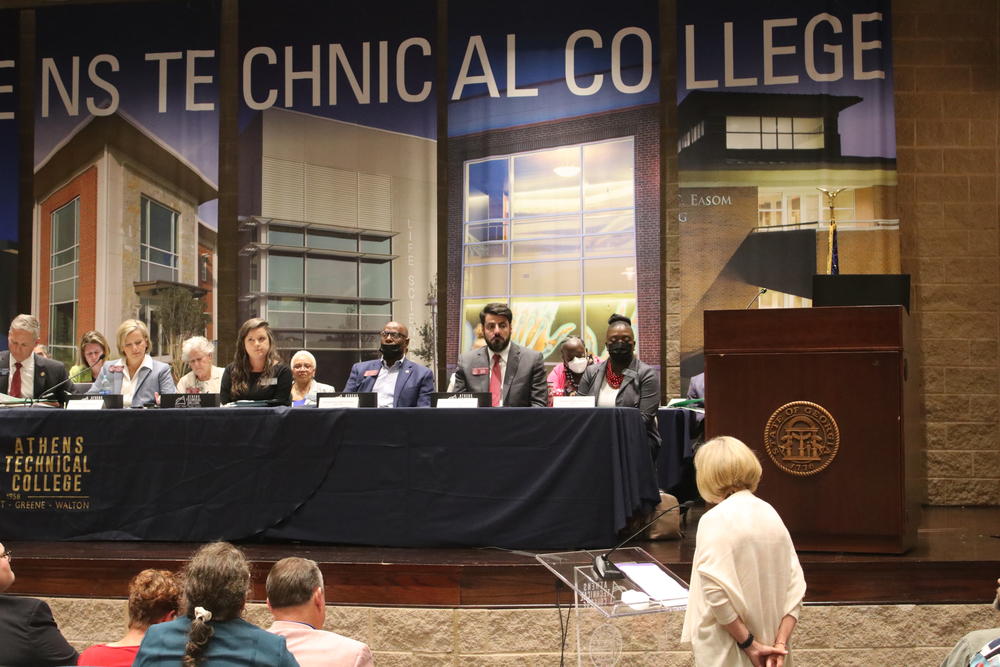
The state lawmakers who will redraw Georgia’s district lines later this year held a joint town hall hearing to gather public input July 6, 2021, at Athens Technical College. Athens resident Vicki Krugman spoke to lawmakers during the meeting. (Sherry Liang / GPB News)


(GPB) — As Georgia lawmakers prepare to redraw the state’s congressional and legislative districts later this year, people from around the state are weighing in with their thoughts on issues they say should be considered in the process.

Emerging themes at the public hearings include keeping together communities that share common interests, greater openness and transparency in the process and ensuring that maps are drawn fairly, not for partisan advantage.

At a recent hearing of the joint state House and Senate redistricting committees in Dalton, residents in the North Georgia town of 33,000 repeatedly called on lawmakers to avoid splitting the region’s growing Latino communities when drawing new district lines.

“We ask you to please consider Latinos in the area as a community of interest in order for us to have proportional, fair representation since we share common concerns,” said America Gruner, who said she has lived in Dalton for nearly two decades since coming to the United States from Mexico.
The Latino community in Dalton has grown significantly over the years, drawn largely by the jobs in the area’s extensive carpet industry. Latinos are now the largest ethnic group in the city, making up more than 46% of the population in 2019, according to U.S. Census figures.

Gruner and others at the Dalton meeting said they worry the Latino vote would be diluted if their communities are split by district lines.

They also called on the committees to make the process more accessible by providing information in languages other than English. Those and similar appeals at other public hearings hosted by the committee have so far gone unaddressed.

Others at the Dalton hearing expressed satisfaction with the area’s current district boundaries and its representation by controversial U.S. Rep. Marjorie Taylor Greene. Area resident Bill Buoni called on the redistricting committees to group like-minded residents together.

“I want to really encourage you to be thoughtful and mindful in how we go about this process,” Buoni said. “I think it is important when we have people with shared values to keep those values together.”

Some speakers from outside Greene’s district asked that their communities be added to it.

Communities of interest

Keeping communities together has been a recurring topic at other public meetings as well.

At a session in Cumming, the county seat of increasingly diverse Forsyth County, speakers asked that maps be drawn to keep the area in one congressional district.

Thirty years ago, Forsyth County was nearly entirely white. It is still majority white, and split between two congressional districts, which also take in more diverse communities in neighboring counties.

Forsyth is represented by Republican Andrew Clyde in the 9th District and Democrat Carolyn Bourdeaux in the 7th. Bourdeaux’s election in 2020 flipped the longtime GOP stronghold from red to blue.

At the redistricting meeting in Cumming, speakers such as Forsyth resident Ed Murray said they would like to see the county represented in a single district.

“Here in Forsyth County, we’re a great community,” Murray said. “We like living with each other, we’re pretty friendly, we have good schools, good representation. And we would like to make our county whole as a district.”
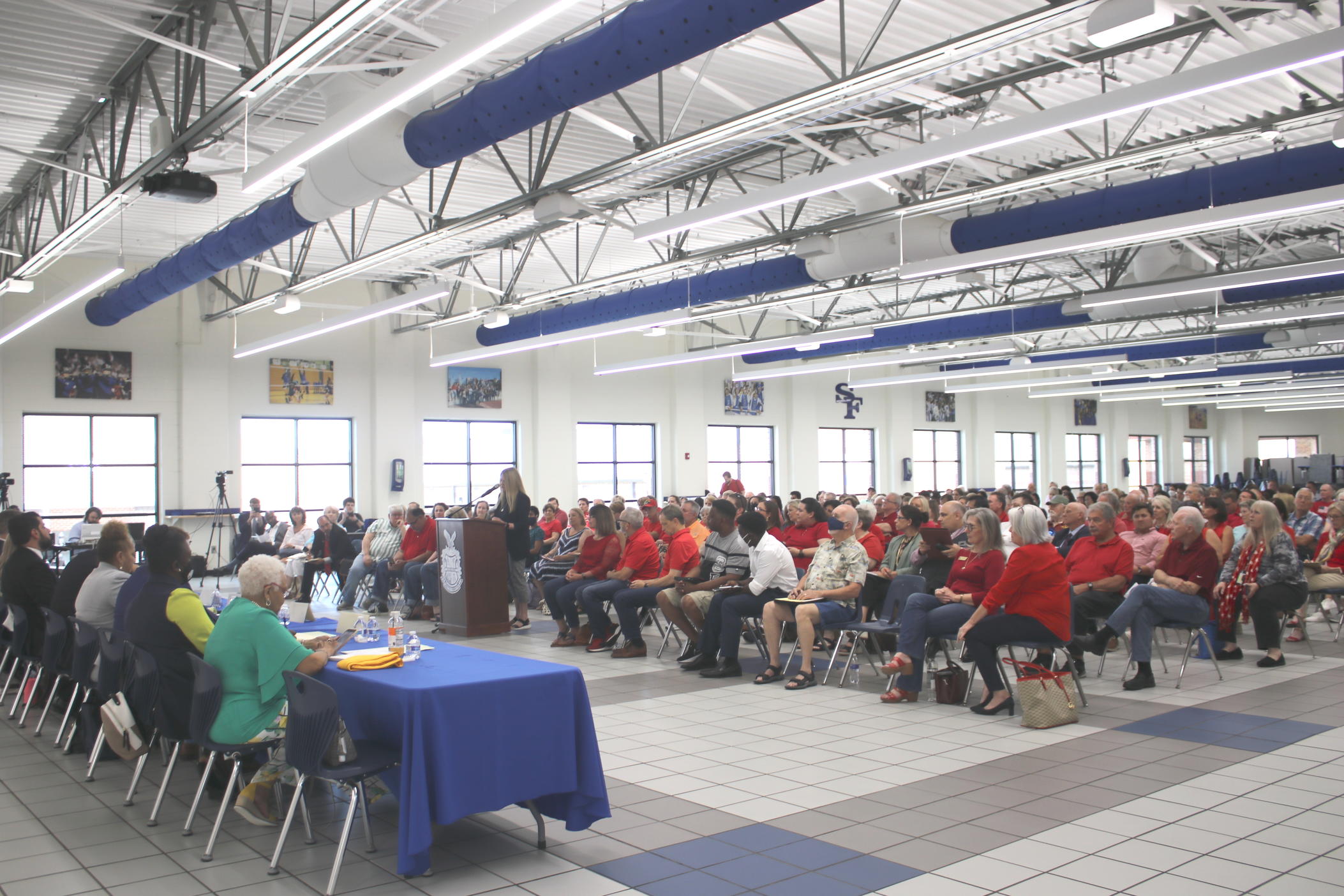
The redistricting committees held a redistricting town hall hearing on June 29, 2021, at South Forsyth High School in Cumming. The forum was one of several planned meetings statewide ahead of the politically contentious process of redistricting coming in fall 2021. (Sherry Liang / GPB News)

At the meeting in Athens, speakers also called for a realignment of their legislative districts.

Although Athens-Clarke County consistently votes for Democrats, because of the way the districts are drawn, two of its three state House representatives and both its state senators are Republicans.

The University of Georgia campus is also split across three House seats.

Logan Williamson, who studies political science at UGA, called for more accurate representation of voter preferences and the “unity of UGA’s campus” in state House districts. He said because Athens is grouped with more rural regions with different interests, residents are unable to advocate for their specific interests.

“I’ve walked through all three districts just moving between classes,” Williamson said. “As UGA students, we will move into the future to majorly impact, change and improve industry and [the] economy both in Georgia and nationally. But we are fractured in electing our representatives.”

To gain political advantage, legislators can split up cities into two or more districts. The practice, known as “cracking,” dilutes the voting power of one group in favor of another. Michael McDonald, a political science professor at the University of Florida who studies voting and redistricting, says cracking of cities is a “typical strategy for partisan gerrymandering.”

“When you combine one city, you often can get a Democratic district,” McDonald said.

“If you want to dilute the vote of those people, those Democrats living in those cities, what you do is that cracking strategy.”

Transparency and fairness

Speakers at the public meetings have consistently called on lawmakers to ensure the redistricting process is transparent and fair.

The redistricting committee chairs, state Sen. John Kennedy (R-Macon) and state Rep. Bonnie Rich (R-Suwanee) have said the purpose of the session is to get public input.

“Usually when politicians hold hearings, it’s because they like to talk, but that is not our purpose tonight,” Rich said at the first hearing June 15, which was online. “Our purpose is to hear from you, Georgians, the members of our public, our constituents.”

Formal committee meetings, during which new maps will be adopted, are expected to take place this fall after Census data is released.
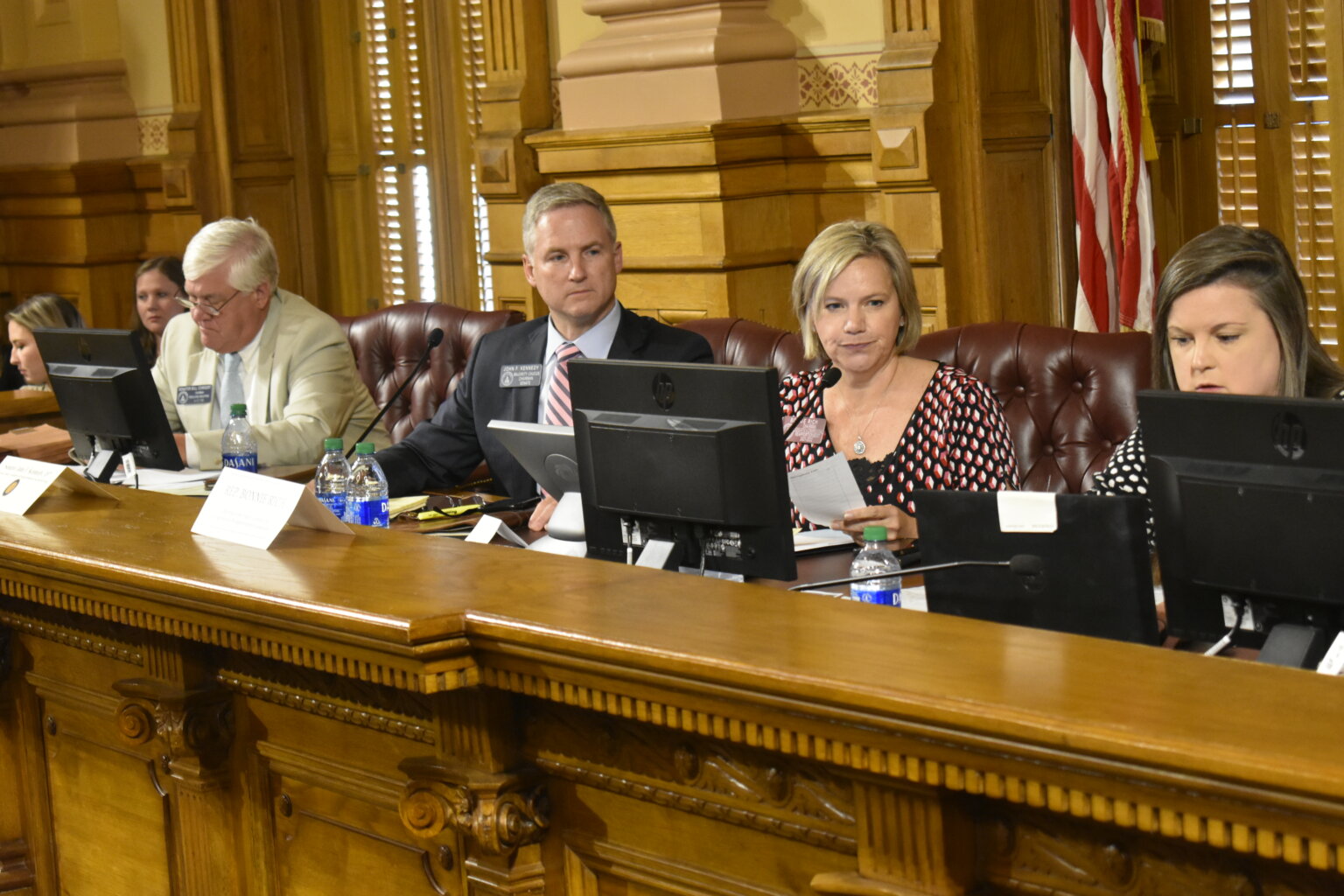
State redistricting chairs Sen. John F. Kennedy and Rep. Bonnie Rich, center, are two of the key figures in Georgia’s summer-long revamp of the state’s political landscape. (Ross Williams/Georgia Recorder)

At the June 15 session, Rep. Mack Jackson (D-Sandersville), a member of the committee, asked if there would be additional public meetings once Census numbers are available. The committee chairs were non-committal.

“We don’t know yet because we haven’t gotten the data yet, and there’s not necessarily a firm deadline,” Rich said.

Another member of the committee, State Senate Minority Leader Gloria Butler (D-Stone Mountain), testified in both Atlanta and Athens. She said a fair and transparent process requires public input at all stages, including after maps are drawn.

“Georgians are entitled to not only examine the criteria used to create their own district but also provide substantive feedback on any proposed maps before they are adopted,” Butler said in Athens. “Democracy cannot happen behind closed doors. Our redistricting process must be open, democratic, and representative of the interests of all Georgians.”

Throughout the hearings, speakers called on committee members not to use redistricting for political advantage.

“Redistricting shouldn’t be as partisan as it is,” said Katy Gates, a recent graduate of South Forsyth High School. “It’s important to make sure that everyone is feeling accurately represented in their government because that’s what democracy is all about.”

How to get involved

The joint committee has scheduled additional public sessions later this month in Brunswick, Albany, Columbus and Macon. These in-person meetings will be streamed live and archived here. The committee will also hold a virtual public meeting Friday, July 30 at 5 p.m.

Georgia residents may also submit written testimony via an online form, here.


This story comes to Now Habersham through a reporting partnership with GPB News, a non-profit newsroom covering the state of Georgia.


 

Northeast Georgia area events

From a free concert and fireworks in Clarkesville and an Olympics-worthy beach bash in Hall County, there’s lots happening in (and around) Habersham this weekend.

Friday in White County, catch a showing of “Inside Out,” after dark at Freedom Park with free popcorn, drinks, and popsicles. Bring a blanket to enjoy this free event for everyone in the family.

Friday in Hall County at 4:45 p.m., cheer on two Team USA Olympians during their time trials at Lanier Olympic Park. Olympians Nevin Harrison for the Canoe Sprint and Alex Lee for the Kayak Sprint will race to beat the clock to qualify for the Olympics.

Stay after (or arrive at 5 p.m.) for the Lake Lanier Beach Bash! This event is free and fun for the whole family, with inflatable waterslides, food trucks, beer and wine, contests, and a concert.

In Clarkesville on Friday, join the city for “Red, White and Tunes” at Sam Pitts Park. This free event will kick off at 6 p.m. with bouncy houses, concessions and music. Stick around for a fireworks show after dark.

Clarkesville Main Street will also present their “Red, White and Cruise-In,” featuring classic cars, trucks and bikes. This event starts at 4 p.m. and will take place in the upper courthouse lot, next to the gazebo.

Red, White & Tunes takes place Friday, July 16 in Clarkesville.

Saturday, start your day at White County Farmers Market for all your local produce, food and handmade craft needs. The market opens at 7:30 a.m. and goes to noon at Freedom Park.

Finish your week with the Ida Cox Music Series in Downtown Toccoa. This week, “The Wobblers,” from Upstate South Carolina take the stage at 7 p.m. with roots and R&B tunes.

If you want to share your event with us, submit it here.

NGCF Community Grant application now available

GAINESVILLE — The North Georgia Community Foundation is now accepting applications for its 2021 Community Grant Cycle.

The grants seek to fund organizations and programs designed to improve the quality of life in North Georgia. Eligible applicants may submit an application requesting $500 to $25,000 in grant funding.

The application deadline is 5 p.m. on August 15.

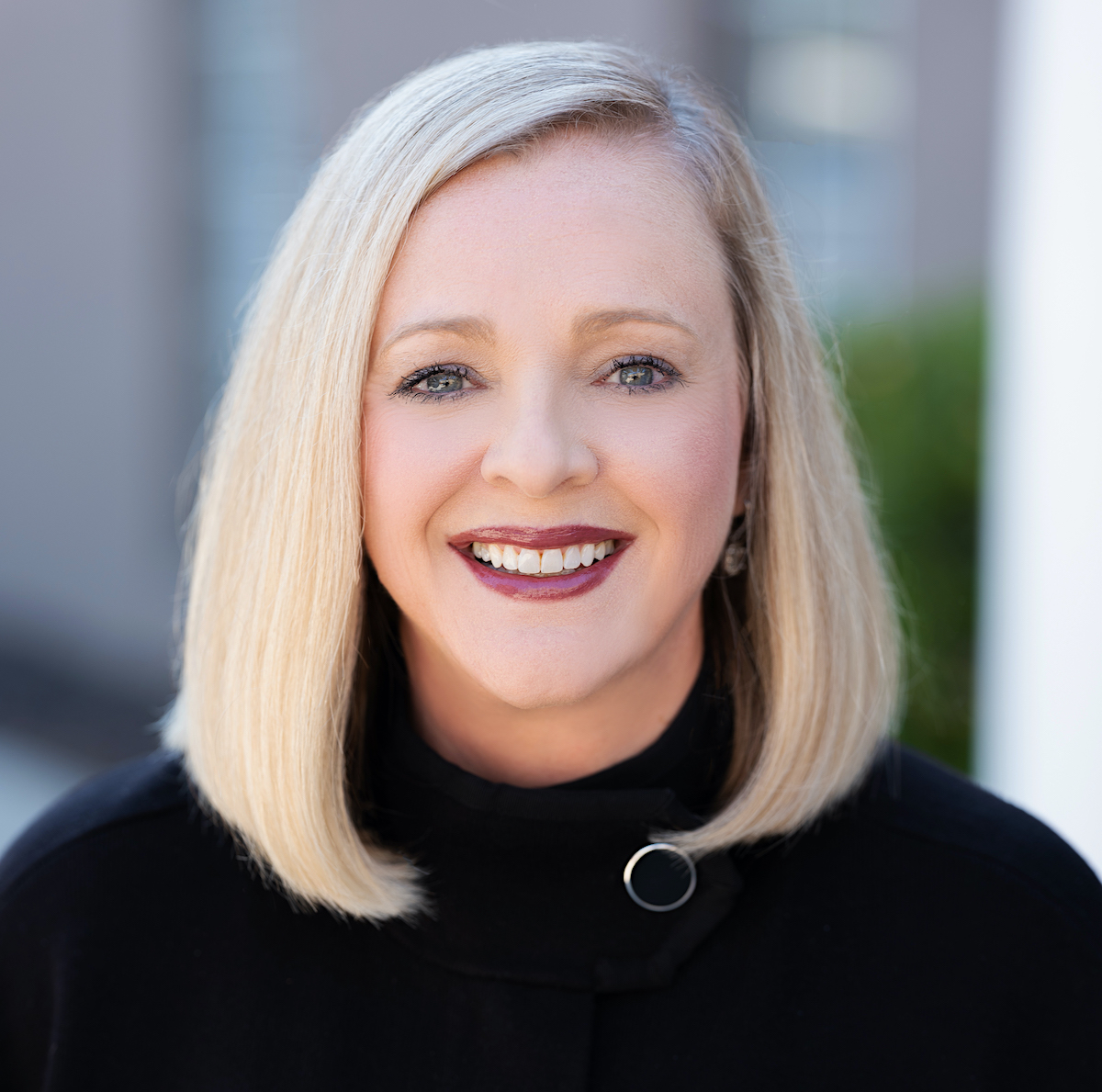
Prater

After allocating all the available 2020 Community Grant funding for COVID-19 relief grants, NGCF’s annual community grant cycle has returned.

“Over the course of these last 18 months we have sought to deepen our support for the community and facilitate grants to help meet critical needs due to the pandemic,” says NGCF President and CEO Michelle Prater. “I am proud of how we were able to provide over $1.2 Million in COVID grants and that we can now open our normal grant cycle again.”

NGCF grants provide program and general operating support to eligible organizations. Community Grants are funded by endowed unrestricted funds at NGCF and this year they will also include grants from the W. Frank and Lillie Mae Green Fund.

Organizations in NGCF’s service area may apply. This includes the North Georgia counties of Banks, Dawson, Fannin, Forsyth, Franklin, Habersham, Hall, Hart, Jackson, Lumpkin, Rabun, Stephens, Towns, Union and White.

Applications may be submitted online at www.ngcf.org/ngcf-community-grants. For more information about available grants or the application process, contact Margaux Dolenc at [email protected] or 770-535-7880.

Queen of the climbers

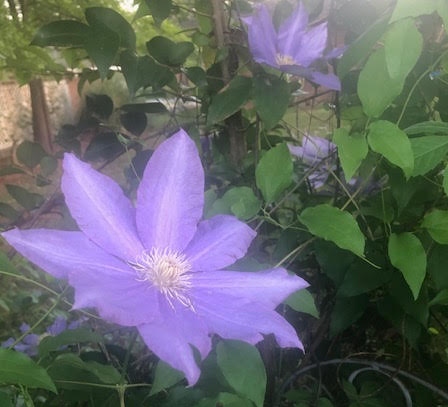
Once you’ve seen a flowering clematis in full bloom, you’ll understand why this easy-care perennial vine has been dubbed the Queen of Climbers. The vines bloom abundantly in an array of colors, shapes, and sizes, followed by attractive seed heads.

Personally, I’ve never met a clematis I didn’t love. I guess that is why I grow about eight different varieties of them and I’m always searching for another to add.

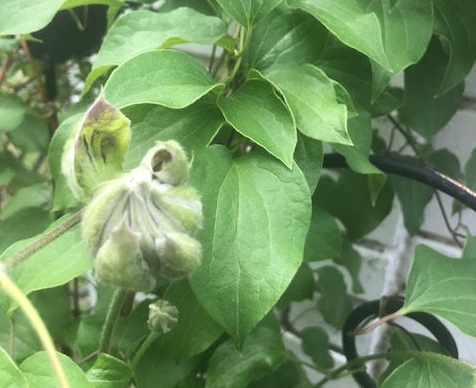
One of the great things about these queens is there is interest during the entire bloom cycle from bud, to the flower opening, and the seed head left behind.

Franziska Maria is one of my favorites. I have had her for about 20 years and she is a double, so twice the fun when she unfurls to full bloom.

Clematis can grow up to cover posts, pergolas, arbors, and fences, scramble across the ground or drape gracefully from a container; growing up to 8 feet in a season. New plants may take a few years to put on their full show. When I select a new one, I try to look for plants that are at least two years old, almost guaranteed to bloom the first year after planting.

clematis Jackmanni

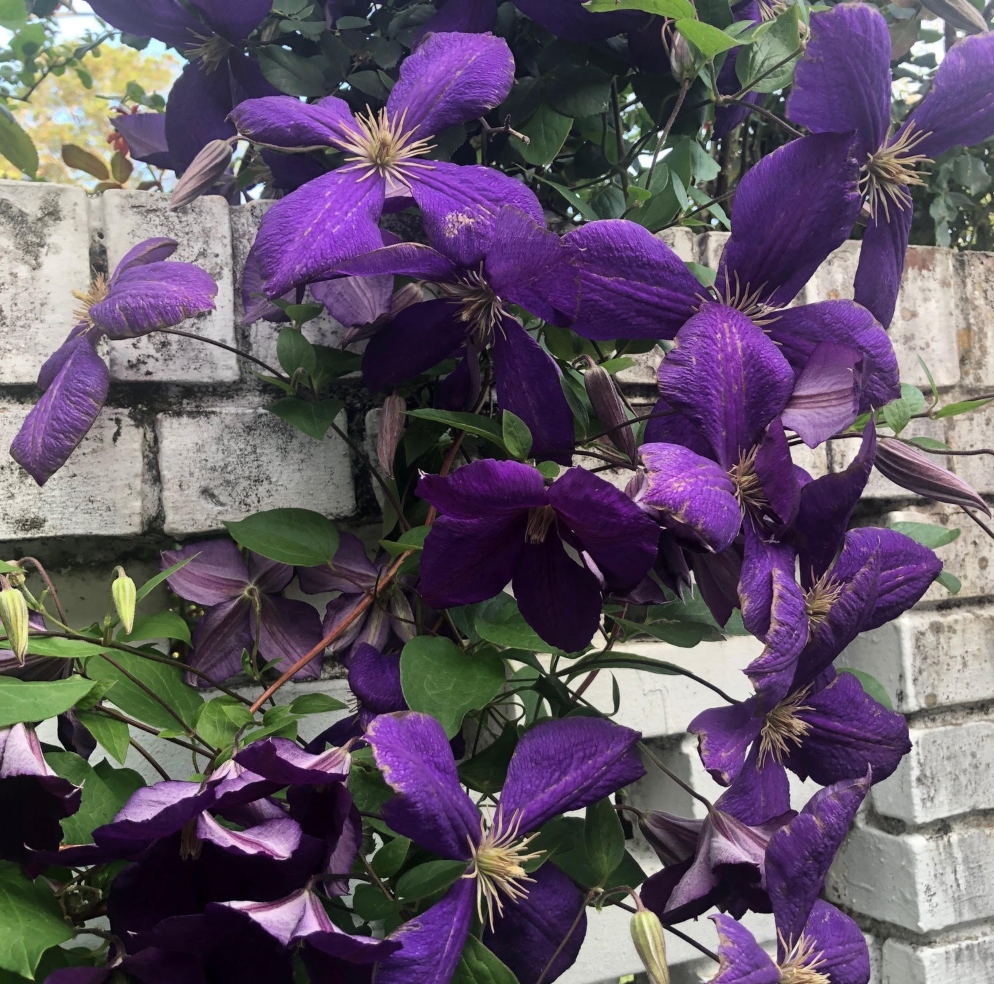
‘Jackmanii’ is a Clematis cultivar that, when it was introduced in 1862, was the first of the modern large-flowered hybrid clematises of gardens. It is a climber with large violet-purple blooms and still among the most familiar climbers seen in gardens. This one I’ve had for about 20 years and it grows up and through a huge Knock Out rose bush and then cascades over the patio wall.

When I bought my first clematis, probably 25 years ago, I was looking for one that could take some shade. Thank goodness there are more than 300 varieties and you are sure to be able to find one that is perfectly suited to the spot it will call home. Not that I haven’t moved them from time, including digging them up from the ground and putting them in a large container and vice-versa.

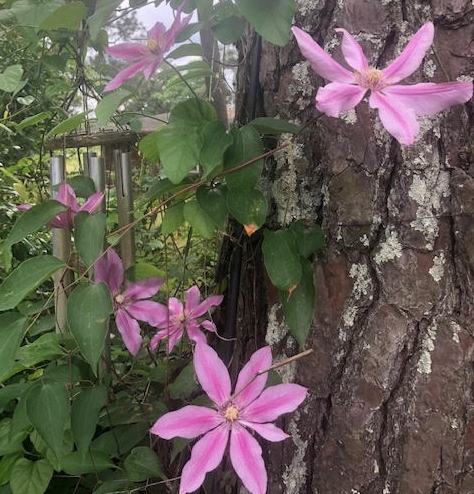
Sugar Candy clematis can tolerate some shade and is happy growing up a trellis or winding through neighboring plants at ground level.

Early, middle, and late

Although many of the clematis plants in my garden are spring and summer bloomers, with a little planning, you can enjoy the Queen of the Climbers from spring through fall. To enjoy that length of performance you need to know the type of clematis you are planting. They come in three different types or groups.

Group 1 Early-bloomers (March – June) Bloom on old wood. Prune lightly immediately after flowering. Evergreen or deciduous. alpina
C. macropetala
C. montana
C. armandii


Group 2 Mid-season bloomers (April – June) Bloom on both old and new wood. Prune lightly in early spring. Deciduous.
‘Nelly Moser’
‘Dr. Ruppel’


Group 3 Late-season bloomers (July – frost) Bloom on new wood.   Prune hard (down to 12″ to 24″) in late winter/early spring. Deciduous.
‘Jackmanii’
‘Ernest Markham’

Caring for clematis

Pruning:

clematis Kardinal Wyszynski

The key to pruning clematis correctly is knowing what type you have. If you’re unsure, the best plan is to wait and see when it starts blooming, as this will dictate how and when it should be pruned. If in doubt, there are a few simple rules you can fall back on: Don’t prune before flowering, don’t remove any stems with developing buds, and never prune in the fall as this may trigger new growth that will be susceptible to winter damage.

  • Group 1: Blooms on old wood. Prune lightly right after flowering to remove any dead or damaged stems. Other stems can be cut back to maintain shape and size.
  • Group 2: Blooms on both old and new wood. Prune lightly in early spring before they begin to grow. Remove any dead, damaged, or spindly stems to just above a pair of healthy buds. The remaining stems can also be cut back to where good buds are visible.
  • Group 3: Blooms on new wood. Prune hard in late winter down to 1 to 2 feet from the soil line. Don’t worry, they’re vigorous growers and can grow up to 8 feet in a single season.

For all three groups, a harder pruning in the first two years can help encourage a more shrub-like, multi-stemmed plant.

When deadheading, 12 to 18 inches of stem can be cut back. This will help rejuvenate your vine and keep it looking nice and healthy.

clematis Henry F. Young

Soil:

Clematis prefer slightly alkaline soil but will tolerate a range of pH. It is more important that the soil be rich and well-amended with organic material. Clematis roots are delicate, fussy, and need a cooler environment along with moist, but well-drained, soil. Use a good layer of mulch or surround with low-growing plants to provide shade for the roots while allowing sun for the plant above ground.

Fertilizer:

They are heavy feeders. Apply a 10-10-10 fertilizer once a month during the growing season and continue until just before flowering. Fertilizing during flowering may have a negative effect and bring blooming to a halt prematurely.

Watering:

Under normal conditions, they need about an inch of water weekly once established. In warmer climates or during extreme heat, water deeply and more frequently; this will also help to keep the roots cool.

Support:

Clematis attach themselves to host plants or structures with their leaf stalks but need help to climb vertically. Secure stems to a support or trellis to encourage upward growth.

If you aren’t growing clematis in your garden, give them a try. These beauties may look delicate but they are resilient and fairly low maintenance. Most years, even with my early bloomers, I’ve had a second and third flush of blooms in the summer and fall. Just one more reason I love clematis!


Antioch Baptist to hold missions fundraiser July 17

Antioch Baptist Church is holding a fundraising event on July 17th to raise funds for mission work in Alaska.

Antioch Baptist Church in Mount Airy, Georgia, is hosting a day of fundraising on Saturday, July 17, to support its upcoming mission trip to Alaska. The money will be used to purchase supplies to help with renovations at Laverne Griffin Camp, located in Wasilla.

Mission volunteers will renovate and clean up the camp August 2-11, to prepare it for hosting Christan camp sessions. All of the proceeds from this weekend’s fundraiser will go into Antioch’s Alaska Mission Fund, organizers say.

5K race and fun run

The church will hold a 5K race and fun run on Saturday. Registration for both the race and the fun run begins at 7 am.

  • The 5K race fee of $25 covers the entry fee and a t-shirt. The race is open to all ages. The 5K race begins at 8 am.
  • The fun run is open to all ages and is family friendly. The $15 fee covers the race entry and a t-shirt. The Fun run also begins at 8 am.
There will be awards and/or plaques given for different categories in the 5K.
If you would like to register in advance for both the 5 K and the fun run, go to:

Car Show

Registration for the car show begins at 9 am. The entry fee of $25 includes a t-shirt. The Car Show will begin at 10 am and end at 2 pm. There will be awards and/or plaques given for different categories for the Car Show.

Lunch and Door Prizes

While at the event, Lunch plates will be sold for $5, beginning at 11 am. There will also be raffle tickets sold and door prizes.

Sautee Contra Dance featuring The Griddle Lickers July 24

The Griddle Lickers will be performing at the Sautee Contra Dance, July 24, from 8 – 10 p.m.

Sautee Contra Dance returns to the Historic Gym on the Sautee Nacoochee Cultural Center campus on Saturday, July 24th.

According to dance facts.net, contra dancing’s root is in post-Renaissance Europe. What draws people to the dance today is that dancers can arrive alone, meaning without a dance partner, and dance all night. The dance “involves two long lines of male and female dancers, who move up the line during the dance and eventually coming in contact with all participants of the dance.” Called instructions guide both new and experienced dancers.

Come at 7:30 for a warm-up lesson, and then dance from 8 – 10:30pm. The dance features great live music by The Griddle Lickers featuring Mick Kinney, and experienced caller, Janet Shepherd. All are welcome!

Admission prices:

  • SNCA members – $10.00
  • Non-member adult – $12.00
  • Students & Teens – $6.00
  • Children 12 and under free

Visit www.snca.org or call 706-878-3300 for information. The Sautee Nacoochee Cultural Center is located at 283 Highway 255 North, Sautee, Georgia 30572.


Searchers recover body of man who drowned in April on Lake Lanier

After three months spent searching the murky waters and shoreline of Lake Lanier, crews on Wednesday recovered the body of Dorian Adonis Pinson. The 24-year-old from Greenville drowned April 18 while swimming with friends near Sunrise Cove Marina, officials say.

DNR game wardens located Pinson’s body in 117 feet of water using sector scan sonar. A specialized nonprofit search and recovery team from Wisconsin recovered his body using a Remote-Operated-Vehicle.

According to DNR Law Enforcement Public Affairs Officer Mark McKinnon, the day he drowned, Pinson and two others either jumped or fell from a rented pontoon boat into the lake. “They were unable to make it back to the boat due to wind. Two of the subjects were rescued by a passing boat. The third [Pinson] went under and did not resurface,” he says.

After the drowning, rescuers searched the lake for five days using side scan and sector scan sonar. DNR Aviation also flew over the area several times.

“The search was difficult. The water was 130 feet deep with standing timber covering the bottom,” says McKinnon. He adds that the game wardens covered over 300 acres of the lake during the initial search using a grid search pattern. On the sixth day, they transitioned to surface searches and shore sweeps, which continued daily.

The operation was a cooperative effort of Georgia’s Department of Natural Resources Law Enforcement game wardens, Hall County Sheriff’s Office deputies, the U.S. Army Corps of Engineers, and Bruce’s Legacy Search and Recovery, which specializes in locating and recovering hard-to-find drowning victims across the nation.

Following the recovery, officials sent Pinson’s body to the GBI Crime Lab. The DNR Law Enforcement Critical Incident Reconstruction Team is still investigating.

Sound Off: Do you support legalizing marijuana?

In 2015, state lawmakers legalized the prescribed use of cannabis oil in Georgia. A state agency is now in the process of issuing licenses for cannabis cultivation operations here in the Peach State.

Now, some lawmakers at the federal level are calling on Congress to remove cannabis from the federal Controlled Substances Act, freeing states that have legalized marijuana for medical and recreational use from repercussions over the clashing laws. Under the proposal, states could still maintain or enact their own pot restrictions, but using marijuana would no longer be a federal crime.

We want to know what you think. Do you support the federal legalization of marijuana? Why or why not?

Join the conversation on Now Habersham’s Facebook page and click here to read more about it

Lawmakers call on Congress to legalize weed at the federal level

Senate Majority Leader Chuck Schumer on Wednesday unveiled a draft proposal for removing cannabis from the federal Controlled Substances Act, freeing states that have been legalizing cannabis for medical and recreational use from repercussions over the clashing laws.

WASHINGTON (GA Recorder) — The top Democrat in the U.S. Senate says decriminalizing marijuana at the federal level is a change that’s “long overdue” and that he’s prioritizing that effort amid a growing number of states legalizing cannabis.

To that end, Senate Majority Leader Chuck Schumer on Wednesday unveiled a draft proposal for removing cannabis from the federal Controlled Substances Act, freeing states that have been legalizing cannabis for medical and recreational use from repercussions over the clashing laws.

The discussion draft also calls for re-sentencing and expungement of non-violent marijuana convictions. Revenues from a new federal tax on cannabis would be used in part to assist those most affected by the current federal marijuana laws by paying for job training and reentry programs.

“As more and more states legalize marijuana, it’s time for our federal cannabis law to catch up,” Schumer, of New York, said at a news conference Wednesday, describing the proposal as intended to “right the wrongs of the failed war on drugs.”

Eighteen states and the District of Columbia have legalized small amounts of cannabis for recreational use among adults, and 36 states allow for medical use of marijuana, according to the National Conference on State Legislatures.

Legalizing marijuana is popular in public opinion polls as well. In a recent Pew Research Center survey, 60% of adults said marijuana should be legal for medical or recreational use, and 31% said it should be legal for medical use only. Just 8% said it should not be legal at all.

During Wednesday’s news conference, Schumer said marijuana opponents had predicted “doom and gloom” in states legalizing the drug but said their forecasts of increased crime and other negative ramifications did not come to fruition.

Sen. Cory Booker, (D-N.J.), a long-time proponent of legalizing marijuana, decried the inequity of members of Congress and presidents having admitted that they have used cannabis, “but we have children in this country, people all over this nation, who are veterans, Black and brown people, low-income people now bearing the stain of having a criminal conviction.”

The measure released by the senators is a draft, which Schumer said will be revised with feedback from the public.

In a Senate chamber that’s evenly divided and requires 60 votes to advance legislation, supporters still have quite a bit of work to do.

Schumer acknowledged they do not have enough votes to pass such a proposal or support from all Democrats.

Among Republicans, Sen. Chuck Grassley of Iowa, the ranking GOP lawmaker on the Senate Judiciary panel, released a statement blasting Schumer’s measure as putting “the cart before the horse.”

“It’s important that we have robust research and fully understand the good and the bad of marijuana use, especially in young people and over the long term,” Grassley said, highlighting his own proposal on marijuana research.

Sen. Ron Wyden (D-Ore.), who chairs the Finance Committee, and joined Schumer at the news conference, emphasized that it will be up to states to determine whether they want to legalize marijuana use.

“I don’t understand how Republicans who say they’re for states’ rights won’t support what my colleagues are talking about because what this bill does is we decriminalize at the federal level, but we don’t require states to legalize,” Wyden said.

Beyond Capitol Hill, Democratic President Joe Biden has been slow to embrace marijuana reform. He has previously supported decriminalization but has not joined calls for legalization.

Asked Wednesday about Schumer’s proposal, White House Press Secretary Jen Psaki said she had no new endorsements of legislation to announce.

Election skeptics suing to ‘audit’ 2020 Fulton ballots short of options

Garland Favorito is the public face of plaintiffs in a lawsuit aiming for an in-depth inspection of Fulton County absentee ballots cast in the Nov. 3 general election. This week he said his group discovered nearly 200 duplicated ballots initially counted, but the votes were not mistakenly included in an official tally. (Stanley Dunlap/Georgia Recorder)

Ten Fulton County voters looking to prove the baseless claims that widespread fraud factored in President Joe Biden’s Nov. 3 general election victory are banking on their review of public records to provide ammunition in their quest for an in-depth inspection of absentee ballots.

But even with their revelation this week that they’ve identified nearly 200 Fulton ballots that were initially double-counted, some experts say they are unlikely to get special access to 147,000 ballots. And never mind the group’s request to inspect the ballots with a high-powered microscope.

Although the ballots were initially scanned twice last fall, there’s no indication any vote in Georgia’s historic presidential election was included more than once in official results.

On Tuesday, VoterGa founder, lead spokesman and plaintiff Garland Favorito presented the group’s amended lawsuit after combing through digital ballot images, tally sheets and documents connected to the 2020 election and a hand recount conducted after Biden’s narrow win in Georgia.

Their goal is to use high-powered microscopes and inspect high-resolution images of absentee ballots in their effort to prove the baseless claims that fraud and irregularities played a significant factor in election results that delivered former President Donald Trump a loss in Georgia to Biden by about 12,000 votes.

After a judge granted Fulton County’s request to dismiss the bulk of the lawsuit last month, the lone remaining defendants in the lawsuit are also the most recent additions — the individual members of the election board. 

They, too, stand a good chance of getting their case tossed based on sovereign immunity protections cited by Henry County Superior Court Judge Brian Amero when he removed the county, the elections board, and court clerk as defendants, said elections law attorney Kurt Kastorf.

It appears the plaintiffs are fighting long odds to get a more up-close and in-depth inspection of the ballots, he said.

“It seems like a lot of the potential claims they would want to use against an individual official will have immunity problems because they will be claims about how the Fulton County officials effectuated their job duties,” said Kastorf, whose law practice is in Atlanta and Washington, D.C.

“There may be some narrow subset of violations that the plaintiffs believe occurred where there’s a very clear rule telling the election official exactly what to do,” Kastorf said. “And if they focus on those claims, it’s possible some of those do get past a defense of immunity.”

For Favorito, his optimism remains as strong as it was when Amero unsealed the ballots in May before a planned visit to an election records warehouse came to a halt after Fulton County attorney’s asked Amero to dismiss the case.

Fulton Chairman Robb Pitts says Favorito’s group is relying on the disproven conspiracy theories that the election in Georgia was stolen from Trump. State election officials repeatedly debunked unfounded claims of election fraud and resisted pressure from Trump to overturn Biden’s Georgia victory.

“The Big Lie is a dangerous conspiracy theory falsely claiming that tens of thousands of votes in Fulton County – and millions nationwide – were fraudulent, not that there’s the possibility of small-scale human error,” he said in an email. “Anything involving humans counting over half a million ballots is open to possible error, which is why we have the machine recounts that catch this.”

Secretary of State Brad Raffensperger declined to comment Wednesday about the suit by Favorito’s group. The state’s top election chief has called the Nov. 3 election the most secure in the state’s history, with results that several recounts – including one by hand – have confirmed.

Raffensperger is a frequent critic of Fulton’s elections management, and his office is conducting an ongoing investigation of it.

Conspiracy theories keep Trump’s stolen election claims alive

The efforts of Favorito’s group have gained the attention of Trump, who publicly supported them Wednesday. Despite multiple recounts confirming Georgia’s outcome, ardent Trump supporters, including influential GOP Georgia legislators, continue to repeat his false claim that the election was rigged.

Recent polls by various outlets show more than half of Republicans across the country said they still view Trump as the true president.

“The only thing that would change their minds is if Trump goes on Fox News and says ‘Sorry guys, I was wrong,’” said Charles Bullock, a University of Georgia political science professor. “But as he continues to propagate the lie, his people are going to continue to believe him.”

As for Favorito, he said he still believes they’ll be a step closer to proving Trump correct as he expects Amero to sign off on the close-up inspection in the next month or so.

That includes relying on as a consultant Jovan Pulitzer, whose unproven technology is getting put to the test in an Arizona audit where Republican lawmakers have given consultants access to every ballot and voting machine in the state.

“I think we’ll conduct an inspection similar to Arizona,” Favorito said. “They have a full-blown audit, and we’re just inspecting 147,000 ballots, so it’s not going to be at that level of detail. But I’m really confident that that’s going forward.”

Having someone like Pulitzer, who peddled election conspiracy theories before a Georgia Senate committee in December, assisting in the Fulton inspection doesn’t lend credibility, said Esosa Osa, research and policy director for the voting rights group Fair Fight Action.

Pulitzer has been called a glorified treasure hunter by progressive election rights organizations that say the Fulton County and Arizona ballot reviews are “shams.”

“There are not serious actors with serious backgrounds in elections,” Osa said.

Fair Fight has teamed up with the Brennan Center for Justice, United to Protect Democracy and States United Action to create a new website detailing the “fake” audits and reviews.

The audits in Arizona and the proposed inspection in Fulton are assaults on democracy, said Gowri Ramachandran, a counsel for election security at Brennan Center for Justice.

“These partisan reviews, they’re conducted by people who are just totally lacking in competence and objectivity,” she said. “They’re also nothing like the external process that you might see an inspector general or auditing office engaged in.”

Democrats take credit as federal child tax stipends set to arrive

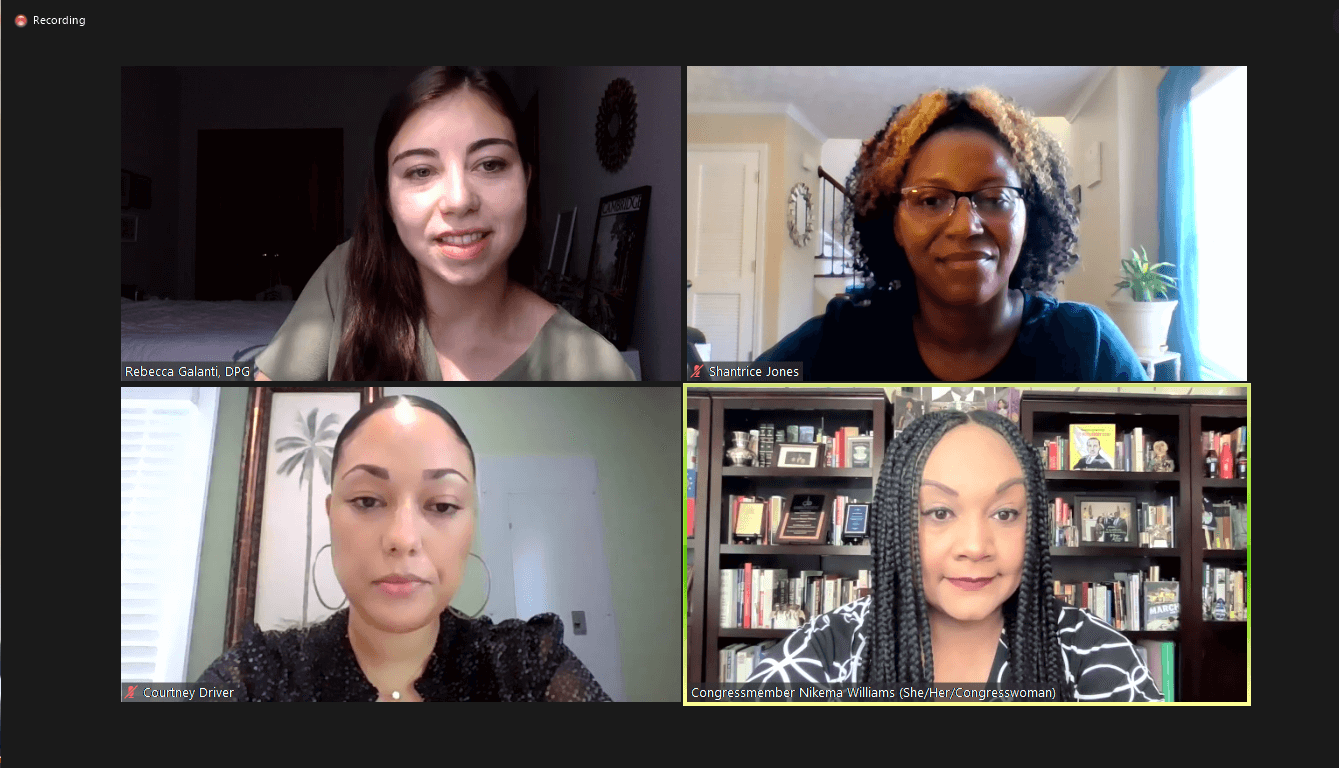
Screenshot from a Georgia Democrats Zoom press conference touting the upcoming child tax credits. From top left, clockwise, Georgia Democratic Party communications director Rebecca Galanti, DeKalb County mom Shantrice Jones, Congresswoman Nikema Williams, Houston County mom Courtney Driver. (Ross Williams/Georgia Recorder)

ATLANTA (GA Recorder) — The vast majority of Georgia parents can expect a little extra in their bank account starting Thursday as the federal government begins rolling out monthly payments of up to $300 per child as part of the pandemic stimulus package signed by President Joe Biden in March.

In what may be a preview of a line of attack from Democrats ahead of next year’s elections, Georgia Congresswoman Nikema Williams came out swinging at Republicans at a virtual press conference Wednesday touting the financial benefits.

The $1.9 trillion economic stimulus package expanding child tax credits passed the U.S. Senate 50-49, with no Republican support.

“I want to emphasize, again, that none of this would have been possible without the votes of Sens. Jon Ossoff and Rev. Raphael Warnock,” Williams said. “If Herschel Walker, Kelly Loeffler or any of the other people that they have on the GOP Senate candidate side challenging Sen. Warnock had their way, y’all, Georgia families wouldn’t be receiving these life-changing tax cuts. The child poverty rate in America wouldn’t be getting cut in half. That’s why we need to keep Raphael Warnock in the U.S. Senate next year, maintain Democratic majorities in the US House and Senate and elect new Democratic leadership for Georgia.”

Walker, a football star and ally of former Republican President Donald Trump, and Loeffler, who previously held Warnock’s seat, have expressed interest in running for the Senate, but neither has committed so far. Republican Agriculture Commissioner Gary Black is Warnock’s chief competition, for now.

Ossoff visited an Atlanta preschool late last month to promote the program. Georgia Congresswoman Carolyn Bourdeaux sent an email to constituents celebrating the 181,000 Georgians in her district north of Atlanta she says will benefit.

“Every child deserves an equal shot at success, and the American Rescue Plan’s expanded child tax credit takes a great step at ensuring a more equitable future,” Bourdeaux said.

In addition to helping them win at the polls, Democrats are hoping their expanded child tax credits will help parents like Shantrice Jones, single mom to a 6-year-old son in DeKalb County.

Jones, who works in public health, said she has struggled to balance getting work done with caring for her son.  

“It was literally the hardest thing I’ve ever done,” she said at the press conference. “Many of my colleagues recommended that I should get child care to help with the mental load of trying to do it all. I looked into options that were available, and I simply could not afford it. I could not afford to pay for child care, pay all of my bills, and even pay for our basic necessities.”

Jones said she plans to use her tax credit toward child care and some other expenses for her son.

She was echoed by Courtney Driver, a Houston County Marine Corps vet who is raising her 5-year-old alone while the girl’s father, an Army reservist, is deployed.

“It’s just been the two of us, me and my daughter,” she said. “The stimulus payments that we received last year and this year were a great help in offsetting the cost of childcare and allowing us to have a safety net so that I could continue to work. I know that so many parents were and still are out of work due to this pandemic, and even though things are somewhat getting back to normal, we still have a long way to go.”

Williams said the payments will mean parents won’t have to worry about affording child care or other necessities and will be freed up to get back to work.

The tweaked tax credit could put money in the hands of up to 91% of Georgia families, cut national child poverty in half and lift 171,000 children in the state out of poverty, Williams said. 

But the families that stand to benefit the most from the money could be the most likely to miss out.

Parents who filed a tax return in 2019 or 2020, or who received a stimulus check from the IRS are already signed up to receive the funds, but those whose income was too low to owe federal income taxes need to sign up on the IRS website. If they don’t, they could lose their chance to get the money.

In late April, a survey by the progressive polling group Data for Progress found 53% of likely voters knew either nothing or only a little about the expanded child tax credits. More people have likely become aware in the intervening months, but children potentially missing out remains a concern, Williams said.

“This is something that is critically important to me,” she said. “I did a national town hall with the NAACP two nights ago talking about the child tax credit. Every opportunity that I have, I am talking about the child tax credit. I sent out a mailer all across my congressional district so that people knew how to sign up. We need to continue to get the word out and make sure that people are getting the supports that are in place and available to them.”

The monthly direct payments are set to expire in December, with the rest of the payments coming after families file taxes in the spring. Members of the Democratic base have been pressuring Biden and Democratic leadership to make the cuts permanent.

An analysis by the Tax Foundation finds making the credits permanent would cost $1.6 trillion over 10 years.

Williams said she’s on board with making the expansion permanent, but details are still to come.

“We are currently working through that as we look at how to get more people on board with the cost associated,” she said. “But I’m of the mindset that when you cut childhood poverty in half, you don’t go back and reinstate it the next year. So this is something that is critically important to our colleagues in the House right now, and we’re working through the details on that.”

Cornelia police officer who shot out tire during arrest back on patrol

(file photo)

A Cornelia police officer who shot out the tire of a vehicle with an alleged DUI driver and an infant inside is back on patrol. Sgt. Deloney Gunnels returned to work on July 9, according to Cornelia Police Chief Chad Smith.

Before returning to work, Gunnels had been on administrative leave since the incident on Tuesday, June 29.

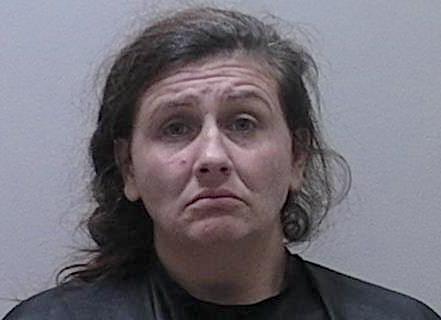
Police say Ashly Tolbert fled with her baby in her car while escaping arrest for alleged DUI. (HCSO)

There are still two open investigations into the shooting, which, according to arrest warrants, happened as the DUI suspect, Ashly Tolbert, threatened officers with the 2005 Mercury Mariner she was driving. The warrants allege Tolbert dragged Cornelia Police Officer Andrea Hunter and struck Sgt. Gunnels in the left arm with her vehicle while escaping arrest.

In an apparent attempt to stop the vehicle, Gunnels fired one round into a tire.

After the shooting, Tolbert, 38, of Dawsonville, led police on a chase that exceeded 65 MPH, arrest warrants show. Officials say the chase ended after Tolbert rear-ended a car, disabling her vehicle.

No one was injured in the incident. Cornelia Police requested the GBI to investigate because, according to Smith, the shooting was “not standard procedure.” Still, he says, everything in the internal investigation so far indicates Gunnels did not violate department policy.

“Considering the totality of the circumstances, he did what he thought was best to stop the vehicle,” Chief Smith tells Now Habersham. “There was an officer in the window trying to get her [Tolbert] to stop, and there was a baby in the backseat. Sgt. Gunnels knew how messed up the driver was.”

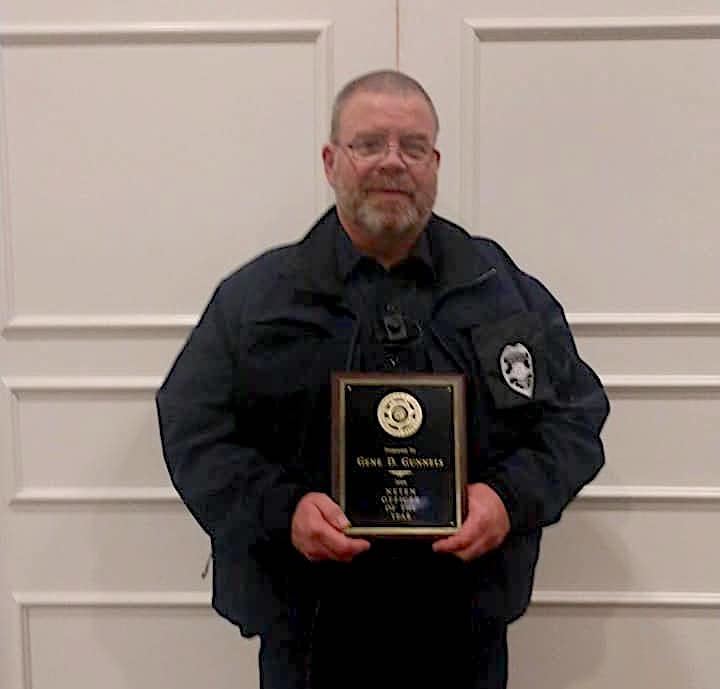
Sgt. Deloney Gunnels has been in law enforcement for 25 years and was NTEN Officer of the Year in 2019.

Police booked Tolbert into the Habersham County Detention Center. Georgia State Patrol charged her with four misdemeanors for DUI, child endangerment, reckless driving, and hit-and-run. She also faces five felony counts, including fleeing or attempting to elude a police officer, and two counts each of obstructing or hindering a law enforcement officer and aggravated assault on a police officer.

The Department of Family and Children Services took custody of the baby, which the GBI says was Tolbert’s child, immediately following the incident. As of July 14, Tolbert remained in jail on a $76,800 bond.

Gunnels is a 25-year law enforcement veteran and has been with the Cornelia Police Department for 12 years. In 2019, the Governor’s Office of Highway Safety named him the Northeast Traffic Enforcement Network’s Officer of the Year.

According to Chief Smith, Cornelia PD’s internal investigation into the incident will remain ongoing until the GBI completes its probe.