Home Blog Page 1754

Vaccine mandate for senior homes prompts warnings of ‘dire’ Georgia nurse shortage

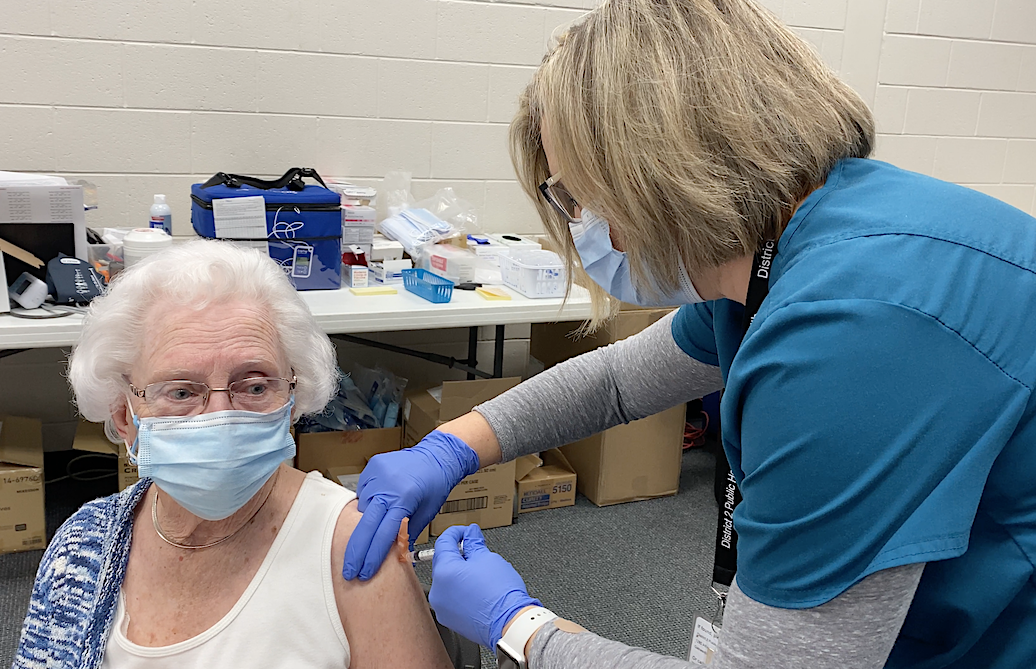
WASHINGTON (GA Recorder) — Nursing homes will be required to ensure their staffers are vaccinated against COVID-19, or risk losing federal Medicare and Medicaid dollars, the Biden administration announced Wednesday in a major move on vaccinations as the delta variant sweeps many states.

Under the new nursing home policy, the U.S. Department of Health and Human Services will develop regulations to require vaccinations of nursing home staffers at covered facilities as a condition of participating in Medicare and Medicaid programs.

“I’m using the power of the federal government as a payer of health care costs to ensure we reduce those risks for our most vulnerable seniors,” President Joe Biden said during a news conference detailing new federal action.

“If you visit, live or work in a nursing home, you should not be at a high risk of contracting COVID from unvaccinated employees,” Biden added.

The new federal mandate is the latest vaccine requirement from the Biden administration. The Department of Veterans Affairs has required health care workers to get vaccinated, and all federal workers must either prove they have been vaccinated or face masking and testing requirements.

Georgia’s nursing home staff vaccination rate ranks eighth from the bottom among the states with just under 51% of current staff fully vaccinated, according to data from the Centers for Medicare and Medicaid Services. That’s higher than the state as a whole, with its 42% fully vaccinated rate, but below the 60% national rate of nursing home staff who have gotten shots.

So if they require it and all of a sudden we have a huge number of nursing staff that quits, there isn’t going to be anybody to take care of the people in the nursing homes and assisted living facilities. It’s that dire. – Republican state Rep. Sharon Cooper, chair of the House Health and Human Services Committee

More than 77% of Georgia nursing home residents are fully vaccinated, which puts the state behind all others except Texas, Florida, Arizona and Nevada.

In Georgia, COVID-19 cases at nursing homes spiked near the start of the year, hitting a high of 872 in the week ending Jan. 10, according to Centers for Disease Control and Prevention data.

Shortly after that, the state began distributing COVID-19 vaccines, starting with people in nursing homes and the oldest Georgians, and numbers began to swiftly decline.

By Feb. 21, nursing home cases shrank to double digits, and in the week ending June 1, there was only one reported case of COVID-19 in a nursing home in Georgia.

But over the past few weeks, the number of cases has been creeping upwards, from eight the week of July 18 to 43 at the start of August and 85 last Sunday.

Losing out on Medicare and Medicaid would likely make the economics unsustainable for many Georgia nursing homes, said Laura Colbert of the consumer advocacy group Georgians for a Healthy Future.

“Medicaid is actually more important than Medicare to nursing homes, people may find that surprising, but Medicaid is the primary payer for about three-quarters of Georgia’s nursing home stays, so withholding either bucket of funds would be pretty financially instrumental.

“I think this is a strong signal that the Biden administration plans to use all the tools available to increase the vaccine rate, especially among frontline workers and health care workers,” she added. “And given the vulnerability of people who are in nursing homes and long-term care facilities, I think it’s a very appropriate incentive to get workers vaccinated.”

Others said they were less than thrilled with the decision.

East Cobb Republican state Rep. Sharon Cooper, a nurse who chairs the House Health and Human Services Committee, said she appreciates the Biden administration’s goal of protecting seniors. But she worries about unintended consequences.

“The nursing homes are desperate to find people to take care of our seniors in these facilities,” she said. “There is a huge shortage of certified nursing assistants and (licensed practical nurses). They’re having to supplement and hire part-time people to help, and that’s even just barely covering it.

“So if they require it and all of a sudden we have a huge number of nursing staff that quits, there isn’t going to be anybody to take care of the people in the nursing homes and assisted living facilities. It’s that dire.”

Cooper said she hopes the Biden administration will allow exemptions for religious reasons and for those who already have COVID-19 antibodies from contracting the disease.

The mandate should apply to all health care providers, said Mark Parkinson, president and CEO of the American Health Care Association and National Center for Assisted Living.

“Focusing only on nursing homes will cause vaccine-hesitant workers to flee to other health care providers and leave many centers without adequate staff to care for residents,” he said.

“It will make an already difficult workforce shortage even worse. The net effect of this action will be the opposite of its intent and will affect the ability to provide quality care to our residents. We look forward to working with the administration in the coming days to develop solutions to overcome this challenge.”

Georgia nursing homes faced serious staff shortages before the pandemic. One 2020 studyfrom researchers at the University of Rochester found Georgia and Minnesota were the states with the highest rates of staffing problems, with licensed nurses and nurse aids in short supply at more than a quarter of facilities. The shortages nationwide are mainly driven by the pandemic, the researchers found.

Gov. Brian Kemp’s office did not respond to a request for comment about the new Biden administration policy in time for publication. Kemp has consistently opposed vaccine or mask requirements.

“I think (mandating) just pushes people into a corner,” he told reporters at a press conference Monday. “You see where mask mandates are causing fights at sporting events and on airplanes and other things. People know how to deal with the virus.”

Biden acknowledged that while he has limited authority to require COVID-19 vaccines, he will be looking for additional ways to boost vaccination rates.

He praised governors and mayors in Maryland, California, New York and other states for enacting certain vaccine requirements, and said the federal government will be covering all costs related to National Guard missions related to the coronavirus pandemic.

The nursing home vaccination requirement that Biden announced Wednesday will apply to staffers in 15,000 facilities, which employ approximately 1.3 million workers and serve approximately 1.6 million residents, according to the White House.

Some states and some nursing homes already have required staffers at long-term care facilities — where they may be in close contact with patients at high risk of serious infection — to get a COVID-19 shot.

Maryland Gov. Larry Hogan was the latest on Wednesday, announcing that nursing home staffers in his state will be required to show proof of vaccination, or adhere to ongoing COVID-19 screening and testing.

Nursing homes and other long-term care facilities accounted for a substantial share of the earliest COVID-19 infections and deaths.

Since the beginning of the pandemic, more than 133,000 nursing home residents and nearly 2,000 nursing home staffers nationwide have died as a result of COVID-19 infections.

Defense of school mask mandates

Also at Wednesday’s press conference, Biden criticized Republican governors who have prohibited school boards from requiring students to wear masks.

He said he has directed Secretary of Education Miguel Cardona to use his oversight authority and legal action, if appropriate, to push back against governors who block or intimidate local educators from taking safety precautions in schools.

The New York Times reported that the administration will use the department’s civil rights office for enforcement, and send letters to states including Arizona, Iowa and Tennessee “admonishing governors’ efforts to ban universal masking in schools.” Biden said he would be discussing schools again next week.

Cardona already has written Florida Gov. Ron DeSantis saying that if his administration withholds state funding from school districts that enact mask mandates, those schools can use federal coronavirus relief dollars to make up for the penalties.

Kemp said in May he would prohibit schools from mandating masks, but has since left those decisions to local districts instead.
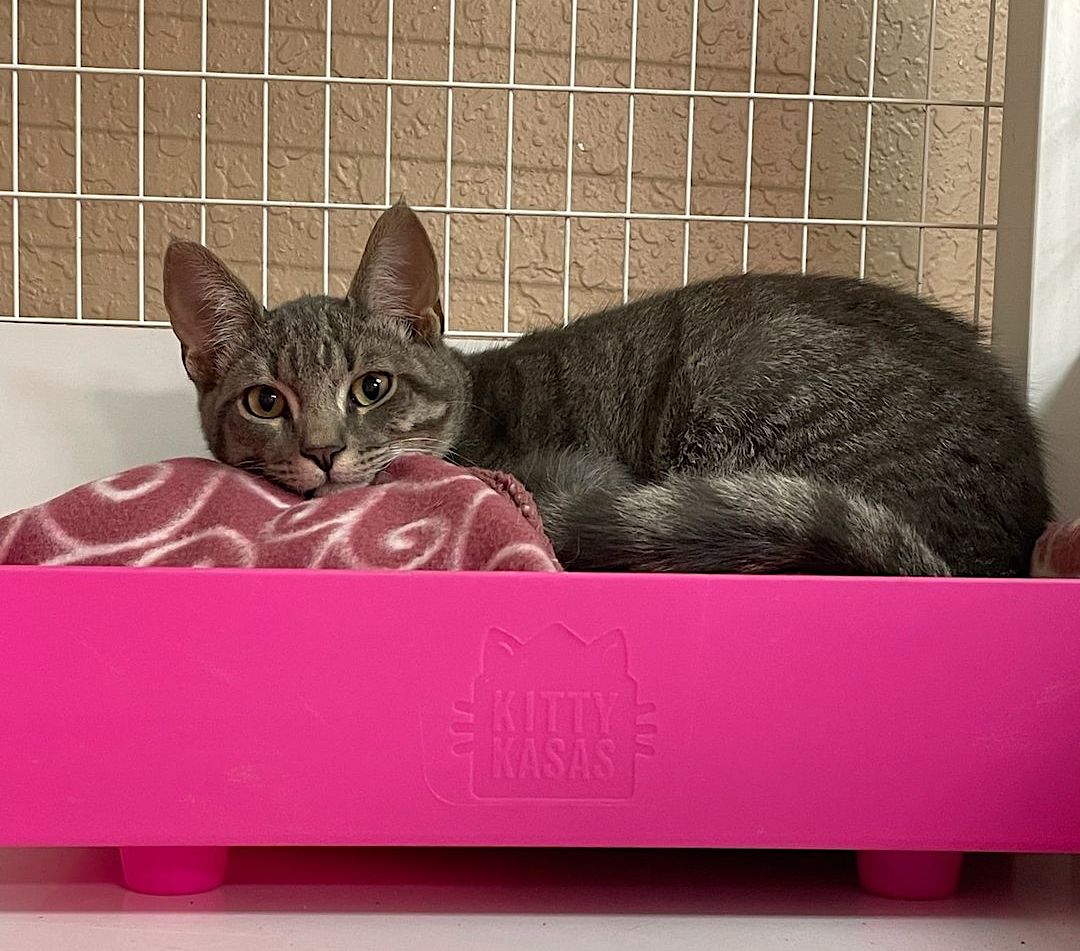

White County Animal Control receives grant

Thanks to a generous donation from the Atlanta Humane Society, pets housed in the White County Animal Shelter will have healthier, more comfortable surroundings. (Facebook)

White County Animal Control has received a new commercial washer and dryer from a grant provided by the Atlanta Humane Society.

The washer and dryer will help to keep pet bedding clean and dry which will cut down on illness and odor. It will also make the pets more comfortable during their time with us when many pets are stressed to be in a shelter. Director of Public Safety, David Murphy, stated: “We are grateful for the support of the Atlanta Humane Society and our continued partnership with them.”

This year, the Atlanta Humane Society also distributed funding for aluminum walls to be installed between kennels and the purchase of a new refrigerator. The walls can be cleaned, aiding in cutting down on illness that would be passed between pets. The refrigerator will be used to store important vaccines and refrigerated supplies.

Through the Atlanta Humane Society’s Statewide Outreach Program, animal welfare organizations across the state, including White County Animal Control, are able to apply for funding that is being designated to capital campaign improvements on behalf of a grant funder.

“White County Animal Control are great partners, and we’re thankful to be able to provide them with these funds on behalf of a grant funder who is passionate about canine welfare”, said Dr. Jennifer Morris, Director of Veterinary Outreach at the Atlanta Humane Society. “Being able to help support our partner shelters in multiple ways, including through this type of funding, allows us to continue to all work together to saving more animal lives in our state.”

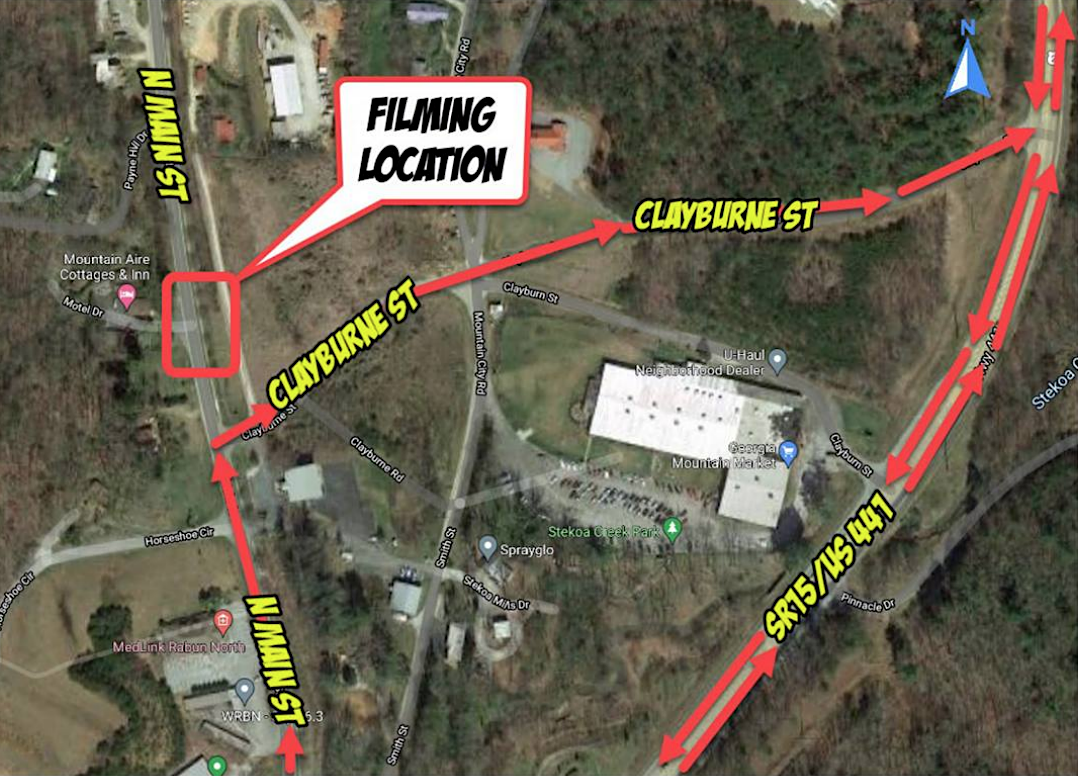
Netflix filming in Clayton today

(City of Clayton map)

A scene for an untitled Netflix movie will begin filming in Clayton on North Main Street (Old U.S. 441) on Thursday, August 19.

From 8 a.m. until 6 p.m., the southbound land of North Main Street at Motel Drive (Mountain Aire Cottages & Inn) will be blocked off to allow for the filming.

The northbound land will remain open, and law enforcement will be on scene to direct traffic around the filming, a news release from the city states.

To avoid any travel delays, traffic may detour onto Clayburne Street over to SR 15/U.S. 441 when traveling north. Local traffic will still be able to travel to businesses and residences in the area but should expect slight delays.


Hospitals uniting in COVID crisis message; nursing homes face vaccination pressure

Metro Atlanta and North Georgia hospital systems are uniting to deliver a public message about the increasingly grim picture on the COVID front lines.

Representatives from the Wellstar, Piedmont, Emory and Grady systems – often competitors in non-pandemic times  – along with those from Children’s Healthcare of Atlanta and Gainesville-based Northeast Georgia Health System, will address the media Thursday morning on the crisis surrounding the latest surge.

WellStar Kennestone

Since the pandemic began, the metro health systems have been working together at the CEO and chief medical officer levels in communicating about virus-related problems. Many of their hospitals reported severe ER crowding Wednesday, as well as diversion of ambulances due to inability of some facilities to take in more patients. Other large hospitals across the state reported similar crunches.

The united messaging among business rivals underscores the severity of the increase in COVID-19 infections, driven by the highly contagious Delta variant.  Hospitals are also dealing with major shortages of nurses and other workers as well.

Last week, Savannah-area public health officials convened a similar meeting with representatives from the major hospital systems in an eight-county area to discuss conditions in their facilities.

And it’s not just hospitals in Georgia teaming up in reporting COVID pressures. Officials from several Oklahoma hospitals gathered in Oklahoma City this week to make an urgent plea for Oklahomans to wear masks, get vaccinated and keep the state’s health care system from collapsing.

Amber Schmidtke, a microbiologist who analyses COVID trends in Georgia, said Wednesday that for hospitals, “this is a desperate time that calls for desperate measures. I wouldn’t be surprised if we heard a plea [from Georgia hospital officials] for mask wearing and increased vaccinations.’’

State public health officials Wednesday reported a one-day increase of COVID cases of more than 8,000.

Thompson

Hospitalizations for COVID climbed again, reaching 4,800.

“Our skyrocketing hospitalizations are really striking,’’ said Dr. Melanie Thompson, an Atlanta physician. “During the winter surge, we went from about 1,300 to about 4,700 hospitalizations in roughly 6 weeks. This time, we’ve done it in under a month, and the upward slope is still steep.’’

The COVID hospitalizations are overwhelmingly of unvaccinated people, Thompson said.

“We are at an extremely dangerous place right now, with our health systems threatening to be overwhelmed, some for the very first time during the pandemic.’’

Georgia has the eighth-highest per capita rate of COVID infections among states over the past 14 days, according to a New York Times listing Wednesday.

An ‘untenable’ predicament

Phoebe Putney, one of the biggest COVID hot spots nationally when the virus emerged last year, said Wednesday that it’s caring for 180 COVID-19 patients in its hospitals, just four shy of the peak it reached in April 2020.

Its main hospital is postponing all elective surgeries to make additional clinical staff available to focus on the hospital’s COVID response.

Phoebe Putney

“Our current situation is untenable,’’ said Dr. Jason Williams, Phoebe Putney Memorial Hospital’s medical director of perioperative services. “By postponing elective cases, we will free up operating room resources to best serve our community in this time of desperate need.”

Dougherty County, despite its heavy burden of COVID, has just 36 percent of residents vaccinated, below the state average of 42 percent.

President Joe Biden on Wednesday announced that he is directing all nursing homes to require their staffs to be vaccinated against COVID if the facilities want to continue receiving Medicare and Medicaid funding.

That’s a powerful way of exerting pressure on such facilities. Losing payments from the two federal programs would essentially force many to shut down or drastically cut services.

Recently, three large long-term care companies in Georgia – PruittHealth, Community Health Services of Georgia and A.G. Rhodes  – announced vaccination requirements for their workers.

But a recent AARP report said that just 48 percent of nursing home staffers in Georgia had been vaccinated.

Mark Parkinson, president and CEO of the American Health Care Association, an industry trade group representing nursing homes, said of the Biden order:

“We appreciate the administration’s efforts to increase COVID-19 vaccinations in long-term care. Unfortunately, this action does not go far enough. The government should not single out one provider group for mandatory vaccinations. Vaccination mandates for health care personnel should be applied to all health care settings. Without this, nursing homes face a disastrous workforce challenge.

“Focusing only on nursing homes will cause vaccine-hesitant workers to flee to other health care providers and leave many centers without adequate staff to care for residents,’’ Parkinson said in a statement.

Worker shortages have hit medical facilities of all types across the state. This week, Gov. Brian Kemp said he was adding state fundsto supply more temporary workers to hospitals hit hard by the COVID surge.

But Dr. Harry Heiman, a public health expert at Georgia State University, said what Kemp and state Public Health Commissioner Dr. Kathleen Toomey need to do is take stronger steps to turn the COVID tide.

“It is both unfortunate, and I would say, irresponsible, that they are not utilizing the two strongest public health tools available  – vaccine mandates for state employees as well as faculty, staff, and students at state universities and mask mandates in high-risk indoor settings, again, including all schools and state universities. These two measures alone could make a significant difference.’’

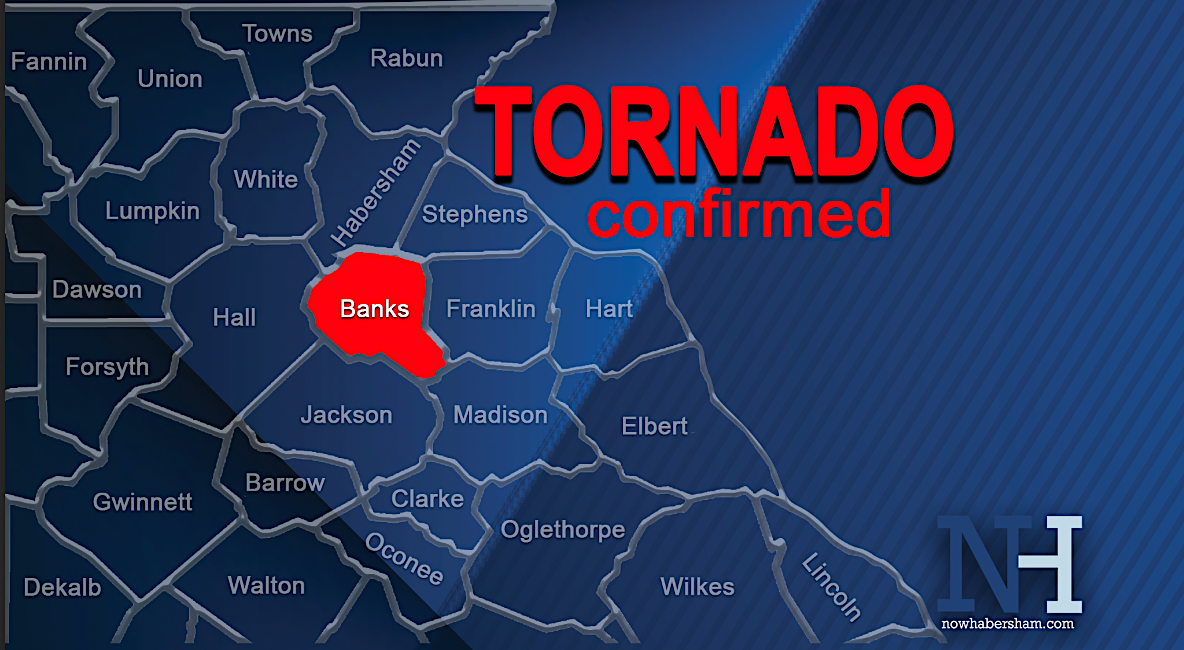
National Weather Service confirms EF-1 tornado touched down in Banks County

The National Weather Service has confirmed an EF-1 tornado touched down in Banks County on Tuesday. Two homes and a barn were damaged but no injuries were reported during the storm, according to local officials.

NWS officials investigating the storm told Banks County Emergency Management the tornado was probably packing 90 mph winds. They are still working to determine the path and length of the twister’s track.

“We are so thankful no one was hurt,” Banks County EMA posted to social media.

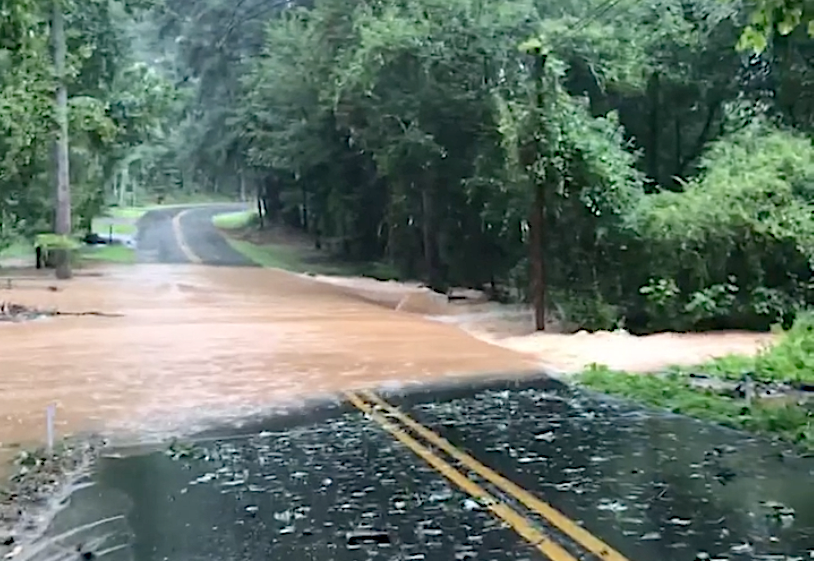
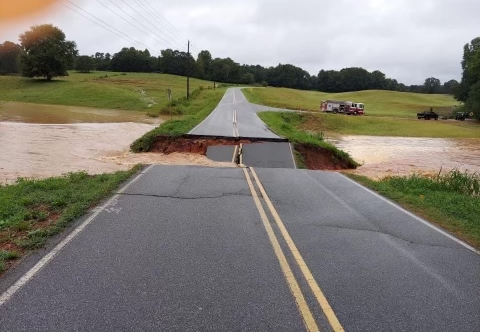
The twister was a byproduct of Tropical Depression Fred, which passed over Georgia overnight and early Tuesday morning. Heavy rain from the storm washed away part of a road near Homer and damaged two others. Officials say it could take weeks to repair them.

At least six apparent tornadoes touched down in Georgia on August 17, including the one in Banks County.

According to the National Weather Service, a tornado hit Americus, in the southwestern part of the state, damaging at least a dozen homes and an apartment complex. Another hit Jeffersonville, near Macon, tearing metal siding off a sporting goods warehouse, knocking over a semi-truck trailer, and tossing around small boats.

Habersham details storm damage, emergency response to Tropical Depression Fred

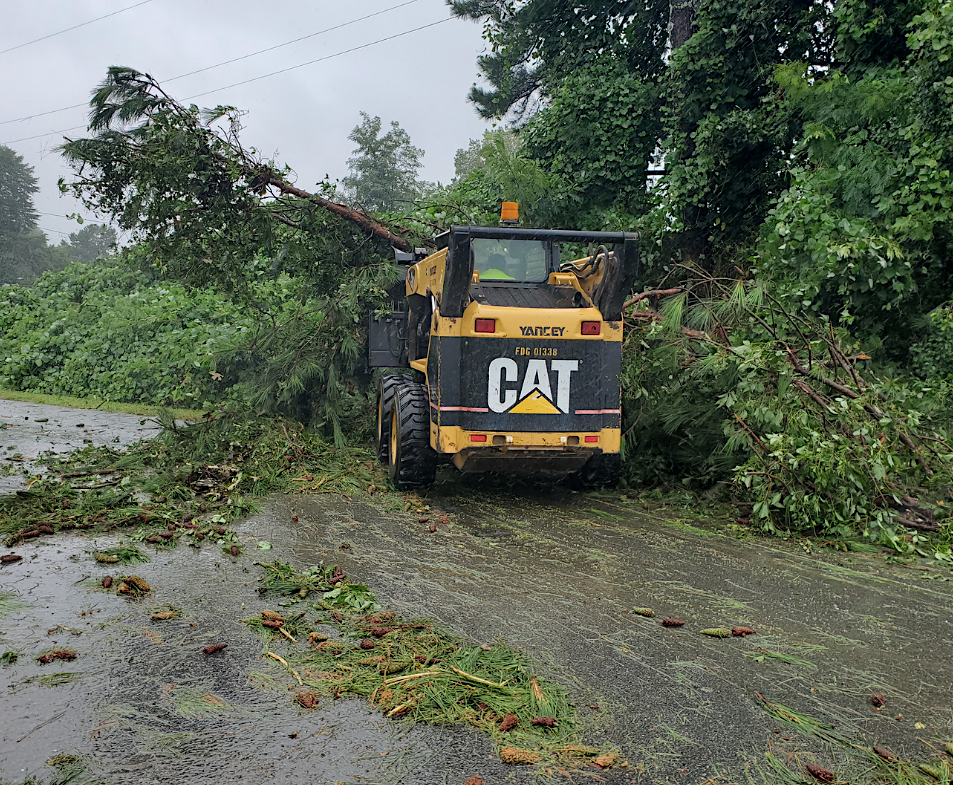
Trees fell on 30 roads across Habersham. Flooding damage six others.

Habersham County Officials are mapping out a plan to repair half a dozen roads damaged by Tropical Depression Fred.

On Wednesday, the county released details of the storm’s impact.

There was major flooding on six roads including Chase Road, Garrison Drive, and Alonzo Wade Road on the south end of the county and East and West Glade Creek Roads near Clarkesville.

“At this time, Chase Road has been repaired and the rest are pending repair,” says county public information officer Carolyn Gibson. She says Alonzo Wade Road is the only road that is washed out, adding, an estimated time for repairs is pending.

According to Habersham County Public Works, trees fell on thirty roads stretching south to north from Alto to Clarkesville. As of Wednesday morning, crews had cleared all of the roadways.

Aware there could be more damage out there not yet detected, Gibson says anyone needing to report poor road conditions should email her at [email protected].

“Habersham County would like to express appreciation to the public for their patience yesterday and in the days to come as repairs are completed,” she says.

‘We give as much warning as we receive’

The severe weather kept first responders and road crews in the county and Habersham’s seven municipalities busy. At the height of the storm, between 10 a.m. and noon on August 17, Habersham County E-911 handled 382 calls. Most were about road hazards. Habersham County Emergency Management Agency Director Lynn Smith says many were repeat calls from different people about the same problems.

“Overall I believe everything was handled as it came in,” Smith tells Now Habersham. “We were short-staffed and had to call in extra personnel, as I think most did. We were able to stay on top of most of it and some did have to wait depending on priority level.”

While 911 operators fielded phone calls, EMA officials kept the public informed. Smith distributed ongoing National Weather alerts to local media and the public. At 10:36 a.m., her office sounded the alarm that a tornado was on the ground in Banks County headed for Habersham.

“We give as much warning as we receive,” she says. EMA kept the tornado sirens sounding until the danger passed. “I hope that was helpful in helping people make a decision as to the severity of the weather and what to do.”

Monitoring the weather

Many people heeded public safety advice and stayed off the roads. They also monitored the weather which, during a severe event like Tuesday’s, is crucial.

In addition to the traditional tornado sirens, which not all residents can hear, most counties now have public alert systems via text or phone calls. Habersham, White, and Rabun counties use the CodeRed system, Banks County uses 911Swift, Stephens uses the Alert system, and Hall County uses Citizen’s Alert.

Other counties in Northeast Georgia use a variety of other public alert systems. (To enroll in these services, click on the links above or visit your county’s website and search for ‘public alerts.’)

“My advice is to listen to the warnings. If you know things are bad, stay home or go to a safe place before the weather hits,” Smith says. “When it hits is too late.”

Fortunately, even with all of the anxiety and mess that Fred caused in Habersham and surrounding counties, there were no reports of any injuries.

COVID-19 booster shots to roll out starting next month

Federal health officials announced COVID-19 booster shots will be available to Americans starting Sept. 20, with the scheduling of the additional shot to be based on when a person was fully vaccinated.

WASHINGTON (GA Recorder) — Top U.S. health officials announced a plan Wednesday to begin offering COVID-19 booster shots to Americans starting Sept. 20, with the scheduling of the additional shot to be based on when a person was fully vaccinated.

The new round of jabs will be extended to those who received the two-dose vaccine from either Pfizer or Moderna, and can be taken eight months after an individual’s second dose.

Dr. Vivek Murthy, the U.S. surgeon general, told reporters Wednesday that recent data makes clear that while the current COVID-19 vaccines have been highly effective against severe disease, hospitalization and death, the protection against mild and moderate disease has appeared to decrease over time.

“This is likely due to both waning immunity and the strength of the widespread delta variant,” Murthy said, adding that health officials are concerned that the decline in immunity could reduce protection against severe disease and death in the months ahead.

The more than 13 million Americans who received the one-dose shot from Johnson & Johnson may also need boosters, but will not yet be eligible.

Federal health officials said they are awaiting data from J&J in the next few weeks before urging additional doses. The J&J shot wasn’t approved until March, so those who received it will not hit eight months past inoculation until November.

The new booster rollout plan is subject to formal authorization from the Food and Drug Administration and the Centers for Disease Control and Prevention’s vaccine panel.

Those agencies will hold public meetings before the booster rollout can begin. But officials said they were detailing the booster plan ahead of those meetings in part to give state and local health officials time to prepare for another wave of vaccination logistics.

State and local health officials again under pressure

The plan for offering a third shot puts yet another layer of pressure on state and local health departments that have carried out the massive vaccination campaign, including in Georgia.

“We learned about this the same time everyone else did, so we are in planning discussions for how this will roll out and be operationalized,” Georgia Department of Health spokeswoman Nancy Nydham said Wednesday afternoon. “DPH has and continues to administer vaccines and will provide boosters in Georgia.”

Convincing Georgians to get two shots has already proven to be a challenge.

Georgia continues to lag behind the rest of the country with about 42% of the population fully vaccinated compared with over 51% for the nation, and as a result, the delta variant has spread across the state, massively straining hospital resources. On Tuesday, Georgia marked its 1 millionth documented COVID-19 case since the pandemic began. More than 19,000 deaths have been attributed to COVID-19 in Georgia, and another 3,000 likely linked to the virus.

Meanwhile, vaccine manufacturers are expected this fall to seek approval for administering shots to children under 12, who so far have not been eligible.

During Wednesday’s news briefing, Dr. Rochelle Walensky, the CDC director, cited several new studies that tracked vaccine effectiveness, including among New Yorkers across age groups and another following case counts from nursing homes.

Those studies have shown that protection against severe infection has held up but not against milder infections, she said, adding that other countries, such as Israel, also are starting to see “worsening outcomes.”

“In the context of all of these studies, different cohorts, different settings across the country, and our international colleagues, we’ve made the decision to plan for these booster doses,” Walensky said.

The booster shots will be available at roughly 80,000 sites nationally, including 40,000 local pharmacies. As with the other COVID-19 shots, the boosters will be free of charge.

The CDC had already approved a third COVID-19 shot for some immunocompromised individuals, who may not have received strong protection from the initial doses of the vaccine.

While the booster plan does not specifically mention other categories of individuals to receive a priority for boosters, the initial vaccine rollout did put certain groups first in line. So the first individuals to hit eight months after their second shot should be those in the earliest priority categories, such as health care workers and nursing home residents.

Georgia Recorder Reporter Ross Williams contributed to this story.

MS volleyball takes wins over Rabun in straight sets

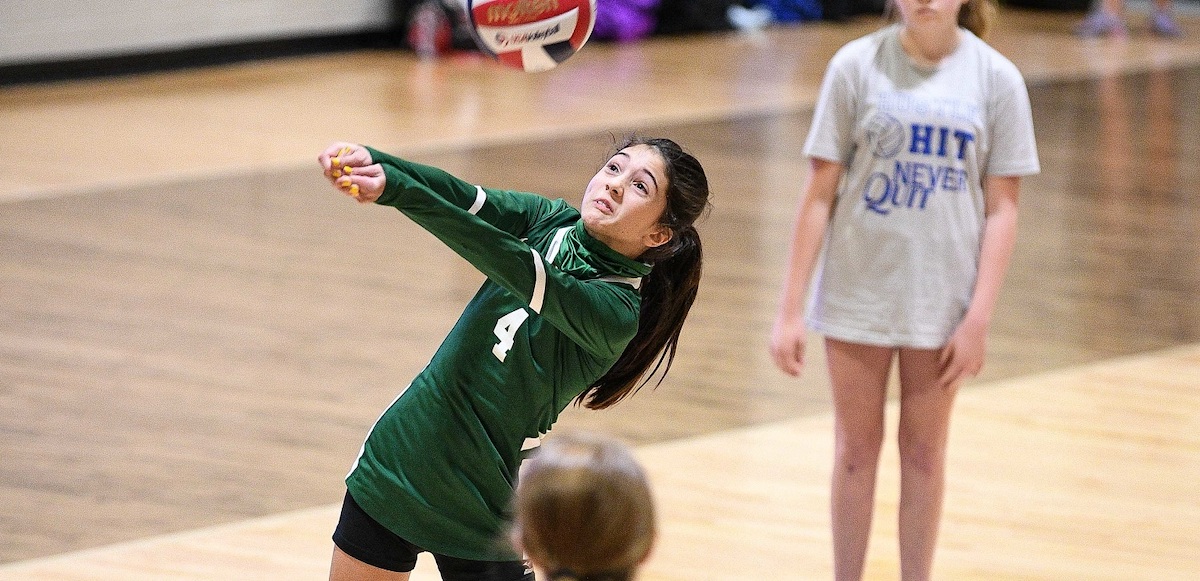
Rebecca Heyl (photo by Crump Photo)

The Tallulah Falls School MS volleyball teams, both playing in their 2021 home openers, were successful in taking down visiting Rabun County in straight-set fashion.

The A-Team took a 25-13 opening set and secured the match with a 25-8 win in the second set. Meanwhile, the B-Team won 25-15 and 25-18 to also win in straight sets over the visitors.

“Both teams persevered through some uncharacteristic sluggish play in the opening sets,” says coach Tim Corbett. “Most importantly, when the dust settled, it was clear that both teams reversed the early trend and took strides toward improving both individually and collectively.”

Rebecca Heyl led the team from the outside hitter position for the A-Team with a ton of kills both at the net and from the backcourt. In addition, she sealed the second set with ten consecutive serves, many of which were aces.

“LB Kafsky paced the B Team and may have shown the most improvement in the process,” says coach Hannah Satterfield. “She demonstrated substantial improvement in all phases of the game: serves, digs, kills, passing, you name it.”

The A-Team is 2-0 on the season, as is the B-Team. The Lady Indians travel to West Oak (Westminster SC) for a tournament Saturday involving roughly twelve teams.

Panel begins review of Fulton elections ahead of potential state takeover

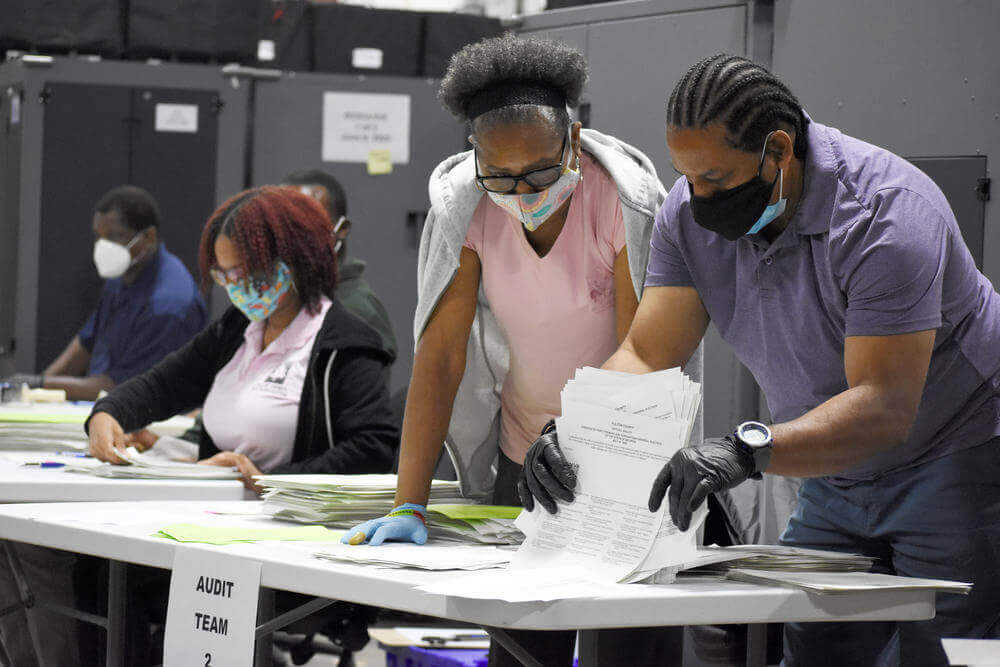
The State Election Board appointed Wednesday an independent panel to review Fulton County elections at the request of Republican lawmakers who cited Fulton as a major reason they supported a provision giving the state power to take over problematic local election boards. In this photo, Fulton election workers sorted absentee ballots during a pilot audit after last June’s primary. (Stephen Fowler/GPB)

ATLANTA (GA Recorder) — The State Election Board assigned an independent panel Wednesday to review Fulton County’s voting operation under a new rule that could lead to a state takeover of local elections.

The performance review board will begin evaluating elections in the state’s largest county – and a Democratic stronghold – at the request of Georgia Republican leaders who’ve been calling for a shakeup in leadership following the 2020 elections.

The state’s controversial and sweeping voting law, Senate Bill 202, requires state election board members to appoint an independent panel at the request of at least four legislators from the district where the review is would take place.

Eventually, the state board would determine if local election officials should be temporarily suspended and replaced by a state-appointed administrator to run elections.

Fulton’s elections have remained in the crosshairs of GOP state officials since the close of the 2020 presidential election. A pending lawsuit from a group of Fulton voters alleging widespread fraud in absentee voting uncovered 200 votes that were initially counted twice, intensifying the criticism from the right.

The review panelists selected Wednesday to investigate Fulton are Gwinnett County elections board member and Democrat Steven Day, Republican Rickey Kittle, who is the chairman of the Catoosa County elections board, and Ryan Germany, general counsel for GOP Secretary of State Brad Raffensperger.

Their investigation will cover all aspects of local elections, including election equipment maintenance and operation, managerial oversight, and compliance with state laws and regulations.

Republican Gov. Brian Kemp praised the move Wednesday.

“Fulton County has a long history of mismanagement, incompetence, and a lack of transparency when it comes to running elections – including during 2020,” Kemp said in a tweet. ”I fully support this review.”

Newly appointed Election Board Member Sara Tindall Ghazal, who is a Democrat, said she’s hopeful the new review board will work in the spirit of identifying how the Fulton election board and election staff can best serve its voters.

“I understand that the performance review board is going to be under tremendous political pressure on both sides to come to preordained conclusions. But knowing the members of this board, I trust that they’ll resist the pressure and approach their task with an open mind,” Ghazal said.

“The narrative driving this pressure has been influenced by disinformation surrounding the November 2020 election, but the fact remains that Fulton County voters have reported numerous problems for far longer than November 2020,” Ghazal said.

State law requires the performance review board to report its findings and recommendations to the secretary of state, the State Election Board and the local governing authority.

The state board would then hold a preliminary hearing within 90 days of receiving the report, followed by another hearing before any action is taken. If local election officials are temporarily replaced, a state-appointed administrator could spend at least nine months managing local elections before returning it to local control.

Election Board Member Matt Mashburn, who is Republican, emphasized the panel’s inclusion of an experienced state elections attorney and local election board members from both political parties who hail from both metro and rural parts of the state.

“Accusations that we’ve heard in the press that this is just a Republican hatchet job against Fulton County is not reflected by the slate of candidates,” Mashburn said. “I just wanted to also compliment these individuals for their willingness to serve. They know that this is a largely thankless task, except for the voters who are benefited on Election Day.”

Kittle said following the meeting that he’s honored to serve such an important position.

 “I look forward to working with my fellow Performance Review Panel members as we review the elections processes in Fulton County and make recommendations that we believe will ensure the integrity of Georgia elections,” he said in a statement.

Fair Fight Action, founded by Stacey Abrams, said the performance review panel must be a bipartisan representation of Fulton since its findings could spark the state’s first takeover of local elections by an unelected board without judicial oversight.

“It is not surprising that the Republican-controlled General Assembly has targeted Fulton County, Georgia’s largest county and home to the greatest number of voters of color in the state,” the voting rights organization statement said. “This takeover process may be just the first step in the General Assembly’s anti-democratic attempts to impose partisan control of elections in certain jurisdictions.”

Fulton County Chairman Robb Pitts and Democratic lawmakers from Fulton also contend that what happens to Fulton could become a cautionary tale for the rest of Georgia’s 158 counties where elections operations could also succumb to undue political pressure.

State Rep. David Dreyer, chair of the Fulton House delegation, said Wednesday that the Fulton panel is the result of unfounded voting conspiracy theories and GOP officials trying to curry favor from Donald Trump and his supporters ahead of next year’s election.

“Fulton is one of the most diverse counties in Georgia,” Dreyer said at a Wednesday afternoon press conference. “But this morning, we saw three white people appointed to conduct an investigation of Fulton County, with a pre-determined end to take over the Fulton elections board and allow partisans to run it for the upcoming 2022 elections.”

However, Republicans and other critics of Fulton point to reports from an internal audit and from an independent monitor appointed by the secretary of state’s office who criticized the county’s election operations as sloppy during last year’s general election.

The monitor also pointed out that there was no evidence of widespread fraud in Fulton.

After record voter turnout in the November election, Georgia and many other Republican-dominated state legislatures passed new voting laws, with Senate Bill 202 gaining notoriety as a national poster child. Raffensperger has called Georgia’s 2020 vote the most secure in the state’s history but has also pressed for new leadership over Fulton elections because of lingering problems over the years.

On Wednesday, Raffensperger said he’s glad to see a review panel established after he proposed last year giving the state more power over mismanaged elections offices. His request came after the June primary where many Fulton voters waited hours in line to vote.

SB 202 also removed the secretary of state as chair of the State Election Board, perhaps in response to the state’s top election chief refusing to overturn the presidential election results.

“I have been saying for a long time that the state needs the authority to step in when counties have consistently failed their voters,” Raffensperger said. “I’m pleased that the state finally has that authority and that the State Election Board has taken the first step today. I’m confident that the performance review team will do a good job, and I hope Fulton will cooperate with this process.”

Local homeowner and salon owner grateful for help after the storm

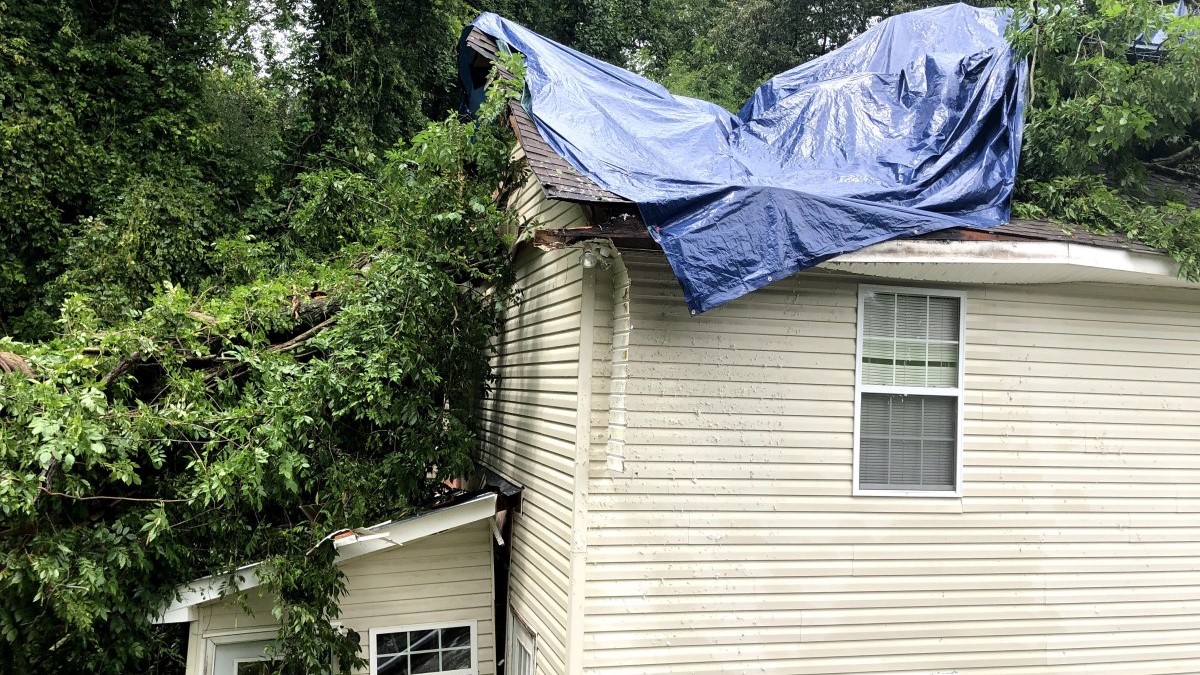
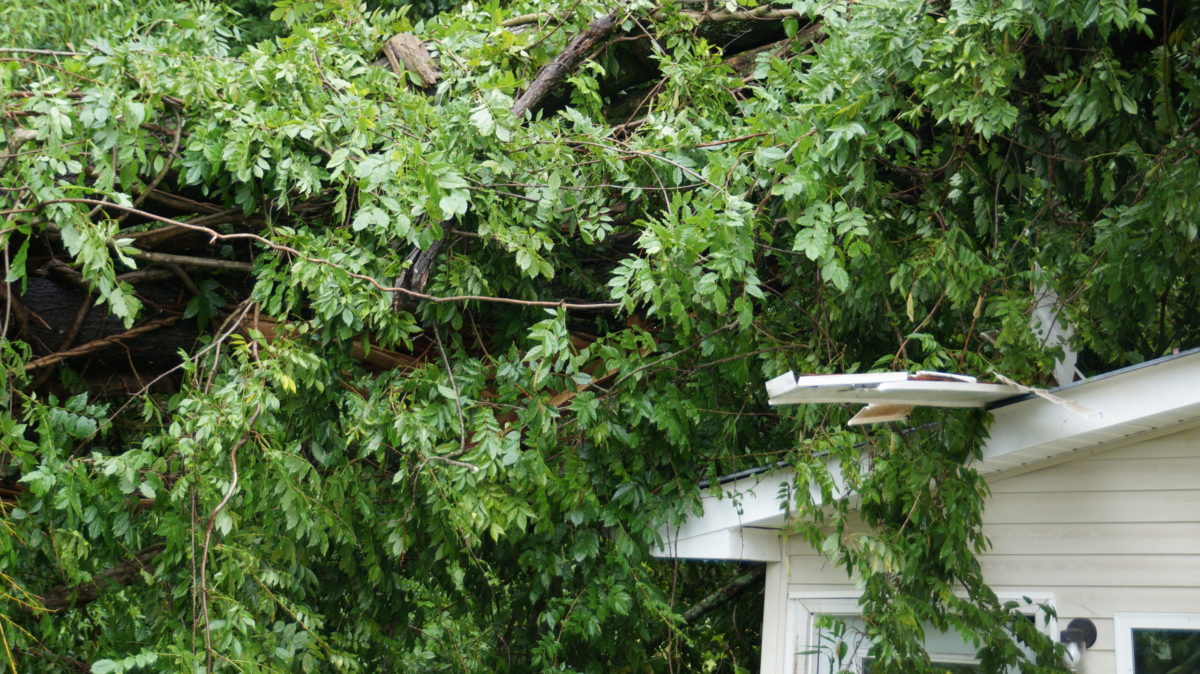
Luckily, no one was inside when the tree fell into this home on Pine Avenue in Demorest as Tropical Depression Fred moved through Habersham County. (Hadley Cottingham/Now Habersham)

As Tropical Depression Fred moved through Northeast Georgia Tuesday, some Habersham residents and business owners saw damage from the storm that left them in shock.

Homeowner Chris Norton was at work in Cornelia when he got a call that a tree had fallen on his home in Demorest, leaving the back of the home crushed and the roof in extreme disrepair. He and his daughter live there; luckily, she was at her aunt’s when the tree came down.

Concerned neighbor Brandon Grissom, a Demorest citizen and owner of All American Roofing, saw a firetruck come through the neighborhood during the storm. Grissom went to check out the situation after the tornado warning ended.

(Hadley Cottingham, Now Habersham)

“As soon as the storm let up a little bit, we came over here to see what was going on,” says Grissom. “I’ve seen a lot of trees on roofs, and this is up there with the worst [I’ve seen].”

Norton is thankful no one was hurt, but the damage to his home is extensive. For now, he’s working on the next steps with insurance coverage.

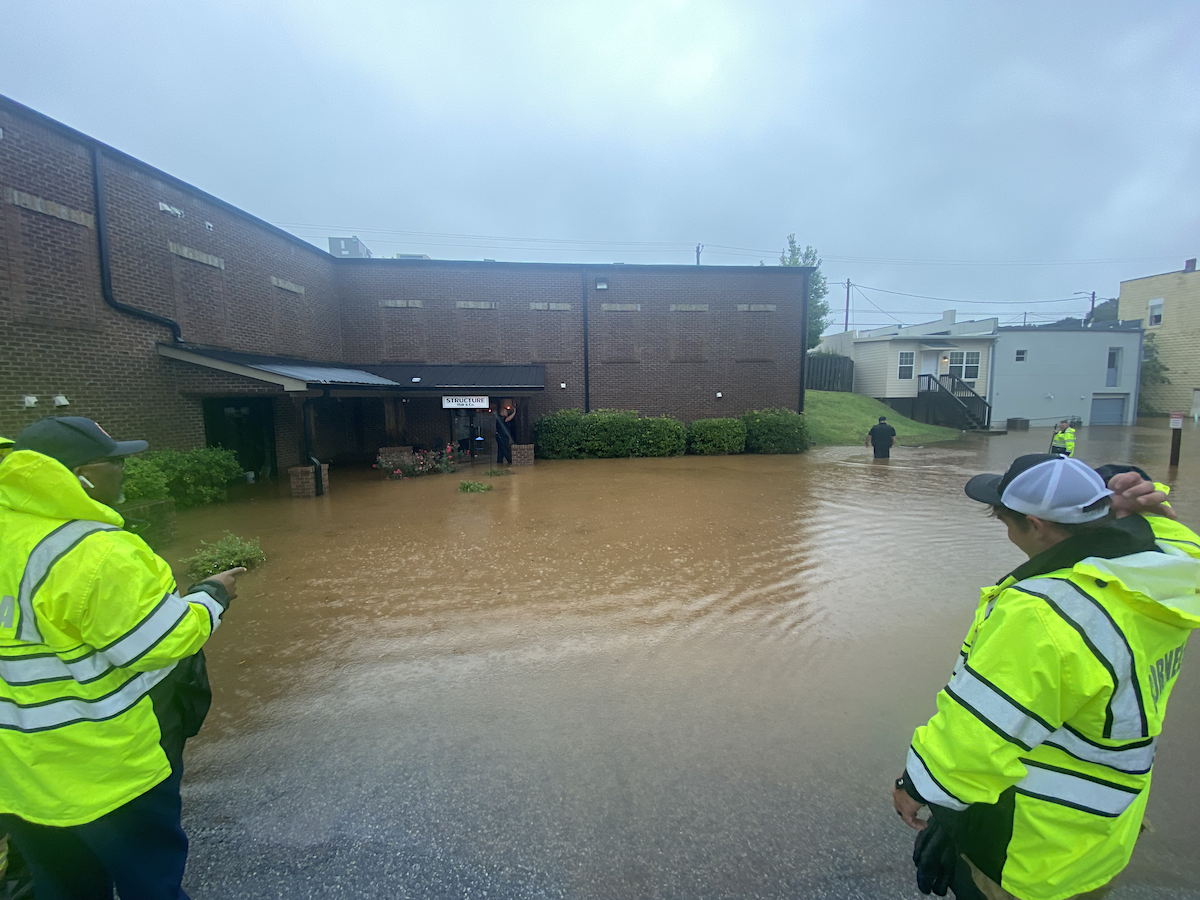
Cornelia business “Structure Hair & Co.” saw nearly a foot of flooding from the tropical depression rise outside the salon’s door, which eventually made its way inside. Owner Shelby Askew is moving to another salon to continue work while hers is undergoing repairs.

This parking lot flooded outside Structure Hair & Co Cornelia firefighters cleared a drain so that floodwaters could recede. (photo submitted)

Askew says this has happened before. In October, Hurricane Delta caused the same phenomenon to occur, but Askew says Delta brought in four feet of water. She says she’d only recently settled back into her salon, and is having to start the process all over again.

“I hope this doesn’t happen again– I’ve got to find a way for it to not happen again, but it’s going to take the city stepping in to help,” Askew says.

She tells Now Habersham that the drain near her business can’t handle all the water that flows to it. She says that when the Cornelia Fire Department arrived after the storm to clear away the debris on the drain, the water receded within ten minutes.

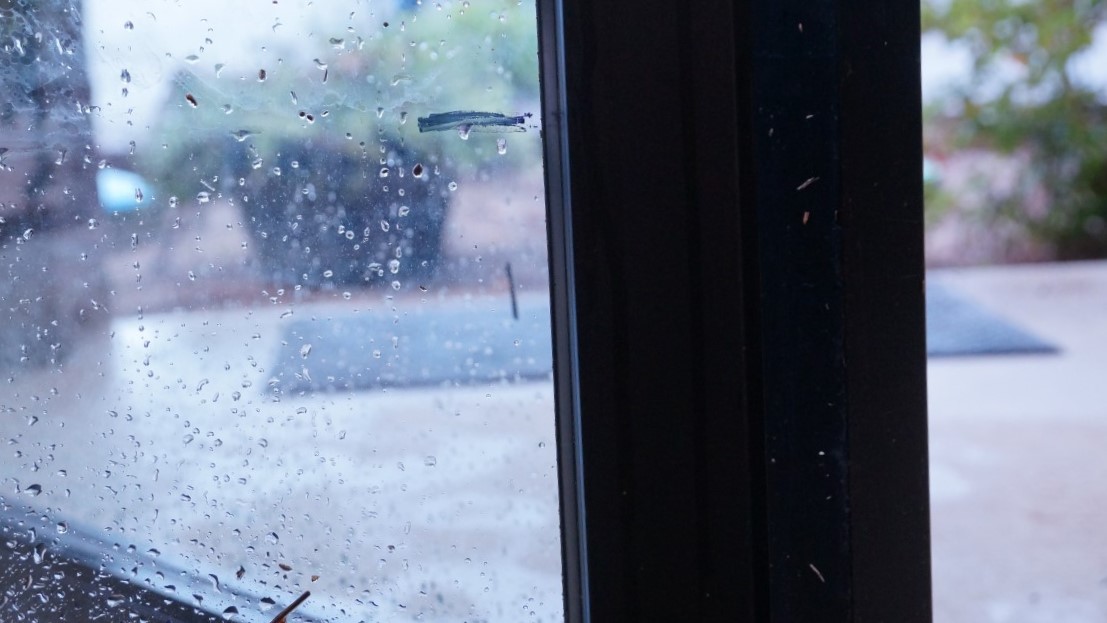
A line drawn on the glass door shows where the water had collected outside the salon, which measured to be about a foot high. (Hadley Cottingham, Now Habersham)

As she prepares to move and wait to return to her salon, Askew is ready to tackle what comes next and lean on her community for support. Both Askew and Norton were able to find someone in their community to help– for Norton, it was a local roofing company ready to help, and for Askew, it was a nearby salon willing to give her space to continue her work.

“You do what you’ve got to do,” Askew says. “Community comes together, that’s all you can do.”

Fred unleashes damaging tornadoes and floods across Georgia

Dozens of tornado warnings were issued and at least ten tornado reports were received by the National Weather Service on Tuesday as Tropical Depression Fred trekked across Georgia.

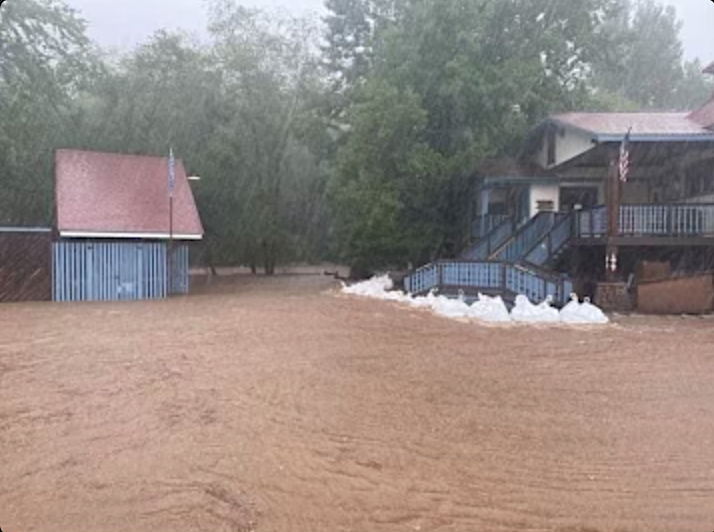
The Chattahoochee River overflowed its banks in Helen, causing condos and cabins to flood. (photo submitted)

Around 10:36 AM on August 17, Habersham EMA reported a tornado was on the ground in Banks County headed into Habersham. People sheltered in homes, schools, and businesses as sirens sounded.

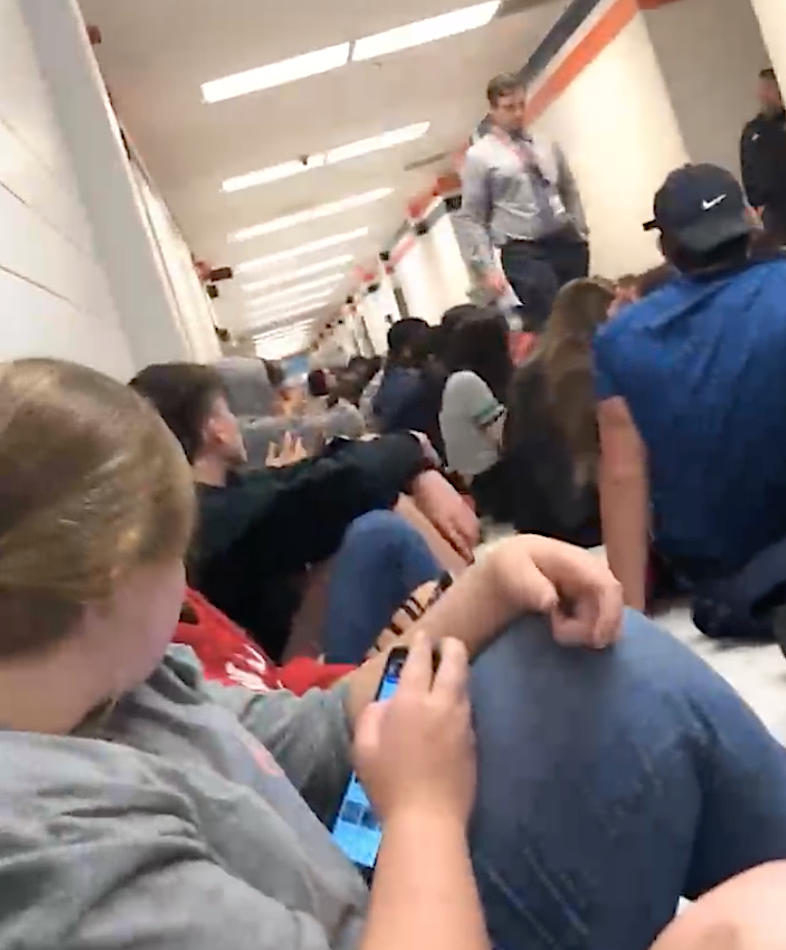
Students in Habersham huddled in hallways. Given the severity of the storm, the superintendent says he was glad the students were in school.

“Many of our students live in mobile homes and double wides which are the worst possible places to be during a tropical storm or tornado,” Cooper tells Now Habersham. “Schools are made of steel and concrete and are the safest buildings in our entire county.”

“Even though White County was never placed under a tornado warning, the Emergency Operations Center requested Mt. Yonah Elementary School to go under emergency operations due to the warning that was issued in Banks and Habersham County,” says White County Emergency Management Agency Director David Murphy. He says the storm changed to a northwesterly movement on radar “and the operations center felt it necessary to proactively move kids to safety for a period of time.”

Students take cover in the halls at Habersham Central High School during one of tornado warnings issued on Tuesday, Aug. 17. (photo submitted)

The town of Homer reported some of its buildings were damaged. At least four other towns in Georgia also reported what appears to be tornado-related damage.

The severe weather stirred by Fred washed out roads and downed trees across Northeast Georgia, forcing officials to close dozens of area roadways.

The Chattahoochee River overflowed its banks, causing significant flooding in Helen, damaging condos and cabins in the popular tourist town.

Flooding also damaged at least one retail outlet in Cornelia. Emergency crews were called to assist people trapped inside a salon on North Main Street after the parking lot flooded.

This parking lot flooded in Cornelia, trapping people inside a salon. (photo submitted)

WATCH: Cornelia Flood Video

Elsewhere in Habersham, Chase Road between Camp Creek Road and the Cornelia Walmart was blocked due to flooding.

There were also reports of flooding on B.C. Grant Road in Alto.

Across Habersham, trees fell on roads, and in Demorest, a tree fell on top of a house. Fortunately, no one was home at the time.

Habersham EMA Director Lynn Smith said Tuesday she was not aware of any reports of injuries.

Moving forward

Following Tuesday’s weather mayhem, as of early August 18, only a Flood Warning for Towns County remained. All other weather warnings, watches, and advisories for Northeast Georgia have expired, according to the National Weather Service.

RELATED: Habersham County Schools cancels afterschool activities due to weather

After working through the night, utility crews continued working early Wednesday to restore power to a handful of homes and businesses that lost electricity during the storm.

Most of those outages were in Habersham, Rabun, and White counties. Habersham EMC brought in extra crews from other co-ops to help with its restoration efforts.

With the ground so heavily saturated and more rain on the way through the end of this week, there’s a possibility more trees could fall. That could cause more trees and power lines to fall.

Officials urge drivers and others in the affected areas to remain vigilant. Watch for downed trees and power lines. Treat downed lines as if they were live; do not get out of your vehicle or touch downed cables.

If you see standing or rushing water on the road, do not attempt to drive through it and do not attempt to bypass road barricades, officials caution.

This article has been updated 

Fight over control of Fulton elections heads before state board Wednesday

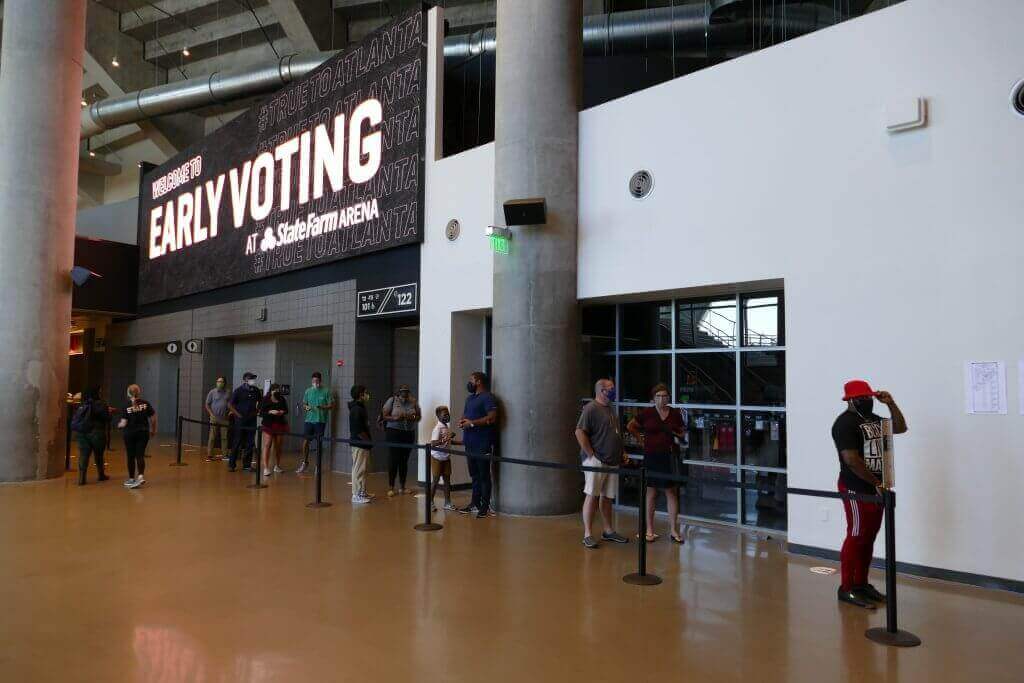
On Wednesday’s State Election Board agenda is a proposal to appoint an independent panel to evaluate Fulton County elections under a rule that empowers the state to takeover local election boards for rules violations. Fulton County, which used State Farm Arena in 2020 to reduce wait times and keep voters socially distanced, is the first target of the takeover process. (John McCosh/Georgia Recorder)

ATLANTA (GA Recorder) — The Georgia State Election Board is set Wednesday to appoint an independent review panel to examine Fulton County elections management as the fight over control of the state’s largest county continues to take center stage.

The creation of the review board is a step toward the potential removal of Fulton election board members. Georgia’s Republican leaders have been pressing for a performance evaluation of the board under the state’s controversial new voting law.

Wednesday’s State Election Board meeting would be the first time the board uses its newfound power under Senate Bill 202 to appoint a panel to investigate whether local boards have properly handled their election duties.

The performance review board clause was triggered for Fulton after local GOP legislators from each chamber requested the evaluation in recent weeks.

The scrutiny into Fulton’s handling of the 2020 presidential election began in the wake of Nov. 3 and ramped up this summer after a group suing the county election board for access to its absentee ballots revealed that nearly 200 votes were initially counted twice.

Georgia Senate President Pro Tem Butch Miller took the lead as four senators from Fulton County and two dozen other GOP colleagues fired off a letter to Fulton superintendent Rick Barron about the duplicate ballots. They also called for an evaluation of Fulton elections and Barron.

Fulton House Speaker Pro-Tempore Jan Jones and Rep. Chuck Martin of Alpharetta also requested the review.

“Maintaining integrity in our elections is of the utmost importance to me and my colleagues in the State Senate,” Miller wrote on July 15. “Unfortunately, Fulton County’s apparent disregard for election procedures and state law have called that integrity into doubt.

“At minimum, these revelations undermine Georgians’ confidence in our elections, and I will not allow them to remain unresolved and shrouded by a lack of information and transparency,” Miller added.

Democrats and progressive voting rights organizations call these new powers for the State Election Board the most dangerous part of the 98-page voting law.

They argue that this method of creating temporary election boards is a partisan power play that could sway election results by controlling how a county sets polling places, certifies election results, and performs other election duties.

Supporters argue the changes will hold local elections management more accountable.

Under the new rule, after the review panel files a report that includes recommendations, the State Election Board must hold a preliminary hearing within 90 days.

The state election members would then have the authority to hold another hearing before deciding if the local board should be temporarily suspended for not resolving at least three violations since 2018 or if more severe problems have occurred within two years.

The state-appointed administrator could spend at least nine months managing local elections before local control is returned.

Previously, Georgia law only allowed a judge to replace local election leadership.

Fulton lawmakers, county chairman join forces

Fulton’s Democratic legislators joined County Chairman Robb Pitts last week as they pledged to work together to fight Republican threats to Fulton’s election management.

They’ve called the proposed state takeover an overreaction to the embarrassment of Donald Trump losing to President Joe Biden and an outgrowth of the attempts to continue spreading unfounded claims that widespread fraud cost Trump the election.

Much less drastic measures than a takeover can resolve issues like the long lines seen during the June primaries in Fulton that were no longer a problem in the November election, said state Sen. Jen Jordan, chair of the Fulton Senate delegation.

“(Republicans) think keeping political power is way more important than actually protecting the fundamental right to vote,” she said. “I can promise you that we have been pushing whenever there’s been an issue with Fulton County elections, we have worked with the county. We have worked with the elections board to actually try to fix it and try to remedy it.”

Pitts has said Fulton attorneys continue to explore their legal options. Fulton lawmakers said they are also paying close attention to a U.S. Department of Justice lawsuit and other legal challenges attempting to overturn controversial elements of SB 202.

Secretary of State Brad Raffensperger, the state’s top election chief, has called Georgia’s 2020 general election the most secure in the state’s history, with results verified by several counts, including one done by hand.

Still, Raffensperger has consistently called for a shakeup in Fulton’s election leadership, most recently pushing for the firing of Barron and voter registration chief Ralph Jones.

Barron has so far weathered the threats to his job and avoided a close call this year when the County Commission voted down a Fulton election board recommendation in February to fire him.

Jones, however, resigned on last week as pressure from last year’s elections continued to persist and with the early stages of the takeover process underway.

Also, a recent internal audit of Fulton’s 2020 elections listed 10 problems, including a lack of financial oversight and formal operating procedures.

“I’ve been involved in quite a few elections throughout my career, and there has never been a perfect election and never will be one,” Pitts said. “We’re open for suggestions. We know that we’re not perfect, but we also know that there was not one iota of malfeasance back in 2020.”