Home Blog Page 168

Former Truett McConnell vice president indicted in case tied to sex abuse probe

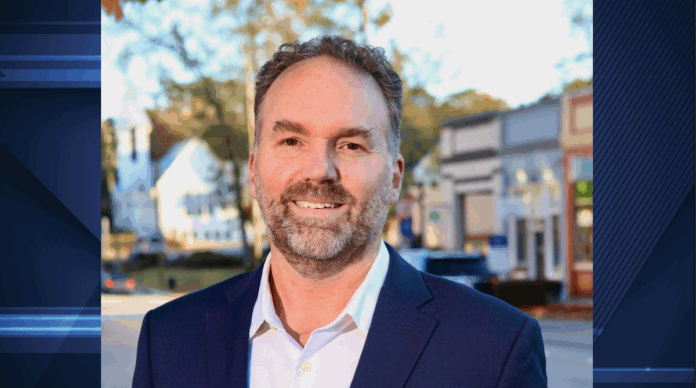
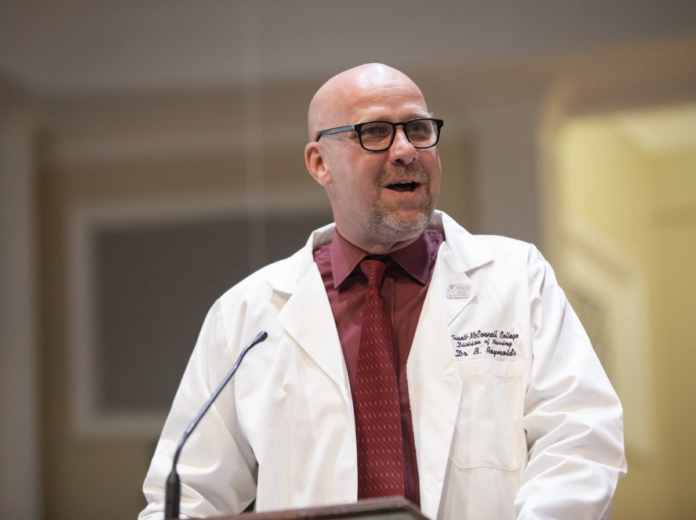
Bradley Reynolds has been indicted on three felony counts of making false statements to law enforcement. Reynolds served as Truett McConnell's vice president of academic services from 2009 to 2024. (TMU/Facebook)

CLEVELAND, Ga. – A former vice president at Truett McConnell University has been indicted in White County on charges connected to an ongoing sexual abuse investigation, according to Enotah Judicial Circuit District Attorney Jeff Langley.

On Monday, Dec. 8, the White County Grand Jury indicted former TMU Vice President of Academic Affairs Bradley Reynolds on three felony counts of making false statements to law enforcement. Reynolds served 15 years in a senior administrative role at the private Christian university in Cleveland. The indictment stems from a broader probe into sexual assault allegations against Reynolds by former student-athlete Haylie Swinson.

Langley said he did not interview Reynolds as part of his investigation, but said he personally presented the case to the grand jury. He declined to discuss specifics of the case, citing pending litigation, but confirmed that a valid arrest warrant has been issued. Langley said that, if necessary, extradition could be sought for Reynolds, who now lives in Texas.

The allegations and indictment

In a May podcast, Swinson alleged Reynolds lured her into one-on-one “discipleship” sessions in the basement of his home, which escalated from inappropriate touching during prayer to rape.

Reynolds left Truett in 2024 after Swinson reported her allegations to the White County Sheriff’s Office. While the sheriff’s investigator determined there was insufficient evidence to prosecute, he determined that Swinson and Reynolds “had a long relationship spanning from September 2013 until June 2017.”

According to the indictment, Reynolds knowingly gave three false answers to Sgt. Anthony Wayne Sims of the White County Sheriff’s Office, while being questioned about the case on or about March 1, 2024.

The indictment details the specific nature of the alleged lies across three separate counts. Count 1 alleges that Reynolds falsely claimed he had no sexual relationship with Swinson. Count 2 charges that he falsely stated he was unaware of and did not use the email account [email protected], which investigators reportedly later traced back to him. And count 3 alleges that Reynolds falsely denied telling and emailing Swinson that his wife was going to die and that he would make Swinson his “second wife”.

To support these charges, the State listed several witnesses, including Sgt. Sims, Swinson, former TMU Vice President of Student Services Chris Eppling, and others connected to the school, including Stacy Hall, Lillian Hambrick, and Megan Taylor-Kough.

Reaction to the indictment

Following Monday’s indictment, Swinson’s attorney, Marcia Shein, told Now Habersham her client is “very grateful that the DA in White County investigated, and that the district attorney presented the case to the grand jury. Now we’ll just let the justice system proceed.”

Shein had no further comment, and, when asked, declined to say what Swinson is now doing in her professional life.

Langley said authorities will coordinate next steps to get Reynolds to Georgia to answer to the charges.

On Dec. 9, Now Habersham called the family-owned sandwich shop in Texas where Reynolds works. The man who answered the phone said Reynolds was not available. As of publication, he had not responded to our request for a return call.

Truett McConnell University has not issued a public statement regarding the indictment.
Georgia Power’s data center-driven energy expansion plan faces final hearings ahead of critical vote

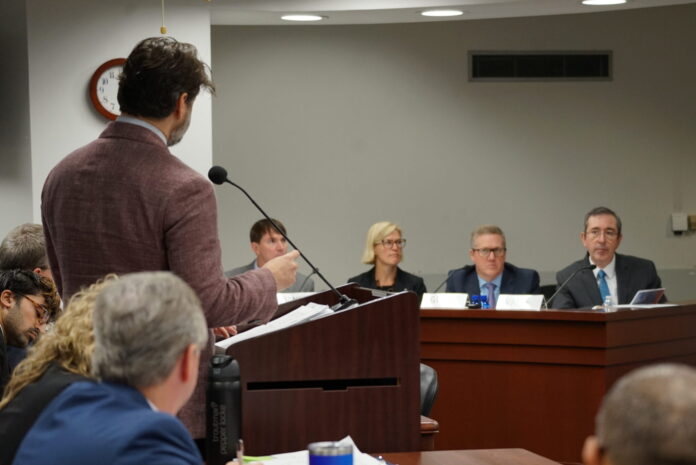
Southern Environmental Law Center lawyer Bob Sherrier questions Georgia Power officials Brandon Looney, Kristin Curylo, Jeffrey R. Grubb and Francisco Valle (from left to right) during cross examination at a Georgia Public Service Commission hearing in Atlanta on Oct. 22, 2025. (Alander Rocha/NowHabersham.com)

(Georgia Recorder) — The Georgia Public Service Commission is set to hold final hearings this week on Georgia Power’s request to approve nearly 10,000 megawatts of new energy capacity.

The request, which the utility argues is needed for reliability and economic growth, will likely come to a final vote later this month after commissioners hear from several groups, including environmental advocates, Georgia Power and commission staff, which is recommending the panel sign off on a smaller increase. Critics said the utility’s plan could burden ratepayers with future bill increases to pay for projected data center growth that may not materialize.

Georgia Power and environmental groups have clashed over who should bear the risk associated with the unprecedented energy demand forecast, which is heavily influenced by an explosion of proposed data centers across the state.

RELATED: Massive Burt Jones-backed project among wave of data centers proposed for Georgia

Matthew Kent, spokesperson for Georgia Power, defended the utility’s proposal, arguing that the full 9,900 megawatts are not just needed to support energy-hungry data centers. Kent said the added capacity would also help fill the gap left by expiring contracts while having backup power.

“Staff’s recommendation would significantly inhibit Georgia Power’s ability to contract with new large load customers, stifle economic development growth in Georgia, compromise the efforts the Company and Commission have taken to ensure industry-leading reliability, and reduce the opportunity to place downward pressure on rates for all customers,” Kent said in a statement.

Kent said the utility’s forecast is already materializing, citing contracts representing nearly 2,000 megawatts of energy that he said have been signed in the last six months.

But critics of the plan, including PSC staff and advocates, warn that approving the full request, which is about five Hoover Dams’ worth of power according to the Southern Environmental Law Center, would expose customers to more potential bill increases, especially if the expected surge in data centers fizzles. If approved in its entirety, Georgia Power customers’ energy bills could increase by $20 per month, according to PSC staff tasked with representing utility consumers.

The staff recommended the commission certify about one-third of Georgia Power’s request, just over 3,000 megawatts of power. This is based on the capacity needed to serve existing contracts and would provide a 305-megawatt cushion for additional data center growth.

The staff also recommends conditional approval for another 4,298 megawatts of resources, which includes two proposed natural gas plants. The condition would require Georgia Power to secure signed contracts with new data center customers before the commission approves the buildout costs, which could then be passed on to residential customers.

Bob Sherrier, a lawyer with the Southern Environmental Law Center representing environmental groups, said the compromise proposed by commission staff could help limit the risk that costs associated with building energy infrastructure are passed on to customers if demand from data centers doesn’t fully materialize.

“We’re not going to certify them, guarantee they show up on bills, until Georgia Power signs a contract for a data center customer, to show there’s a real need for that power,” Sherrier said.

The upcoming vote comes after a consequential election in which two incumbent commissioners lost their seats to Democrats who campaigned on energy affordability, blasting the commission’s approval of a series of Georgia Power rate increases. A petition by environmental groups to delay this month’s vote until the two new commissioners are seated in January was denied by the current commission, which is composed of five Republicans.

Environmental advocates are also pushing back against allowing new natural gas plants, which typically have long lifespans.

Isabella Ariza, an attorney with the Sierra Club, said that the cost of building these plants could be passed on to customers for decades. Ariza said the Sierra Club is highly critical of this long-term commitment because it’s based on “a speculative and inflated load forecast” and that the gas plants are “not cost-effective.”

“Our expert found that McIntosh is the most expensive gas plant that’s being built in the United States,” Ariza said, referring to a facility near Savannah.

Interveners argue that Georgia Power should prioritize lower-risk, cleaner, and more flexible resources, such as battery storage and solar-plus-storage projects that store excess daytime energy for use at night.

Ariza said that battery storage is “more cost-effective” and has a “much shorter lifespan.” This shorter 20-year lifespan is preferred because if “all of these data centers decide to leave the state in 10 or 15 years at best, then the ratepayers won’t get stuck with the bill for an additional couple of decades.”

Stephen Smith, executive director of Southern Alliance for Clean Energy, argued Georgia Power is prioritizing shareholder profits over consumer interests by not pursuing renewable, cost-effective energy, likely because he argued the utility stands to benefit financially from natural gas rather than green energy.

“Solar and storage are not only the most cost-effective, but they’re also ones that can be deployed usually quicker than the fossil gas generation,” Smith said.

Doha Medani, organizing director for Georgia Conservation Voters Education Fund, framed the massive build-out proposal in terms of kitchen-table economics.

“The decisions that are made today are going to impact people for years and years to come, and so it’s our hope that the commissioners will listen to what people have put forth,” Medani said, pointing to Georgia’s recent election.

The commission hearings are scheduled to run through Friday, with a final decision expected on Dec. 19.

Cornelia enacts 180-day pause on annexation requests

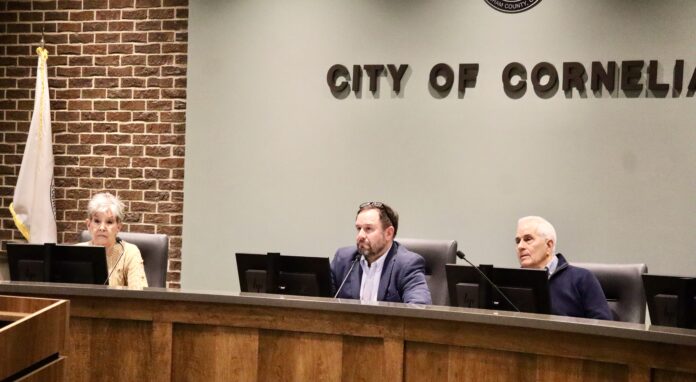
The Cornelia City Commission listened to residents before voting on an emergency annexation moratorium. (Patrick Fargason/Now Habersham)

CORNELIA, Ga. – One week after a major annexation proposal unraveled during a tense, 3.5-hour public hearing, Cornelia officials voted Tuesday to impose an emergency moratorium on accepting new annexation requests while the city reevaluates it ordinances and infrastructure capacity.

The unanimous vote follows the collapse of the proposed Red Apple Innovation Corridor, a 216-acre annexation and rezoning plan along Highway 365 that drew unprecedented public turnout and significant opposition. The measure died Dec. 2 when a motion to repost the ordinance failed to receive a second. A clerical error in the paperwork prevented commissioners from voting on the proposal as presented, and the companion ordinance governing development agreements also fell away.

A necessary reset

On Tuesday, Cornelia Mayor John Borrow opened the special meeting by acknowledging the city had been inundated with resident feedback since the hearing. He said the moratorium is a necessary reset.

“The reason we’re here is a consideration of an emergency moratorium on annexation requests, and that is based on the tremendous amount of public feedback we’ve received in the past several weeks,” Borrow said. He added that although annexation procedures are largely governed by state law, cities have the responsibility to ensure local ordinances reflect their long term vision. “We felt we needed to pump the brakes and make sure we had all of our ducks in a row before we do anything else bigger like this.”

Borrow said the failed annexation highlighted the stakes involved in large-scale developments. “It was a a big development, and there were a lot of things that had to go right for it to pass,” he said. “If one thing didn’t go right then we saw what happened. It died for lack of a second.”

Water and sewer capacity

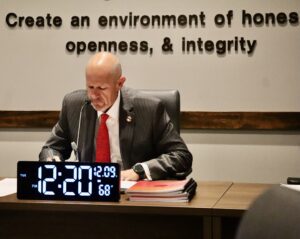
City Manager Don Anderson reads the terms of the emergency moratorium passed Tuesday. (Patrick Fargason/Now Habersham)

City manager Donald Anderson told commissioners the proposed pause would give staff time to examine gaps in the city’s ordinances and conduct a comprehensive study of Cornelia’s water and sewer capacity. “The recent annexation request pointed out some issues with our existing annexation ordinances,” Anderson said. “It also raised some questions about our water and sewer capacity and whether we can serve a large development.”

Anderson said engineers will evaluate the city’s average daily water usage and factor in demand from already approved developments recently built or currently under construction. The analysis will help determine whether Cornelia can support additional growth.

“The last thing we want to do is approve a development and then realize we don’t have the water to serve it,” Anderson said.

City attorney Steve Campbell said the moratorium will last up to 180 days or end sooner if the review is completed. He noted that any ordinance changes relating to annexation could trigger required zoning procedures, adding time to the process. Anderson confirmed that no additional annexation requests are currently pending before the city.

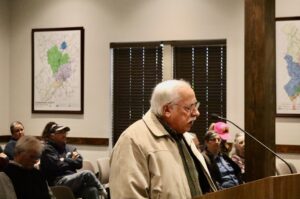
Cornelia resident David Oppenheimer said he trusted the city commission during a public hearing. (Patrick Fargason/Now Habersham)

During the public hearing, resident David Oppenheimer encouraged commissioners to carefully study the city’s future needs and rely on verified information rather than social media speculation. Oppenheimer said he believes annexation decisions should account for Cornelia’s infrastructure, economic opportunities, and long-term growth. “I trust y’all on the decisions that you’ll make,” he told the commission.

The commission then voted to unanimously approve the moratorium.

Commitment to transparency

After the meeting, Borrow told Now Habersham that Tuesday’s action reflects a commitment to improving transparency and ensuring clear, consistent standards.

“It became clear to us that we need step back and make sure that we have a consistent process and a consistent message, and that our ordinances an regulations actually reflect what we want to do win Cornelia and what our constituents want,” Borrow said. He added that any future annexation policies will involve collaboration with Habersham County and guidance from the state. “What can we in Cornelia do to make sure that we’re doing things properly?” he said.

Gives the city more information

Commissioner Mark Reed, who last week defended the Red Apple Innovation Corridor proposal, said he supported the moratorium as a practical way to address community concerns. “I think it’s a good idea,” Reed said. “It will give the city more information to be able to answer some of the questions that were brought up at the last meeting.”

Reed said the process will help the city refine zoning language and definitions. “We heard the public, and we’re trying to make sure that our procedures and our definitions and our understanding of our capacity are things that we know, instead of things we don’t know.”

Reed also emphasized that Cornelia’s infrastructure is stronger than some residents may believe. He noted that between 80 and 90 percent of the city’s water lines have been replaced over the past four years and that wastewater treatment upgrades as allocated in the city’s 2026 budget remain underway.

Still, Reed said the city should answer lingering questions as quickly as possible. “Six months is a long time when you are borrowing money.” he said.

The moratorium will remain in place for up to 180 days as the city reviews its ordinances, evaluates water and sewer capacity, and prepares recommendations for the future.

Baldwin approves city manager, advances water projects

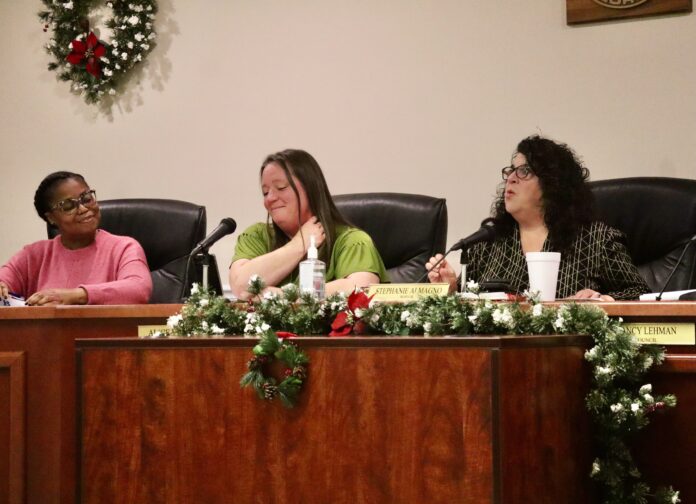
Baldwin Mayor Stephanie Almagno (right) and Councilwoman Alice Venter say their goodbyes during a heartfelt meeting. (Patrick Fargason/Now Habersham)

BALDWIN, Ga. – Baldwin officials approved a new city manager, advanced multiple water and sewer improvements, and closed out two elected officials’ terms Tuesday during a meeting marked by transition and emotional farewells.

Baldwin’s new city manager Tiera Morrison (right) took her loyalty oath during the Baldwin City Council meeting Tuesday. (Patrick Fargason/Now Habersham)

The council voted to approve the employment contract for Tiera Morrison, who will begin work as Baldwin’s new city manager at 9 a.m. Wednesday. City attorney Jack Samuels administered her loyalty oath following the vote.

Mayor Stephanie Almagno said Morrison was selected after a months-long application and interview process conducted by a council committee.

“We’re very excited to have you,” Almagno told Morrison. “Thank you so much for taking a chance on Baldwin. You are inheriting good, honest, kind people who work diligently and respectfully for all the residents of Baldwin.”

Sewer Settlement agreement

During the work session, Almagno outlined the long-running issue behind a newly approved sewer credit settlement agreement. She said the city “for many years” charged sewer rates to certain water customers who did not have sewer service.

“We have had an extended process to correct that situation,” she said, adding that the city first had to update its water and sewer use ordinance before it could issue credits. The settlement affects five customers.

“Each one of those customers will receive a certified copy of this agreement and then their water bills will be credited based on the total that they have already paid,” Almagno said.

Water and sewer updates

The council also unanimously approved uncommitting reserved wastewater treatment plan funds and purchasing new aerators for the facility. City Engineer Fletcher Holliday said the eight aerators in the biological nutrient reduction system are more than 20 years old and increasingly unreliable.

Holiday also delivered an extended report on the city’s water and sewer system, crediting the city’s Water Group Committee with advancing long-delayed projects. He said construction on the Highway 441 water system improvements is expected to begin within 60 days.

Furthermore, Holliday stated the city is finalizing a corrective action plan required under an EPD consent order for inflow and infiltration issues at the wastewater plant. The city’s capital improvement plan and rate study are expected to be completed in late January, and new water zone meter maps and cost estimates were submitted the city this week.

The city also reminded residents that 2025 property tax bills have been delayed. They will be due 60 days after they are mailed, with the date posed online, printed on water bills and announced during a future meeting.

A heartfelt goodbye

Tuesday marked the final meeting for both Mayor Almagno and Councilwoman Alice Venter. Almagno, who temporarily served as city manager during the transition from former manager Emily Woodmaster to Morrison, thanked City Clerk Erin Gathercoal for guiding her through the role.

“Being a city manager was not on my 2025 Bingo card,” she said. “I could not have gotten through these six weeks without Erin. This woman is smart and savvy and hardworking.”

Venter, completing her eighth year on the council, offered heartfelt remarks urging the incoming council and staff to remember their purpose.

“We are serving the public, not ourselves,” she said. “When there is a vacuum of communication, rumors will spread, and they’re almost always wrong. Please understand who it is that you are serving.”

Venter added, “It has been my pleasure, now sometimes it has not been my pleasure, to serve over these last eight years, but it is something I would not change for anything in the world. And, don’t make me come back.”

Almagno closed the meeting by thanking staff and volunteers for recent holiday events, including the city’s Christmas tree lighting and its hosting of the countywide Christmas parade.

Democrat flips northeast Georgia state House seat

Eric Gisler, a Democrat, won Tuesday night’s special election to decide who will finish former Republican state Rep. Marcus Wiedower’s term. (Courtesy photo)

(Georgia Recorder) — Democrats appeared to gain a northeast Georgia House seat during an off-year special election Tuesday in the latest sign of their growing momentum in the state.

Democrat Eric Gisler, a tech executive and small business owner, was in the lead in the House District 121 with 50.85% of the vote, according to unofficial results from the Secretary of State’s office. Republican candidate Mack “Dutch” Guest IV was nearly 200 votes behind, with 49.15% of the vote.

The district, which covers parts of Clarke and Oconee counties, has been under Republican control since 2019. Former state Rep. Marcus Wiedower, a Watkinsville Republican, abruptly resigned from his seat earlier this year to focus on his work as vice president of external affairs at the real estate firm Hillpointe.

Gisler, who made affordability a key focus of this year’s campaign, previously challenged Wiedower in 2024, but received under 40% of the vote. This year, he credited his campaign’s success to his focus on issues like health care access and the rising cost of living, which he said likely appealed to some Republican voters.

“We had the right message in this time,” he said, adding that his opponent “ran on tired MAGA talking points.”

Guest, an Oconee County resident who helps run a Watkinsville-based transportation business, centered his campaign around protecting conservative values, as well as improving transportation, strengthening education and keeping communities safe. He did not immediately respond to a request for comment Tuesday night.

Ken Martin, who chairs the Democratic National Committee, celebrated Gisler’s apparent victory.

“Fresh off the resounding victories in the Georgia Public Service Commissioner races and now this historic flip, the DNC will continue to invest, organize, and compete in every corner of Georgia,” he said in a statement.

Cynthia Jane Good

Cynthia Jane Good, age 78, of Cornelia, Georgia, passed away on December 7, 2025.

Born in Chattanooga, Tennessee, Cynthia devoted much of her life to her family as a homemaker. She was a faithful member of Clarksville Church of God and lived her life guided by her deep Christian faith. She now joins her beloved husband, James Oliver Good, in eternal rest.

Cynthia is survived by her daughters, Cheri Madrid and Regina Halterman; her granddaughters, Ashley Gregg and Tiffany Garcia, and Tiffany’s spouse, Eric Garcia. She is also survived by her brother, James Walker, as well as her nephews, Dale Shoemake and Daryl Shoemake.

Known for her dedication to her church and her unwavering loyalty to the friends she cherished throughout the years, Cynthia will be remembered for her warmth, kindness, and steadfast spirit.

Honoring her wishes, Cynthia will be cremated, and no memorial service will be held. She was prepared and at peace, ready to be with the Lord.

An online guest registry is available for the Good family at www.mcgaheegriffinandmcentire.com.

McGahee-Griffin & McEntire Funeral Home of Cornelia, Georgia (706/778-8668) is in charge of arrangements.

Democrat wins Miami mayor’s race for the first time in nearly 30 years

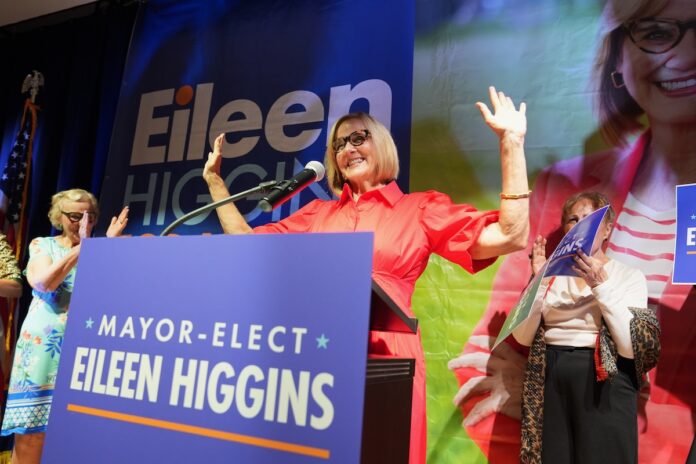
Miami mayor-elect Eileen Higgins celebrates at a watch party after winning the Miami mayoral runoff election, Tuesday, Dec. 9, 2025, in Miami. (AP Photo/Lynne Sladky)

MIAMI (AP) — Democrat Eileen Higgins won the Miami mayor’s race on Tuesday, defeating a Republican endorsed by President Donald Trump to end her party’s nearly three-decade losing streak and give Democrats a boost in one of the last electoral battles ahead of the 2026 midterms.

Higgins, 61, will be the first woman to lead the city of Miami. She spoke frequently in the Hispanic-majority city about Trump’s immigration crackdown, saying she has heard of many people in Miami who were worried about family members being detained. She campaigned as a proud Democrat despite the race being officially nonpartisan and beat Trump-backed candidate Emilio Gonzalez, a former city manager, who said he called Higgins to congratulate her.

“We are facing rhetoric from elected officials that is so dehumanizing and cruel, especially against immigrant populations,” Higgins told The Associated Press after her victory speech. “The residents of Miami were ready to be done with that.”

With nearly all votes counted Tuesday, Higgins led the Republican by about 19 percentage points.

The local race is not predictive of what may happen at the polls next year. But it drew attention from the two major national political parties and their leaders. The victory provides Democrats with some momentum heading into a high-stakes midterm election when the GOP is looking to keep its grip in Florida, including in a Hispanic-majority district in Miami-Dade County. The area has shifted increasingly rightward politically in recent years, and the city may become the home of Trump’s presidential library.

“Tonight’s result is yet another warning sign to Republicans that voters are fed up with their out-of-touch agenda that is raising costs,” said Ken Martin, the chair of the Democratic National Committee, in a statement.

Some nationally recognized Democrats supported Higgins, including former Transportation Secretary Pete Buttigieg. U.S. Sen. Ruben Gallego and former Chicago Mayor Rahm Emanuel traveled to Miami on Sunday and Monday to rally voters for the Democrat who served as a Miami-Dade county commissioner for seven years.

Higgins, who speaks Spanish, represented a district that leans conservative and includes the Cuban neighborhood of Little Havana. When she first entered politics in 2018, she chose to present herself to voters as “La Gringa,” a term Spanish speakers use for white Americans, because many people did not known how to pronounce her name.

“It just helps people understand who I am, and you know what? I am a ‘gringa,’ so, what am I going to do, deny it?” she told the AP.

Republicans’ anxiety grows

Republicans in Florida have found strong support from voters with heritage from Cuba, Venezuela and Nicaragua, because they likened some members of the Democratic party’s progressive wing with politicians from the governments they fled. Trump and other GOP members have tapped into those sentiments over the past eight years.

However, some local Republicans are growing increasingly frustrated since November’s elections when Democrats scored wins in New Jersey and Virginia, where both winning gubernatorial candidates performed strongly with nonwhite voters.

The results from those races were perceived as a reflection of concerns over rising prices and the Trump administration’s aggressive immigration policies.

U.S. Rep. Maria Elvira Salazar, a Republican whose district is being targeted by Democrats and includes the city of Miami, called the elections elsewhere a “wake-up call.” She said Hispanics also want a secure border and a healthy economy but some relief for “those who have been here for years and do not have a criminal record.”

“The Hispanic vote is not guaranteed,” Salazar said in a video posted on X last month. “Hispanics married President Trump, but they are only dating the GOP.”

David Jolly, who is running to represent Democrats in the Florida governor’s race next year, said the mayoral election was good news for Democrats in what used to be a battleground state.

“Change is here. It’s sweeping the nation, and it’s sweeping Florida,” Jolly said.

Miami mayor-elect gains national platform

The mayoral position in Miami is more ceremonial, but Higgins promised to execute it like a full-time job.

The city is part of Miami-Dade County, which Trump flipped last year, a dramatic improvement from his 30 percentage point loss to Democrat Hillary Clinton in 2016.

As Florida’s second-largest city, Miami is considered the gateway to Latin America and attracts millions of tourists. Its global prominence gives Higgins a significant stage as mayor.

Her pitch to voters included finding city-owned land that could be turned into affordable housing and cutting unnecessary spending.

Columbus Fire & EMS launches innovative 911 program

(Daniel Purcell)/NowGeorgia.com

Columbus Fire & EMS now offers non-emergency 911 callers the option to connect virtually with a board-certified ER doctor and patient navigator to receive instant access to care, discuss treatment options, and access follow-up support without long ER waits or high costs.

This service benefits both the community and the city’s emergency response system. For residents, it means faster access to medical care, lower out-of-pocket costs, and personalized follow-up support. For the emergency system, it helps keep ambulances and ERs available for patients with life-threatening conditions.

Deputy Chief Jules Hazen with Columbus Fire & EMS says, “CFEMS wants patients to receive the right care at the right time.” He added, “With RightSite, citizens connect directly with an ER board-certified physician for real-time guidance, avoiding unnecessary ER visits. This approach keeps emergency units available while ensuring patients get the care and follow-up they need.”

Columbus’ 911 Center, which operates under the Columbus Police Department, will play a key role in linking callers to an ER doctor and patient navigator. When a caller describes a situation that does not require lights and sirens, dispatchers can ask the caller, “Would you like to see an ER doctor right now?”

“This upgrade reflects our commitment to innovation, efficiency, and the well-being of our citizens,” said CPD’s 911 Director Tracie Abell. “Integrating telehealth into 911 operations improves outcomes, strengthens our emergency response, and ensures the highest level of care for every caller.”

RightSite Health currently partners with 911 and EMS agencies nationwide to reduce unnecessary ER transports, improve access to care, and ensure emergency systems remain focused on true emergencies. RightSite’s CEO, Jamo Rubin, MD, added, “Partnering with Columbus Fire & EMS lets us bring ER-level care straight to patients’ homes. Our goal is to get patients the right care and connect them with the resources they need—right when they need it.”

Fani Willis fights earlier subpoena but is set to appear before Georgia lawmakers soon

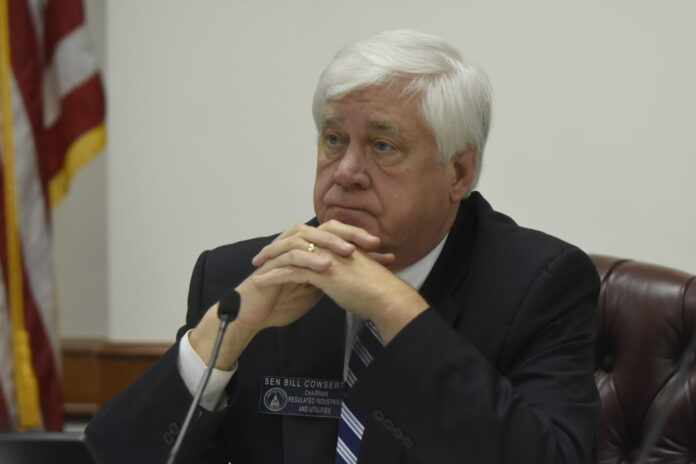
Sen. Bill Cowsert at Senate Special Committee on Investigations meeting on Nov. 13, 2025, at which Fulton County District Attorney Fani Willis had been scheduled to appear. (Ross Williams/Georgia Recorder)

(Georgia Recorder) — Fulton County District Attorney Fani Willis is calling on the Georgia Supreme Court to dismiss a subpoena to answer questions from a state Senate committee investigating her historic 2023 indictment of President Donald Trump.

Former Gov. Roy Barnes, an attorney arguing on Willis’ behalf, told justices that a subpoena issued by the Senate Special Committee on Investigations is moot.

Barnes argues that the committee, led by Athens Republican Sen. Bill Cowsert, who is running for Georgia attorney general next year, does not have the power to issue subpoenas under state law. Barnes said a single-chamber committee cannot subpoena testimony unless it is empowered to do so by statute or by the General Assembly as a whole.

The state’s highest court heard oral arguments on the matter Tuesday.

“For over 150 years, the General Assembly has been very reluctant, particularly when it is only one house of the General Assembly, of giving to a regular or special committee of either house the right to exercise the power of subpoena, and for good reason,” Barnes said.

Barnes said that reluctance helps protect the balance between the branches of government, giving the example of a 2021 effort in the Montana Legislature seeking to subpoena the emails of Supreme Court justices there in an effort to root out alleged bias.

Barnes further argued that the subpoena is not valid because it was issued in August 2024 under the 157th General Assembly of Georgia. That body dissolved in January when the 158th General Assembly was sworn in, Barnes said.

“The General Assembly dies and has no further effect when a new General Assembly comes in,” he said.

Barnes said that Willis plans to appear before the committee on Dec. 17 pursuant to another subpoena filed in November, after the passage of a law sponsored by Cowsert granting new powers to investigatory committees, including subpoena powers.

Attorney Josh Belinfante, arguing on Cowsert’s behalf, said the original subpoena is not moot.

“There is simply zero constitutional text to support that argument, and there is no reason this court should adopt it now,” Belinfante said. “Nor does the fact that the witness has agreed to testify on Dec. 17 change the calculus today.”

Belinfante indicated that Willis testifying could largely resolve the issues at hand, but he also expressed skepticism that she will do so.

“We remember that we had dates before and it did not work out,” he said. “We hope that it does.”

Willis has been resisting calls to appear from the start. In October, Cowsert said the parties reached an agreement that Willis would testify at a November hearing, but when the day came, she did not appear, with the committee citing a scheduling conflict.

Willis’ election interference case centered on Trump’s now-infamous phone call with Georgia Secretary of State Brad Raffensperger in which Trump asked Raffensperger to “find” enough votes to overturn the election.

Co-defendants were also accused of acts including an intimidation campaign against poll workers, a breach of Coffee County’s election systems and a plan to certify a false Trump victory. Four of the 18 alleged co-conspirators pleaded guilty and agreed to testify against Trump and the other defendants.

But Willis’ hopes of taking the case to trial turned to dust after a romantic relationship with a special prosecutor she hired for the case led to accusations of a conflict of interest and her ultimate removal from the case. Late last month, a Fulton County judge dismissed the case once and for all after a special prosecutor found that charging a sitting president was unrealistic.

The section of the state constitution organizing the Legislature states that there “shall be a different General Assembly for each two-year period.” The justices appeared to back up Barnes’ argument that the Legislature that issued the subpoena is no longer around to enforce it.

Chief Justice Nels Peterson said the Legislature is the only state body described in the constitution as reconstituting in that way.

“There’s no other place in the constitution that I’m aware of that provides that, say an executive branch agency or a court becomes different simply because the people constituting the entity change over,” said.

Peterson also appeared to agree that the second subpoena carries greater authority because of Cowsert’s bill.

“I think we would be in a much more challenging constitutional space had the General Assembly not acted in 2025, both the House and the Senate, to confer this power of subpoena on committees that now has been exercised in this most recent subpoena that service has been acknowledged,” he said.

Following arguments, Peterson told the sides that they would have a resolution within the time required by the constitution, which means the end of March at the latest, but he said the court will look forward to a status update follow Dec. 17, when Willis is supposed to appear before Cowsert’s committee.

District Attorney announces conviction in major drug trafficking case

District Attorney announces conviction/NowGeorgia.com

Chattahoochee Judicial Circuit District Attorney Don Kelly announced the conviction of Clarence Warren AKA “squirrel” on 18 felony counts including trafficking fentanyl, methamphetamine and heroin.  Warren was also convicted of firearms charges including possession of an illegal weapon and a stolen weapon.

The 88-count indictment against Warren arose out of an extended investigation by members of the Columbus Police Department’s Special Operations unit which began in May of 2019. According to the officers Warren was not making much of an attempt to disguise his drug sale activities and openly discussed amounts and pricing of heroin and methamphetamine with his customers on social media.

Through analysis of Warren’s social media records officers were able to determine that he was distributing large amounts of heroin in the Columbus area and was traveling to the Atlanta area to obtain the drugs using a series of cars rented for him by a co-defendant.

“The amount of fentanyl being distributed by Warren was really alarming,” said senior assistant district attorney Kimberly Schwartz. Warren had enough fentanyl to kill 29,525 people. District attorney Kelly noted that this was one of the largest drug and gun seizures in recent memory in this area. “We commend the good work of the Columbus Police Department in conducting a great investigation and bringing us strong evidence. Taking a dealer like Warren out of commission is the sort of case that makes a substantial positive impact on the safety of the community,” Kelly said.

Superior Court Judge John Martin sentenced Warren to serve a total of 20 years in the penitentiary, followed by 20 years on probation and a $10,000 fine.

Trump to send $12 billion in one-time payments to farmers to offset ag losses

Under a $12 billion farm subsidy plan, $11 billion, would go to row crop farmers who grow barley, chickpeas, corn, cotton, lentils, oats, peanuts, peas, rice, sorghum, soybeans, wheat, canola, crambe, flax, mustard, rapeseed, safflower, sesame and sunflower, according to a USDA statement. This crop in north Georgia was maturing in May. (Ross Williams/Georgia Recorder)

(States Newsroom) — The federal government will provide $12 billion to U.S. farmers who have been hurt by “unfair market disruption,” President Donald Trump said at a White House roundtable event Monday.

Trump said repeatedly the funding was available thanks to tariff revenues, framing his aggressive trade policy as a boon to farmers rather than a drag on their global market share as critics of the policy suggest.

“I’m delighted to announce this afternoon that the United States will be taking a small portion of the hundreds of billions of dollars we receive in tariffs…  and we’re going to be giving and providing it to the farmers in economic assistance,” Trump said.

U.S. Agriculture Secretary Brooke Rollins, though, told reporters following the event that the money came from the department’s Commodity Credit Corporation, which is funded through regular appropriations from Congress, according to a White House pool report.

The money, which the administration officials described as “bridge payments,” would be in farmers’ hands by the end of February, Rollins said.

While not officially marketed as a part of a series of Trump events spotlighting affordability issues, the president said several times he was addressing an affordability crisis he “inherited” from President Joe Biden, a Democrat.

“The Democrats cause the affordability problem,” Trump said. “And we’re the ones that are fixing it.”

The bulk of the funding, $11 billion, would go to row crop farmers who grow barley, chickpeas, corn, cotton, lentils, oats, peanuts, peas, rice, sorghum, soybeans, wheat, canola, crambe, flax, mustard, rapeseed, safflower, sesame and sunflower, according to a USDA statement. The department was planning to reserve $1 billion for unnamed specialty crops, Rollins said.

Payments to arrive before GOP law kicks in

Trump, Rollins and other Cabinet-level officials said the payments were to be used as a “bridge” before policies enacted in Republicans’ massive spending and tax cuts law this year are implemented.

“This bridge is absolutely necessary based on where we are right now,” Rollins said.

They blamed the Biden administration for a more negative outlook for farmers. Biden failed to close trade deals and a focus on environmental policy led to increased costs for the agriculture industry, they said.

The package limits payments to $155,000 per recipient, USDA Undersecretary for Farm Production and Conservation Richard Fordyce told reporters on a conference call late Monday afternoon.

Iowa farmer Cordt Holub spoke at the White House event, where he thanked Trump for the package.

“I want to say thank you for this bridge payment,” he said. “It’s Christmas early for farmers.”

Louisiana rice farmer Meryl Kennedy said the industry was struggling, but thanked Trump for the aid funding and changes to reference prices in the Republican megabill.

“Our farmers can feed this nation and many nations abroad, but we need fair trade, not free trade,” she said.

Tariff impact ignored

But they did not mention the effects of tariffs, which critics of the president have said are responsible for diminishing agricultural exports and hurting farmers’ bottom lines.

House Agriculture Committee ranking Democrat Angie Craig of Minnesota said in a statement the package “picks winners and losers in the farm economy,” and would not provide certainty to farmers or reduce high operational costs.

“It will not bring U.S. agricultural exports back to pre-trade war levels,” she said. “It also ignores (the) fact that the president’s tariffs are responsible for the immense financial strain felt not just by America’s farmers, but also working people, manufacturers, retailers and small businesses. All Americans are tired of the affordability crisis created by this administration and congressional Republicans. We will be right back here a year from now unless the administration changes its policies.”

Senate Minority Leader Chuck Schumer, a New York Democrat, also slammed the program.

“The reason farmers need relief at all is largely because Donald Trump betrayed them and decimated their businesses with his disastrous tariffs,” Schumer said in a floor speech Monday. “Now, Donald Trump is patting himself on the back, acting like a hero to farmers while using taxpayer dollars to clean up the mess he created. It’s textbook Donald Trump incompetence.”

Another round?

Asked by a reporter during the roundtable if he would be open to another round of relief for farmers, Trump said it would depend on how international trade develops and said farmers would not want further aid.

“It depends on where we go,” he said. “China is buying a lot. Other countries are buying a lot. And you know, the interesting thing about the farmers, they don’t want aid. They want to just have a level playing field.”

He later indicated it would be unnecessary.

“We’re going to make the farmers so strong — and I’m not even talking about financially, because they just want to be able to produce what they can produce,” he said. “We’re going to make them so strong that it will be, indeed, a golden age for farmers.”

Rollins told reporters following the event that Trump was “open to more.”

Gov. Kemp kicks off the Capitol holiday season with annual Christmas tree lighting

Governor Brian Kemp applauds the Spelman College Glee Club at the 2025 Capitol Tree Lighting Ceremony

(GPB News)- Gov. Brian Kemp, first lady Marty Kemp, and their daughter Amy Porter Kemp lit the Georgia Capitol’s Christmas tree Monday, kicking off the holiday season at the capitol.

“Tree lighting represents the start of an often busy Christmas season for many of us,” the governor said. “It’s also a reminder of the meaning of the season, the birth of our Savior and good overcoming evil. It’s a time to pause and reflect on the blessings in our own lives and find ways to pay those blessings forward.”

This year’s tree is a 26-foot tall red cedar from a family farm in Lindale, Ga. It will stand tall in the rotunda of the capitol throughout the Christmas season for visitors to admire.

The ceremony also included a performance of Christmas carols by the Spelman College Glee Club, and a speech from radio personality Clark Howard about Clark’s Christmas Kids, an initiative embraced by the state to provide Christmas gifts to nearly 10,000 children in Georgia’s foster care system.

Watch the full tree lighting ceremony here.