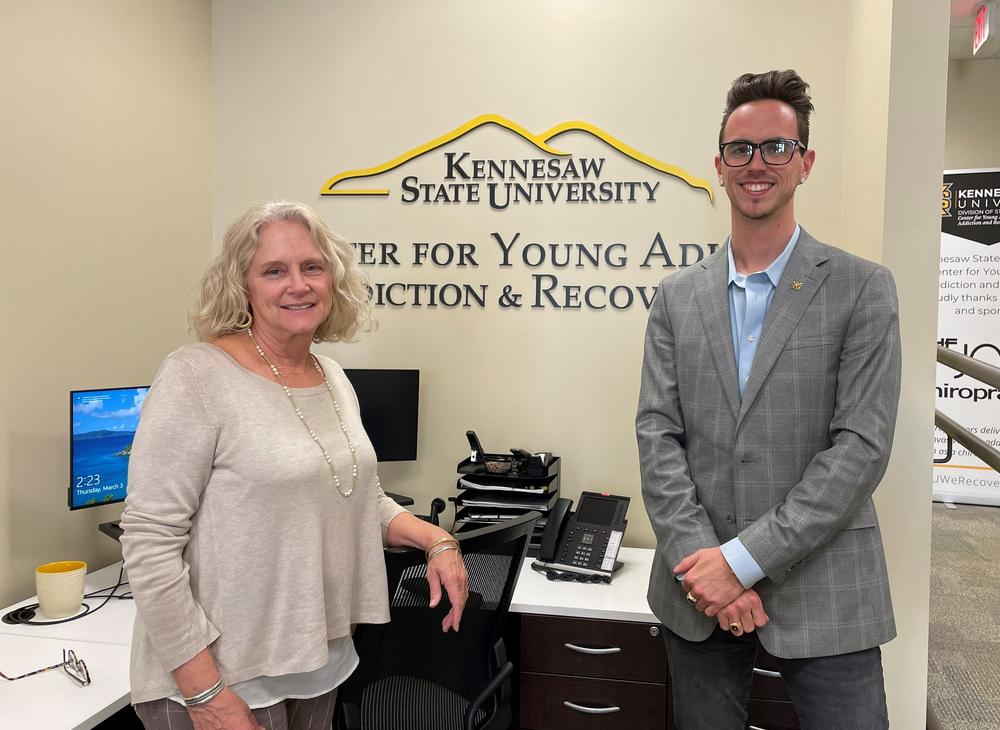
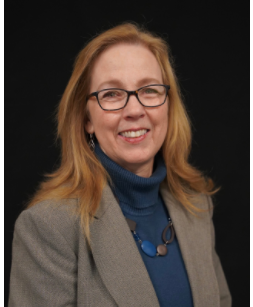
Teresa Wren Johnston and Blake Schneider at Kennesaw State University's Center for Young Adult Addiction and Recovery. (Ellen Eldridge/GPB News)
Legislation to block future lawsuits against the companies involved in creating and fueling the opioid epidemic must be passed before the state can collect its full share of a multi-state, $26 billion settlement, according to the terms of the agreement.
Georgia is required to secure participation among all litigating local governments and enact a litigation bar that prevents local governments from pursuing further litigation against Cardinal, McKesson and AmerisourceBergen — the nation’s three major pharmaceutical distributors — and opioid manufacturer and marketer Johnson & Johnson.
Opioid-related overdose deaths in Georgia increased by 207% between 2010 and 2020. That was before the COVID-19 pandemic forced businesses, schools and socialization to shut down.
Last December, Georgia joined this settlement agreement that is expected to bring the state and its local governments a total of $636,230,843.82 for opioid abatement.
“As part of our commitment to protecting the lives and livelihoods of Georgia citizens, we are dedicated to holding those accountable who have played a critical role in contributing to the opioid epidemic,” Attorney General Chris Carr said in January.
Of the total amount, $88 million from the settlement with Johnson & Johnson would be immediately available as opposed to receiving funds over the next three years.
If the legislature fails to enact the measure, Georgia’s share of the recovery is reduced by $142,699,354. In addition to the penalty for nonpassage, if a local government entity files a new lawsuit against Johnson & Johnson, Cardinal, McKesson, or AmerisourceBergen, the amount could be further reduced.
The litigation-barring language has been agreed to by cities and counties that collectively represent almost 80% of Georgia’s population.
Teresa Wren Johnston, a longtime member of the state’s opioid task force, founded the Center for Young Adult Addiction and Recovery in 2007 at Kennesaw State University. She’s also a licensed professional counselor specializing in addiction and recovery who believes in the importance of her work.
“People have lost brothers, sisters — you know, loved ones — and a lot of people have suffered in silence,” Johnston said.
Over the course of this opiate epidemic, many students started with prescription pain pills and then switched to illegal drugs because the cost was so prohibitive to maintain an addiction to the pills themselves, Johnston said.
“So it became cheaper to access heroin,” she said.
Johnston said the opioid crisis should be considered on a continuum of care from prevention to education, treatment and recovery.
“The center does a lot of that work,” Johnston said, noting its intervention and educational efforts at the university as well as in the community.
Specifically, it offers training to intervene in an opioid-related overdose by using naloxone, which is considered harm reduction.
“We train students, faculty and staff here,” Johnston said. “Our students who are in recovery are trained to be ambassadors in the communities to help reduce stigma.”
Roughly $13 million in funds from an earlier settlement will help expand medication-assisted treatment availability, increase detoxification service capacity, promote stigma reduction, increase access to naloxone for emergency service providers, and expand training on naloxone to community providers, according to the governor’s office.
“The opioid crisis has affected — either directly or indirectly — almost every Georgia family,” Gov. Brian Kemp said.
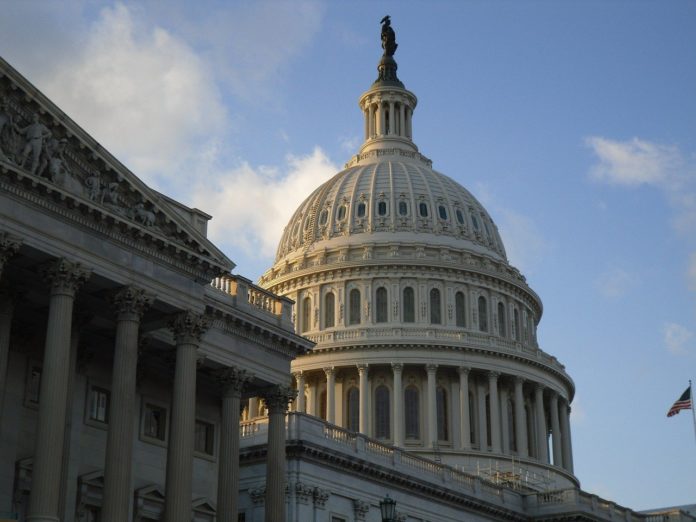
Crossover Day at the state Capitol is March 15. That’s essentially the last day for a bill to pass out of either the House or the Senate to be considered through the rest of the 40-day session.
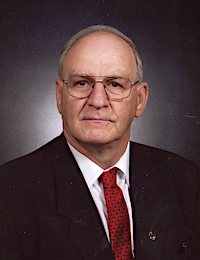
Pastor Robert Jackson “Jack” Hicks, age 78 of Cleveland, formerly of Gainesville, entered heaven Tuesday, March 8, 2022, at his residence surrounded by his family.
Jack was born February 27, 1944, in Rossville, Georgia to the late William Earl & Claudia Mae Osborn Hicks. He worked at SKF for a number of years. For 39 years he pastored numerous churches all over Northeast Georgia. He was a devoted Christian, husband, father and grandfather.
Left to cherish his memory, his loving wife of 57 years, Gaye Hicks; sons, Rob (Georgiann) Hicks & Joe (Emily) Hicks; grandchildren, Sheree (Jeremy) Bagwell, Shay (Logan) Owensby, Bailey Hicks, Bennett Hicks & Blakely Hicks; great-grandchildren, AnnieLee, Paisley, Berklee, Deacon & Chezlee; brothers, Buddy (JoAnn) Hicks & Bill Hicks; sister, Jody Poindexter; a host of other relatives also survive.
Funeral services honoring Pastor Jack will be held at 2:00 p.m. Thursday, March 10, 2022, at the Ward’s Funeral Home Chapel with Dr. Denny Williams & Pastor Nathan Nix officiating. Burial will follow in the Yonah View Memorial Gardens, Cleveland with Brother Charles Stephens officiating. The family will receive friends from 12:00 p.m. until service time on Thursday, March 10, 2022, at the funeral home.
Gentleman honored to be pallbearers, Walt Chambers, Tim Mitchell, Brain Herring, Jason Herring, Edwin Sanchez & Lance Carpenter. Honorary Pallbearers, Phil Carpenter, David Cash, Wesley Blackwell, Bobby Hunt, James Harvey, Mickey Montgomery, Tony Lunsford & Mike Morris. The family asks any ordained Deacon or Preacher that is in attendance serve as honorary pallbearers as well.
In lieu of flowers contributions may be made to the St. Jude’s Children’s Hospital or to a charity of one’s choice.
Please share online condolences with the family at www.wardsfh.com. Ward’s Funeral Home is honored to serve the family of Pastor Jack Hicks.
Molly Wiley Helton, age 85, of Cleveland, Georgia passed away on Monday, March 7, 2022.
Mrs. Helton was born on October 16, 1936 in Banks County, Georgia to the late Frank and Blanche Davidson Wiley. In addition to her parents, she was preceded in death by the father of her child, Eugene Massey; husband, Gerome Helton; step-son, Rocky Helton; siblings, Peggy Bryant; Della Shore; Hassie Stanley; Willie Mae Jones; Vienna “Punk” Masters; and Luther Wiley.
Mrs. Helton was a member of New Bridge Baptist Church. Molly was a loving wife, mother, grandmother, and great-grandmother. She was known as “Meme” to not only her grandchildren but everyone who knew her.
Survivors include her daughter and son-in-law, Peggy and Randy Kahn, of Cleveland; step-sons, Randy Helton and wife, Melissa, of Cleveland; Danny Helton, of Cornelia; sister and brother-in-law, Merle Freeman and Hugh, of Hall County; grandson, Shane Seabolt, of Cleveland; Heather Minutello and husband, Tony, of Cleveland; step-grandchildren, TJ Helton and wife, Holly; step-granddaughter and spouse, Samantha and Zach Millard; Roxanne Helton; two great-grandchildren; and five step-great grandchildren; special friend, Vavanell Keenan; and a host of nieces and nephews.
Funeral Services will be held at 2:00 p.m., Thursday, March 10, 2022 at the Whitfield Funeral Homes, South Chapel with Rev. Bobby Griffin and Rev. W.A. Jenkins officiating. Interment will follow in the Line Baptist Church Cemetery.
The family will receive friends from 2:00 p.m. to 4:00 p.m. and 6:00 p.m. to 8:00 p.m., on Wednesday, March 9, 2022 at the funeral home.
Arrangements have been entrusted to Whitfield Funeral Homes & Crematory, South Chapel at 1370 Industrial Boulevard, Baldwin, Georgia 30511. Telephone: 706-778-7123
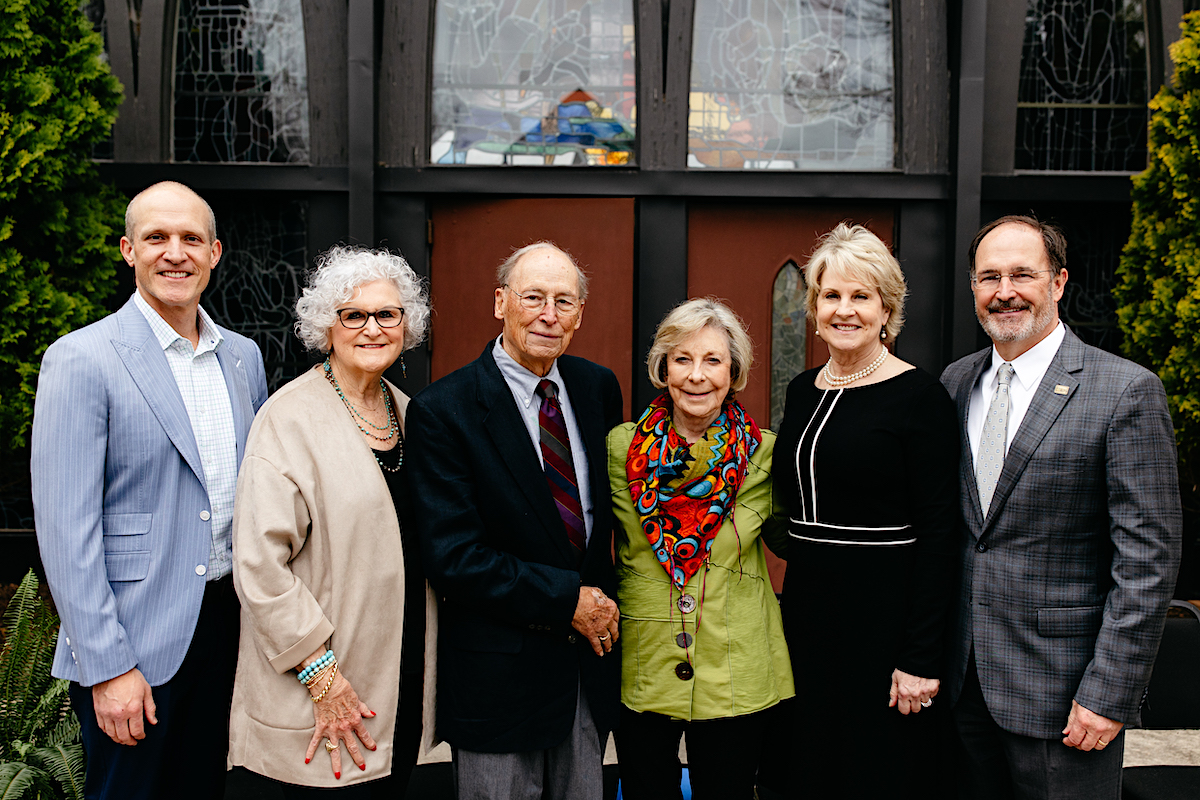
Pictured, left to right, are Dr. Cory Duncan, emergency medicine medical director NGMC Gainesville, LeTrell Simpson, Dr. Buddy Langston, Evie Langston, Carol Burrell, president and CEO of Northeast Georgia Health System, Dr. Pepper Brown, Northeast Georgia Health System Foundation board Chair.
GAINESVILLE, Ga. – For more than 30 years, William T. “Buddy” Langston, MD provided compassionate and dedicated care to patients and families across northeast Georgia. Now, in recognition of his impact on the lives of those generations, a new dedicated pediatric emergency space will be named in his honor.
Northeast Georgia Health System (NGHS) is currently expanding Northeast Georgia Medical Center campus in Gainesville – building a new patient tower including emergency care space.
“We are thrilled to add a much-needed space dedicated to treating pediatric emergency patients – and named for Buddy – in the new patient tower,” said Dr. Pepper Brown, NGHS Foundation Board Chair. “In order to accomplish this part of NGHS’ Growing the Greater Good expansion, the system has set a fundraising goal of $1.5 million to support the construction and naming opportunity.”
The new space will offer a dedicated pediatric waiting area, as well as 12 treatment rooms designed with pediatric patient needs in mind. In addition to these new pediatric spaces, NGHS has hired pediatric emergency room physician, Dr. Hersh Mathur, who is working to implement new treatment protocols that are aligned with those being used in emergency departments of children’s hospitals across the nation.
“Our new pediatric space will be the stepping-stone for expanding pediatric emergency care across NGHS, enabling us to treat these patients close to home,” said Dr. Cory Duncan, emergency medicine medical director NGMC Gainesville. “On behalf of Dr. Mohak Davé, Dr. Mathur and myself, we extend grateful appreciation to Dr. Langston for the important role he’s played in delivering healthcare to children for so long.”
ATLANTA (GA Recorder) — A Georgia lawmaker’s proposal to prohibit the teaching of “divisive concepts” in public schools will no longer force colleges and universities to comply.
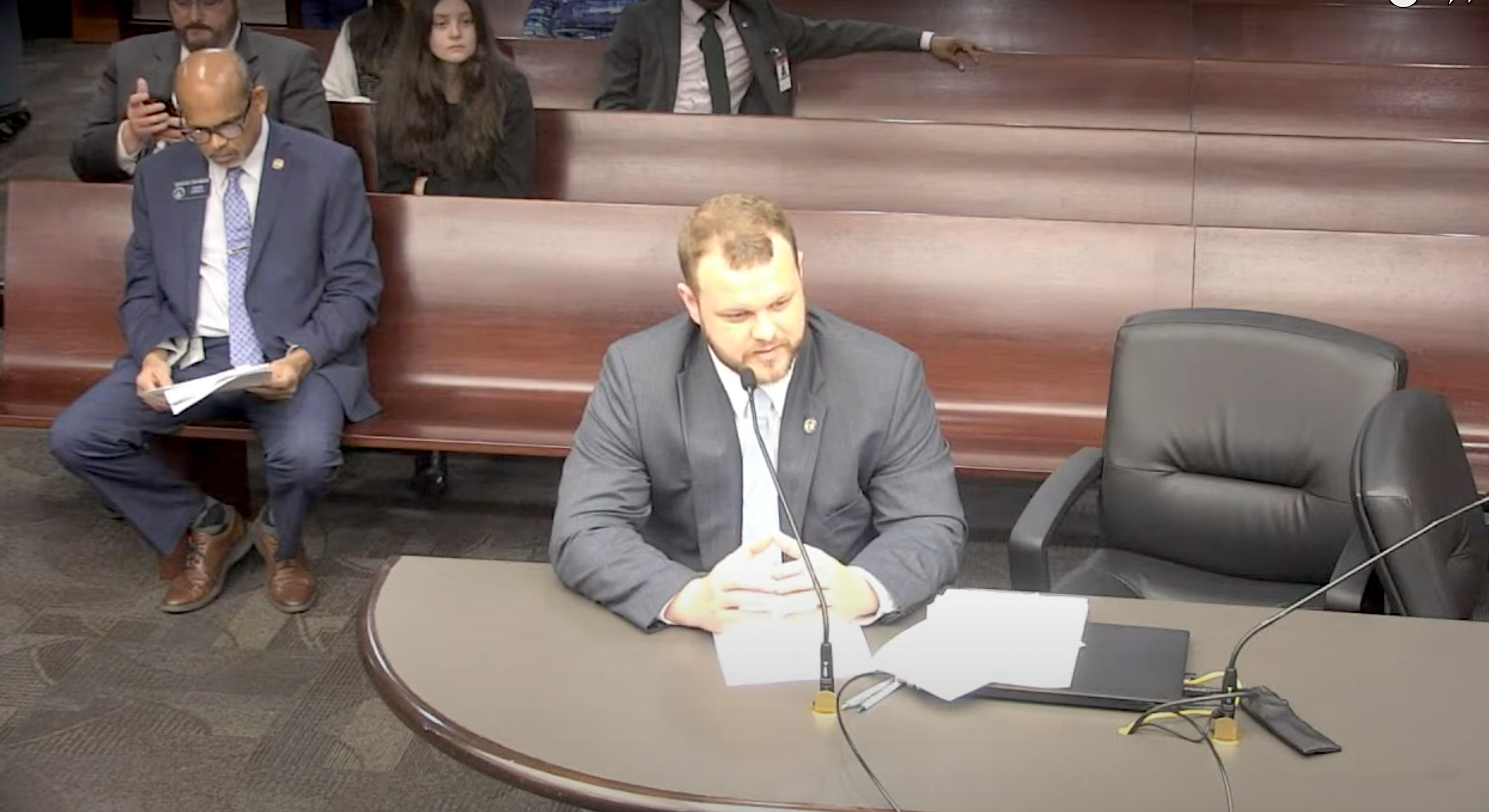
Sen. Bo Hatchett (R-Cornelia) defends his bill prohibiting the teaching of ‘divisive concepts’ in Georgia schools during a hearing before the Senate Committee on Education and Youth on March 7, 2022. (Senate livestream)
The Senate Education and Youth Committee voted Monday in favor of Senate Bill 377 after its author stripped away higher education so that it now only prohibits k-12 teachers and other school staff from causing students to feel guilty or ashamed by talking about race, ethnicity, or other sensitive topics in the classroom.
Cornelia Republican Sen. Bo Hatchett said he removed colleges from his bill after speaking with professors and educators’ groups. So-called divisive concepts legislation has been criticized for potentially chilling discussions about race in public schools.
Hatchett, however, said his bill still allows educators at k-12 schools to address difficult topics and America’s historic mistreatment of non-whites without being offensive.
“I think we’ve come up with a good piece of legislation that’s going to be very impactful, especially with the current political climate and some of the messaging that’s been put out across the country,” he said.
Republican lawmakers in the House passed a similar version of the divisive concepts measure for k-12 schools last week, as well as legislation banning free-speech zones on college campuses and passing so-called Parents Bill of Rights legislation that outlines ways a child’s school curriculum can be reviewed.
The measures advanced after lengthy debates and accusations that supporters are trying to whitewash America’s history. Proponents argued it’s an attempt to fend off parents’ concerns about material their child will be taught with no outside input. Critics of legislation setting new rules for parental input note that much of the process for review of teaching material already exists.
Matthew Boedy, Georgia chapter president of the American Association of University Professors, said he sent an email to Hatchett saying the bill would undermine the academic freedom policy set by the Southern Association of Colleges and Schools Commission on Colleges.
“The bill lists these concepts and says you could have class discussions on them as long as it’s objective and without endorsement,” Boedy said. “Well, that would get into a problem if you want professors to profess and these are people who have educated opinions.”
But the ban still stands as originally filed for k-12 public education with teachers prohibited from promoting or encouraging a host of divisive concepts, a plan that has Georgia teacher organizations up in arms.
Hatchett’s bill did remove a controversial provision that would’ve allowed the state to take funding from offending k-12 schools. It establishes a complaint process that allows anyone – including parents, district attorneys, and lawmakers on school committees – to file grievances.
Georgia Federation of Teachers President Verdaillia Turner said the divisive concepts bill is doing what its supporters claim they are trying to avoid: furthering racial divides and putting educators in the crosshairs.
“I challenge any lawmaker to go back and thumb through lesson plans themselves to see if any of us teachers are intentionally dividing children and or teaching concepts trying to brainwash children,” she said.
Sen. Sonya Halpern, an Atlanta Democrat, said although the proposed legislation doesn’t ban the teaching of slavery, the Holocaust, or the Trail of Tears, it does prevent in-depth discussions among students and teachers about systemic racism in the nation.
After lengthy debates last week, the Senate is now considering House legislation that would ban free-speech zones on college campuses and give parents the “right” to review course material, object to library books they deem inappropriate and opt their children out of sex education classes.
Boedy said he’s hopeful that the Senate removes language in Dawsonville GOP Rep. Will Wade’s House Bill 1084 that lists advanced placement and dual enrollment courses since they’re both considered college-level classes.
Although the professors’ association isn’t taking an official stance on the free-speech zones legislation since it’s outside of the classroom environment, Boedy said it’s a solution seeking to solve nonexistent problems.
“It basically says what we already have,” said Boedy, an English professor at the University of North Georgia. “There are time, manner, place restrictions, that’s a legal requirement. It may give some groups more ability to have a protest on campus, but campus is open to everybody.”
Flowery Branch High School athletic director, Jimmy Lawler, announced Tuesday morning that Jason Tester, the program’s current defensive coordinator, will be the new head coach for the Falcons. The announcement came immediately after Ben Hall shared with the team that he had accepted the head coaching position at Oconee High School.
Tester’s Georgia coaching career has taken him to Grayson, St. Pius X, Eastside, Brookwood, and Flowery Branch High School. In his home state of Michigan, he spent time at Grand Haven, Northview, and his alma mater, Muskegon Catholic Central. As a student and player at MCC, he was a 1990 state champion captain.
Flowery Branch HS is pleased to introduce Coach Jason Tester as our new Head Football Coach! We are excited about the future of THE BRANCH pic.twitter.com/2DYWMwIJ6O
Tester came to Flowery Branch High School in 2018 as the program’s defensive coordinator. He left in 2020 to be the defensive coordinator at Brookwood High School, and for two games during that season, he served as the Broncos’ head coach. He returned to Flowery Branch in 2021, once again to lead the Falcon defense.
“Coach Tester is a man of character and has been a true asset to our football program on a number of different levels,” said FBHS principal, Dr. Jason Carter. “We are excited for our kids, the school, and the community.”
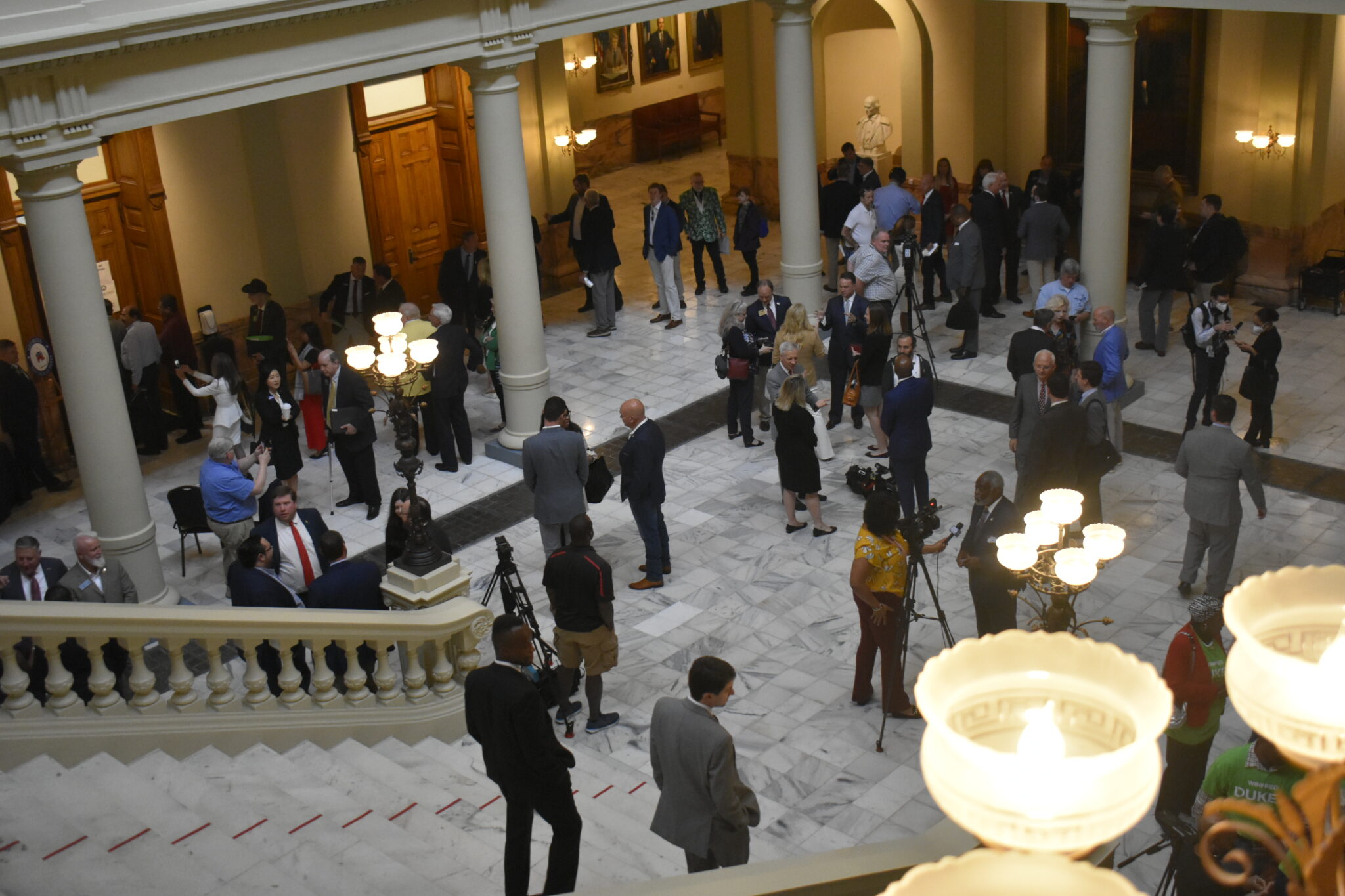
Politicians, their supporters and members of the press filled the Georgia Capitol Monday, the first day to qualify to run for office this year. (Ross Williams/Georgia Recorder)
ATLANTA (GA Recorder) — The 2022 election in Georgia officially began Monday as candidates flocked to the state Capitol to put their names on the ballot.
Candidates have until noon Friday to qualify to run, but the first day saw big crowds at the Capitol, where Democrats and Republicans queued up to fill out their paperwork in separate rooms.
When the doors opened at 9 a.m., the GOP line was significantly longer, with conservative firebrand Congresswoman Marjorie Taylor Greene and state House Speaker David Ralston at the front of the pack. The long line saw pairs of candidates preparing to face off against each other in the May 24 primary, including Secretary of State Brad Raffensperger ahead of opponent former Alpharetta Mayor David Belle Isle and physician Charles Lutin, who stood several paces behind Greene, who he is hoping to unseat.
Speaker David Ralston waits in line ahead of Congresswoman Marjorie Taylor Greene. (Ross Williams/Georgia Recorder)
Watching opposing candidates line up together is a little unusual, Ralston said, but he welcomes the fresh blood.
“I think it’s just a sign of the growth of the party when we have multiple candidates running for the same position,” he said. “I can remember a time when we’d have to go out and drag somebody in at the last minute to qualify. We’re growing. We’re quite a family.”
Still, Ralston warned his fellow Republicans not to snooze on the Democrats.
“Every two years, the lease is up, and we have to renew, and that’s up to the voters,” he said. “Georgia is becoming a more competitive state, that is the reality. We have to always be mindful of that.”
According to the secretary of state’s website, 272 Republican candidates qualified on day one, compared with 151 Democrats, though the ratio will likely change as the qualifying period continues.
Parties think it is important to give their supporters someone to vote for in every race, said University of Georgia political science professor Charles Bullock.
“They like to have every position offering an individual, even when that individual has virtually no chance of winning,” he said. “So, they try to get someone in all 56 Senate contests, all 180 House contests. If you leave a lot of those blank, then the talking heads think ‘Well, this shows that the party is not that strong.’ And a Republican running in a heavily Black district in downtown Atlanta doesn’t have any chance of winning, a Democrat running up in a rural area represented by Marjorie Taylor Greene doesn’t have a chance to win, although there are those crazy things that happen, a late breaking scandal, something like this where, occasionally, a person who, if you were putting odds that’d be one in 1,000, they win one in 1,000 times. So that would be another reason, to make sure you at least have a name there in case something crazy were to happen.”
Some state legislative districts are guaranteed to have new representation. Powerful Senate Rules Chair Sen. Jeff Mullis of Chickamauga announced Monday he will not seek re-election after 22 years in the Senate. Two other long-time Republican elected officials, House Budget Committee Chair Terry England of Auburn and Sen. Lindsey Tippins, previously announced their retirement this year.
Labor Commissioner Mark Butler also says he plans to hang it up, and three Democrats signed up to replace him Monday, including House Minority Whip Rep. William Boddie of East Point and Sen. Lester Jackson of Savannah.
Democrats smell success
As the morning went on, the Democrats’ line grew longer, which was a happy sight for Atlanta Democratic Congresswoman Nikema Williams.
“I cannot wait until Friday when you see this very diverse slate of candidates all across the state of Georgia qualifying to run for election as a Democrat in the state of Georgia,” Williams told reporters at the state Capitol Monday. “It’s a new day in Georgia, we proved that in 2020 when most of y’all didn’t believe me when I said we were a battleground state. I think I said it enough that it caught on with our electorate, and we shocked the world, and there’s more to come.”
Georgia was pivotal in the 2020 election, narrowly choosing President Joe Biden over then-President Donald Trump, the first time the state elected a Democrat since the 1990s, and giving Democrats control of Congress with a pair of nail-biting runoffs that elected Sens. Raphael Warnock and Jon Ossoff.
Williams said she is confident her party will continue its momentum, but this year will test how Democrats will fare on the new GOP-drawn maps that passed the state Legislature late last year.
“I heard the judge loud and clear when he didn’t want to interrupt the election calendar,” she said. “I might not have agreed with it, but that’s what the judge ruled, and so we’re running on the maps that we’ve been dealt. It’s unfortunate, we shouldn’t have to organize our way out of gerrymandering and voter suppression, but this is the hand we’ve been dealt, and Georgia Democrats all over the state, we’re not giving up.”
Democrats could make modest gains in the state Legislature, but they are likely to lose one congressional seat, Bullock said.
Republican candidates were also fired up about 2020. Former state Rep. Vernon Jones, who dropped out of the governor’s race to run for Congress in the vacant District 10, boasted of his strong Trump connection.
“President Trump has given me his endorsement,” he said. “As a matter of fact, I’ll be leaving shortly to go meet with Don Jr. The president’s going to be coming here soon, you will see me more on stage with the president, getting more of his support and getting voters to come out and support me for the 10th Congressional District. We’re going to stop that squad in DC, we’re going to take Congress back.”
Congressional candidate Vernon Jones. (Ross Williams/Georgia Recorder)
The former president remains at the center of electoral conspiracy theories, and candidates like Jones seem to be betting he’s still at the center of Georgia Republicans’ hearts. That premise will be tested when Jones and other Trump-blessed candidates get their results back in May, Bullock said.
“The belief is right now that if you get Trump’s blessing as a Republican, you’re golden,” he said. “That goes back, in Georgia, probably to what happened in the runoff for governor four years ago. Trump came out and said that Brian Kemp was his man, Kemp’s popularity went off like a rocket. The question is, is that still the world in which we live? I don’t know. A survey that we did over here at UGA showed 40 some odd percent of likely Republican voters said yeah, it’s important who Trump endorsed, an equal number said it wouldn’t matter one way or the other.”
Kemp has fallen out of favor with Trump for his refusal to illegally overturn Georgia’s election results, and Trump now supports former Sen. David Perdue as Georgia’s next governor, but Perdue is hardly a shoo-in.
“It looks like getting Trump’s endorsement is probably an asset in the Republican primary, but if we see candidates that have Trump’s blessing not winning the nominations, that’s going to be a big message, not just in Georgia, but nationwide, that Trump’s magic is fading.”
The candidates
Sen. Raphael Warnock. (Ross Williams/Georgia Recorder)
Neither Kemp nor Perdue qualified on the first day, but plenty of other big names did, including Warnock and both of his major Republican competitors, former University of Georgia football star Herschel Walker and Agriculture Commissioner Gary Black.
“It is the honor of my life to represent the people of Georgia in the United States Senate,” Warnock said. “I’m grateful for the opportunity to qualify again today, and I’m on my way back to D.C, to fight to lower the costs for consumers, especially insulin, which is something I’m focused on right now, trying to lower gas prices and hold corporations accountable. I can’t wait to get back to work.”
Black said he is the best candidate because he has the most experience.
“It’s about solving problems for Georgians, which is something I’ve been doing my entire life, it’s about standing up for Georgians, which I’ve been doing my entire life, so that we can restore what Georgians want, which is someone that’s going to solve problems, that will stand up for their families.”
Black has called for Walker to face him on the debate stage, which Walker has so far refused.
Agriculture Commissioner Gary Black. (Ross Williams/Georgia Recorder)
In a rare public appearance while qualifying, Walker sought to discredit past allegations about violence toward women and seemed to suggest he has no plans to debate Black or any other GOP candidates.
“Homicide in Atlanta is up 30%. People don’t have food on the shelf. People don’t have a lot of things happening,” he said. “We’re talking about games and theory. Right now, we need to get down to serious stuff, and that’s getting this country back together, getting Georgia back together, and I’m thinking about debating Raphael Warnock because that’s who I need to be debating right now.”
Much is at stake for Republicans with Kemp’s fight with Perdue and other GOP contests, and the eyes of Georgia politicos will largely be focused on Republican races during the May primary, but two Democratic Congresswomen are also set for a big primary fight.
Congresswoman Lucy McBath, a Marietta Democrat, currently represents a north Atlanta suburban district that was recently redrawn to lean Republican. McBath announced in November she would run for re-election in the neighboring district represented by her Democratic colleague, Congresswoman Carolyn Bourdeaux, whose district was redrawn last year as a safer Democratic seat.
Herschel Walker qualifies on March 7, 2022, at the state Capitol. (Riley Bunch/GPB)
With McBath’s district now favoring Republicans, the state’s congressional makeup is expected to shift from eight Republicans and six Democrats to a 9-5 tilt. Three Republicans – and no Democrats – have qualified so far as of Monday, including Rich McCormick who lost to Bourdeaux in 2020.
Both Bourdeaux and McBath qualified Monday, as did state Rep. Donna McLeod, a Lawrenceville Democrat, and Norcross Republican Mark Gonsalves.
“I’m just not going to let the NRA and the Republican Party and Gov. Kemp determine when my work in Congress is done,” McBath told reporters Monday, referring to the redrawn district lines.
Bourdeaux, a public policy professor and former state legislative budget director, has become known as a centrist during her term in office. McBath, whose son was killed over an argument about loud music, has become a leading champion for stronger gun restrictions.
Bourdeaux touted her Gwinnett County ties and her ability to flip the suburban Atlanta district in 2020 in an otherwise disappointing year for House Democrats. She frustrated some of her supporters last year when she joined a group of congressional Democrats who balked at voting on the sweeping social and climate bill before finalizing the bipartisan infrastructure bill.
When asked about the pair’s policy differences, Bourdeaux acknowledged to reporters Monday that the two congresswomen are similar.
“It’s about emphasis, and every bill that I’ve worked on has been grounded in the needs of this community,” Bourdeaux said.
When McBath was asked about their differences, she said this: “I have always been a staunch supporter of President Biden’s agenda. I have never wavered on that.”
Neither Kemp nor Perdue qualified Monday, nor did presumed Democratic nominee Stacey Abrams.
Five Democrats also tossed their names in to become lieutenant governor, including state Rep. Erick Allen of Smyrna, state Rep. Derrick Jackson of Tyrone, Alpharetta physician Jason Hayes, an entrepreneur from Lilburn who listed their name as only Malik, and former Congressman Kwanza Hall, who finished the late Congressman John Lewis’ term.
Republican Lt. Gov. Geoff Duncan, who is a vocal critic of former President Trump, is not seeking a second term presiding over the state Senate.
On the Republican side, state Sen. Butch Miller and state Sen. Burt Jones, who lives in Jackson, have already launched campaigns. Miller is set to file his papers Tuesday.
Jones is one of four statewide Republicans endorsed by Trump in Georgia.
“I was there in Washington when the insurrection happened,” Hall said about a Trump-endorsed candidate being in the race. “I know what it feels like to see people climbing a wall trying to overthrow our government, and these same individuals are pushing right now that same agenda, and that agenda needs to be ended in our state and in our nation.”
Secretary of State Brad Raffensperger. (Ross Williams/Georgia Recorder)
Raffensperger, another target of Trump’s ire, signed up to run again, and so did Belle Isle and former Congressman Jody Hice, both of whom have criticized Raffensperger’s handling of the 2020 election.
“It may be a tough race for everyone, but I know I’m standing on the truth, and the people running against me can’t,” Raffensperger said.
The qualifying for the District 2 Public Service Commission also moves forward this week after a judge on Monday denied a temporary injunction request in a lawsuit which claims that the statewide elections for state regulators disenfranchise Black voters.
In his order on Monday, Judge Steven Grimberg wrote that the four Black voters seeking the injunction will have enough time for the merits of their arguments to be heard in a trial scheduled to begin on June 27, well in advance of the November vote for Republican Commissioner Tim Echols’ seat.
Though Monday was busy, the rest of the week will likely also yield surprises, Bullock said.
“As the week goes on, the surprise usually is somebody who doesn’t file to run that everyone expected would, or someone who comes out of the blue and all of a sudden files and creates a challenge for a candidate who maybe thought they had an unbridled path to success, so I’m sure there will be something coming up later on.”
Four candidates qualified to run for office in White County on Monday, the first day of qualifying for this year’s party primary.
Akyn Bailey White County Elections Supervisor said Debora Palmer qualified for District 2 Board of Commission seat, Lyn Holcomb, who currently holds that position qualified as well.
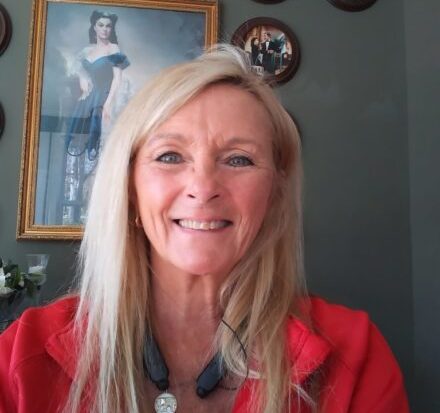
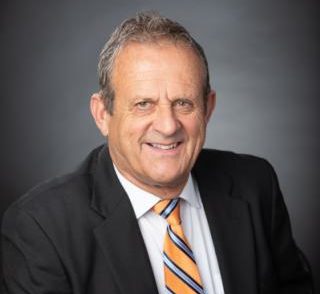
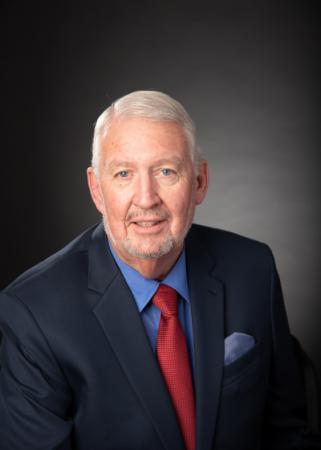
Debora Palmer is running for the District 2 seat on the White County Board of Commissioners. (wrwh.com)Lyn Holcomb is running for reelection to the District 2 seat on the White County Board of Commissioners. (wrwh.com)
Edwin Nix paid his qualifying fee to run for re-election as District 3 Board of Commissioners and Linda Erbele qualified for Board of Education District 4, she currently holds that seat.
Each of these candidates qualified to run as Republican candidates.
Edwin Nix is seeking reelection to the District 3 seat on the White County Board of Commissioners. (wrwh.com)Linda Erbele, District 4 candidate for the White County Board of Education. (wrwh.com)
Qualifying continues through noon Friday at the White County Elections Office located in the Mauney Building on the Helen Highway north of Cleveland.
Habersham County Courthouse (Daniel Purcell/NowHabersham.com)
The Habersham County Grand Jury on Monday indicted twelve people, including five charged with sex crimes against children.
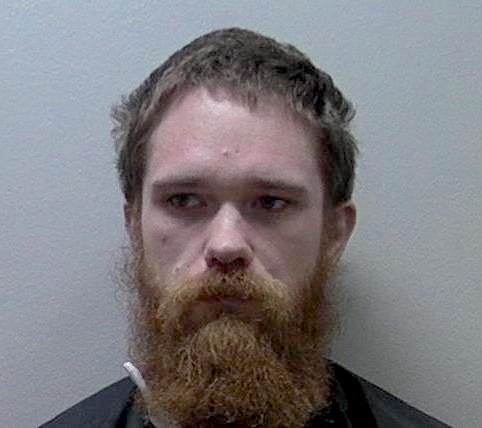
Caleb Workman
Caleb Brady Workman (HCSO)
Jurors indicted Caleb Brady Workman on three counts of aggravated child molestation and two counts of sexual exploitation of children. Workman, of Cornelia, is accused of sexually assaulting two girls under the age of 16 over a decade ago. The girls’ mothers reported the abuse to Habersham County Sheriff’s investigators in April 2021 after their daughters told them what happened, officials say.
The girls said they were forced to videotape the sexual abuse.
Habersham County deputies arrested Workman in December 2021 upon his release from prison in Millen, Georgia, where he served time after being convicted in White County for possessing child pornography.
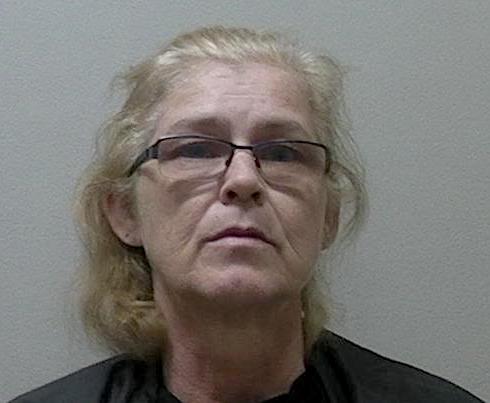
Peggy Sue Mize
Peggy Sue Mize (HCSO)
On March 7, the Habersham County Grand Jury indicted Peggy Sue Mize of Gainesville on two counts of sexual exploitation of children and one count of child molestation.
Mize is accused of asking a 5-year-old relative to take nude photos of her.
The alleged incident happened at a residence in Clarkesville sometime between October 1, 2020, and January 15, 2021, according to the arrest warrant. It came to light this past December after the child told a counselor about it.
According to the incident report, the child also told the counselor Mize had sex with a man in front of her and that Mize allegedly gave the child drugs, alcohol, and cigarettes to keep quiet.
Edwin Huizar
Edwin Huizar (HCSO)
In another high-profile sex abuse case, grand jurors indicted Alto resident Edwin Huizar on five counts including rape, aggravated sodomy, sexual exploitation of children, and child molestation. The grand jury also indicted him for allegedly selling marijuana.
According to the arrest warrants, Huizar allegedly molested a 13-year-old girl and “traded marijuana for explicit images from the victim.” The rape and aggravated sodomy charge involved a second female victim.
The alleged assaults occurred in January and November 2021. The victims’ family notified Habersham County Sheriff’s investigators in December of last year.
Other indictments
Prosecutors also secured an indictment against Matthew Joseph Mirisola on three counts of sexual exploitation of children. Mirisola is accused of possessing child pornography.
John Michael Lumpkin was indicted on three counts of aggravated sodomy and two counts of aggravated child molestation for the alleged abuse of a girl under the age of 10. Prosecutors say the abuse happened sometime between July 1 and December 30, 2016.
The Habersham County Grand Jury on March 7, 2022, also handed down indictments on the following:
Jeramy Ray Chastain and Salvador Villagomez on two counts each of aggravated battery. The two are accused of beating Jarrett Thomas on September 4, 2021, leaving him with a fractured jaw and eye socket.
Jackson Samuel Luzier on five counts including fleeing or attempting to elude a police officer, obstruction of an officer, DUI (alcohol, less safe), reckless driving, and driving with a suspended license.
Bishawn Nyquial Crawford on one count of aggravated assault for allegedly swinging a knife at a woman.
Pascual Manuel Matias on two counts including fleeing or attempting to elude a police officer and DUI (drugs, less safe).
Quinton Aaron Blackwell on three counts including aggravated assault, aggravated battery, and obstruction of an officer.
Kenneth Clark Stewart on three counts including aggravated assault, false imprisonment, and possession o a controlled substance.
All of the defendants in these cases have pleaded not guilty.
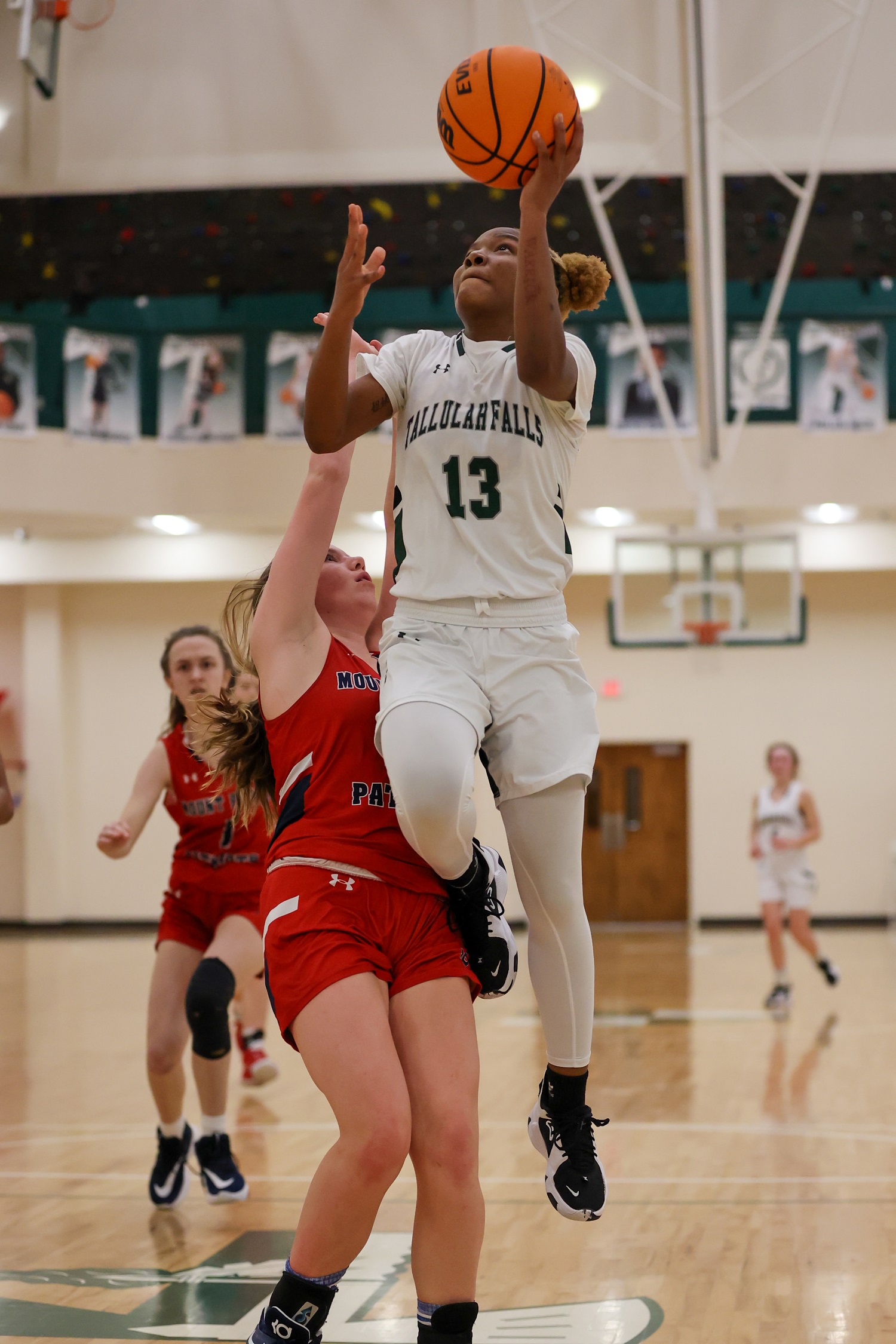
Elite is defined as a select group that is superior in terms of ability or qualities to the rest of a group. That defines the Lady Indians succinctly. The 2021-22 version of Tallulah Falls girls basketball not only stood above the rest of Region 8-A Private – claiming the team’s first outright region championship ever – but also stood above nearly the entire state in Class 1A Private, and even above any team that has come before them in the program’s history.
Veronaye Charlton (photo by Austin Poffenberger)
While the early part of the season proved frustrating in terms of just being able to play games – several games got postponed or canceled – the back end of the season made up for it.
After a 1-2 start to open the season, and 1-3 if you include a season-opening scrimmage against rivals Rabun Gap, the Lady Indians were seeking their identity under first year head coach Lowell Hamilton. Then came a win streak that reached 6 and got the girls going. That momentum carried throughout the rest of the regular season, as TFS ended the regular season at 11-4 and 6-2 in region play.
A tie-breaker in the standings gave TFS the top overall seed heading into the region tournament. The girls cruised to a 14-point win over host George Walton to advance to the region championship game. A 47-38 win over Prince Avenue Christian produced the team’s first ever region tournament championship. That gave Tallulah Falls a guaranteed home game in each of the first two rounds of the state tournament, should they win the opening round.
The Lady Indians did win the opener, a 20-point dominant victory over Mt. Bethel to advance to their third-ever Sweet 16. In the second round, a 25-point win over Heritage produced the first Elite 8 run in school history. TFS once again got to host, as 3-seeded Galloway came to Tallulah Falls for the quarterfinals. Though seeded third in their region, Galloway was ranked #5 in the state. TFS held the lead through nearly the entire first half, including going up by 8. Galloway used a huge third quarter to complete a comeback and end the Lady Indians’ season.
All told, TFS was 15-5 overall, won the region title, and gave Tallulah Falls basketball (boys or girls) their first Elite 8 in history. Juniors Denika Lightbourne and Veronaye Charlton had two of the most productive seasons in program history, as both recorded well over 300 points to land in the top-10 in school history for single-season scoring.
Lightbourne’s final tally of 341 points brought her career mark to 973 as she closes in on 1,000 career. Charlton is just behind her with approximately 900 points. Both guards earned All-Region honors, while Macy Murdock did as well. Murdock and fellow senior Barrett Whitener played their final season for TFS. Freshmen Haygen James and Breelyn Wood got their first taste of varsity, and proved valuable to the team. Juniors Molly Mitchell and Kailyn Neal also were pivotal to the success of the Lady Indians. The girls also were ranked as high as #7 in the state polls, which is the best ranking in the history of the program.
When the dust settled on the 2021-22 season, it was nothing short of ‘sweet’ for the Indians. Tallulah Falls made history with the program’s third-ever Sweet 16 and similarly third-ever 20-win season. The Indians were state-ranked the entire season, climbing to as high as #2 in Class 1A Private, which marked the best ranking in school history.
Gavin Page (photo by Austin Poffenberger)
TFS earned the program’s top win in terms of ranked opponents when beating #2-ranked and defending state champion Towns County in December. It was a jumping-off point for Cody Coleman’s team, who moved to 6-1 with the win. What emerged was a pair of 6-game win streaks interrupted by a loss.
The Indians dropped their first two games in February, which pitted them as the #3 seed in the region heading into the tournament. The defending region champions were able to cruise past Loganville Christian for a state tournament berth. The boys then slid past Athens Christian in the semifinals by a mere 3 points to lock down a region title game appearance. Despite leading the entire game, a late 3-pointer by Prince Avenue Christian sent the championship game into overtime, where they took a 70-66 win over TFS.
The boys didn’t let the region title game result dampen their spirits for long. The Indians still hosted a first-round state playoff game and dominated Mt. Bethel by 20 points to advance to the Sweet 16. Traveling to #2-ranked Greenforest, the Indians saw their season end there in an 80-34 final.
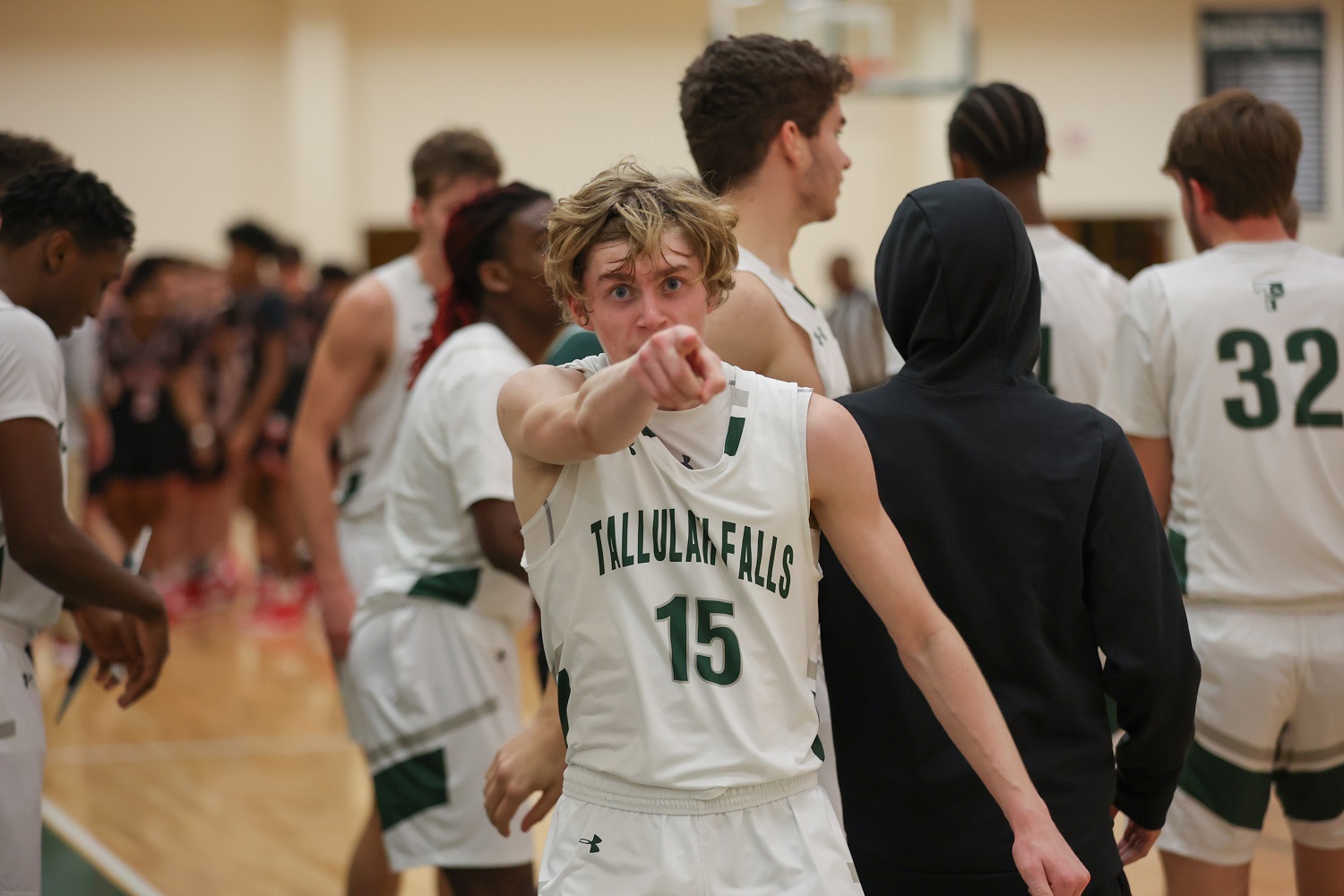
The final tally for the Indians was a 20-6 record, a region runner-up finish, and a Sweet 16 appearance. Juniors Anfernee Hanna and Devonte Allen had tremendous seasons, as Hanna’s 17.5 points per game marked the second-highest in school history, as he and Allen combined for over 750 points. Hanna was named 1st Team All-Region, while Allen earned 2nd Team honors. Senior Gavin Page was named an Honorable Mention. The Indians featured a trio of senior starters, including Page, Charlie Cody, and Milos Vico. George Ketch also made up the senior cast for TFS. Beyond Hanna and Allen, juniors Lincoln Hall and Diego Crotta played significant roles for the Indians this season.
WASHINGTON (GA Recorder) — With just five days left before government funding expires, Democrats and Republicans are trying to reach an agreement on $1.5 trillion in federal spending as well as billions more in assistance to Ukraine and COVID-19 relief.
U.S. Senate Majority Leader Chuck Schumer said Monday afternoon that both political parties were “very close” to reaching an agreement on the government funding package and at least $12 billion in aid to Ukraine.
“The clearest signal Congress can send to Vladimir Putin this week is passing a bipartisan aid package,” the New York Democrat said on the Senate floor.
He also urged Republicans to work with Democrats on providing billions in coronavirus relief, saying that it’s “far better to prepare now than play catch up later.”
Earlier Monday, Schumer wrote that Democrats made “a reasonable global offer to Republicans” and that he hoped both political parties would reach an agreement before a stopgap government funding bill expires on Friday at midnight.
“We have been working on a bipartisan, bicameral basis through the weekend to finish work on an omnibus package that includes robust assistance to the people and government of Ukraine and additional funds to ensure our country is prepared if and when the next COVID variant strikes,” Schumer wrote.
The Biden administration last week requested Congress provide $10 billion in defense, economic and humanitarian aid to Ukraine amid the ongoing war there as well as $22.5 billion in coronavirus relief funding.
That threw a bit of a wrench into ongoing negotiations to fund the government.
Democrats and Republicans have been working for months to hammer out a final agreement on the dozen annual government funding bills before a temporary spending measure expires on Friday.
Those talks were fragile enough without both parties trying to determine what is needed for the Ukrainian war effort as circumstances on the ground change by the hour.
The additional coronavirus relief funding also faces challenges.
Thirty-six Senate Republicans wrote a letter to President Joe Biden last week citing concerns about fraud and asking for “a full accounting” of how the U.S. government has spent the roughly $6 trillion on COVID-19 aid Congress has approved since March 2020.
The group specifically asked the White House to detail how much of the $350 billion in state and local aid Democrats provided in their $1.9 trillion COVID-19 package in March 2021 has been used for vaccines and testing.
According to the Committee for a Responsible Federal Budget’s tracker, about $244 billion of the $350 billion for state and local governments has been spent.
Local, state and tribal governments were able to use the funding for a variety of pandemic-related activities, including public health; premium pay for essential workers; to replace revenue lost due to the pandemic; and to invest in water, sewer, or broadband infrastructure.
The Senate GOP group didn’t rule out supporting billions more in coronavirus aid, but said “it must be an urgent priority that the trillions of taxpayer dollars already appropriated are being spent effectively.”
Speaker Nancy Pelosi wrote to her conference on Sunday to say that “Congress intends to enact this emergency funding this week.” She also said the House is working on separate legislation to address the ongoing Russian war in Ukraine.
The California Democrat said that bill would “further isolate Russia from the global economy” by banning imports of Russian oil and energy products, repealing normal trade relations with Russia, allowing the White House to increase tariffs on Russian imports and taking the first step to end Russian access to the World Trade Organization.
The White House, so far, has been reluctant to block imports of Russian oil over concerns it would increase gasoline prices even more than they’ve already gone up.
Pelosi wrote in her letter that “the United States need not choose between our democratic values and our economic interests.”
“The Administration and the Congress remain laser-focused on bringing down the higher energy costs for American families and our partners stemming from Putin’s invasion,” she continued.
The strong statements from Schumer and Pelosi followed a Zoom call that brought hundreds of U.S. lawmakers together with Ukrainian President Volodymyr Zelenskyy this weekend.
According to an individual on the call, Schumer told Zelenskyy that he, Senate Minority Leader Mitch McConnell and several other lawmakers were working in “a bipartisan fashion to get all the assistance the administration has requested for the Ukrainian people. Together we will get that assistance of over $10 billion in economic, humanitarian, and security assistance to the Ukrainian people quickly.”