Home Blog Page 119

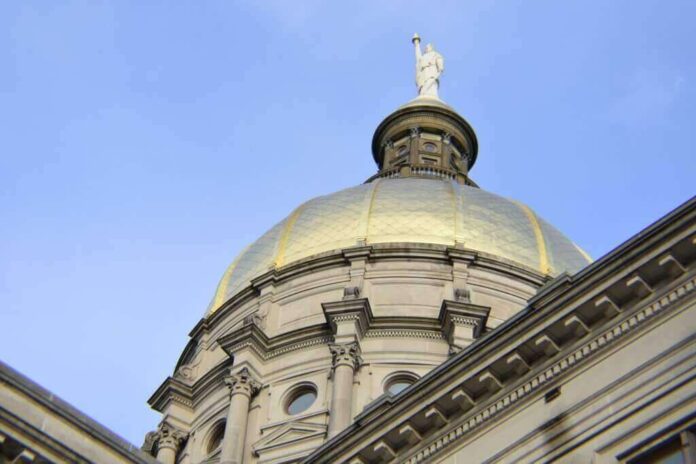
Several new lawmakers will join the Georgia Legislature for the 2026 session

At least three representatives will make their House debut in 2026, and another three legislators will join the Senate, thanks to a series of off-year special elections. (Ross Williams/Georgia Recorder)

There will be some fresh faces under the Gold Dome when lawmakers reconvene Monday, Jan. 12, for the 2026 legislative session.

That’s thanks to a series of off-year special elections held to replace state lawmakers who have died, resigned or been appointed to other political offices. At least three representatives will make their House debut, and another three legislators will join the Senate to finish out the remainder of their predecessor’s two-year legislative term.

There are also more special elections to come in the new year, after two lawmakers recently announced they were leaving the state Legislature. Former Rep. Karen Bennett, a Stone Mountain Democrat, resigned her seat days before she was charged with fraudulently receiving nearly $14,000 in unemployment benefits. Former Rep. Lynn Heffner, an Augusta Democrat, also resigned Monday, citing damage to her home from Hurricane Helene and the state law requiring representatives to live in the districts they represent. Details about the elections to replace the two representatives have not yet been announced.

Here’s a look at the newcomers.

House District 23

The newest lawmaker in a Cherokee County-based district will be Republican Bill Fincher, who defeated Democrat Scott Sanders during a runoff election Tuesday, maintaining the GOP’s hold over the district.

Fincher, a former district attorney who now owns an RV park, received over 70% of the vote according to unofficial results from the secretary of state’s office. He will replace Republican state Rep. Mandi Ballinger of Canton, who died in October after a long battle with cancer.

In an interview, Fincher told the Georgia Recorder that he was “absolutely humbled” by the support of the voters in his district. His top priorities will be capping property taxes, reducing traffic around metro Atlanta and lowering the cost of insurance premiums.

The district, which includes Canton, part of northern Holly Springs and the surrounding unincorporated areas, heavily favors a Republican.

House District 106

At 21, Democrat Muhammad Akbar Ali is set to become the youngest legislator currently serving in Georgia. (Photo courtesy of Ali’s campaign)

Democrat Muhammad Akbar Ali, a graphic designer and former first vice chair of the Gwinnett County Democratic Party, is headed to the Gold Dome after defeating fellow Democrat Marqus Cole during a runoff election for a southwest Gwinnett County state House seat.

Ali focused his campaign on issues like lowering the cost of living, supporting public schools and protecting the rights of immigrants and LGBTQ Georgians. He received a slew of endorsements from key figures in Georgia’s Democratic establishment, including House Minority Caucus Whip Sam Park, a Lawrenceville Democrat, and former Georgia Governor Roy Barnes.

The district’s previous representative, Snellville Democrat Shelly Hutchinson, stepped down from the state Legislature earlier to care for a family member. She later endorsed Ali.

At 21, Ali is set to become the youngest state legislator currently serving in Georgia, stealing the title of youngest lawmaker from Democratic Rep. Bryce Berry of Atlanta.

House District 121
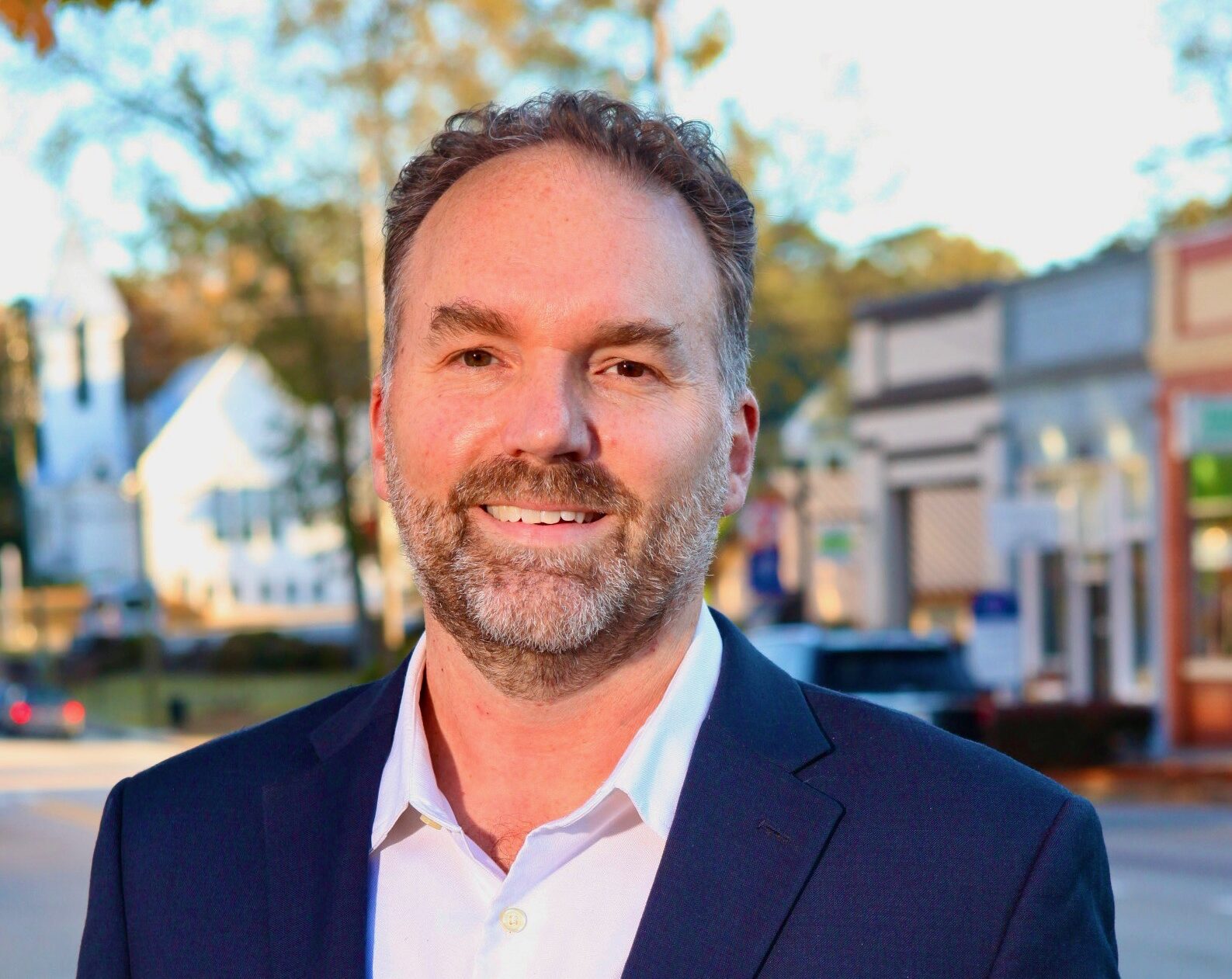
Eric Gisler, a Democrat, won a special election to decide who will finish former Republican state Rep. Marcus Wiedower’s term. (photo courtesy Eric Gisler)

In a stunning upset, Democrats flipped a northeast Georgia House seat, gaining control of an Athens-area district for the first time since 2019.

Eric Gisler, a tech executive and small business owner, will replace former state Rep. Marcus Wiedower, a Watkinsville Republican who abruptly resigned from his seat to focus on his work as vice president of external affairs at the real estate firm Hillpointe.

The district, which covers parts of Clarke and Oconee counties, has historically leaned conservative. Wiedower won his last election with 61% of the vote.

In an interview, Gisler credited his campaign’s success to a strong ground game, as well as his focus on issues like health care access and the rising cost of living, which he said likely appealed to some Republican voters.

Senate District 18

Voters have yet to select a replacement for state Sen. John F. Kennedy, a Macon Republican who resignedin December to focus on his campaign for lieutenant governor.

The district encompasses Crawford, Monroe, Peach and Upson counties, as well as part of Bibb and Houston counties. Six candidates — five Republicans and one Democrat — have qualified for the seat. They include former state Rep. Lauren Daniel, former Forsyth Mayor Eric Wilson and former Fort Valley Mayor Pro Tem LeMario Brown.

The election will be held on Jan. 20, roughly a week after the start of the 2026 legislative session, and early voting for the race will begin on Dec. 29. If no candidate receives more than 50% of the vote, a runoff election will be held on Feb. 17.

Senate District 21
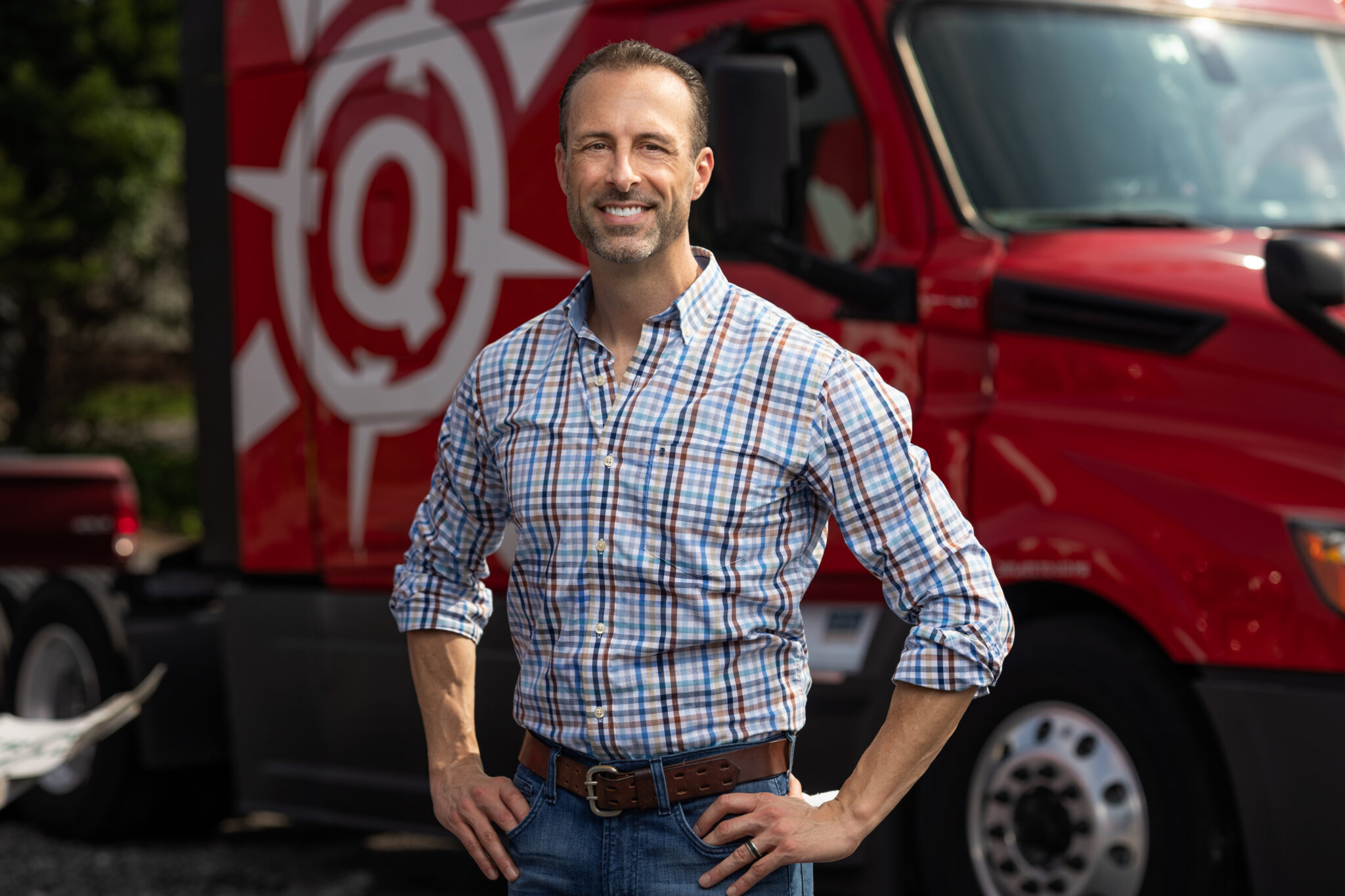
Republican Jason Dickerson won Tuesday’s special state Senate election. (Photo courtesy Dickerson’s campaign)

Republican state Sen. Jason Dickerson, the president of a private investment firm, will replace former Alpharetta Republican state Sen. Brandon Beach after securing a victory in what was perhaps the most contentious legislative special election of 2025.

Beach, who had represented the district since 2013, resigned from the Senate after President Donald Trump appointed him to serve as the 46th U.S. Treasurer. The district, which includes parts of Fulton and Cherokee counties, is predominantly Republican, with Beach receiving upwards of 70% of the vote against a Democratic challenger in 2024.

But Democrats rejoiced after Debra Shigley, an Alpharetta mom, attorney and small business owner, racked up nearly 40% of the vote in a seven-way special election. Her campaign also received door-knocking help from high-profile Democrats like Democratic National Committee Chairman Ken Martinand U.S. Sen. Jon Ossoff.

The district’s Republican base quickly coalesced around Dickerson in the runoff, and he ultimately won the seat with over 60% of the vote, though Democrats cheered the gains made in the conservative district.

Senate District 35

Democrat Jaha Howard, a dentist and former Cobb County School Board member, is headed to the state Capitol, representing a metro Atlanta district that includes portions of Cobb and Fulton counties.

Howard narrowly defeated former Democratic state Rep. Roger Bruce, who retired from the state Legislature in 2024, during a special election runoff on Dec. 16. He will replace former state Sen. Jason Esteves, an Atlanta Democrat who resigned from the state Senate in September to focus on his campaign for governor.

According to his campaign website, Howard plans to prioritize supporting small businesses, reducing barriers to health care access and increasing literacy rates.

This is not Howard’s first foray into politics; he has also been a candidate for state school superintendent and ran for a seat on the Cobb County commission last year. During a previous bid for state Senate in 2017, however, he came under fire for sexist and homophobic comments he posted on social media between 2011 and 2014. Last year, he told the Georgia Recorder he has worked to gain voters’ trust in his commitment to LGBTQ and women’s rights.

He also received an endorsement from state Sen. RaShaun Kemp, one of the two openly gay lawmakers in the chamber.
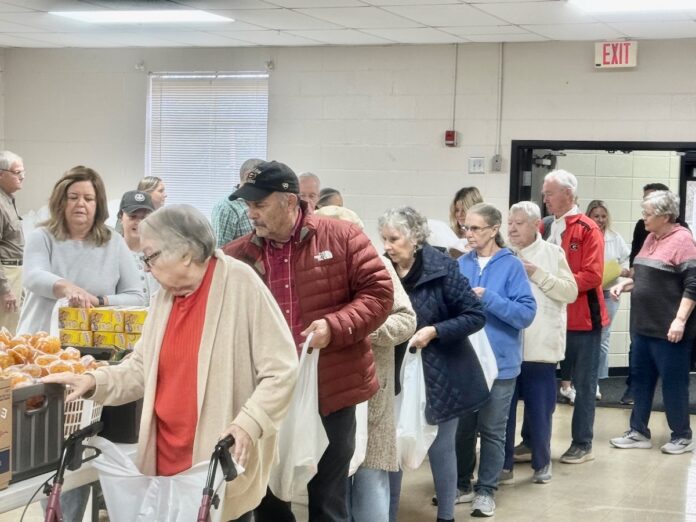
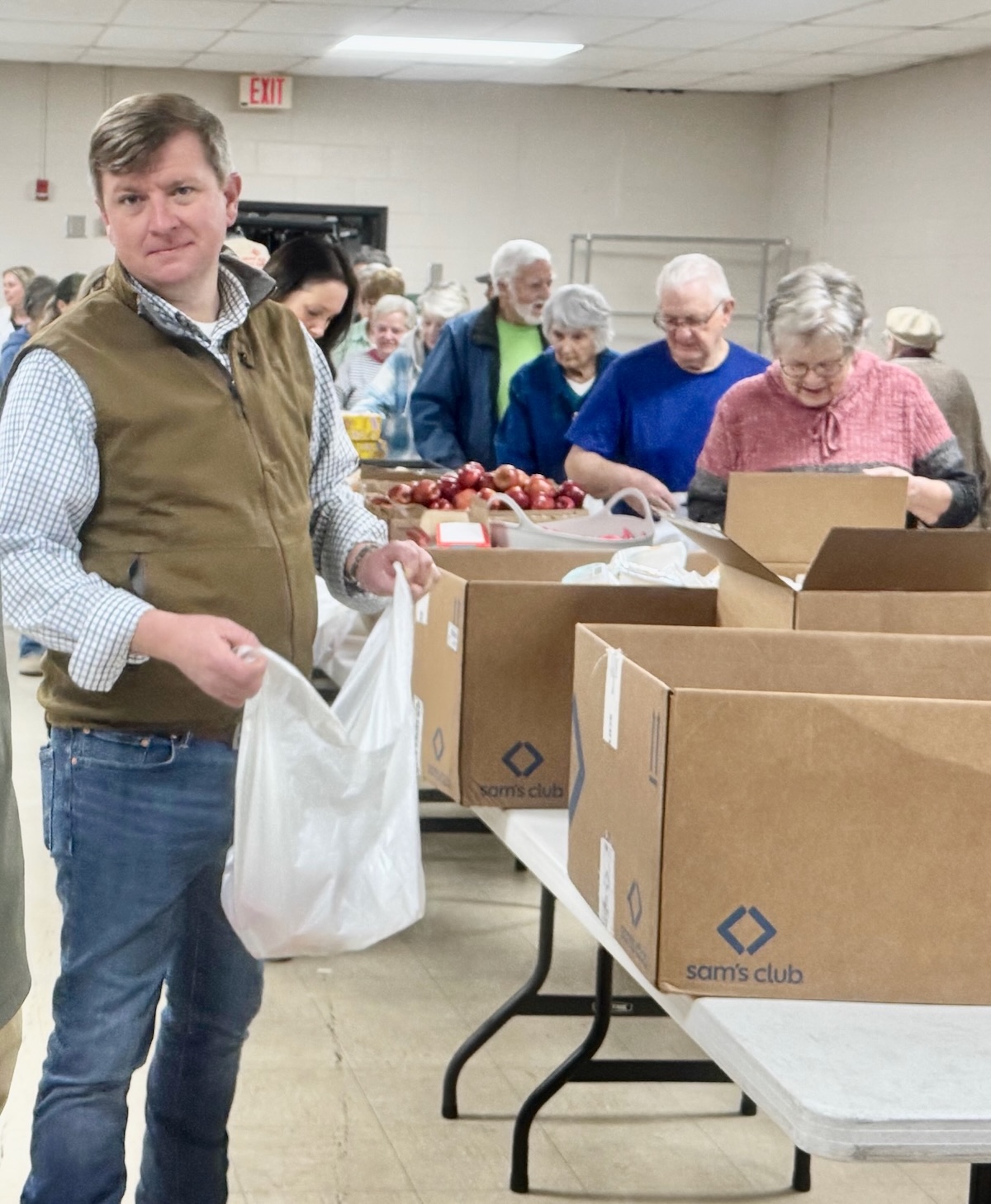
Old cafeteria finds new purpose as volunteers pack meals for Habersham County students

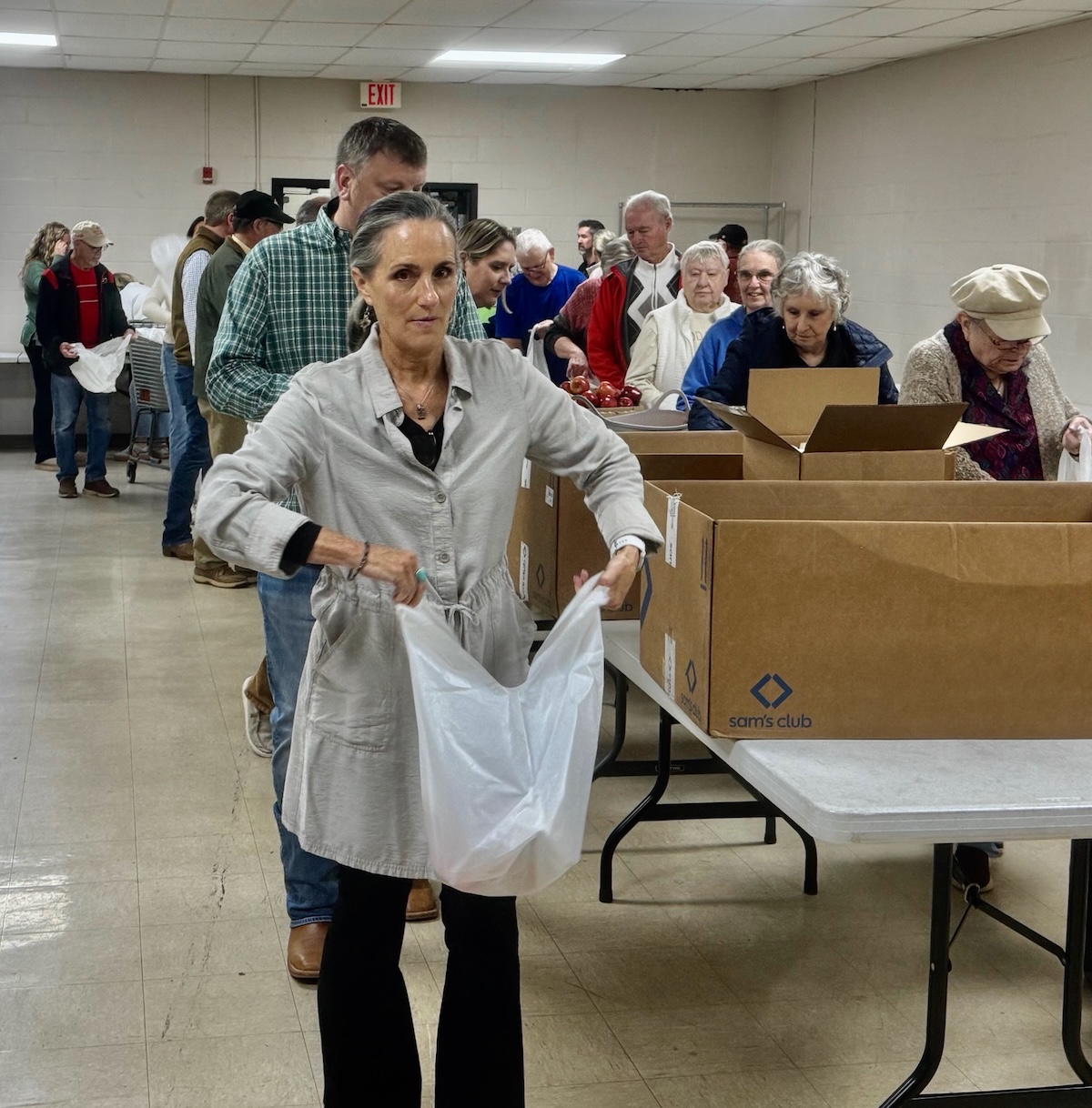
Volunteers form an assembly line to bag up food needy kids at Demorest City Hall. (Patrick Fargason/Now Habersham)

DEMOREST, Ga. – Demorest City Hall occupies the former Demorest Elementary School, a building once filled with classrooms and a bustling cafeteria. While much of the old school has been transformed into a municipal conference center, the cafeteria still serves children every Thursday morning — just in a different way.

Each week at 8:30 a.m., volunteers gather in the old cafeteria to pack food bags for hundreds of students across the Habersham County School System as part of the Food 4 Kids project, an initiative organized by The Everyday Good.

The nonprofit began serving students last spring after a school counselor reached out about a growing need for food assistance among children in the county.

“Someone contacted us just to let us know about the need,” said Meredith Harkness, one of the organizers of the weekly packing event. “Once you know something like that, you can’t unknow it.”

From humble beginnings

Demorest Mayor Jerry Harkness participates in the Food 4 Kids project at Demorest City Hall. (Patrick Fargason/Now Habersham)

What started as a response to a single request has grown into a weekly operation serving about 400 students at 14 schools. The program reaches every school in the county except one, which is already supported by another local church-based effort.

Each Thursday, volunteers pack bags filled with single-serve food items that students can take home. The food is distributed through the schools to children identified by counselors as needing supplemental meals.

“It’s a well-oiled machine at this point,” Harkness said. “From start to finish, it usually takes about 25 minutes, but it takes a lot of hands to make it work.”

On an average Thursday, about 40 volunteers show up to help, though the number can fluctuate. Some volunteers pack food, while others deliver the bags directly to schools across the county.

Funding is the biggest need

Funding remains a constant challenge. Harkness said the Food 4 Kids project costs roughly $1,500 per week to operate, with most food purchased in bulk to ensure items are lightweight and appropriate for children.

“Money is really our greatest need,” she said. “Five dollars pays for a bag for one child each week. It doesn’t take a lot of money to make a big difference.”

Volunteer Ann Sutton with Piedmont University runs through the assembly line at the Food 4 Kids Project. (Patrick Fargason/Now Habersham)

Volunteer Ann Sutton, assistant vice president for advancement and development at Piedmont University, has been helping with the weekly packing effort for several months.

“The reward is being with other people who are doing the same thing — trying to make

things better for these students,” Sutton said. “You imagine the children who go home and need extra, supplemental food, and you realize how important this is.”

Sutton said the setting itself adds meaning to the work.

“I love that the old cafeteria is still serving kids, just in a different way,” she said.

City leaders have embraced the effort by providing space for the weekly packing event.

Demorest Mayor Jerry Harkness said it is important for the city to support initiatives that directly serve the community.

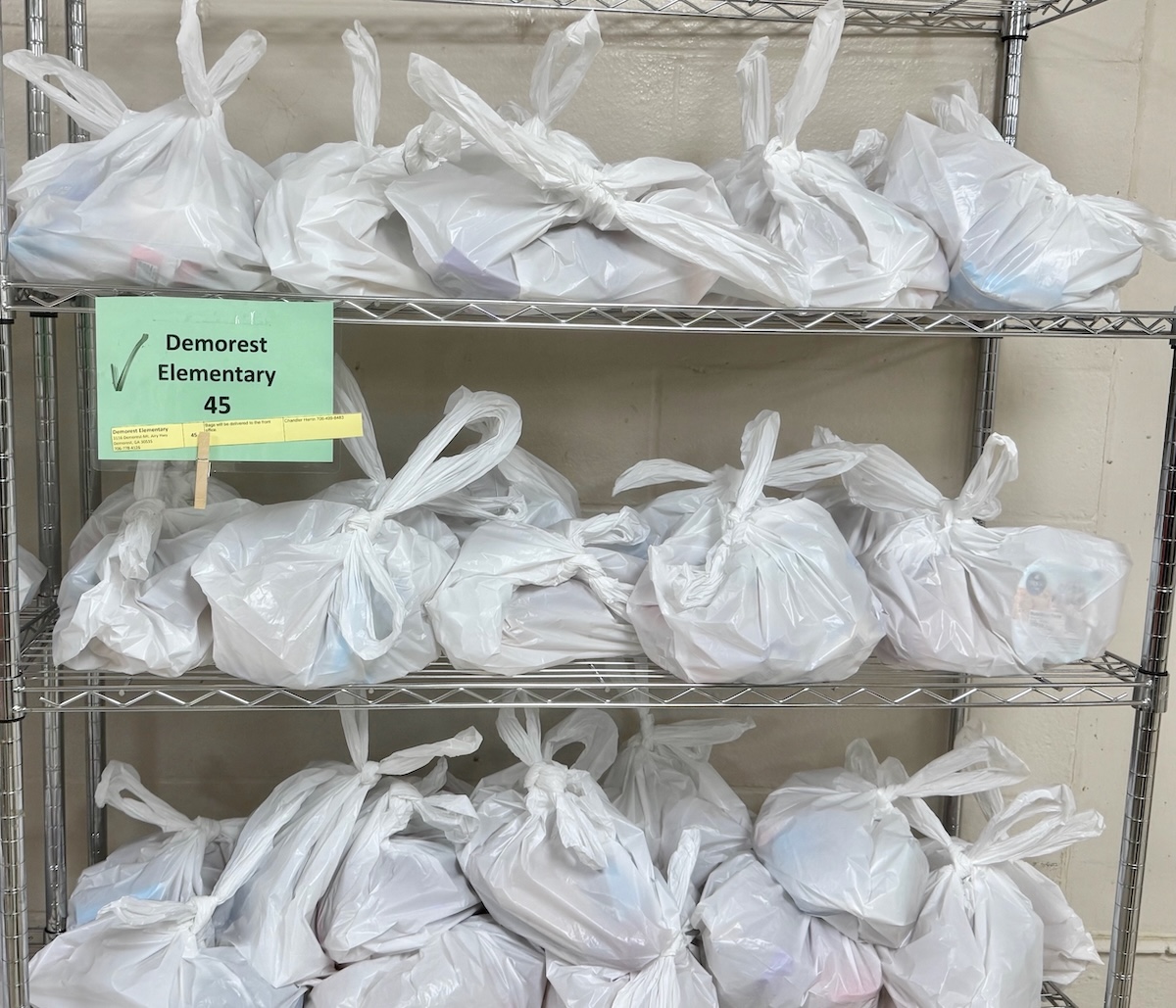
The finished product bagged and ready to be delivered to Demorest Elementary. (Patrick Fargason/Now Habersham)

“We have this space,” he said. “It’s a great space to organize this event, and they do a great job putting it on.”

For organizers and volunteers, the Food 4 Kids project is about meeting a basic but critical need — and making it easy for the community to help.

The Food 4 Kids project packs meals every Thursday morning at Demorest City Hall. Those interested in volunteering can stop by around 8:30 a.m. To support the effort can donate online at theeverydaygood.com/donate.

How Olympians think about success and failure and what we can learn from them

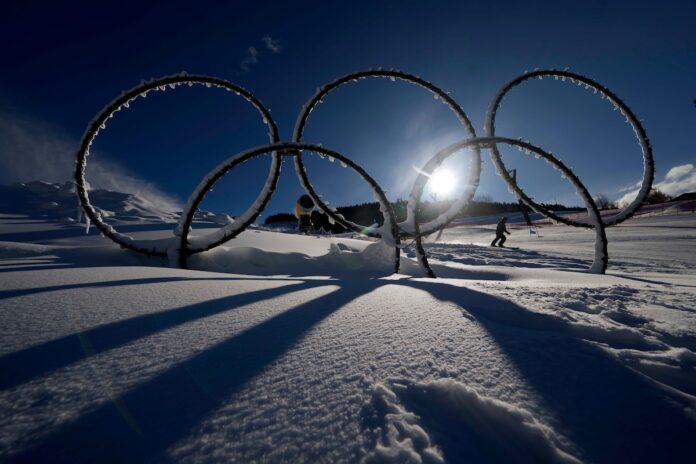
FILE Olympic rings are seen in the snow at the Stelvio Ski Center, venue for the alpine ski and ski mountaineering disciplines at the Milan Cortina 2026 Winter Olympics, in Bormio, Italy, Jan. 16, 2025. (AP Photo/Luca Bruno, File)

If winning gold medals were the only standard, almost all Olympic athletes would be considered failures.

A clinical psychologist with the United States Olympic and Paralympic Committee, Emily Clark’s job when the Winter Games open in Italy on Feb. 6 is to help athletes interpret what it means to be successful.

Should gold medals be the only measure?

Part of a 15-member staff providing psychological services, Clark nurtures athletes accustomed to triumph but who invariably risk failure.

The staff deals with matters termed “mental health and mental performance.” They include topics such as motivation, anger management, anxiety, eating disorders, family issues, trauma, depression, sleep, handling pressure, travel and so forth.

Clark’s area includes stress management, the importance of sleep and getting high achievers to perform at their best and avoid the temptation of looking only at results.

“A lot of athletes these days are aware of the mental health component of, not just sport, but of life,” Clark said in an interview with The Associated Press. “This is an area where athletes can develop skills that can extend a career, or make it more enjoyable.”

Redefining success

The United States is expected to take about 235 athletes to the Winter Olympics, and about 70 more to the Paralympics. But here’s the truth.

“Most of the athletes who come through Team USA will not win a gold medal,” Clark said. “That’s the reality of elite sport.”

Here are the numbers. The United States won gold medals in nine events in the last Winter Games in Beijing in 2022. According to Dr. Bill Mallon, an esteemed shoulder surgeon and Olympic historian, 70.8% of Winter and Summer Olympic athletes go to only one Olympics.

Few are famous and successful like swimmer Michael Phelps, or skiers Mikaela Shiffrin or Lindsey Vonn.

Clark said she often delivers the following message to Olympians and Paralympians: This is a once-in-a-lifetime chance. Focus on the process. Savor the moment.

“You’re job is not to win a gold medal, your job it to do the thing and the gold medal is what happens when you do your job,” she said.

“Some of this might be realigning what success looks like,” she added. “And some of this is developing resilience in the face of setbacks and failure.”

Clark preaches staying on task under pressure and improving through defeat.

“We get stronger by pushing ourselves to a limit where we’re at our maximum capacity — and then recovering,” she said. “When we get stressed, it impacts our attention. Staying on task or staying in line with what’s important is what we try to train for.”

A few testimonials

Kendall Gretsch has won four gold medals at the Summer and Winter Paralympics. She credits some of her success to the USOPC’s mental health services, and she described the value this way.

“We have a sports psychologist who travels with us for most our season,” she said. “Just being able to touch base with them … and getting that reminder of why are you here. What is that experience you’re looking for?”

American figure skater Alysa Liu is the 2025 world champion and was sixth in the 2022 Olympics. She’s a big believer in sports psychology and should be among the favorites in Italy.

“I work with a sport psychologist,” she said without giving a name. “She’s incredible — like the MVP.”

Of course, MVP stands — not for Most Valuable Person or Most Valuable Player — for “Most Valuable Psychologist.”

“I mean, she’s very helpful,” Liu added.

Vonn: “I just did it myself”

American downhill skier Vonn will race in Italy in her sixth Olympics. At 41, she’s coming off nearly six years in retirement and will be racing on a knee made of titanium.

Two-time Olympic champion Michaela Dorfmeister has suggested in jest that Vonn “should see a psychologist” for attempting such a thing in a very dangerous sport where downhill skiers reach speeds of 80 mph (130 kph).

Vonn shrugged off the comments and joked a few months ago that she didn’t grow up using a sport psychologist. She said her counseling came from taping messages on the tips of her skis that read: “stay forward or hands up.”

“I just did it myself,” she said. “I do a lot of self-talk in the starting gate.”

On sleep

“Sleep is an area where athletes tend to struggle for a number of reasons,” Clark said, listing issues such as travel schedules, late practices, injuries and life-related stress.

“We have a lot of athletes who are parents, and lot of sleep is going to be disrupted in the early stages of parenting,” she said. “We approach sleep as a real part of performance. But it can be something that gets de-prioritized when days get busy.”

Clark suggests the following for her athletes — and the rest of us: no caffeine after 3 p.m., mitigate stress before bedtime, schedule sleep at about the same time daily, sleep in a dark room and get 7-9 hours.

Dani Aravich is a two-time Paralympian — she’s been in both the Summer and Winter Games — will be skiing in the upcoming Paralympics. She said in a recent interview that she avails herself of many psychological services provided by the USOPC.

“I’ve started tracking my sleep,” she said, naming Clark as a counselor. “Especially being an athlete who has multiple jobs, sleep is going to be your No. 1 savior at all times. It’s the thing that — you know — helps mental clarity.”

Ditto Clark.

“Sleep is the cornerstone of healthy performance,” she added.

Speed, safety, and the “double nickel”: A look back at the law that slowed America down

Interstate traffic through GA
(NowGeorgia.com)

Imagine a world where driving from Atlanta to Savannah on I-16 meant locking your cruise control at a crawling 55 mph. No matter how wide open the road, passing that “double nickel” threshold could cost you a ticket.

That was the reality solidified on January 2, 1974, when President Richard Nixon signed the National Maximum Speed Law (NMSL). Enacted as an emergency response to the 1973 oil crisis, the law mandated a federal 55 mph speed limit nationwide to curb gasoline consumption.

While the law is long gone, its legacy continues to shape how Georgians drive today—from the rural interstates to the dreaded “Super Speeder” fines.

The “double nickel” era

For over two decades, Georgia’s highways were federally throttled. The 55 mph limit was famously unpopular, inspiring songs like Sammy Hagar’s “I Can’t Drive 55” and creating a culture of CB-radio-wielding drivers looking out for “Smokey.”

Despite the frustration, the law had unintended side effects. While fuel savings were modest (estimated at around 1%), traffic fatalities dropped significantly nationwide, leading Congress to keep the law in place for safety reasons long after the oil crisis subsided.

Georgia hammers down: The 1996 shift

The federal grip on speed limits finally loosened in 1995 when Congress repealed the NMSL, returning power to the states. Georgia didn’t waste time.

On July 1, 1996, Georgia officially raised the speed limit on rural interstates to 70 mph, ending the 55 mph era. Drivers on major arteries like I-75 and I-95 could finally legally drive at speeds that matched the flow of modern traffic.

Today, Georgia’s speed limits are tailored to the road:

  • 70 mph on rural interstates.
  • 65 mph on urban interstates (like the Perimeter, I-285).
  • 55 mph remains the standard for many two-lane state routes.

Rise of the “super speeder”

With higher limits came the need for stricter enforcement against extreme recklessness. In 2010, Georgia enacted the “Super Speeder” Law, a piece of legislation designed to hit dangerous drivers where it hurts: their wallets.

Under this law, you are designated a “Super Speeder” if you are convicted of driving:

  • 85 mph or more on any road or highway.
  • 75 mph or more on any two-lane road.

Violators face a $200 state fee in addition to their local speeding ticket. Interestingly, the revenue from these fines doesn’t just disappear into a general fund; it helps explicitly fund Georgia’s trauma care hospital system, directly supporting the emergency rooms that treat crash victims.

From 8 mph to 70 mph

To see how far we’ve come, one need only look at the local history books. In 1909, the city of Smyrna, Georgia, passed an ordinance setting the speed limit at a blistering 8 mph. A local newspaper at the time warned that “unwary motorists” would be “pinched” for daring to go faster.

From 8 mph buggies to 70 mph interstates, Georgia’s philosophy of speed has always been a balance between getting there fast and getting there alive. As you drive today, remember that while the “double nickel” is history, the radar is still very much active.

One injured in multi-vehicle wreck on GA 365

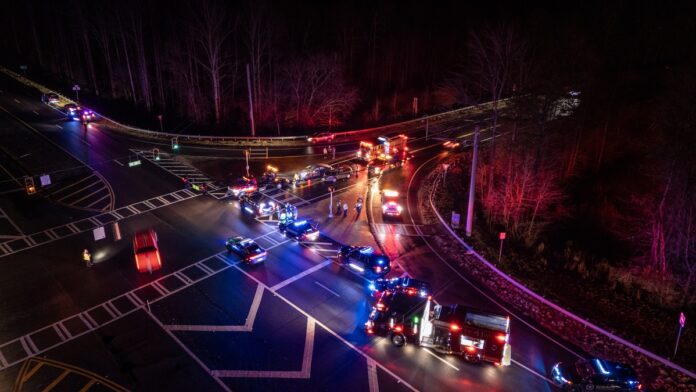
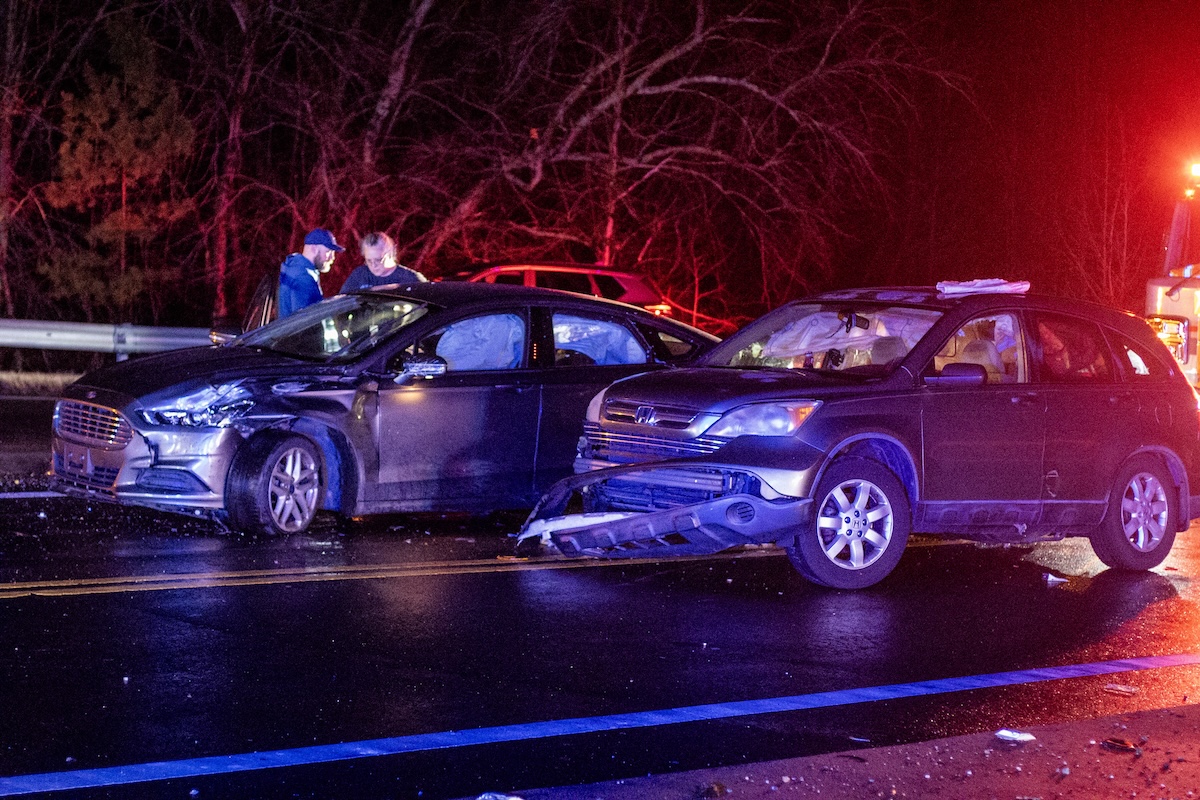
The wreck temporarily blocked the southbound lanes of GA 365 as emergency personnel responded. (Daniel Purcell/NowGeorgia.com)

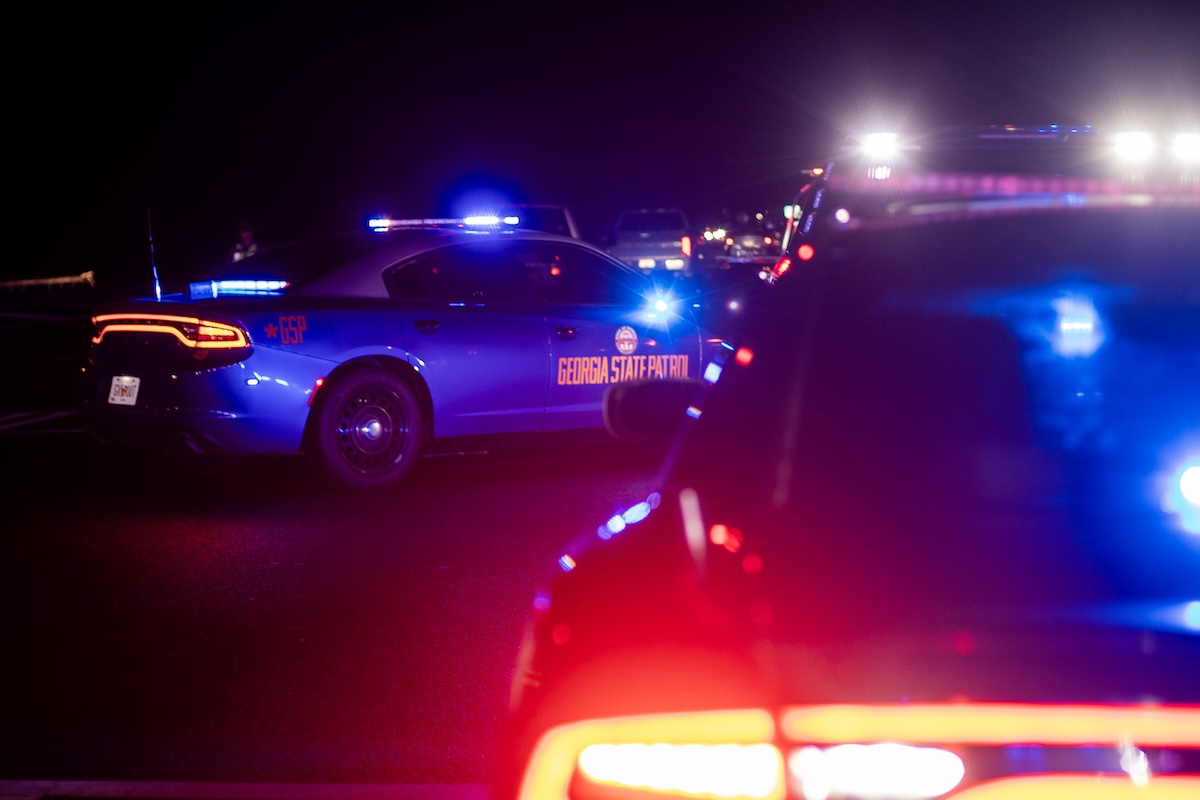
HABERSHAM COUNTY, Ga. — One person was injured in a multi-vehicle crash in south Habersham County on Saturday, according to the Georgia State Patrol.

The crash happened around 6:45 p.m. on Jan. 10 at the intersection of GA 365 and Duncan Bridge Road. The wreck shut down the southbound lanes of the highway for more than an hour.

Troopers with GSP Post 7 in Toccoa say a Honda CR-V was traveling northbound on GA 365 when the driver attempted to turn left onto Duncan Bridge Road and failed to yield. A southbound Chevrolet Tahoe attempted to stop but struck the right rear of the Honda. The impact caused the Honda to spin and strike a Ford Fusion SE that was stopped at the red light on Duncan Bridge Road.

The driver of the Honda, 69-year-old Roy Rickman of Lakeland, Florida, was injured in the crash. Habersham EMS transported him to Northeast Georgia Medical Center in Gainesville for treatment. Troopers charged Rickman with failure to yield while turning left.

Selina Buell, 55, of Buford, who was driving the Tahoe, and Jennifer Harris, 47, of Demorest, who was driving the Ford Fusion, were not injured.

Initial reports indicated as many as eight vehicles were potentially involved in the wreck. The Habersham County Sheriff’s Office, Baldwin Police Department, and Georgia State Patrol responded to the scene.

Crews worked for more than an hour to clear the wreckage and restore traffic flow. The crash remains under investigation.

Graveyards are not Spooky

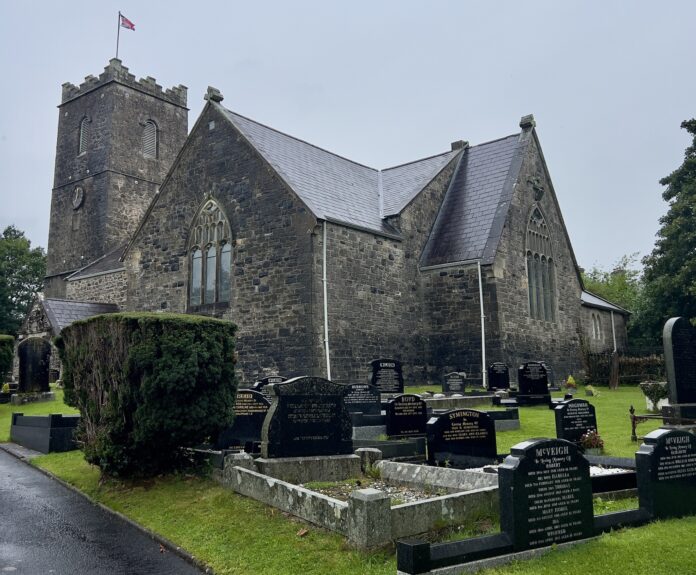
St. Michael's Church in Castlecaufield, Ireland (Photo by Lynn Walker Gendusa)

You might think I’m unusual, but I truly enjoy visiting graveyards. They aren’t spooky at all; instead, they offer a glimpse into the past and the lives that shaped us. Beneath the earth lie countless stories of triumph and defeat, joy and sadness.

In a small town in Tennessee, most of my family is buried close together. When I visit the cemetery, I remember stories that warm my soul and bring me comfort. The names scattered across the landscape are familiar to me, and I often wish I had asked more about each one when they were alive.

In August of last year, I had the wonderful opportunity to visit Ireland. As someone passionate about genealogy, I discovered that one of my ancestors served as the rector of a church near Belfast in the 1600s. Located in a small hamlet called Castlecaulfield in County Tyrone, St. Michael’s Church sits atop a small hill, surrounded by the graves of those who once belonged to this Protestant congregation.

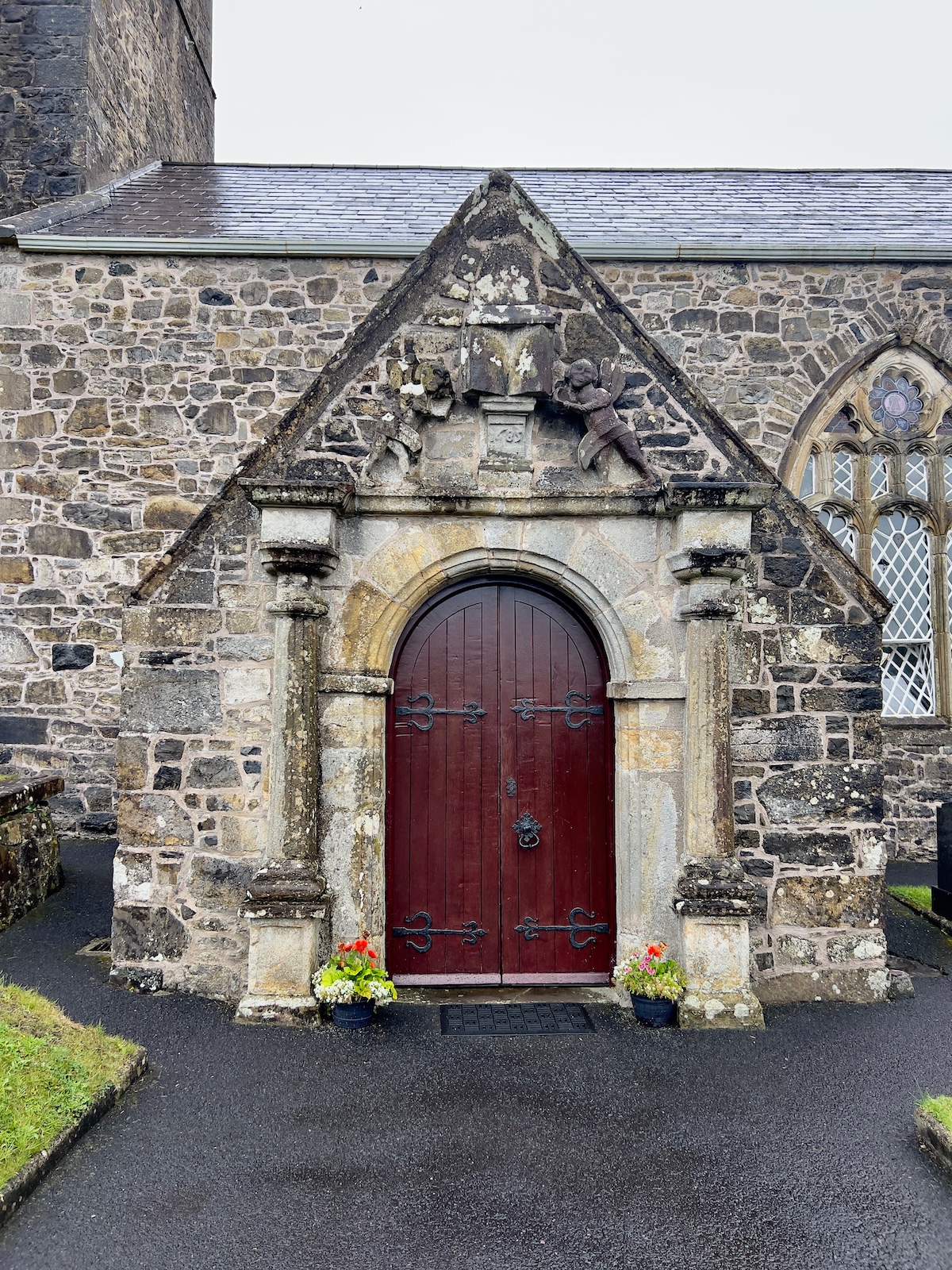
St. Michael’s Church in Castlecaufield, Ireland (Photo by Lynn Walker Gendusa)

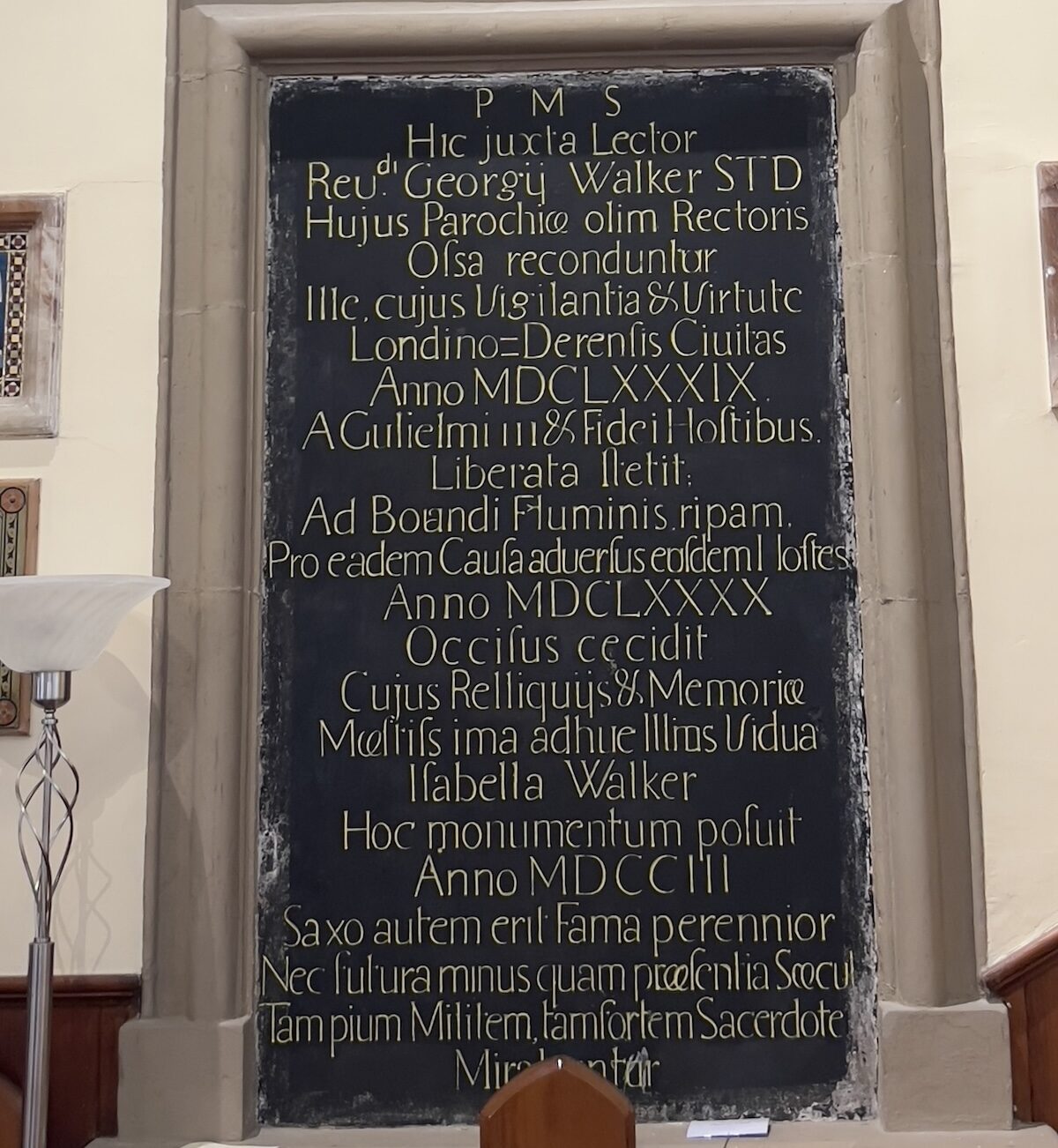
Reverend George Walker and his wife, Isabella, are buried inside the church. This may sound strange, so I will explain. Reverend George became the Governor of Londonderry, Ireland. He was killed in July 1690 during the Battle of the Boyne while assisting the Duke of Schomberg, who was the commander-in-chief of all the Williamite forces in Ireland. Because he was regarded as a hero and a leader, the church honored the Walkers’ remains by interring them within its walls when it was restored years later.

I wasn’t sure about the connection between George, Isabella, and my family, but I felt a strong spiritual urge to visit St. Michael’s. My husband and many of my friends thought it was a bit silly, but I firmly stood my ground, just like my grandmother used to, and insisted I was going to County Tyrone.

Rain poured as we drove from Belfast to Castlecaulfield, about an hour away. Our driver was a woman who resembled my Walker cousins. We talked throughout the journey as Marion shared stories about Northern Ireland and the underlying turmoil that still simmers beneath an eerie calm, especially in Belfast. The Battle of the Boyne is commemorated every year on July 12 amid some remaining controversy.

Marion, a devout Catholic, had never been inside a Protestant church until we pulled into St. Michael’s parking lot. The groundskeeper was to meet us to unlock the doors. Because he was a little late, we opened our umbrellas and walked around the premises dotted with tombstones.

(Photo by Lynn Walker Gendusa)

As my eyes scanned the area, I recognized countless names. Names that originally appeared in England and Scotland were now etched in marble in Northern Ireland.   I believe divine planning guides us, making life feel purposeful and reassuring that we are part of something greater.

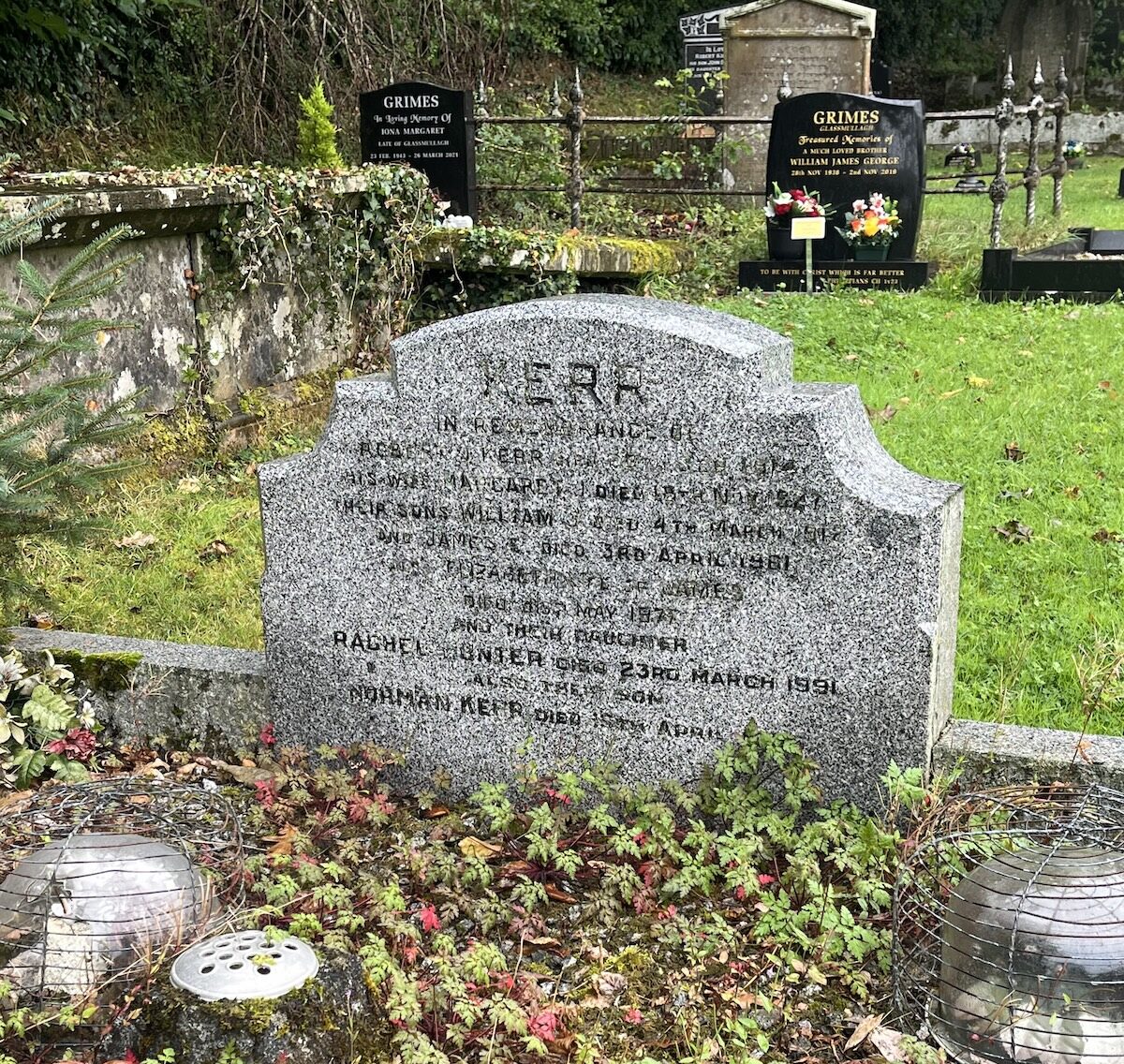
When I saw the name “Kerr” carved in granite, I couldn’t help but laugh out loud. My dear friend is a Kerr who lives next door. Additionally, I know that the Walkers and Kerrs are buried side by side behind a small  Presbyterian church in Tennessee that dates back to the 1700s. These connections highlight how intertwined our family histories truly are.

Other names engraved on the monuments in Ireland are the same as those that dot the cemetery where my family eternally rests. Coincidence? I don’t think so.

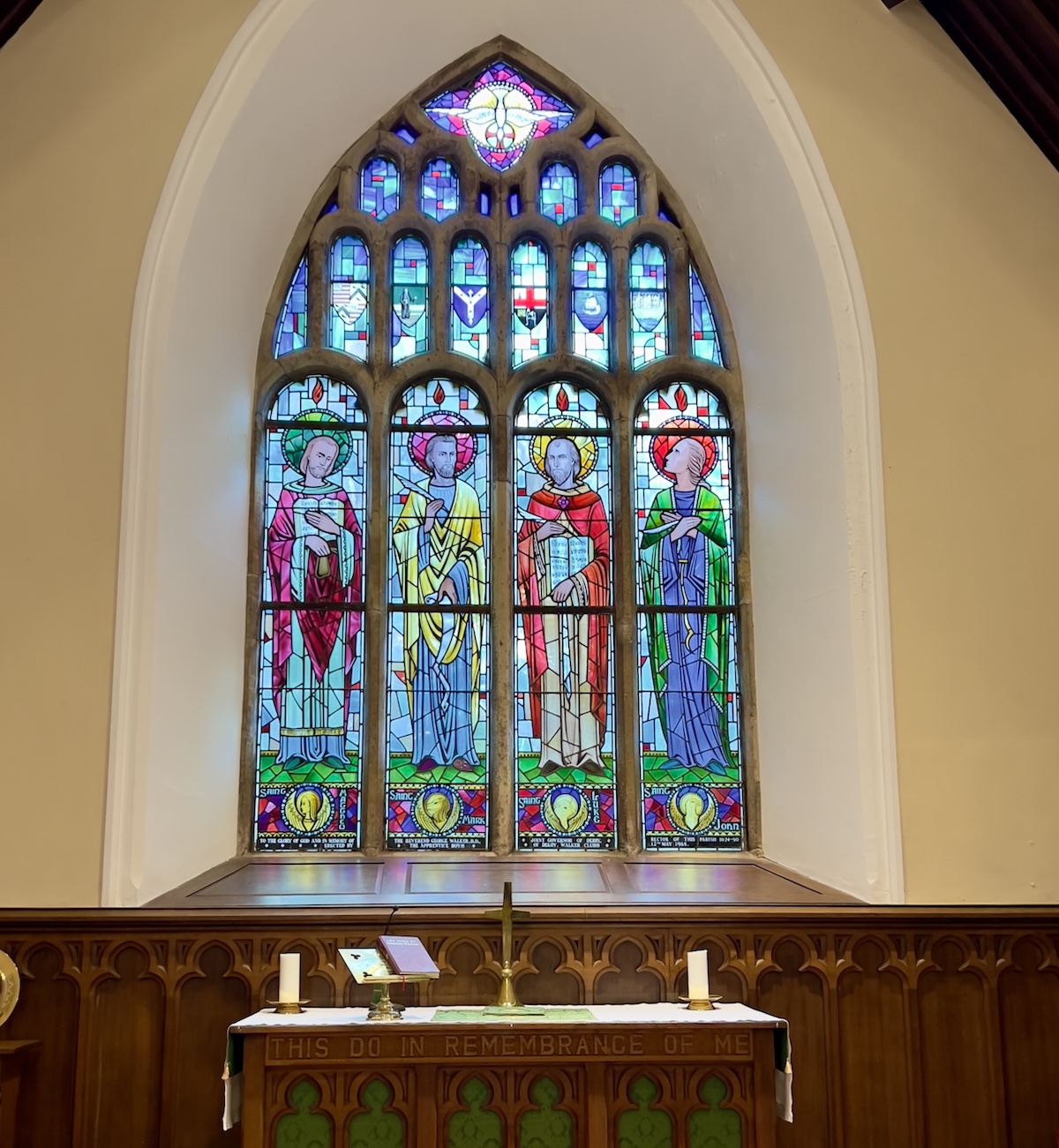
Once the groundskeeper arrived, we walked through a small door into a light-filled church adorned with stained-glass windows. The largest window was dedicated to Reverend George, and sure enough, there is a prominent plaque on the wall marking his and Isabella’s resting place.

“Where in America did your Walker family settle ?” the friendly groundskeeper asked. I replied, “Tennessee.”  

He quickly responded, smiling, “Did you know that Davy Crockett’s family once lived just a mile down the road from here?” Tears filled my eyes as I realized that some of Crockett’s relatives had settled in the same small mountain town where I was born.

History is personal. We each have one filled with heroes, black sheep, and quirky individuals. But there is something not only mystical but sacred regarding those who came before us. Those we meet and those we encounter are interconnected by a divine power that only God can yield. 

“Lynn, thank you so much for including me today. It was a beautiful and eye-opening experience,” Marion, our new friend, declared as we were leaving. For just a moment, the past, conflicts, and oceans faded away beneath the cross at the center of a church on an Irish hill. Coincidence? I don’t think so.

No, graveyards are not spooky; sometimes they are keys unlocking a treasure trove of gratitude.

_____

Lynn Walker Gendusa

Lynn Walker Gendusa began her writing career as a columnist for the LaGrange News. Today, her essays are featured regularly throughout Georgia and Tennessee. Her work also appears in Guidepost, USA Today, The Atlanta Journal, MSN.com, among others. Lynn has authored two books; the latest, “Southern Comfort,” was published in 2022. She can be reached at www.lynngendusa.com. For more of her inspirational stories, click here.

Death toll in crackdown on protests in Iran spikes to at least 538 , activists say

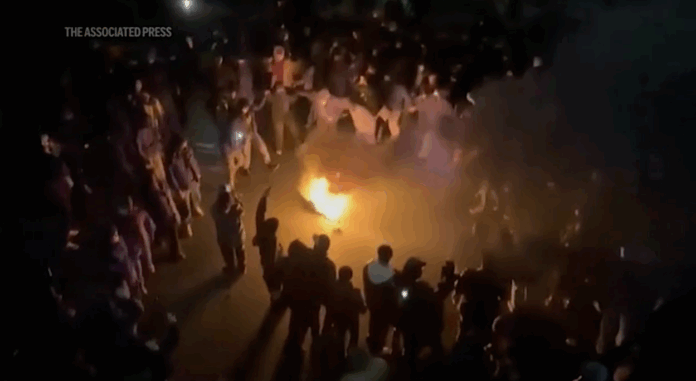
This frame grab from footage circulating on social media shows protesters dancing and cheering around a bonfire as they take to the streets despite an intensifying crackdown as the Islamic Republic remains cut off from the rest of the world, in Tehran, Iran, Friday, Jan. 9, 2026.(UGC via AP)

DUBAI, United Arab Emirates (AP) — A crackdown on nationwide protests in Iran has killed at least 538 people and even more are feared dead, activists said Sunday, while Tehran warned that the U.S. military and Israel would be “legitimate targets” if America uses force to protect demonstrators.

Another over 10,600 people have been detained over the two weeks of protests, said the U.S.-based Human Rights Activists News Agency, which has been accurate in previous rounds of unrest in Iran in recent years. It relies on supporters in Iran crosschecking information. It said of those killed, 490 were protesters and 48 were members of security forces.

With the internet down in Iran and phone lines cut off, gauging the demonstrations from abroad has grown more difficult. The Associated Press has been unable to independently assess the toll.

The Iranian government has not offered overall casualty figures for the demonstrations.

Those abroad fear the information blackout is emboldening hard-liners within Iran’s security services to launch a bloody crackdown. Protesters flooded the streets in the country’s capital and its second-largest city again Sunday morning.

U.S. President Donald Trump has offered support for the protesters, saying on social media that “Iran is looking at FREEDOM, perhaps like never before. The USA stands ready to help!!!”

Trump and his national security team have been weighing a range of potential responses against Iran including cyberattacks and direct strikes by either U.S. or Israel, according to two people familiar with internal White House discussions who were not authorized to comment publicly and spoke on condition of anonymity.

The White House, which did not immediately respond to a request for comment, has not indicated it has made any decisions. The massive ongoing U.S. military deployment to the Caribbean has created another factor that the Pentagon and Trump’s national security planners must consider.

Defiance in Parliament

The threat to strike the U.S. military and Israel came during a parliamentary speech by Mohammad Baagher Qalibaf, the hard-liner speaker of the body who has run for the presidency in the past.

He directly threatened Israel, calling it “the occupied territory.”

“In the event of an attack on Iran, both the occupied territory and all American military centers, bases and ships in the region will be our legitimate targets,” Qalibaf said. “We do not consider ourselves limited to reacting after the action and will act based on any objective signs of a threat.”

Lawmakers rushed the dais in parliament, shouting: “Death to America!”

It remains unclear how serious Iran is about launching a strike, particularly after its air defenses were destroyed during the 12-day war in June with Israel. Any decision to go to war would rest with Iran’s 86-year-old Supreme Leader Ayatollah Ali Khamenei.

The U.S. military has said in the Mideast it is “postured with forces that span the full range of combat capability to defend our forces, our partners and allies and U.S. interests.” Iran targeted U.S. forces at Al Udeid Air Base in Qatar in June, while the U.S. Navy’s Mideast-based 5th Fleet is stationed in the island kingdom of Bahrain.

Israel, meanwhile, is “watching closely” the situation between the U.S. and Iran, said an Israeli official, who spoke on condition of anonymity due to not being authorized to speak to journalists. Israeli Prime Minister Benjamin Netanyahu spoke with U.S. Secretary of State Marco Rubio overnight on topics including Iran, the official added.

“The people of Israel, the entire world, are in awe of the tremendous heroism of the citizens of Iran,” said Netanyahu, a longtime Iran hawk.

At the Vatican, Pope Leo XIV mentioned Iran as a place “where ongoing tensions continue to claim many lives,” adding that “I hope and pray that dialogue and peace may be patiently nurtured in pursuit of the common good of the whole of society.”

Demonstrations were held in some international capitals in support of the protesters. A spokesperson said U.N. Secretary-General Antonio Guterres was “shocked” by reports of violence against protesters resulting in “scores of deaths” and called on Iranian authorities to use maximum restraint and restore communications.

Protests in Tehran and Mashhad

Online videos sent out of Iran, likely using Starlink satellite transmitters, purportedly showed demonstrators gathering in northern Tehran’s Punak neighborhood. There, it appeared authorities shut off streets, with protesters waving their lit mobile phones. Others banged metal while fireworks went off.

“The pattern of protests in the capital has largely taken the form of scattered, short-lived, and fluid gatherings, an approach shaped in response to the heavy presence of security forces and increased field pressure,” the Human Rights Activists News Agency said. “Reports were received of surveillance drones flying overhead and movements by security forces around protest locations, indicating ongoing monitoring and security control.”

In Mashhad, Iran’s second-largest city some 450 miles northeast of Tehran, footage purported to show protesters confronting security forces. Protests also appeared to happen in Kerman, 500 miles southeast of Tehran.

Iranian state television on Sunday morning had correspondents appear on the streets in several cities to show calm areas, with a date stamp shown on screen. Tehran and Mashhad were not included.

Government rhetoric ratcheted up. Ali Larijani, a top security official, accused some demonstrators of “killing people or burning some people, which is very similar to what ISIS does,” referring to the Islamic State group by an acronym.

State TV aired funerals of slain security force members while reporting another six had been killed in Kermanshah. In Fars province, violence killed 13 people, and seven security forces were killed in North Khorasan province, it added. It showed a pickup truck full of bodies in body bags and later a morgue.

Even Iran’s reformist President Masoud Pezeshkian, who had been trying to ease anger before the demonstrations exploded in recent days, offered a hardening tone in an interview aired Sunday.

“People have concerns, we should sit with them and if it is our duty, we should resolve their concerns,” Pezeshkian said. “But the higher duty is not to allow a group of rioters to come and destroy the entire society.”

The demonstrations began Dec. 28 over the collapse of the Iranian rial currency, which trades at over 1.4 million to $1, as the country’s economy is squeezed by international sanctions in part levied over its nuclear program. The protests intensified and grew into calls directly challenging Iran’s theocracy.

Michael Thurmond brings message of bridge building to Columbus

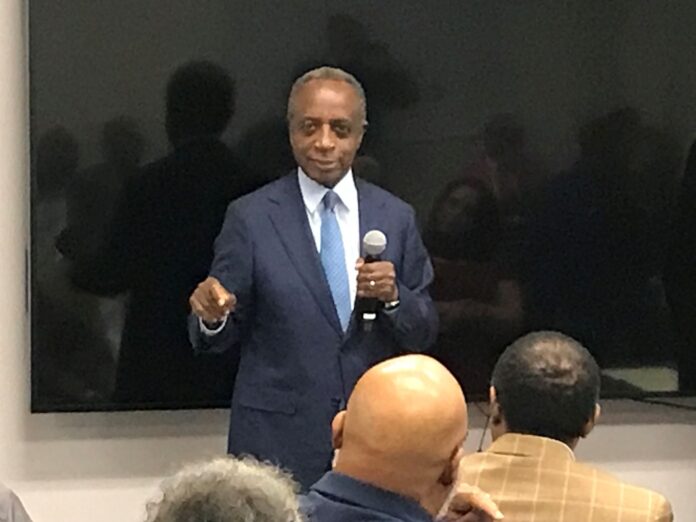
Michael Thurmond appears at Columbus town hall meeting/NowGeorgia.com

Democratic gubernatorial candidate Michael Thurmond was in Columbus spreading a message of hope ahead of his keynote address at the NAACP’s annual Freedom Fund Banquet. Thurmond stopped by the local state delegation’s town hall meeting where we caught up with him.

“These are difficult times, but these are not hopeless times,” Thurmond said. “I’m encouraging all of our members of the NAACP, the community to keep up the fight, to be able to have the courage and determination to continue to fight for rights of all Americans, all citizens. These are difficult times, but these are not hopeless times.”

Thurmond said today’s issues facing Georgians are not a black or white thing. “First of all, extending healthcare to all of our citizens that’s not a black thing or a white thing, it’s the right thing. Feeding children who are facing food insecurity is not a black thing, a white, Hispanic or Asian thing, it’s the right thing.”

In today’s divisive political climate, Thurmond said he’s willing to be the bridge. “I’m convinced that a majority of Georgians of all races, colors and creeds and political persuasions will stand up for what is right. Sometimes in order to build a bridge you have to be the bridge and I’m willing to be that bridge.”

If elected Thurmond said he would “absolutely” expand Medicaid. “I believe that there are Republicans who would join with Democrats under the right scenario to expand Medicaid in the state. It’s a disgrace that people are getting sick and possibly dying because of the lack of access to affordable healthcare. We will change that as your next governor.”

Friends and family say goodbye to Chuck Leonard

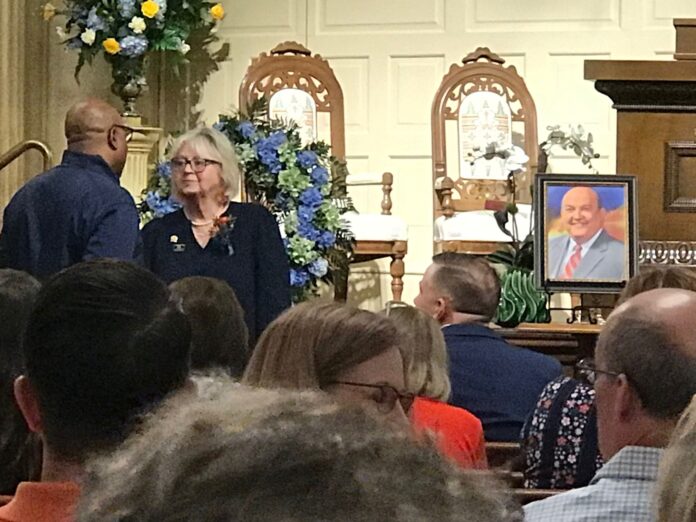
Chuck Leonard Memorial (Robbie Watson)/NowGeorgia.com

Friends, family and former colleagues lined up to remember Chuck Leonard at First Baptist Church Saturday January 10, 2026. Born Charles Leonard Mashburn September 1, 1954, he was known to the community as Chuck Leonard a longtime broadcaster and morning news anchor.

His friends and family said he was able to connect with people because he cared deeply about people. Leonard knew the people behind the camera by name, and he was remembered as a master trivia buff and jokester. “Chuck Leonard is in heaven and heaven will just have to adjust,” said pastor Jimmy Elder.

Jim Accordino said Chuck was his “phone a friend” for trivia matters noting that Leonard could recite the United States of America in alphabetical order and tell you who won the World Series and what year. Leonard would also pull occasional pranks with his prosthetic leg, not many people knew about.  “I miss you Charlie,” Accordino said.

Leonard died December 19, 2025, after a brief illness and just one day shy of Chuck Leonard Day in Columbus.  December 20, 2019, was declared Chuck Leonard Day when he retired after 38 years on air for the local ABC affiliate WTVM.

Habersham school board to elect officers, consider technology business Monday

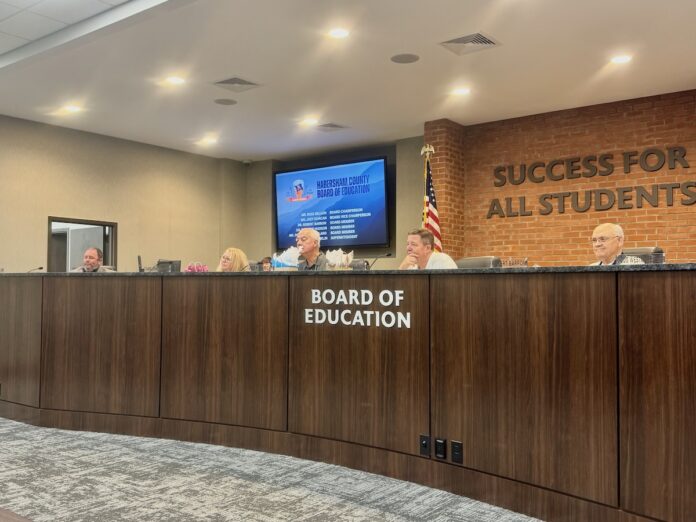
The Habersham Board of Education listens to updates in technology at its January work session. (Patrick Fargason/Now Habersham)

The Habersham County Board of Education will meet Monday evening to elect its officers for 2026 and take up routine business following a work session held Thursday, Jan. 8, that highlighted technology upgrades and continued enrollment growth across the district.

The meeting is scheduled for 6 p.m. Monday, Jan. 12, at the Habersham County Schools Central Office.

At the start of the meeting, board members are expected to elect a chairperson and vice chairperson for the new year.

During last week’s work session, district administrators outlined recent investments in classroom technology, network infrastructure, and digital learning tools, along with steady increases in student enrollment. Officials also discussed how that growth is affecting staffing needs, facilities, and long-term planning.

Monday’s agenda includes recognitions for recipients of the Peach State Federal Credit Union Extra Mile Award and Service Above Self Award, followed by public comment and reports from district finance staff and the superintendent.

The board is expected to vote on a consent agenda that includes per diem payments for December meetings and field trip requests. Under new business, board members will consider personnel recommendations, the monthly financial report, a bandwidth provider agreement with Habersham Electric Membership Corporation, and the designation of a fiscal agent for Habersham County Family Connection for fiscal year 2027.

Through God’s eyes

The Rubin Vase optical illusion illustrates one's ability to look past the obvious and see a deeper layer. The Book of Acts tells us the vision that blew open the doors of the church was that God’s sight does not stop at the surface level.

One of my favorite moments in all of scripture is in Acts, when Peter is invited to the house of someone who is neither Jewish nor a member of the same army that killed Jesus on the cross. It is here that God tells Peter that Jesus is bigger than the boxes we try to put him in. In a vision, he says to Peter, let no one call unclean what God has called clean (Acts 10:15).

As Peter communicates God’s acceptance to his host, he starts by saying God shows no partiality (Acts 10:34). Peter did not come up with those words himself; he is quoting what God said to Samuel as Samuel was searching for David, the youngest of his family and the least likely choice among his brothers, to anoint him King. For the Lord does not see as mortals see; they look on the outward appearance, but the Lord looks on the heart (1 Sam. 16:7).

The vision that blew Peter’s mind and blew open the doors of the church was that God’s sight does not stop at the surface level. The Lord does not get distracted by the clothes we wear, the car we drive, the money we make, or the amount of respect people show us. He sees through all of that into the parts of us we don’t show anybody and even hide from ourselves. His light shines through all of that down to the core so we can know, no matter what anyone else says, how deeply loved we are.

That’s a hard message to receive in a shallow world that judges our appearance. It’s hard for women to feel loved in the workplace if they have to work twice as hard as the men around them for their ideas to be taken seriously. It’s hard for people with darker skin or an accent to feel loved if strangers stop them in the street to ask for proof that they belong. It’s hard for people to feel loved if they grew up thinking they deserve to be treated a little better than everyone else, only to see life break that promise.

The vision that blew Peter’s mind and blew open the doors of the church was that God’s sight does not stop at the surface level.

The good news is that God’s love runs deeper than all of that. God can see through what we’ve been through and appreciate the person we’re trying to be. God looks with compassion on the wounds we are trying to cover up when we say or do things we later regret. God can show us the way forward when our heads are cast down in shame and our eyes are pointed at the ground. He knows us well enough to see through the masks we wear, and he is able to coax us out of the corners in which we hide.

My favorite thing about Peter’s story in Acts is that God is teaching us to see the way he sees. He is teaching us to look at another person’s face with enough love to reach down to the heart of things. He is able to span the distances between us with a spirit that won’t stay in the boxes any one church or family tries to put it in.

It makes me think of an old optical illusion in which one can either see two faces or a vase. Looking past the faces, I see a cup poured out for the world that promises to make clean what the world has called unclean, that sees our hearts and makes them whole, and that binds up a broken world by helping each of us hear that we are beloved and we belong.

_____

Rev. John Harrison is the pastor of Nacoochee Presbyterian Church in Sautee Nacoochee. He believes strongly in seeking Jesus among “the least of these” and making opportunities to turn strangers into a community. Born and raised in Georgia, he went to seminary in Texas and served for 8 years as a pastor in Missouri before moving back home. He is married with two daughters and enjoys coffee, movies and spending time outdoors.

Nacoochee Presbyterian Church is located at 260 GA-Hwy 255 N, Sautee Nacoochee, GA 30571 (across the street from Sautee Nacoochee Center). You can visit them online at nacoocheepresbyterian.org.

Primate

(NowGeorgia.com)

Primate is a serviceable entertainment with enough B-movie charms to justify its existence. It’s a movie that’s driven by its characters and atmosphere but it never forgets to give jolting gory thrills. Nothing more and nothing less.

The movie centers around three friends named Lucy (Johnny Sequoyah), Kate (Victoria Wyant) and Nick (Benjamin Cheng). Nick is Lucy’s friend as well as a potential love interest and Kate’s brother. Kate also invites another girl named Hannah (Jessica Alexander) without Lucy’s notice.

The four of them are headed to Hawaii,. Lucy’s home after she’s been away for far too long. There they meet her deaf father Adam (Troy Kotsur), a famous writer. They all.communicate through sign language with him.

The quartet meets Ben, a chimpanzee who is also able to communicate via a tablet with software. It isn’t long before things spiral out of control when Ben gets bitten by a mongoose and the chimp has developed rabies as a result.

Ben then goes a ferocious rampage but it’s learned that he has a fear of the water so the friends have to stay inside the indoor swimming pool while they strategize a plan to get help and stay alive.

The movie mostly takes place at night which provides ample opportunities for the chimp to terrorize his suspecting victims. There are some scenes where the characters do use their wits to and outsmart Ben. One of them involves getting a floaty.

Of course with this being a creature feature it’s just a countdown to the inevitable until the chimp goes ape by killing off some of the characters in gruesome fashion. The movie could’ve been a relentless gorefest and while some scenes are quite brutal, it’s surprisingly restrained.

There’s two boys that show up after the girls met them on their flight. They think they’re there to have fun but it’s predictable that they get caught in the crossfire.

The movie has a murky look with its violent scenes which I guess is so the movie is able to maintain an R rating and we can barely see what’s going on when Ben strikes, but it de-utilizes that technique too much to the point where we want to see at least gruesome scene play out in all its bloody madness.

Primate is a creature feature made with enough style and skill to entertain its target audience and as long as they walk in with those expectations, it’s satisfactory.

It’s more fun than a barrel of monkeys, but some part of me wanted it to go more ape than what we get in the end.

Grade: B

(Rated R for strong bloody violent content, gore, language, and some drug use.)

Click here for more movie reviews