

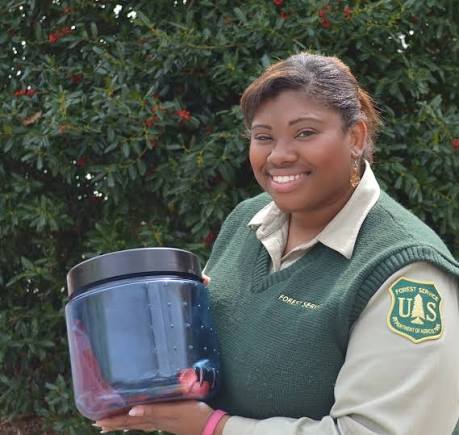
GAINESVILLE, Ga. — Hikers planning to spend the night along Georgia’s Appalachian Trail will soon have to pack something extra: a bear-resistant food canister.
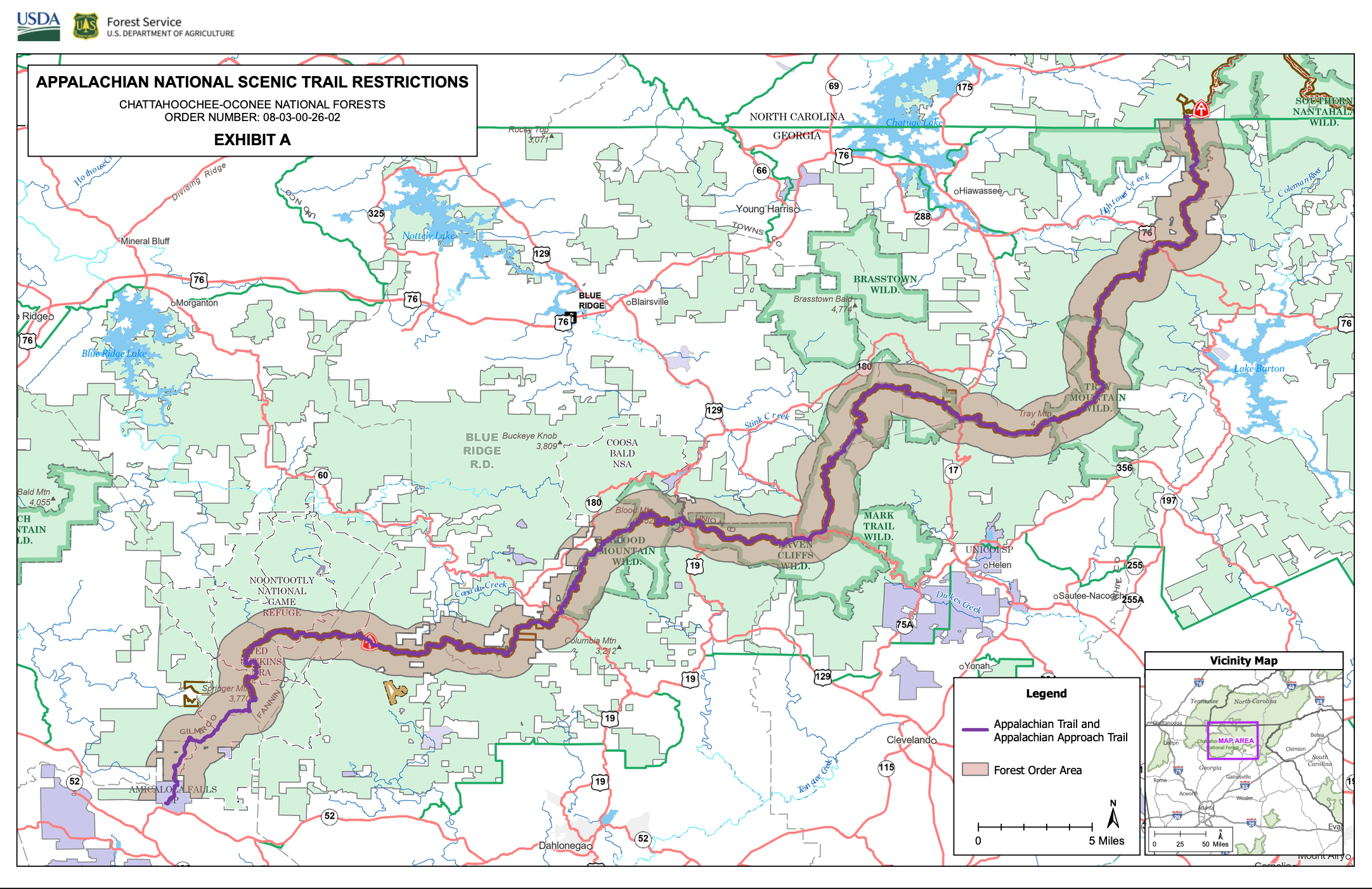
Beginning Jan. 1, 2027, the U.S. Forest Service will require overnight campers to carry and use hard-sided bear canisters along the entire 78-mile stretch of the Appalachian Trail in Georgia, including the Approach Trail.
The new rule comes as encounters between bears and hikers continue to raise safety concerns in North Georgia’s mountains.
While Georgia accounts for just 3.5% of the Appalachian Trail, it has been the site of more than 12% of reported bear encounters along the trail over the past decade, according to the Appalachian Trail Conservancy.
“With the Appalachian Trail going through the heart of North Georgia’s black bear habitat, we want the hikers who flock here to understand how incredibly valuable these public lands are – for people and for wildlife,” said Chattahoochee-Oconee National Forest Supervisor Judy Toppins.
What’s changing for campers?
The year-round requirement applies to all overnight camping within a half-mile of either side of the trail, including shelters and designated campsites equipped with food-storage facilities.
Campers must use commercially manufactured, hard-sided bear-resistant canisters to store food, food containers, garbage and toiletries. Traditional food hangs and flexible bear-resistant bags will no longer meet the requirement.
The Forest Service says canisters offer more reliable protection than hanging food from trees, a method some bears have learned to defeat.
Protecting bears from people
Black bears generally avoid humans, but their powerful sense of smell can draw them to campsites, backpacks and even toiletries.
Once bears discover an easy meal, they may return repeatedly, damage camping equipment and become increasingly bold around people. Bears that become accustomed to human food can ultimately pose enough danger that wildlife officials must euthanize them.
“Wild black bears typically go out of their way to avoid people, so taking precautions that do not tempt or encourage them to come closer reduces the potential for negative encounters,” said Adam Hammond, state bear biologist with the Georgia Department of Natural Resources.
The Appalachian Trail Conservancy has recommended bear-resistant food storage since 2017, but the new Forest Service order makes hard-sided canisters mandatory in Georgia.
With more than half a million visits to Georgia’s Appalachian Trail each year, including thousands of aspiring thru-hikers each spring, officials hope the change will reduce conflicts while protecting the state’s thriving black bear population.
Don’t miss what everyone in town is talking about.
Join 4,000+ locals and choose our free newsletter covering news, events and the stories shaping our region.