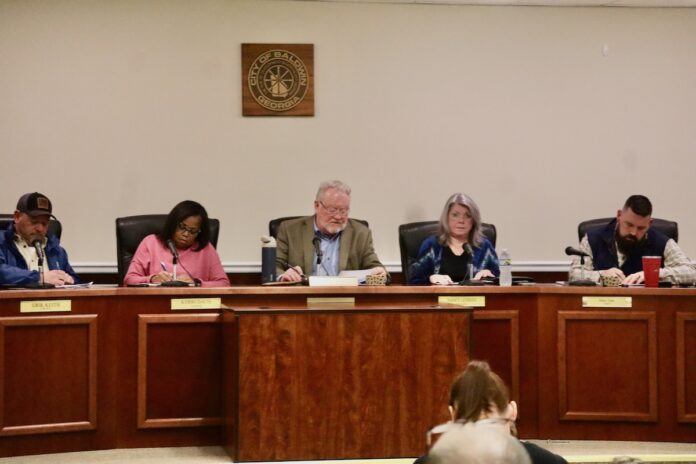
BALDWIN, Ga. — The Baldwin City Council voted Tuesday night to approve the next phase of the long-planned Chitwood residential development, while also holding an extended discussion on a proposed home rule charter amendment aimed at clarifying how and when the council meets.
Chitwood plat approved 2-1
The council approved a preliminary plat for 79 homes in the Chitwood development by a 2-1 vote, with Councilwoman Nancy Lehman casting the lone dissenting vote.
Mayor Doug Faust said the development itself was approved years ago and that Tuesday’s action involved only a small portion of the overall project.
“Chitwood Homes was approved for development years ago from the City Council,” Faust said. “There’s in excess of 500 housing units there that was not approved within the last few months. That was approved some years ago.”
Faust said the request before council involved 79 homes located in Pods D and F.
Why the issue returned to council
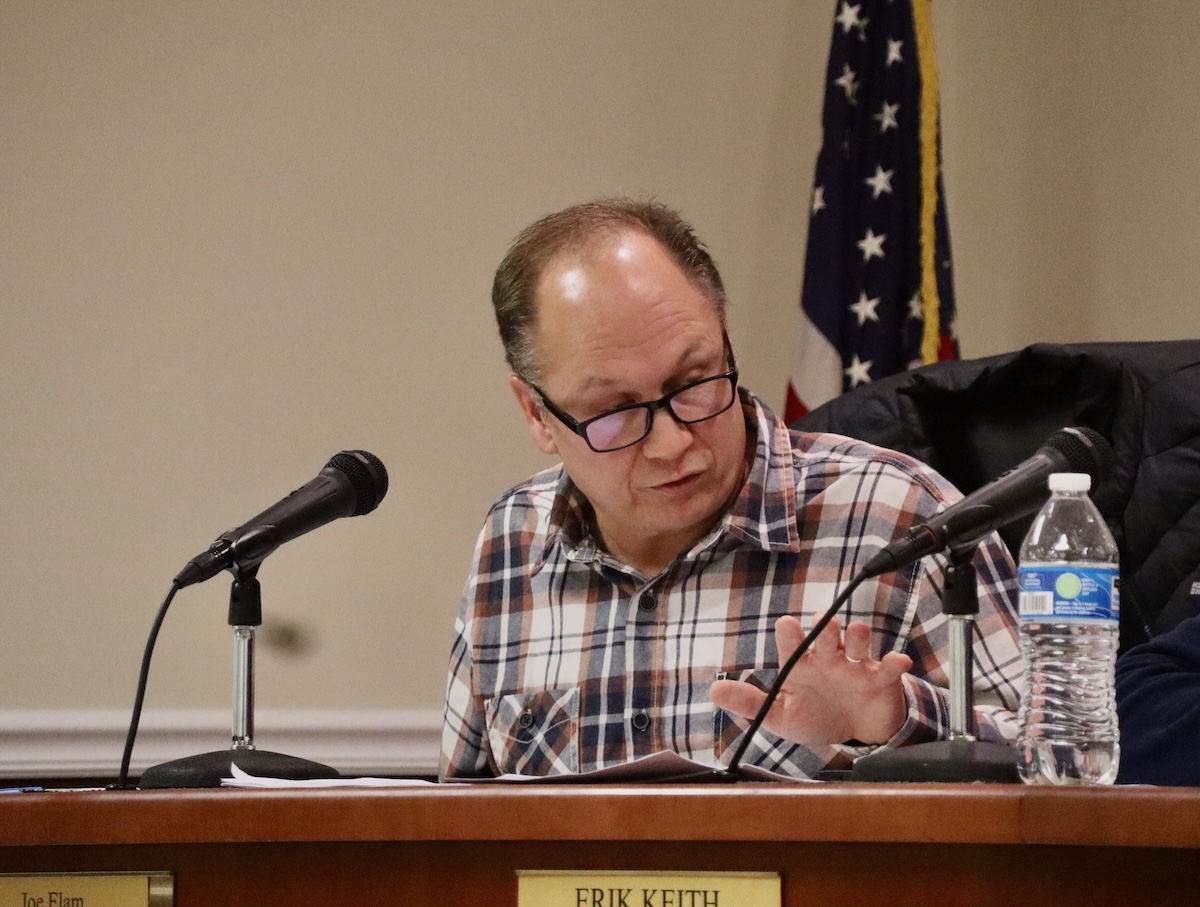
Councilman Joe Elam asked why the development returned to council when many projects resolve such matters earlier in the process.
Faust said the original plat approval was delayed beyond its allowed timeframe, prompting the city to require a new plat submission if the developer wished to proceed.
The city engineer was then asked to verify water and sewer capacity for the proposed homes.
“He has completed that and provided correspondence that indicated that the 79 homes are fine to move into our system,” Faust said.
Faust said his recommendation was to approve only the 79 homes until negotiations are completed regarding the remainder of the property.
Elam said the project has received more scrutiny than most because of its size and long-term impact.
“This particular one was so unique to the city that council thought it was wise to step through those,” Elam said. “We do have the benefit of having multiple looks at this project as it moves forward.”
Utilities, fire protection and access
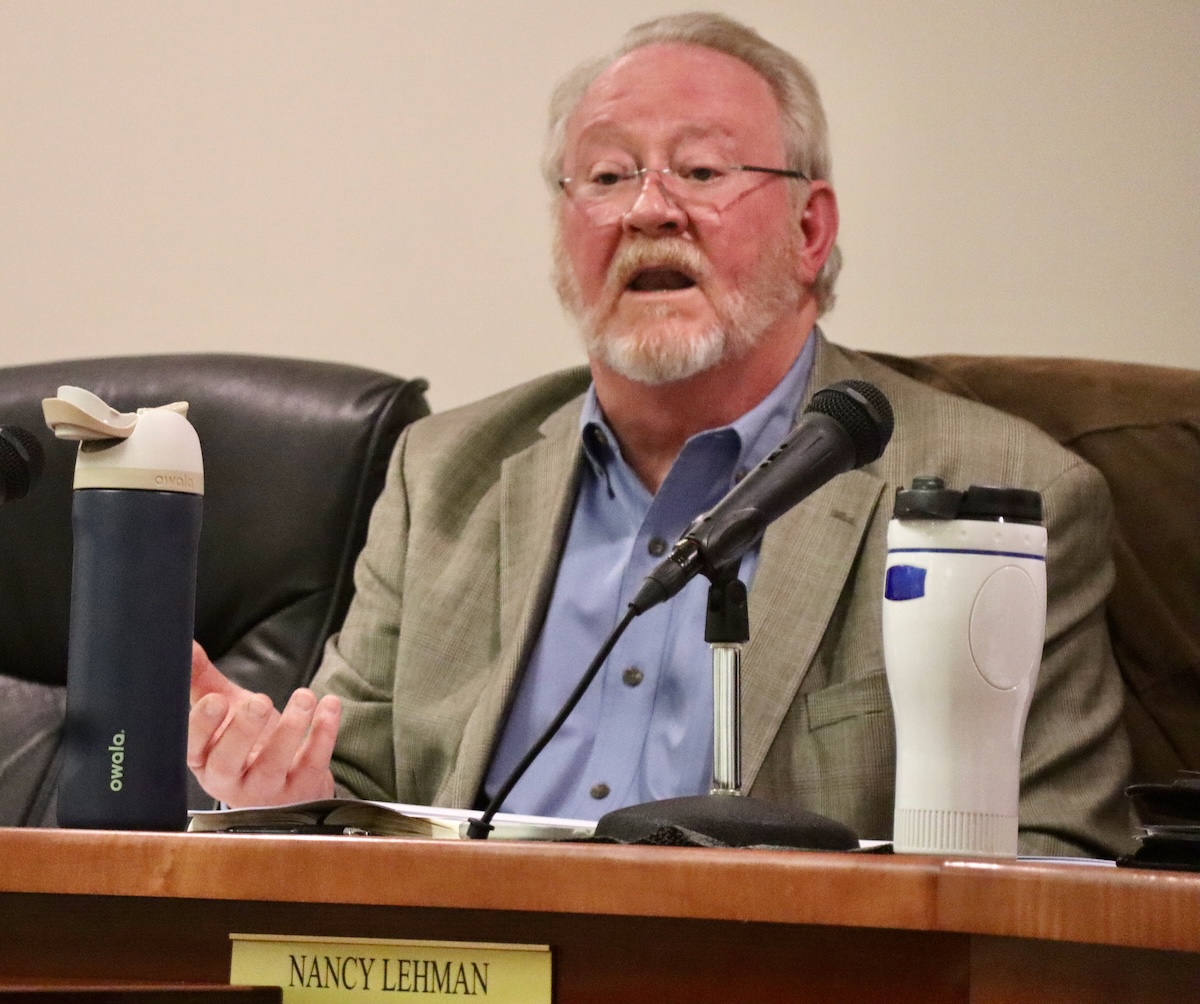
Faust said the engineer determined the additional homes would place minimal demand on the city’s water and sewer systems.
“If there was a large rain event that would kick us over the top, this is 20,000 gallons,” Faust said. “Out of our capacity of 800,000 gallons, that is a very small number.”
Faust noted, however, that residential growth brings additional demands on city services.
“Anytime you build homes, it does require additional police, fire services and administrative services,” he said.
Lehman questioned whether the developer had committed to building a fire station or police facility. Faust said the developer has offered land but not construction.
“They have offered to provide land,” Faust said. “There has been no offer of actually building the station.”
Faust said the 79 homes fall within the city’s current fire service range but warned that future phases farther south could fall outside that distance unless additional facilities are addressed.
Lehman also raised concerns about emergency vehicle access.
“Our trucks can get there as best as they can with the R-cuts designed by the Department of Transportation,” Faust said. “It’s quite a challenge.”
Faust said the city has begun discussions with GDOT to address those designs, noting the fire department was not consulted during the original planning.
Home rule amendment and meeting schedule
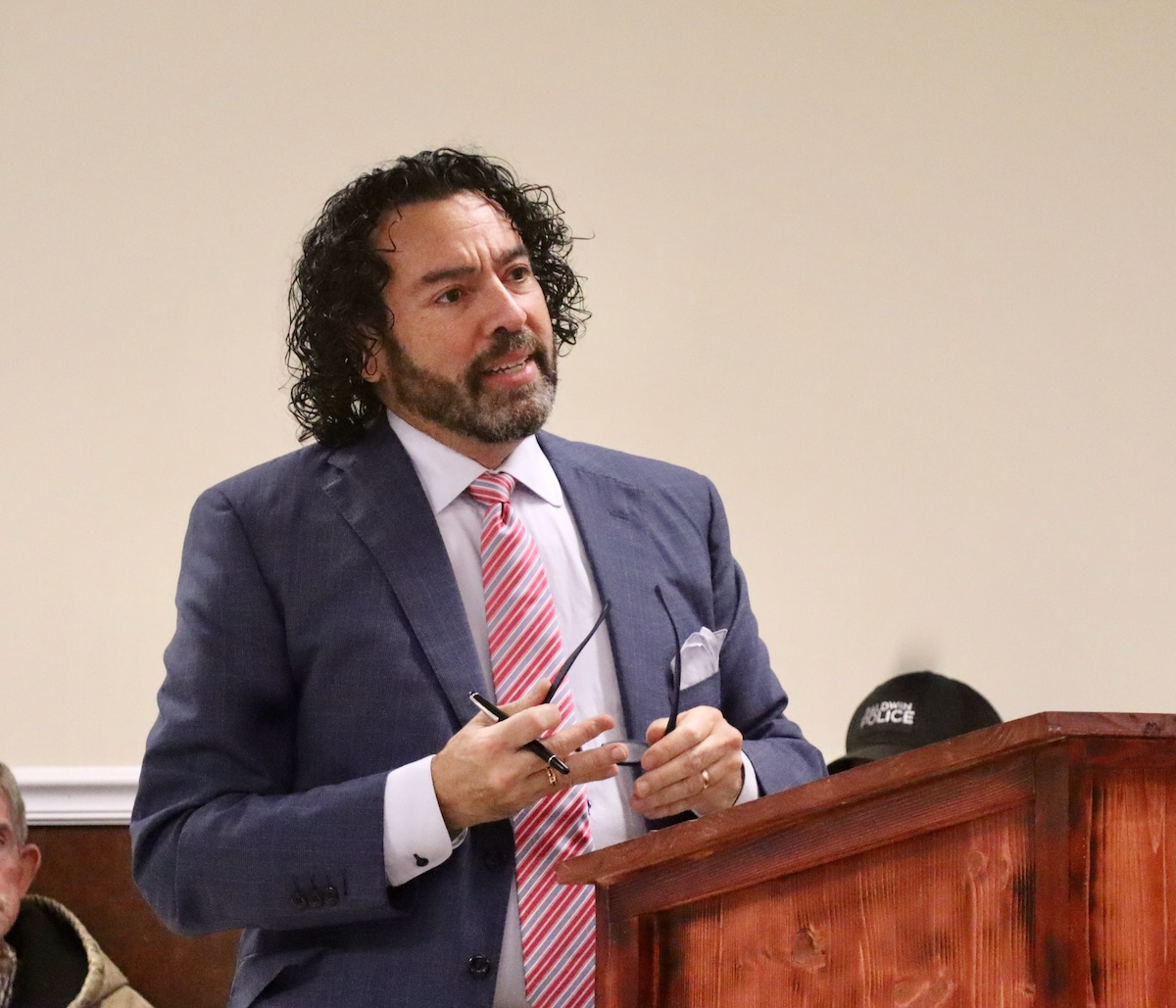
The council also reviewed a home rule charter amendment intended to clarify meeting dates and times and avoid repeated charter changes when adjusting the council’s schedule.
City Attorney Bubba Samuels said the amendment would not change the city’s form of government but would allow the council greater flexibility.
“You are not required by your charter to hold a work session,” Samuels said. “But it is certainly an appropriate tool to have a forum for discussion where there is no voting item on the agenda.”
Faust said the goal is to ensure transparency while complying with Georgia’s open meetings laws.
“In order to conduct the business of the city, we must have communication in an open setting like this,” Faust said.
Faust also addressed public questions about compensation, noting council members are paid $100 per meeting and the mayor $150 per meeting, with no additional pay for other city work.
Elam said he could not support a structure that would effectively double elected officials’ pay.
“For me to approve doubling our pay does not move toward my agenda,” Elam said. “So I cannot support four paid meetings in a month.”
Elam said he favors two meetings per month but prefers combining discussion and action into each meeting rather than holding separate work sessions.
“Government was made to go slow for a reason,” he said.
Councilman Mike Tope agreed, saying the council needs the ability to take action at both meetings to avoid special called meetings.
“We need to be able to take action,” Tope said. “Otherwise, we end up spending money on special meetings anyway.”
Lehman said her concern is ensuring council members have enough time to review information before voting.
“When we had one meeting a month, there was too much information and no time to consider it,” she said. “That was not a good plan.”
Flock cameras tabled
A proposed agreement with Flock Safety for license plate reader cameras was tabled until the council’s Feb. 17 meeting.
Faust said the delay will allow a memorandum of understanding to be drafted and reviewed by legal counsel before the council considers a vote.