

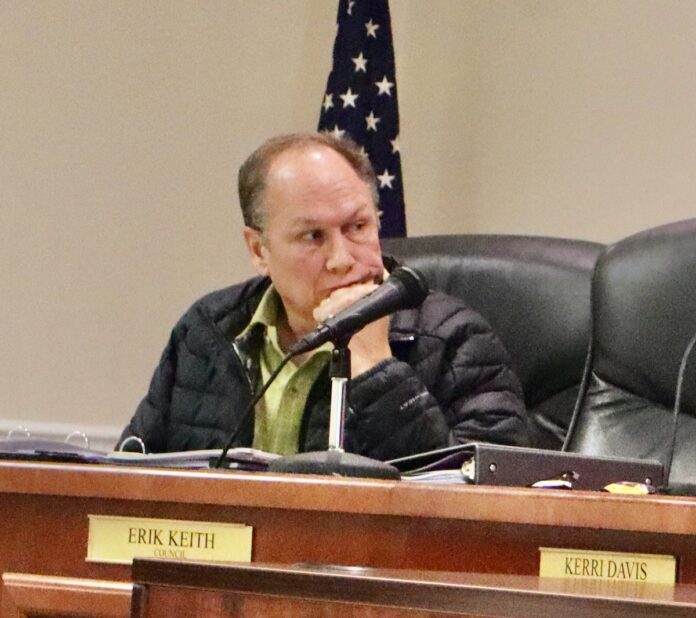
BALDWIN, Ga. — Baldwin City Council members debated competing proposals for the city’s property tax rate Tuesday, with disagreements over how much revenue the city needs, how aggressively it should pursue delinquent taxes and whether it should rebuild its financial reserves.
The council could not take final action on the 2026 millage rate because of a public notice issue. City Attorney Sammy Tomasello explained that although the city had published the required five-year tax history and millage information, the notice for the Nov. 3 meeting did not specifically identify it as the meeting when council would take final action on the rate.
State law requires the notice to identify the meeting at which the final millage decision will be made. Council members could discuss the rate Tuesday, but they could not vote to approve it. The city must properly advertise another meeting before taking final action.
“You can consider. No final action for approval can be taken tonight,” Tomasello told the council.
Finance Director Angela Adams reviewed the city’s tax digest and the calculations used to determine a revenue-neutral rollback rate. Baldwin’s 2025 millage rate was 11.99 mills. Because of a decline in assessed property values following reassessments and appeals, Adams said the rate would need to increase to 12.166 mills in 2026 to generate approximately the same property tax revenue.
The rollback rate accounts for changes in the tax digest, including reassessments and new growth, to determine the rate that would maintain approximately the same overall revenue. Adams said the 12.166-mill rate would generate an estimated $1.61 million.
Adams said the city’s projected property tax levy for 2026 was approximately $1.6 million. The city’s fiscal year 2027 budget includes about $1.4 million in property tax revenue. The previous year’s budget had anticipated approximately $1.6 million, although the city collected about $1.4 million.
Adams recommended a $209,000 budget amendment at the next meeting to bring projected property tax revenue in line with the budget. She said additional revenue could help rebuild the city’s fund balance, with a goal of maintaining reserves equal to 20% to 21% of the budget.
Council members offered different approaches to setting the rate.
Councilman Joe Elam proposed a rate of 11.1 mills, which he said would generate approximately $1.47 million in property tax revenue — slightly more than the $1.4 million budgeted for fiscal year 2027.
Elam provided Now Georgia with a copy of an email he sent to council members outlining his proposal. In a follow-up interview, he explained that he used the administration’s projected levy of $1,609,895.95 and the proposed 12.166-mill rate to calculate the estimated revenue represented by one mill. He then worked backward to identify a rate that would produce slightly more than the city’s budgeted property tax revenue.
Elam acknowledged his estimate assumes the city collects 100% of property taxes levied. He said he believes that is achievable.
“I am confident we should have 100% collections,” Elam told Now Georgia. “Property tax allows and demands just that. (I don’t like it, but it is law.)”
Elam also addressed concerns raised by Morrison and Mayor Doug Faust that the city’s fund balance had fallen to approximately two weeks of operating expenses. He said the current reserve level should not determine the millage rate because the revenue from the new levy would not be collected immediately.
“The current state of the fund balance has no direct correlation to the millage rate we are about to set,” Elam said. “At best we will collect on this millage in March.”
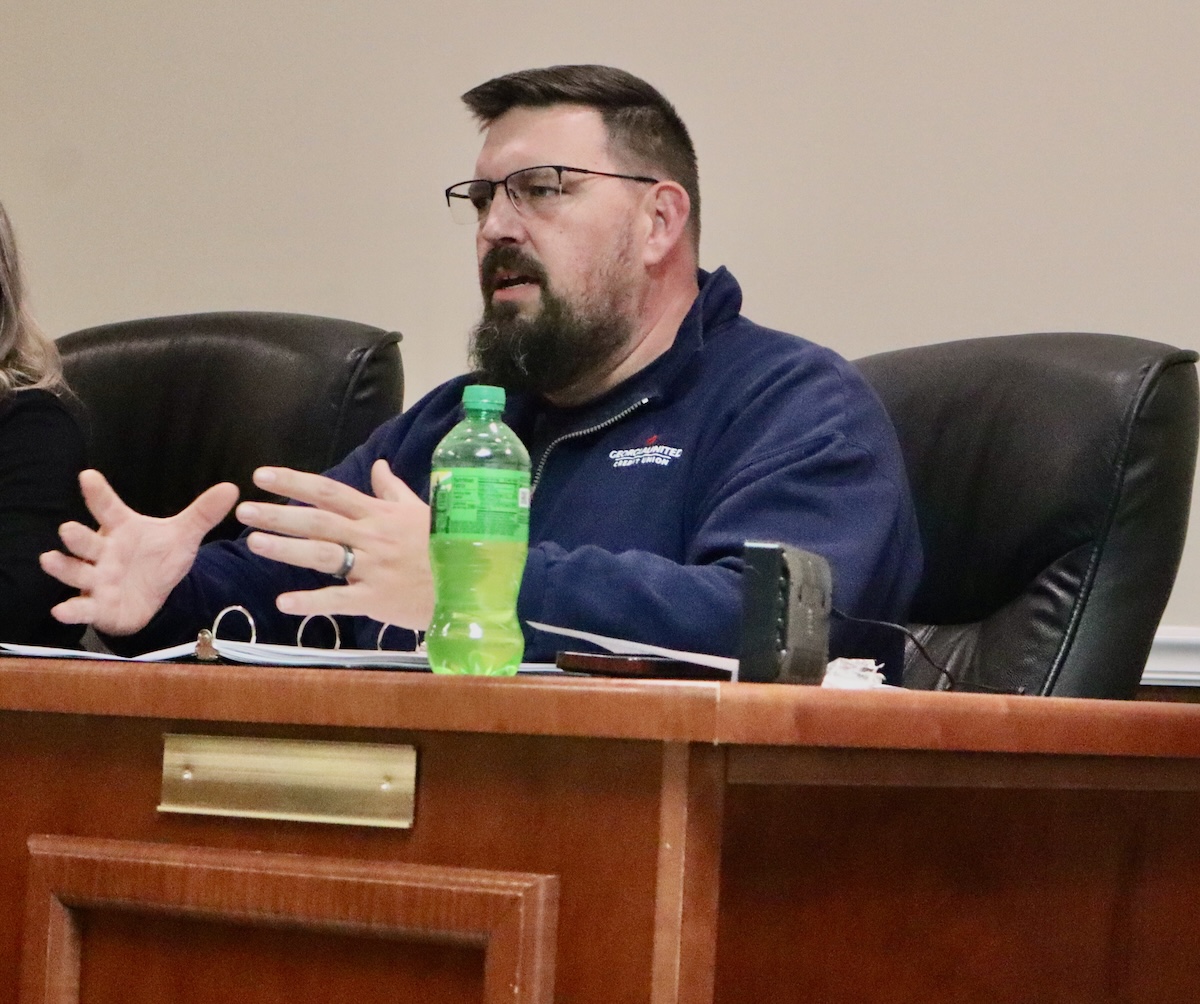
Councilman Mike Tope supported Elam’s proposal, saying the city should live within its budget and pursue delinquent taxes rather than collect additional revenue from taxpayers to compensate for accounts that have not been paid.
Tope questioned the city’s past collection practices, saying residents who failed to pay property taxes had not consistently received demand letters, final notices or warnings about liens. City Manager Tiera Morrison said the city recently sent letters and estimated those efforts had brought in between $40,000 and $60,000 in delinquent taxes.
Mayor Doug Faust and Councilwoman Nancy Leenman supported keeping the rate at 11.99 mills, the same as the previous year. Faust described that option as a tax break for property owners whose assessments had declined. Leenman said she favored maintaining the existing rate rather than adopting the 12.166-mill rollback rate.
Councilwoman Kerri Davis also opposed the proposed 12.166 rate. She said the city should set a rate closer to its budget needs, keep spending under control and consider the additional financial pressures residents could face from potential utility rate increases.
The debate also highlighted concerns about the city’s available reserves. Faust said the city had been drawing down its fund balance and had approximately two weeks of operating funds available. Adams agreed the city’s reserves were low, while noting that the city typically experiences a slower revenue period at this time of year.
Faust said some of the financial pressure stemmed from bills and expenditures from previous periods that were paid after the current budget was adopted. Adams confirmed those expenses had been paid from the fund balance rather than the current year’s operating budget.
Tope questioned whether the city’s financial challenges had developed over a longer period, suggesting the city may have historically overestimated revenue or underestimated expenses. He urged council members to examine spending across departments and pursue delinquent accounts.
Morrison defended the city’s spending practices, saying staff members were not making frivolous purchases and that expenditures generally involved necessary supplies, repairs and maintenance.
Council accepts audit
The council also formally accepted the city’s most recent audit, the only agenda item approved during Tuesday’s meeting.
Adams told council members the audit resulted in an unqualified opinion, which she described as a positive result for the city’s ability to obtain bonds and loans. An unqualified opinion is the auditor’s favorable opinion on whether financial statements are fairly presented in accordance with applicable accounting standards.
Adams said the recommendation before council was to formally acknowledge that members had reviewed the independent auditor’s findings and fulfilled their oversight responsibilities.
Faust praised Adams for the work involved in correcting journal entries, organizing financial records and preparing documentation for the audit. He said the process had been complicated by a period when the city did not have a finance director.
Elam asked about the city’s budget surplus. Adams estimated it was approximately $170,000 but said she would need to verify the figure.
The council tabled two other financial items. A proposed water rate study was postponed because City Engineer Fletcher Holliday could not attend the meeting. Council members also tabled a discussion of leak insurance options after Morrison said the city had not received answers from Serveline to three questions raised at a previous meeting.
The council is expected to revisit the millage rate after the city provides proper notice of the meeting at which members will take final action.
Don’t miss what everyone in town is talking about.
Join 7,000+ locals and choose our free newsletter covering news, events and the stories shaping our region.