

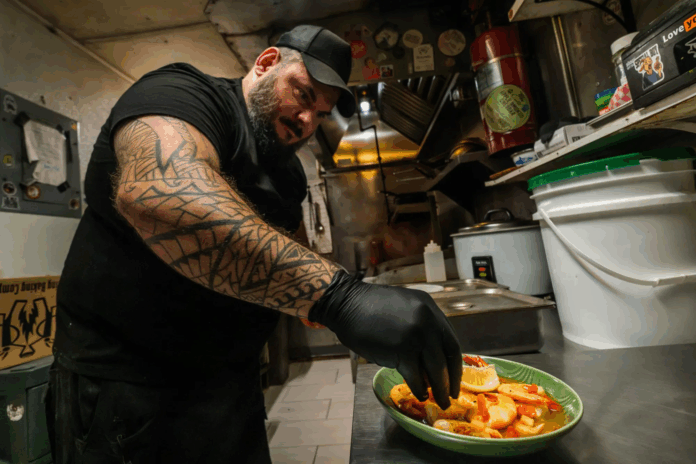
Coastal Georgia is known for its hospitality as well as its shrimp-abundant waterways and estuaries. However, not all restaurants along the coast source their seafood from local waters, even though they allow people to assume they do.
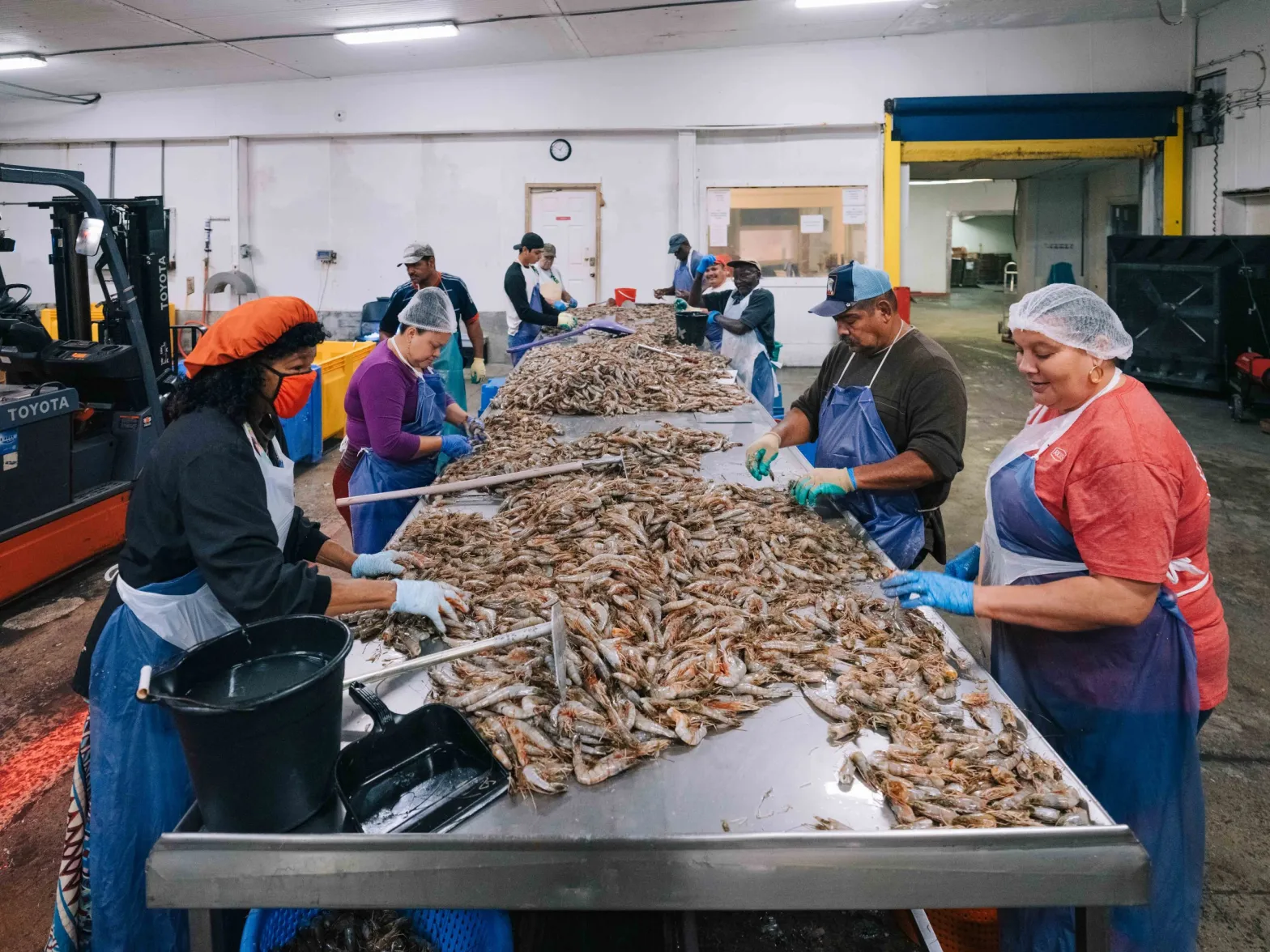
Foreign imports have flooded the U.S. market, selling farm-raised shrimp at lower prices and making it difficult for local shrimpers to compete.
A new state law, House Bill 117, took effect on July 1, turning the tide for both Georgia shrimpers and the state’s restaurants. The bill requires that all Georgia restaurants, excluding those operated by a state agency, disclose whether the menu items they serve contain foreign-imported shrimp.
The disclosure can be labeled either on the menu or on signs visible to the public. While HB 117 has officially been signed into law, it will not be enforced until January in order to give restaurants time to prepare. Chefs and restaurant owners around downtown Savannah, many food service establishments that sell imported shrimp, say they are in no hurry to update their menus.
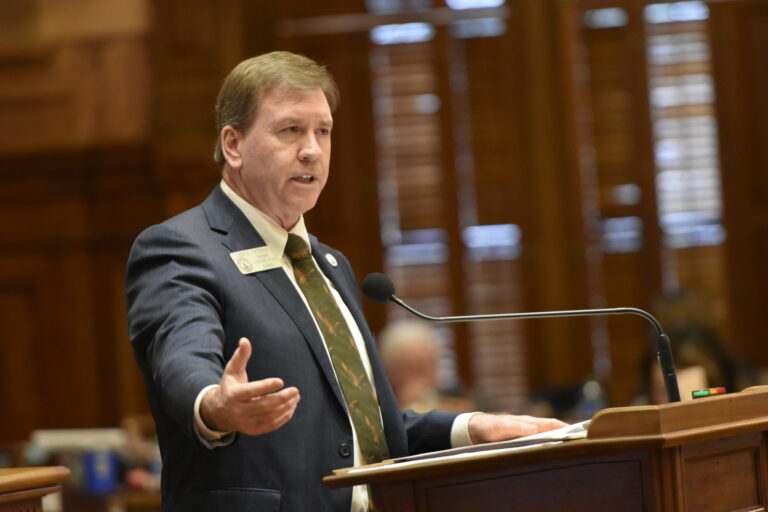
State Rep. Jesse Petrea, who represents parts of Chatham and Bryan counties, sponsored HB117. Petrea drafted the bill with the intent of providing transparency for consumers to make informed decisions about the seafood that they choose to buy.
“There’s a lack of information by consumers,” said Petrea, “and what you discover, if you dig superficially, is that we have huge problems with foreign imports having a multitude of things that cause them to be sent back.”
According to the U.S. Food and Drug Administration (FDA), 94% of all seafood consumed in the U.S. is imported, with shrimp being the most popular seafood product in the nation. Although federal programs serve to ensure the safety of our food, foreign imports are sometimes flagged or recalled by the FDA as unfit for consumption.
A notable instance of shrimp contamination that reached the mainstream media was coined as “radioactive shrimp.” In 2025, the FDA announced a recall of frozen shrimp imported from Indonesia for testing positive for Cesium-137 (Cs-137).
But the impacts of HB 117 don’t just concern safety; it’s also intended to keep Georgia shrimpers in business.
“If people think they’re eating domestic, as they usually do when they aren’t, then we have almost lost our entire shrimp and fleet,” said Petrea. “And when we lose that, when America can’t feed itself, that’s a loss that you don’t just fix overnight.”
From boat to fork
Some Tybee Island businesses such as Bubba Gumbo’s and Sea Wolf Tybee, take pride in serving fresh seafood and supporting local shrimpers.
Tom Worley, owner of Sea Wolf Tybee, explained that a shortened supply chain can lead to a better product when it comes to shrimp. By cutting out the middle distributors, restaurants are able to ensure that the safety and quality of the shrimp doesn’t degrade in transportation due to temperature fluctuations. Sourcing from local shrimpers also has the benefit of building trust and clear communication between restaurant owners and suppliers.
“You have a better control over what you’re eating when it comes from a closer source,” said Worley.
Food service establishments that sell imported shrimp for some portions of the year benefit from getting more bang for their buck as food distributors allow them to buy imported shrimp at a lower price for large purchases.
A general manager at Dockside Seafood in Savannah, Chase Crenshaw, said that the restaurant buys shrimp from Ecuador, a decision he said “just made sense” to them. He claimed that shrimp imported from Ecuador and Georgia shrimp is similar as far as taste and quality. Crenshaw said that while many restaurants use low quality shrimp to make a couple extra dollars, Dockside is willing to narrow its margins a little more to buy Ecuadorian shrimp. Crenshaw described local shrimp as being something that is hard for their restaurant to find due to the inflated cost.
“At the end of the day, we’re all out here trying to survive, and you know, we try and give the customers the best quality we can while also being able to make a couple dollars ourselves,” he said.
But while making a profit is, of course, essential for running a business, a disclosure on shrimp origin is long overdue as customers are often misled as to who is serving local shrimp and who isn’t. Even restaurants that decorate their walls with fishing nets and model shrimping boats may not be meeting the standards that their customers expect.
DNA tests conducted in 2025 found that only 10 of 47 samples of shrimp from 44 restaurants tested in Savannah, Tybee Island and Port Wentworth were American species. Tests from the Golden Isles — Darien, Jekyll Island, St. Simons Island and Brunswick — showed 43 out of 44 restaurant samples were wild-caught, American shrimp. This study ultimately boosted the approval of HB117 and revealed mislabeling and false perceptions about shrimp served in restaurants tested.
SeaD Consulting, the firm hired to conduct DNA tests, released a list of 10 restaurants that passed the test but did not name the restaurants that failed the test for locally sourced shrimp.
Some restaurant owners and managers say they felt the DNA results weren’t communicated fairly because the list released only names of those that tested positive for local shrimp. For example, Bubba Gumbo’s, a locally owned restaurant and marina on Tybee Island which serves shrimp fresh off the nearby dock, wasn’t tested, and therefore did not make it onto the “nice” list.
“It left all of it up to the consumer’s assumption, you know, with them saying only these restaurants were tested positive for selling domestic shrimp,” said Chris Gulser, executive chef at Bubba Gumbo’s. “That meant people immediately thought that we weren’t selling domestic shrimp.”
In spite of the initial public misunderstanding that resulted from Bubba Gumbo’s being excluded from the DNA testing, Gusler expressed the importance that restaurants on Tybee be transparent as to where they source their shrimp. When vacationing diners come to Tybee Island, they likely expect to get fresh, Georgia shrimp, he said.
“They’re expecting a specific product and they should be able to get that product,” said Gusler.
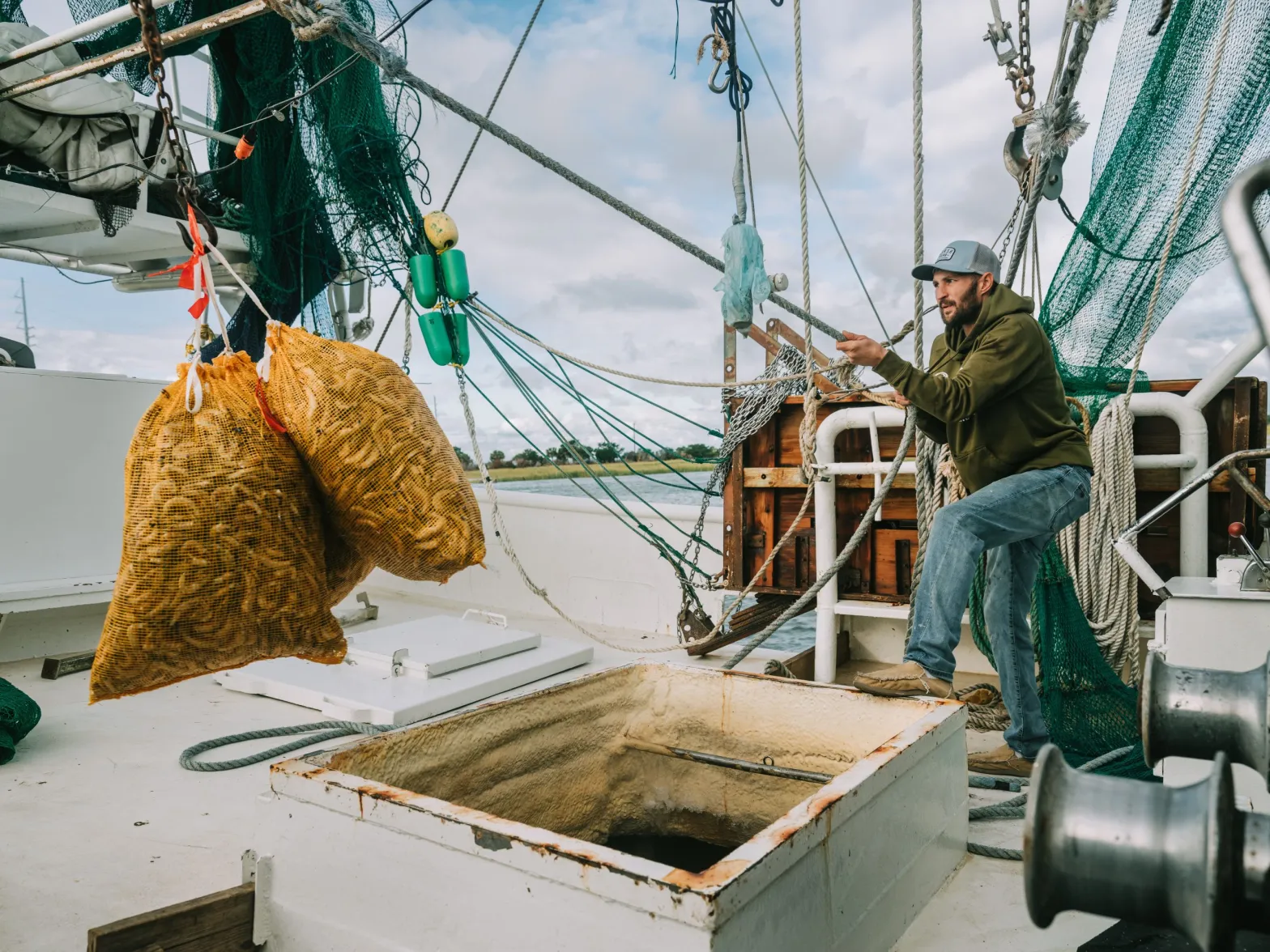
John Wallace, shrimper and owner of Anchored Shrimp Company in Brunswick, says that HB117 can be nothing but good for shrimpers and shrimp sellers. Wallace explains how foreign imports have the largest hand in controlling the cost of staying in business. In recent years, the profit margin for the local shrimping industry has dwindled, with the price of shrimp rarely keeping up with inflation.
“I was actually getting more for shrimp in 1979 than I am today,” said Wallace. “In 1979, my net cost me $400, which now has cost me $4000. Also, fuel back then was less than a dollar, and sometimes it gets between $4 and $5 now.”
Wallace believes that as HB117 begins to take effect, many consumers will begin to take interest in supporting local shrimpers.
“We can already see interest changing. You know, we’re getting more and more calls for the product,” said Wallace.
By Gracie Nelson, The Current
This article first appeared on The Current and is republished here under a Creative Commons Attribution-NoDerivatives 4.0 International License.
Don’t miss what everyone in town is talking about.
Join 4,000+ locals and choose our free newsletter covering news, events and the stories shaping our region.