

ATLANTA — The Georgia House Judiciary Committee is set to take up legislation Thursday that would criminalize certain forms of clergy sexual abuse, as a former student from Northeast Georgia prepares to share her story in support of the bill.
Senate Bill 542 would make it a criminal offense for clergy members to engage in improper sexual contact with individuals under their pastoral or spiritual authority, closing what advocates describe as a gap in Georgia law.
The bill already passed the Georgia Senate unanimously earlier this month and is now being carried in the House by Majority Leader Chuck Efstration.

Among those expected to testify is Hayle Swinson, who says she experienced abuse while a student at Truett McConnell University in Cleveland. Her testimony is expected to bring a local perspective to a debate that has drawn attention across the state.
“Adult clergy sexual abuse is real. It does not begin with force. It begins with trust,” Swinson said in a statement. “Survivors are often seeking faith, guidance, belonging, or healing—and instead encounter manipulation, coercion, and abuse.”
Swinson’s connection to Truett McConnell, a private Baptist university in White County, underscores the broader impact the issue can have on faith-based institutions in Northeast Georgia and beyond.
Under SB 542, consent would not be a valid legal defense if a clergy member uses a position of authority to initiate a sexual relationship—similar to existing laws governing teachers, therapists and law enforcement officers.
Advocates say the measure is designed to address what they describe as systemic abuse rooted in power imbalances, rather than isolated incidents.
Ruth Malhotra, a whistleblower connected to a high-profile ministry abuse case, is also scheduled to testify. She said the bill would establish long-needed legal boundaries for clergy and help prevent institutions from mishandling allegations.
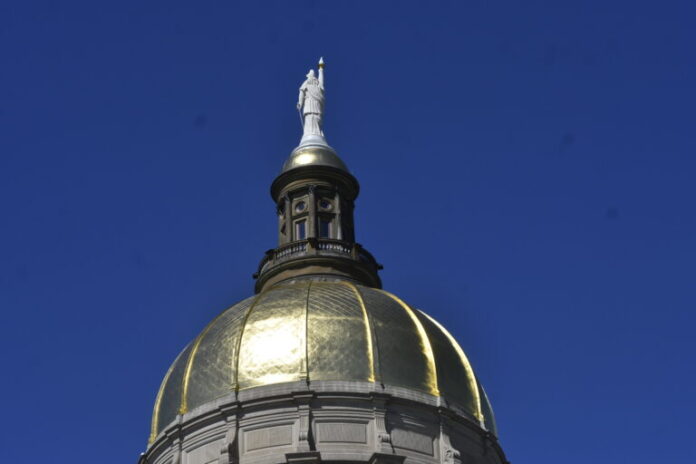
The hearing is scheduled for 1 p.m. Thursday at the Georgia State Capitol.
If passed, Georgia would join at least 14 other states that have enacted laws specifically addressing clergy sexual abuse. Supporters argue the legislation would provide clearer legal protections for adults who may be vulnerable in spiritual counseling relationships.
“Georgians deserve laws that recognize the reality of power dynamics and protect the vulnerable,” said Kim Nunes, legislative director for Clergy Law Reform.
For Swinson, the issue is both personal and urgent.
“I urge the passage of SB 542—for survivors of the past, for those suffering in silence today, and for those we still have time to protect,” she said.