As a winter storm threatens North Georgia with freezing rain, sleet and possible power outages, local professionals are urging residents to take extra precautions around trees and generators to reduce the risk of injury and property damage.
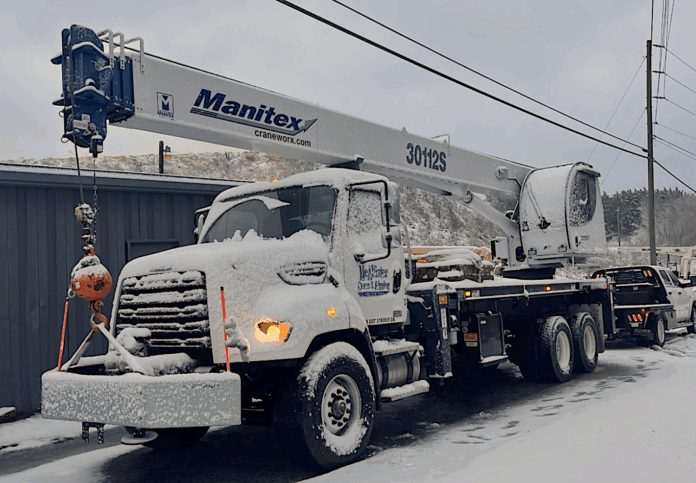
Chesney McAllister of McAllister’s Tree Service said ice accumulation can cause sudden and dangerous tree failures, often without warning.
“Stay away from trees and hanging branches—ice can cause sudden breakage,” McAllister said. She advised residents not to park vehicles beneath large limbs or heavily iced trees and to avoid touching downed limbs near power lines, which should always be assumed to be live. Homeowners should never attempt to remove icy branches themselves, she said, calling it “extremely dangerous.”
McAllister also warned that tree damage frequently worsens after ice begins to melt.
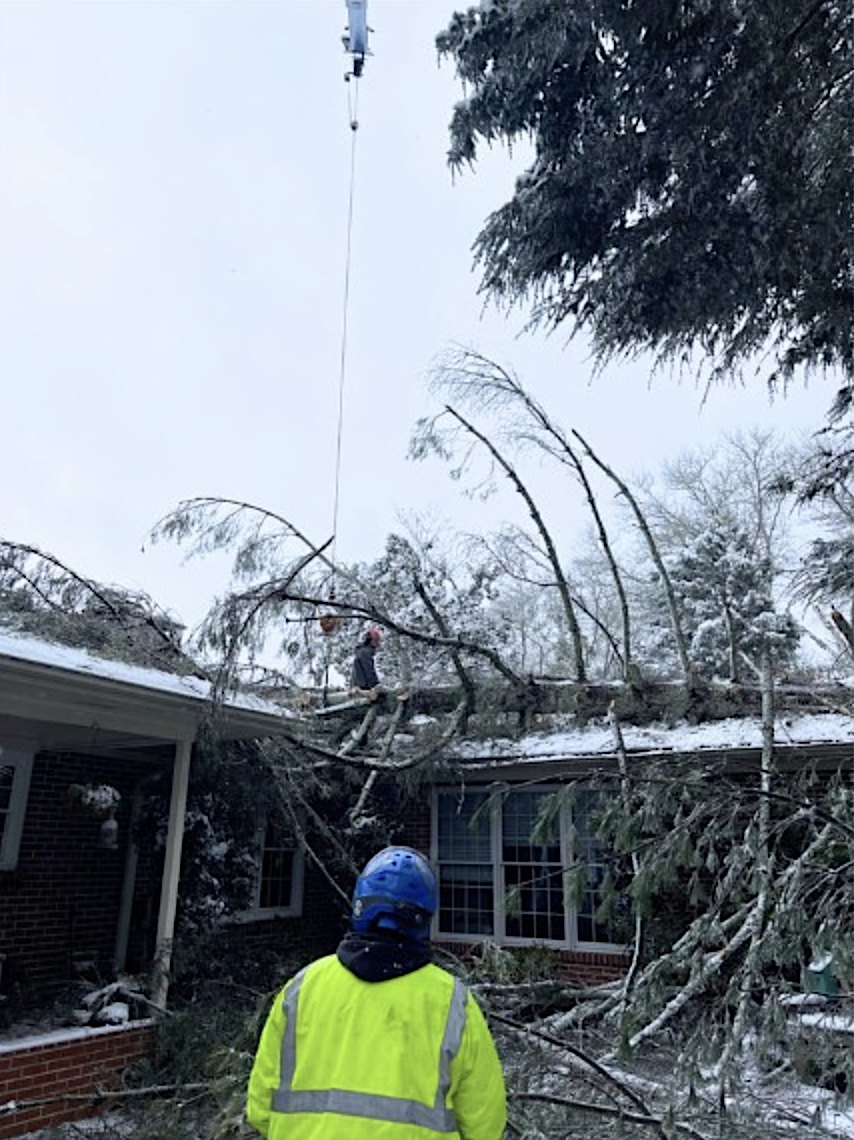
She recommends calling a certified, insured tree professional for post-storm inspections and cleanup and cautioned residents to avoid unqualified or “storm chaser” services offering rushed or risky work. McAllister’s Tree Service can be reached at 706-778-7527 once conditions are safe.
With power outages possible, local electricians are also stressing generator safety. David Herrin, a licensed electrician with Midway Electric, said improper generator use can create life-threatening hazards.
“The main thing is, people needs to really be using the generator, use it properly in a well-ventilated area and make sure they’re not back feeding power back out onto the power company line,” Herrin said.
Backfeeding—sending electricity from a generator into utility lines—can seriously injure or kill lineworkers and damage electrical systems, Herrin said. Safety guidance from the American Red Cross also advises keeping generators outdoors and away from doors and windows, never running them in garages or enclosed spaces, and using appropriate extension cords and equipment.
Local professionals emphasized that personal safety should come first during and after the storm. Residents are urged to stay clear of hazards, wait for conditions to improve before attempting cleanup, and rely on trained, insured professionals when help is needed.