

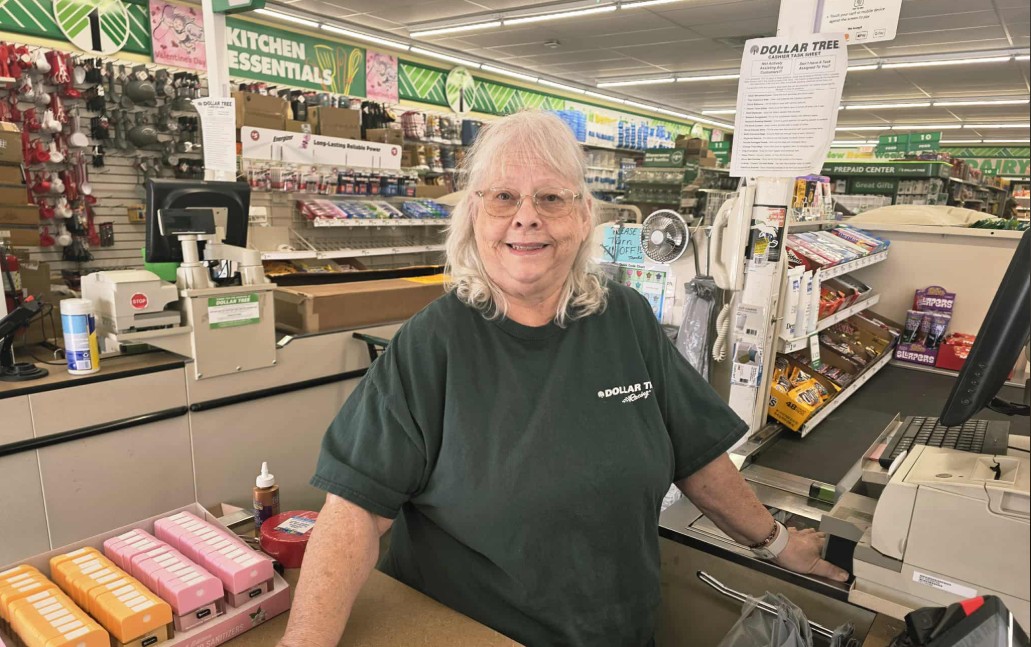
“The ’93 one was the biggest snow that we’d ever had. When it came down, it came,” Faith Wright said as she scanned items at the Dollar Tree checkout line.
When snow falls in Northeast Georgia, it presses into valleys and along fence lines, bows pine branches, and closes roads that people trusted the day before. In the Snowpocalypses of memory, it gathered, sometimes without mercy, piling itself against historic downtown bungalows, chicken coops, sprawling suburban estates, doghouses, and urban apartments alike.
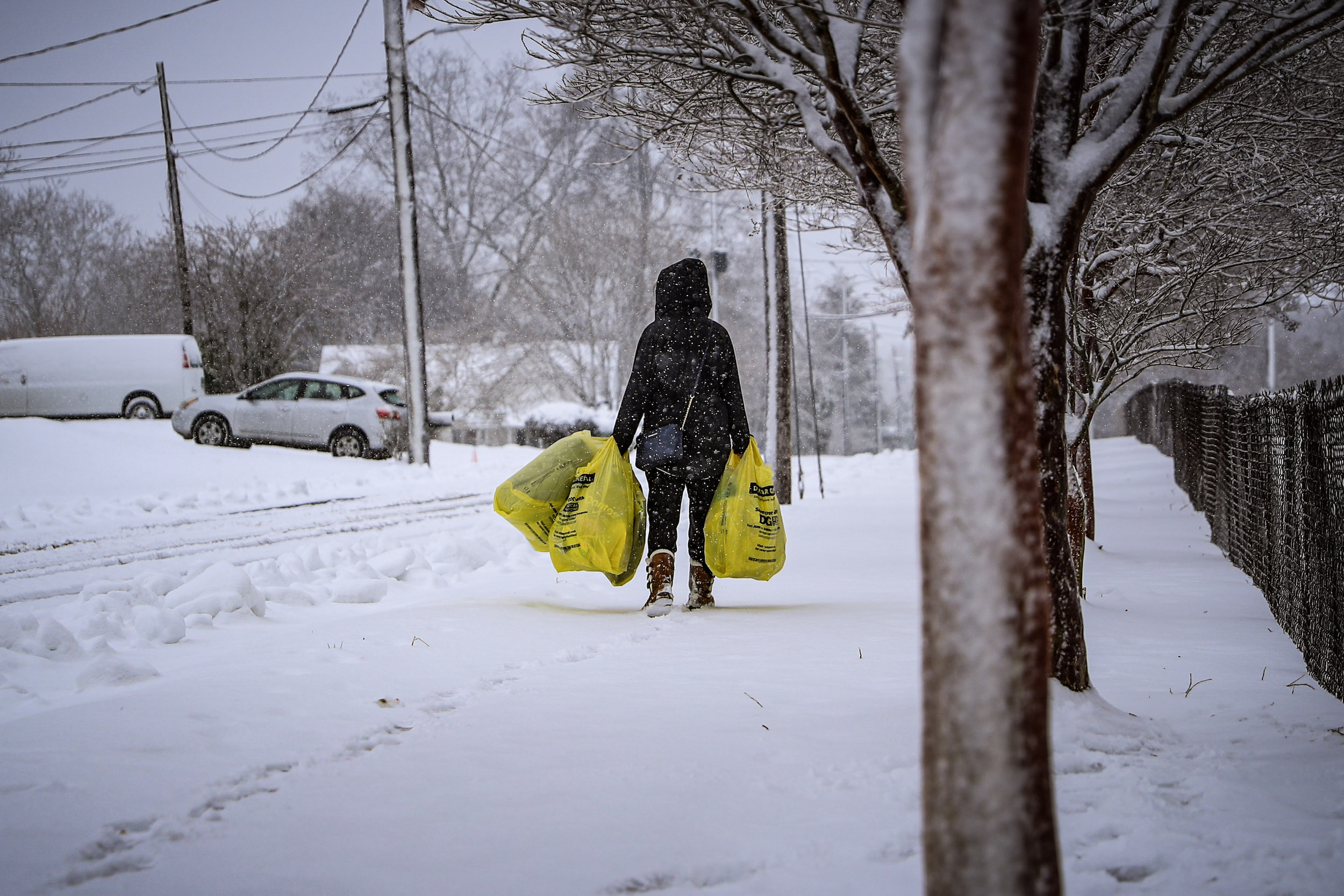
Grocery stores empty early, bread and butter and milk disappearing first, carts pushed fast down narrow aisles as last-minute shoppers try to outrun the storm clouds. Then the doors close. Cars remain where they stop, roads lose their edges, and towns shrink to the distance a person can walk without slipping, narrowing further into the path between the living room and the kitchen, into hot drinks and cookies, into grandma’s quilts wrapped around the shoulders like a Soviet Era babushka.
Snow Days of the Past
In Clarkesville and the surrounding hills, people return in memory to houses warmed by wood heat, built to hold it. Faith Wright remembers her mother standing at the family stove, feeding the fire, stirring pots, and letting the house settle into warmth like old bones steeped in a tub.
Faith remembers a winter when snow fell every Thursday in March for a full month, when elementary school children walked in poorly insulated rain boots that crunched over footpaths turned muddy and icy by dismissal. She recalls snow ice cream and explains the process with real warmth in her expression. “Someone stepped outside, scooped the snow fresh, carried it back indoors, and piled it with sugar and vanilla, then stirred it together at the kitchen table.
Yet not all winter weather carries such Laura Ingalls Wilder nostalgia. Readers also recall the ice of 2014, the outages that followed, and the long days without power, time spent by many trapped in motor vehicles along the highway. Thousands lost electricity for nearly a week. Others waited longer.
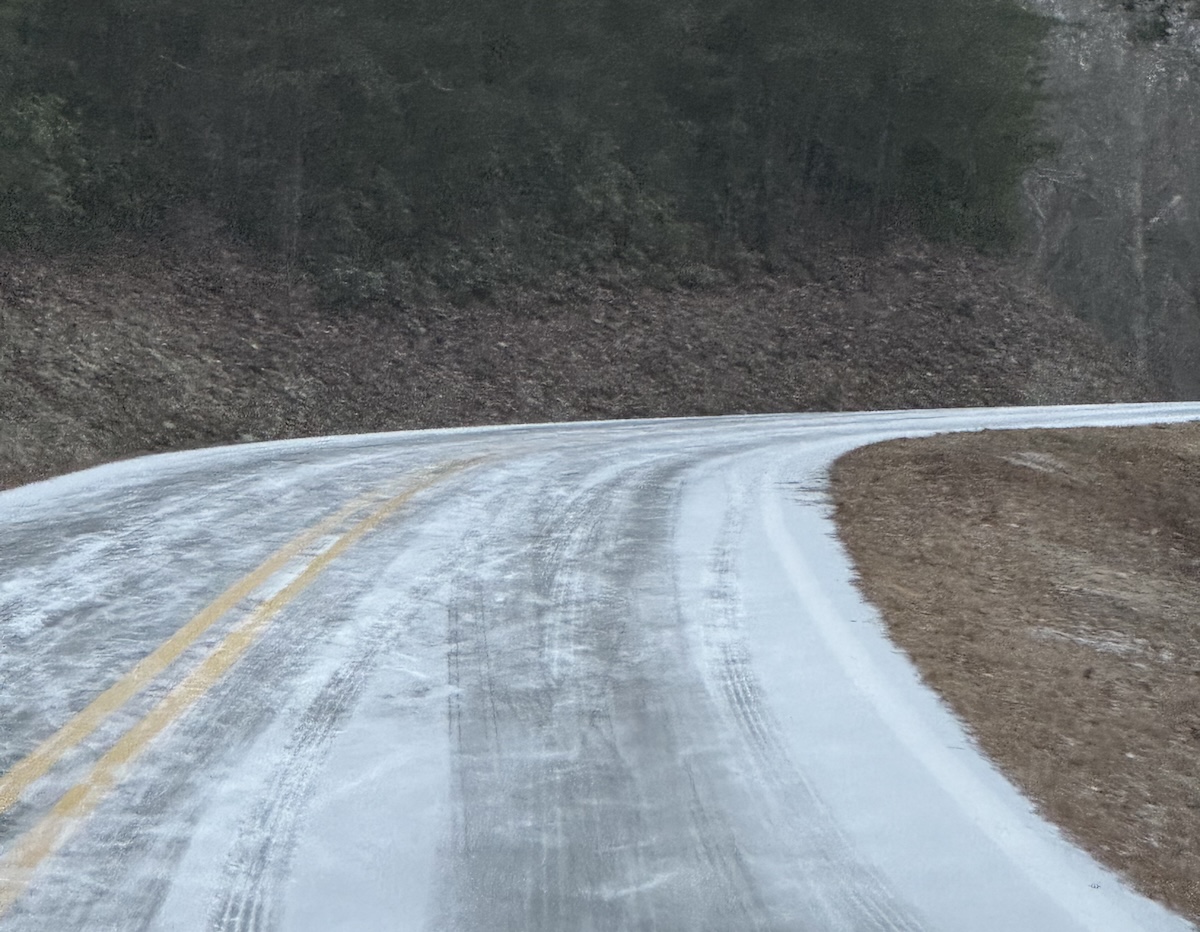
Gin Parks wrote, “In 2014, I was 7 months pregnant with my first child. We lived in Dahlonega at the time. Down a tiny mountain road. A tree fell on a truck on our road, and we were stranded there for 9 days! During that time, we completely and totally ran out of food, and by day 9 were eating peanut butter by the spoonful!!!”
No matter the decade, people learn to adapt, using outdoor grills for cooking, filling bathtubs so toilets still flush, priming flashlights with fresh batteries, and burning scented candles. By 2026, generators or fireplaces carry the load. Families still gather into single rooms and pass the time in ways that echo pioneers, with guitars and songs, books and jokes, and the simple pleasure of sitting together as wind presses against the house in waves, rattles the frame, and draws the eye to a pale moon hanging over a blanket of snow that replaces the usual brown Bermuda grass.
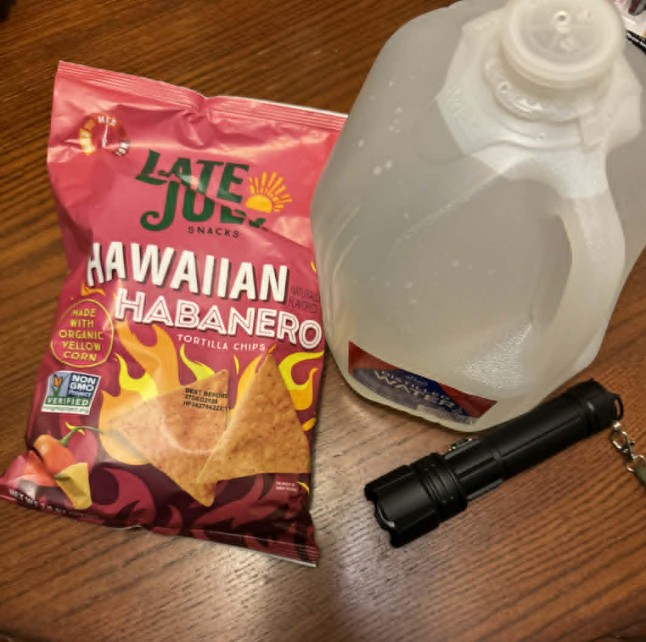
Another crucial aspect of snow days comes down to snacks: canned chicken noodle soup, crackers, boxed cookies, and other mission-critical foods when preparation goes right. Don Rowley shares his game-time lineup, rightly calling it “snow prep.” A man of admirable priorities.
While most play the waiting game, work continues where it must. Terry Watts writes,
“The snow storm of ‘93, I ran a motor grader with no heat in the cab for 5 days without sleep, clearing the roads from Dillard to Sky Valley. The dot truck was hooked to the back of the grader so he could run lights for safety, and the cars that were stranded kinda got pushed out of the road with the blade. Still, there was snow over the top of most of the cars; it was over the top of the front tires of the grader. Going up was a challenge, but coming down wasn’t so bad. Still, after that, we couldn’t maneuver in Sky Valley, so we took a caterpillar D6 and removed the snow from the roads inside Sky Valley. It was a week to remember.”
Adaption
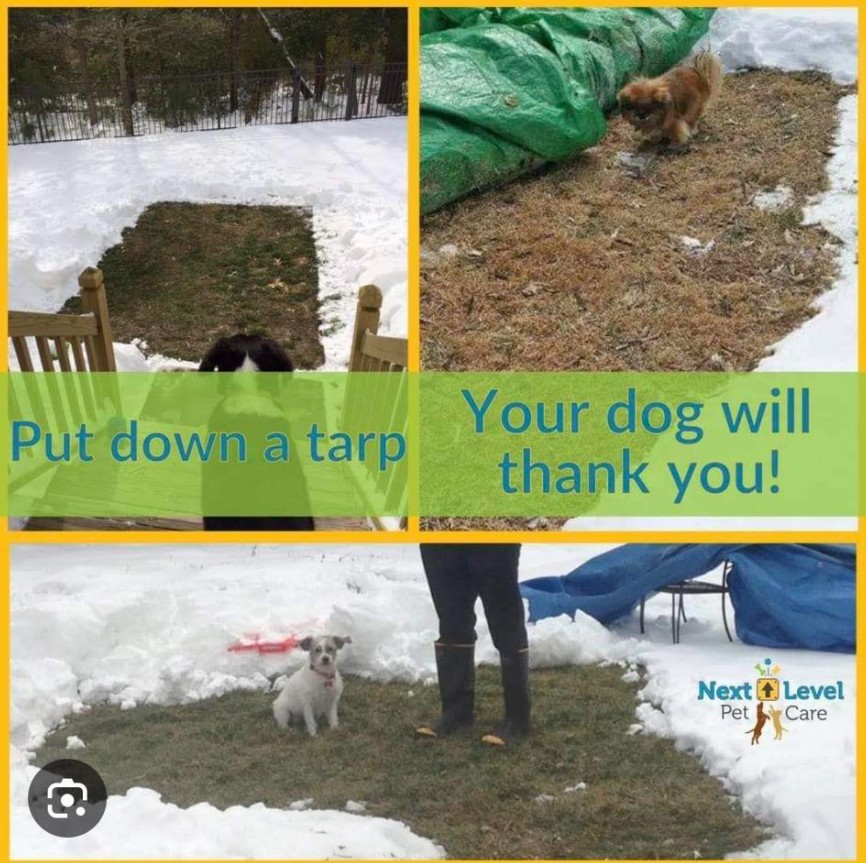
Others extolled ideas born of experience and necessity, laying tarps over steps before sleet arrived, scattering pine needles for traction, clearing paths for dogs, and checking on neighbors once travel allowed.
Storm after storm, decade after decade, Northeast Georgia learns the same lessons again and again, generation after generation. They improvise socks as gloves, pool inflatables as sleds, and kettles as cookpots in a landscape temporarily remade by ice and snow, where patience becomes currency and shared ingenuity carries households through until the thaw returns what winter borrowed.