


As Winter Storm Fern approaches, Northeast Georgia is preparing for the possibility of dangerous cold, freezing precipitation, and power outages that could last hours, even days, in some areas.
Forecasters warn that icy roads, downed trees, and power lines are possible as the storm moves through, making travel difficult and leaving some homes without heat. With temperatures expected to drop well below freezing, knowing how to stay warm safely if the power goes out could be critical in the days ahead.
The safest non-electric heat sources are insulation, containment, and body heat. These methods won’t warm an entire house, but they can keep people safe and comfortable until electricity is restored.
Here are some helpful tips to help keep you warm without electricity.
1. Insulation and heat retention (your first line of defense)
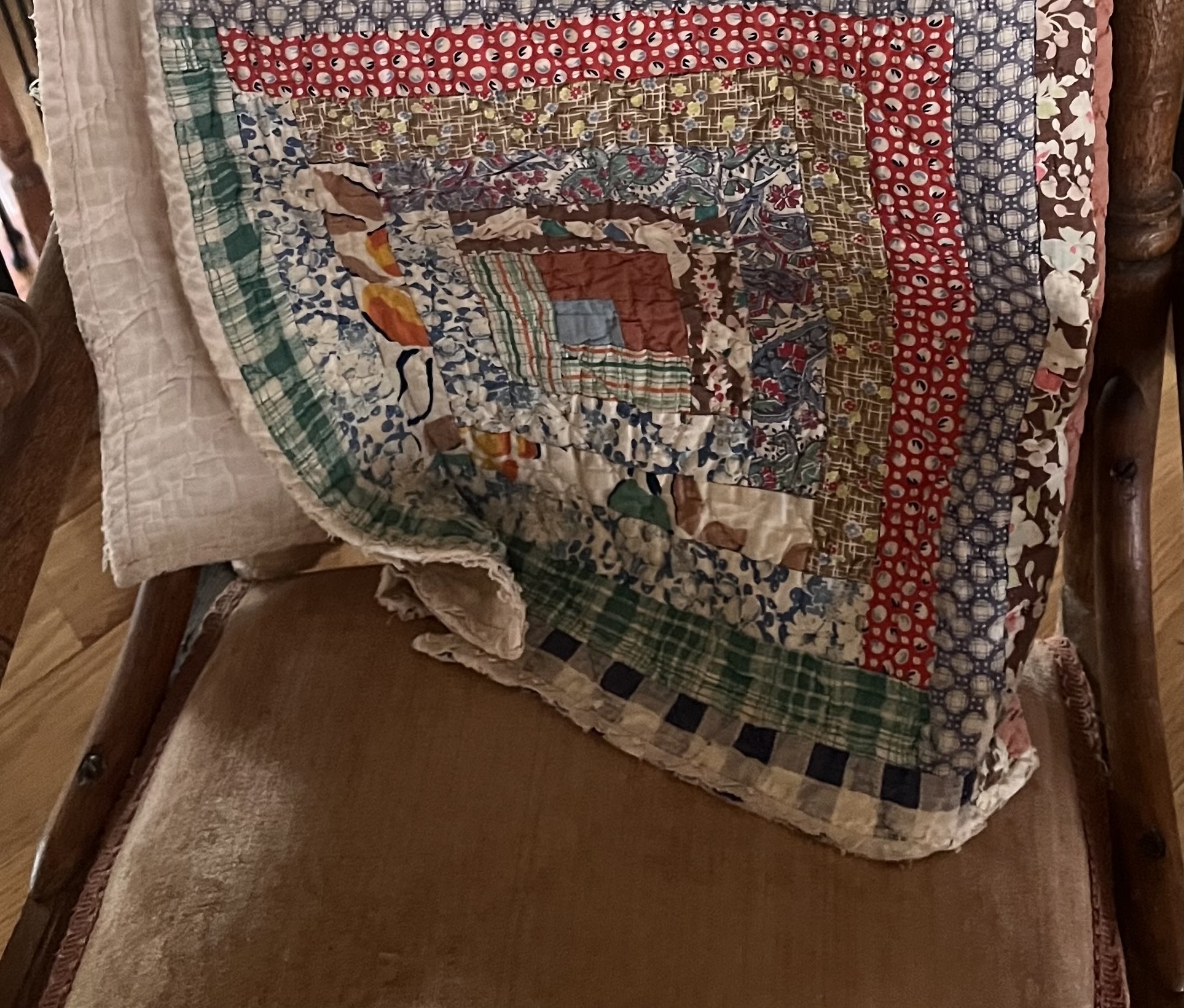
Blankets, quilts, and sleeping bags
Use multiple layers, especially wool or down. Sleeping bags rated for cold weather are particularly effective, even indoors.
Layered clothing
Wear thermal or moisture-wicking base layers, insulating mid-layers (fleece or wool), and a top layer to block drafts. Hats, socks, and gloves are essential — heat loss through the head and feet is significant.
Source: CDC, linked HERE.
Window and door insulation
Cover windows with heavy curtains, blankets, towels, or cardboard. Place rolled towels or clothing at the base of doors to stop drafts.
Source: Popular Science, linked HERE.
2. Use your home’s existing heat sources (if designed for it)
Fireplaces and wood stoves (properly vented only). A professionally installed fireplace or wood stove with a functioning chimney can provide safe heat if used correctly. Keep flammable materials well away, use a screen, and never leave fires unattended.
Some gas fireplaces operate without electricity and are designed for indoor heating. Only use units specifically rated for indoor use and follow manufacturer instructions.
Source: U.S. Fire Administration, linked HERE.
3. Body heat and smart room use
Create a “warm room”
Choose a small interior room with few windows. Close doors to unused rooms and concentrate warmth where people are gathered.
- Sleep together when possible
- Sharing a room — and even a bed (as long as the child is over 1 year old) — helps conserve body heat safely. This is especially helpful for families with children outside of infancy.
- Use pets’ warmth – Pets generate body heat too. Letting them sleep nearby can help maintain warmth.
4. Food, hydration, and movement
Eat warm, high-calorie foods
Your body generates heat by burning calories. Warm soups, oatmeal, or stews help raise core temperature.
Stay hydrated
- Dehydration makes it harder for your body to regulate temperature.
- Gentle movement
- Light movement (stretching, walking around the room) helps circulation and warmth — but avoid sweating, which can increase heat loss once you stop.
Source: American Red Cross, linked HERE.
5. Use light safely — not for heat
Use battery-powered lanterns and flashlights. These provide safe lighting without fire risk and reduce the temptation to use candles.
Source: National Fire Protection Association, linked HERE.
What to avoid during a winter storm
1. Candle-and-clay-pot “heaters”
The viral trick of placing a candle beneath an inverted clay pot does not safely heat a room. While the pot may feel warm to the touch, it does not meaningfully raise room temperature and still carries all the risks of an open flame, including fire and burns. In enclosed spaces, multiple candles can also increase carbon monoxide and indoor air pollution.
Sources:
U.S. Fire Administration, linked HERE.
Snopes (safety analysis), linked HERE.
2. Open flames for heat
Starting indoor fires — whether in makeshift containers, fireplaces not designed for constant heating, or improvised fire pits — is extremely dangerous. Sparks, embers, and radiant heat can ignite nearby furniture, blankets, or flooring. House fires increase significantly during winter power outages.
Source: National Fire Protection Association, linked HERE.
3. Candles used for warmth

Candles should never be relied upon as a heat source. While they may provide light, they do little to warm a space and pose a serious fire hazard, especially around bedding, children, pets, or heavy blankets used for insulation. If candles are used at all, they should be attended at all times and placed on stable, nonflammable surfaces — but battery-powered lanterns and flashlights are far safer.
Source: NFPA Candle Safety, linked HERE.
4. Fuel-burning devices indoors
Never use charcoal grills, propane heaters not rated for indoor use, camp stoves, or generators inside the home or garage. These devices produce carbon monoxide, an invisible and odorless gas that can cause serious illness or death within minutes.
Source: CDC, linked HERE.
5. Kitchen appliances as heat sources
Using ovens or gas stovetops to heat a home increases the risk of fire and carbon monoxide poisoning. These appliances are designed for cooking — not heating — and should never be left running for warmth.
Source: U.S. Fire Administration, linked HERE.
6. Alcohol to “feel warmer”
Alcohol may create a sensation of warmth, but it actually lowers core body temperature and increases the risk of hypothermia. It can also impair judgment during already risky conditions.
Source: Mayo Clinic, linked HERE.
7. A Critical Safety Note for Families With Infants
Avoid co-sleeping with infants for warmth

While sharing warmth is a common survival instinct during cold weather and power outages, co-sleeping with infants significantly increases the risk of accidental suffocation and Sudden Unexpected Infant Death (SUID) — especially in cold conditions when adults use heavy blankets, quilts, or multiple layers.
According to the Centers for Disease Control and Prevention (CDC), approximately 3,400 infants in the United States die each year from sleep-related causes, including suffocation, strangulation, and sudden infant death syndrome (SIDS).
Since the introduction of national Safe Sleep campaigns in the 1990s — including the “Back to Sleep” initiative (now called Safe to Sleep) — sleep-related infant deaths have declined by more than 50 percent. This reduction is strongly linked to placing infants alone, on their backs, on a firm sleep surface, without adult bedding or bed-sharing.
Cold-weather emergencies can unintentionally increase risk, as caregivers may bring infants into adult beds for warmth. Health experts strongly advise instead:
- Dressing infants in warm sleep clothing or wearable blankets (sleep sacks)
- Keeping infants in a separate crib or bassinet in the same room
- Avoiding loose blankets, pillows, or adult bedding in infant sleep spaces
- Infant warmth should come from appropriate clothing and safe sleep environments — not shared beds.
Sources:
CDC, linked HERE.
National Institutes of Health, linked HERE.
American Academy of Pediatrics, linked HERE.
A Note on Safety Myths
In emergencies, well-meaning advice spreads quickly, especially on social media. If a solution involves open flame, fuel, or enclosed heat, it’s worth checking guidance from fire safety or public health agencies before trying it.
When in doubt, insulation and body heat are safer than combustion.