
ATLANTA, Ga. — As national attention continues to focus on possible changes to federal marijuana policy, Georgia lawmakers say recreational marijuana legalization — and changes to state criminal law — are not expected during the 2026 legislative session.
At the federal level, the U.S. Drug Enforcement Administration is considering rescheduling marijuana from a Schedule I drug to Schedule III, a move that would acknowledge medical uses for cannabis and place it in a lower-risk category than drugs such as heroin. Even if approved, the change would not legalize recreational marijuana in individual states.
In Georgia, lawmakers say state law would remain largely unchanged.
A tightening of current regulations
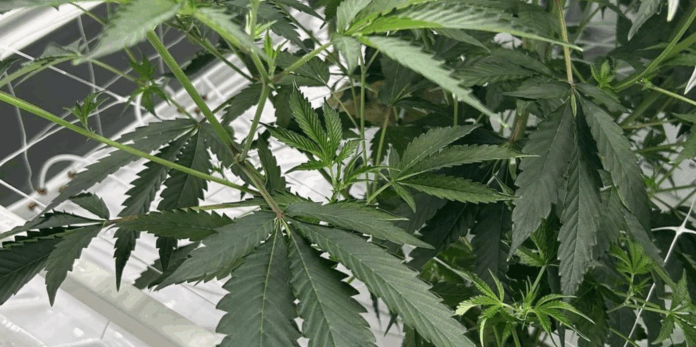
Instead, legislative discussions are centered on tightening regulations around hemp-derived products and making limited adjustments to the state’s existing medical marijuana program.
Brian Strickland, a Henry County Republican and chairman of the Senate Judiciary
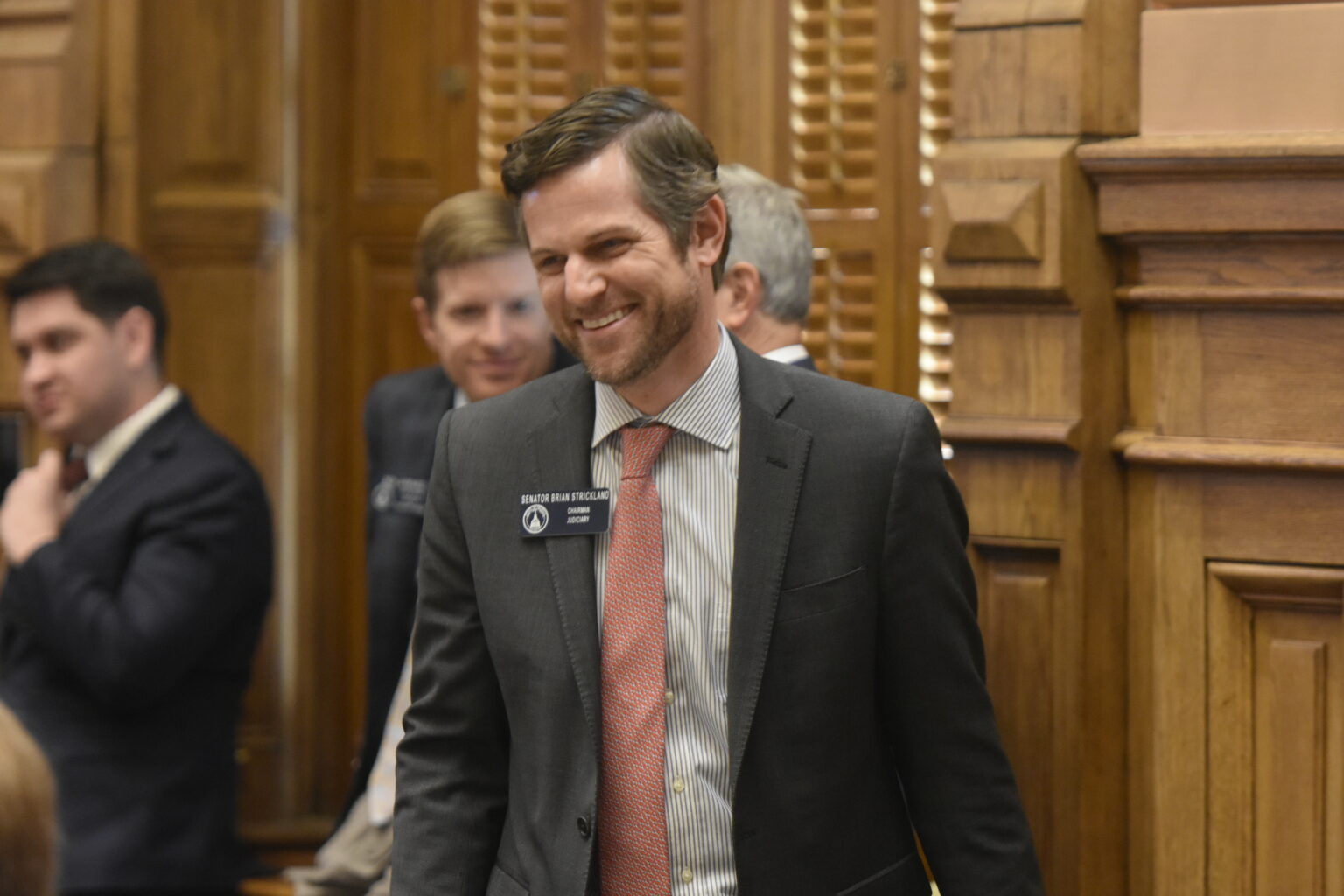
Committee, said Georgia already has a structured licensing system for medical marijuana but lacks consistent oversight of hemp products sold outside that system.
“What you see right now is a whole license structure around medical marijuana,” Strickland told Now Habersham. “And then you see this other market of stuff being dumped into our state — all the hemp stuff. It’s not really regulated the same way, and we are trying to figure out how to fill that gap.”
Strickland said one of the main concerns driving the conversation is access to highly potent products sold in gas stations and convenience stores, including access by minors.
“We’re also making sure that kids can’t walk into a gas station and buy stuff 10 times more potent than somebody with a prescription, which they kind of can right now,” he said. “You don’t know what’s in that. We don’t even know what’s in it.”
He said lawmakers have been told Georgia has become a destination for unregulated products as other states adopt tighter standards.
“What I’ve been told is Georgia has become a dumping ground because other states are regulating stuff and we aren’t,” Strickland said.
State criminal law will not change
While some lawmakers are looking at whether to expand the list of qualifying medical conditions for Georgia’s low-THC oil program, Strickland said there are no active proposals to change how marijuana is treated under state criminal law.
“There’s actually a movement to look at whether or not we expand any of the medical conditions that qualify for the medical marijuana side, at the same time tightening up this other market out here,” he said. “But I’m not aware of any efforts when it comes to our criminal laws that change how we treat marijuana in Georgia.”
Strickland said marijuana remains illegal under Georgia law and emphasized enforcement remains a priority.
“Marijuana is still something that’s illegal in my mind,” he said. “We’ve got to start with enforcing the law, and I just think we need to continue unless the feds are going to do something different with it down the road.”
He also pointed to impaired driving as one of the biggest unresolved challenges for prosecutors and law enforcement as marijuana-related products become more widespread.
“Our biggest challenge for prosecutors and for local law enforcement is somebody driving under the influence of marijuana,” Strickland said. “Our science is not caught up with that. We can test you for alcohol. I don’t have the ability to test you for marijuana in the same way.”
Strickland said the legal gray areas surrounding hemp-derived products further complicate enforcement.
“So much is legal now, you don’t know for sure if what you took was even legal,” he said. “That’s an issue we’re also wrestling with, but nothing I’m aware of to undo our marijuana laws.”
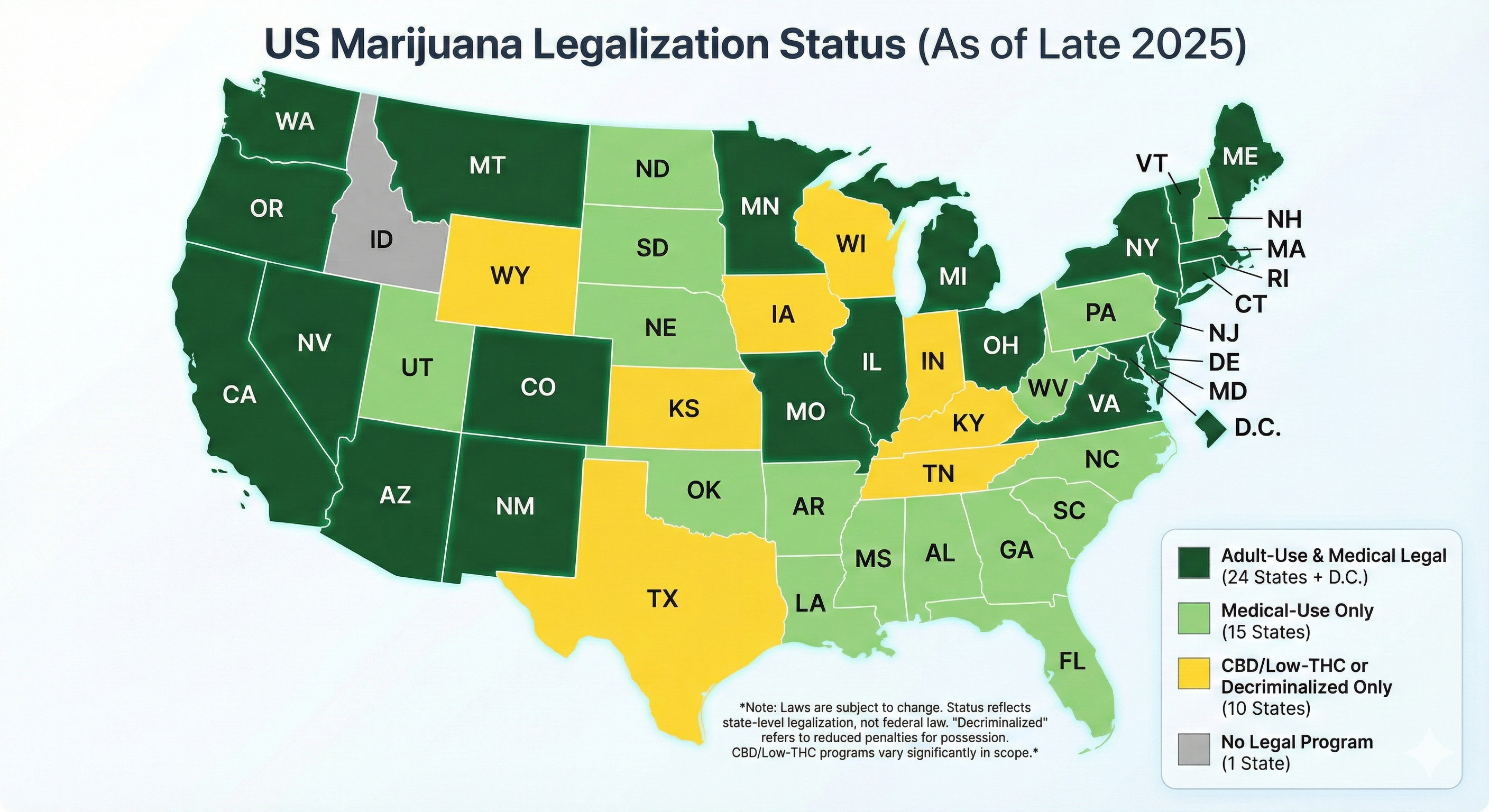
Blue-Ribbon Committee
Georgia currently allows registered patients with qualifying medical conditions to use low-THC oil through the state’s medical marijuana program. A legislative “blue ribbon” committee has been studying potential changes to that program, including expanded access and stronger regulatory oversight.
Bills from the previous session that did not pass may carry over into 2026, though lawmakers say those proposals focus on medical access and regulation — not recreational marijuana or criminal penalties.
Even if federal marijuana policy shifts, Georgia officials say recreational use would remain illegal unless state lawmakers take separate action, something legislative leaders indicate is unlikely this year.
Now Habersham’s crime reporter Kevin Angell contributed to this report.
Don’t miss what everyone in town is talking about.
Join 4,000+ locals and choose our free newsletter covering news, events and the stories shaping our region.