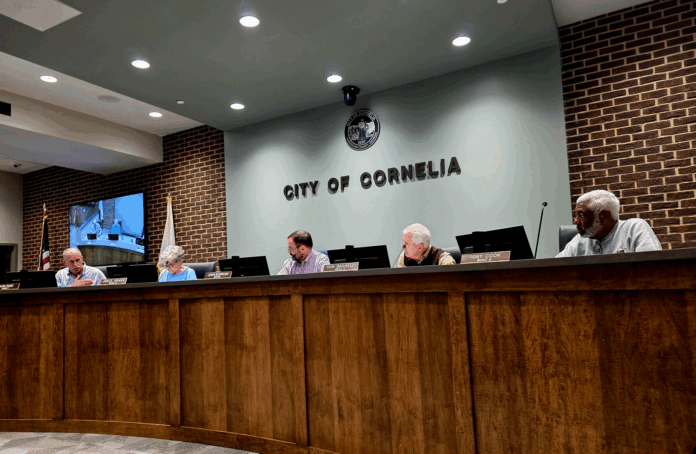
As 2026 begins, Cornelia stands at a pivotal point, facing rising housing costs while investing in infrastructure to support sustained growth. The January city commission meeting brought those pressures into focus through detailed discussions on housing demand, capital planning, and long-term priorities for the city.
City Manager’s Report Showcases Public Art, Investment, and Community Milestones
City Manager Donald Anderson outlined financial updates, grant awards, and capital planning, reporting that the city received a clean audit for fiscal year 2024, with reserve funds increasing again. He said Cornelia secured a Vibrant Communities grant to fund a mural project at Jim Smith Park and highlighted an additional public art project completed by Cheyenne Renee, who painted a mural on the side of Cornelia Pharmacy as part of the national 50 in 50 Mural Project.
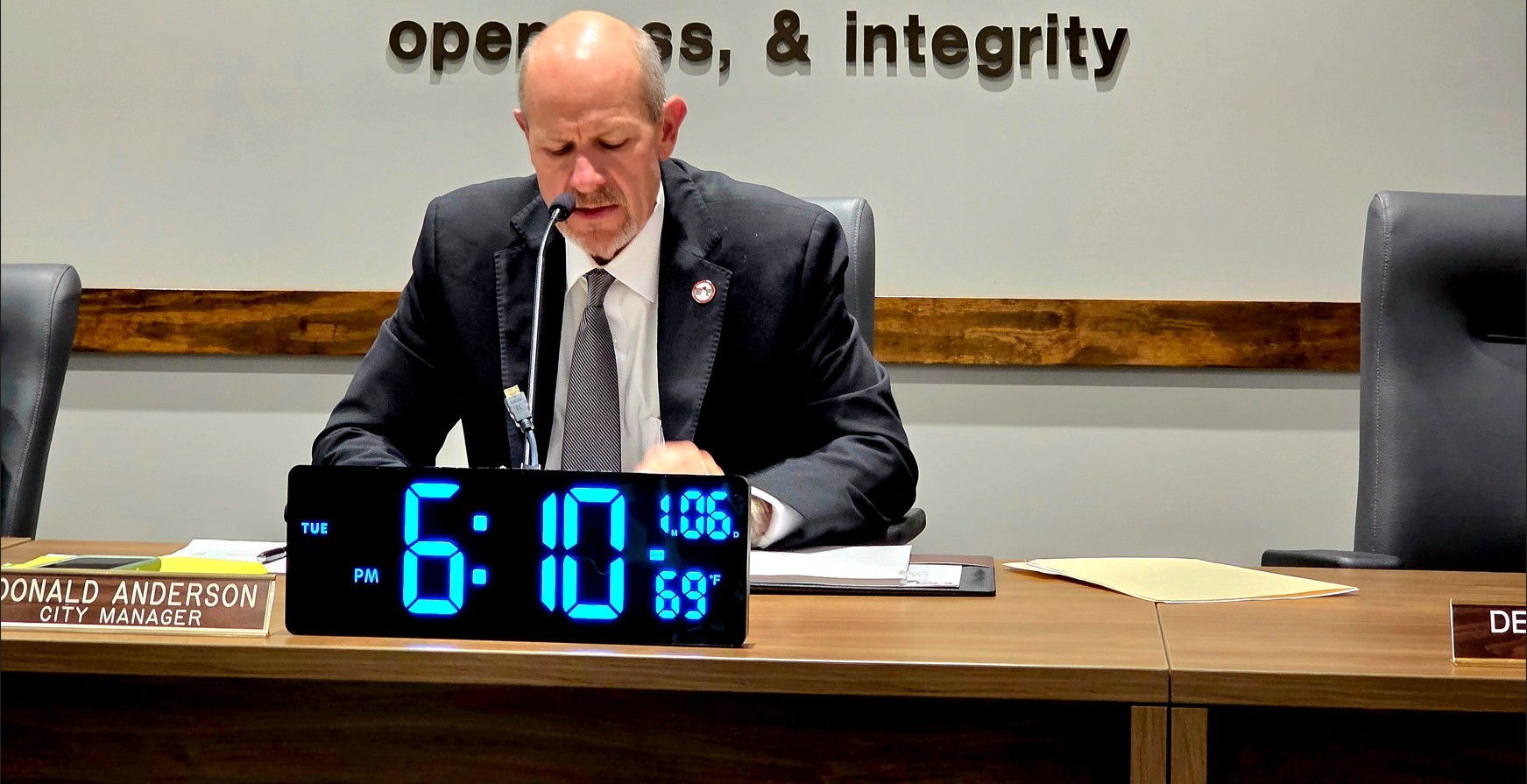
Looking ahead, he stated Cornelia is planning approximately $51 million in capital projects moving into 2026, including wastewater plant expansion, water and sewer upgrades, road improvements, and reservoir work, supported in part by about $2.5 million in federal and state funding.
Housing pressure in daily life
Cornelia’s housing debate has shifted from abstract concerns to visible strain. City officials and dozens of community stakeholders have described a market that no longer produces enough attainable homes for the people who work in the city.
Mayor John Borrow summarized what the city has heard over years of public engagement.
“We’ve met with hundreds — maybe even a thousand — people over the past five years,” Borrow said. “We hear from teachers and nurses who say they’d like to live in Cornelia but can’t afford to. We understand there’s a national housing crisis, and one-way cities can address that is by allowing higher density.
That concern extends beyond housing itself. School stability, public safety staffing, and downtown business vitality all depend on whether people can afford to live near their jobs.
A housing study puts data behind the concern

(Carly McCurry / Now Habersham)
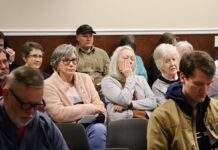
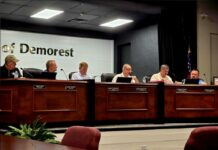
During the January meeting, via a Zoom conference, Michaela Master presented the results of a Housing Needs Assessment completed with the Georgia Conservancy as part of Cornelia’s work through the Georgia Initiative for Community Housing (GICH). The study examined what housing exists in Cornelia today, what local households need, and which city policies make it harder to build attainable homes.
Consultants gathered input through public meetings, workshops, and community surveys. They also analyzed income levels, housing prices, zoning rules, and development patterns. Master, a community planner with the Georgia Conservancy, explained why cost trends matter.
“We looked at the ballooning in housing costs and what incomes are needed to attain those housing costs,” Master said. She noted that housing analysts generally consider households “housing burdened” when they spend more than 30 percent of their income on housing. Many gathered in the room reacted openly to the data showing home prices rising from $167,558.82 in 2019 to $333,045.97 in 2024.
Over the same period, the annual household income needed to afford housing increased from $58,880 to $109,680, placing homeownership increasingly out of reach for many teachers, nurses, city employees, and other essential workers who keep Cornelia’s schools, hospitals, and services operating. “You look at the median income, and how house prices have doubled in the last six years. That’s shocking,” said Mark Reed of Ward 1.

(Carly McCurry / Now Habersham)
The study did not recommend just one type of housing solution. Instead, it argued that Cornelia should plan for housing variety, noting the scarcity of smaller homes, townhomes, duplexes, accessory dwelling units, and cottage-style developments—options that span the gamut of seniors, recent college graduates, nuclear families, small business owners, and factory workers at Fieldale who need attainable places to live.
Master framed the goal as expanding opportunity rather than directing outcomes.
She emphasized that the city’s role is not to make housing choices for residents, but to ensure the community allows a range of options to exist so individuals can choose what fits their lives. When only one type of housing is available, she noted, choice disappears, regardless of income or preference.
“The idea is to think more out of the box about different types of housing that fits a greater range of incomes and lifestyles,” Master said. “So that you do have a more vibrant community.”
Accommodating growth
The question of density remains one of Cornelia’s most sensitive topics, especially after the collapse of the Red Apple Corridor annexation following hours of public opposition. That hearing drew many speakers from outside the city limits, highlighting a divide between regional concern and city-specific needs.
(Carly McCurry / Now Habersham)
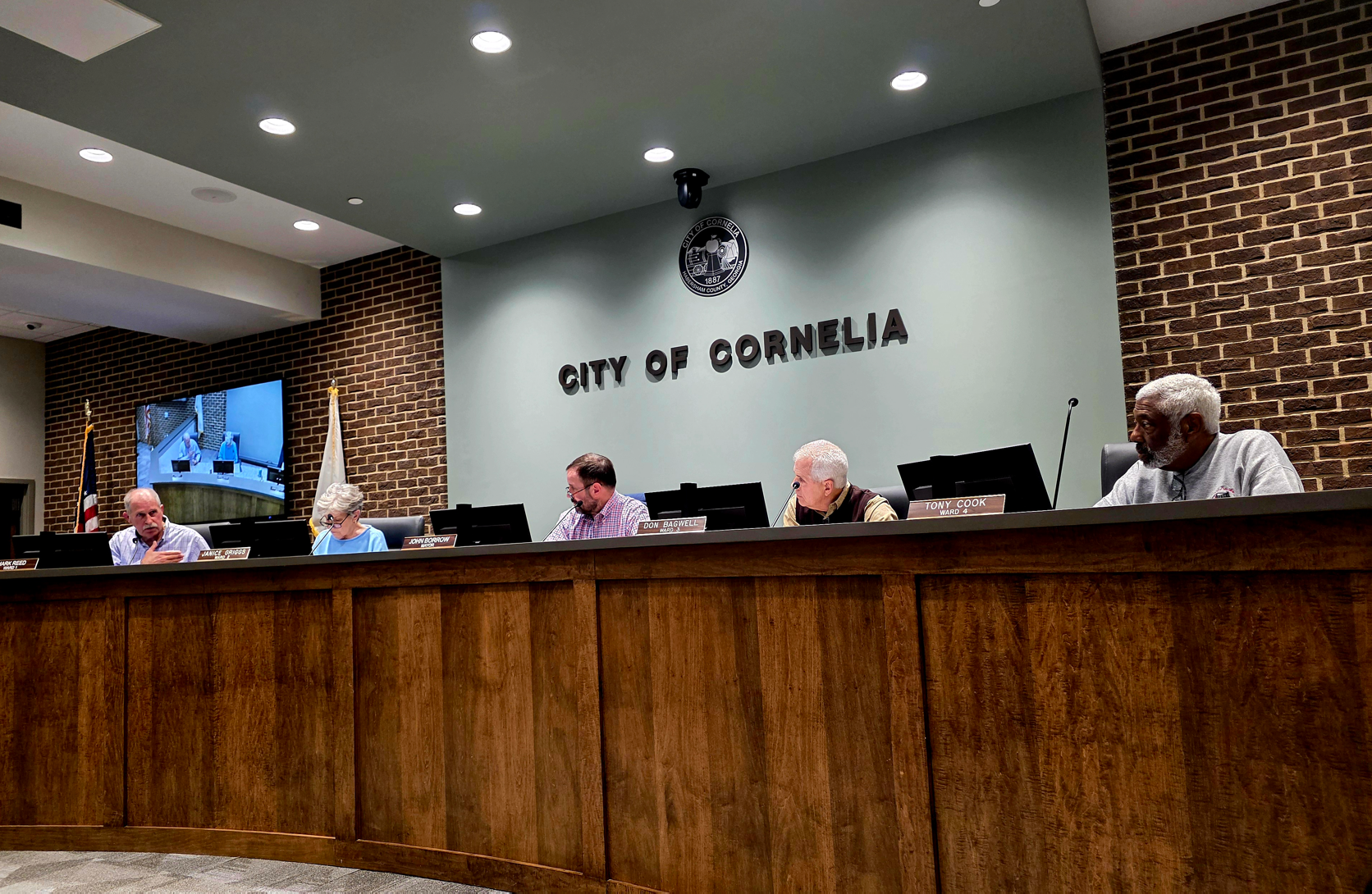
Commissioner Don Bagwell addressed that divide directly during the January meeting. He acknowledged resistance to density while arguing that placement matters.
“There were a lot of objections to increasing density, particularly in residential areas,” Bagwell said. “But I think I like the idea of increasing density in the town center. That’s the one place where I think it could really bring great benefit to the businesses, of course because of the disposable income that would represent. And the fact that it would add not only to the appearance of the city, but to the vitality of the city to have that there.”
Bagwell also linked housing and economic growth to a broader reality. “Net disposable income will have to come from people who are not here,” he said. “My hope and my prayer is that if we build it, they will come.”
In a later conversation, he explained that his decision to continue serving stemmed from his optimism about Cornelia’s future and his belief that the commission’s responsibility is to represent the city’s residents and taxpayers. “I’m excited about being a part of that progress and making sure that the wishes of the people in the city — the people who pay taxes to the city and trust us with their tax money — are reflected in the decisions that we make,” Bagwell said.
That distinction carries weight in a city where long-term housing planning has been shaped by resident surveys, well-attended GICH meetings, and local stakeholders, while the most vocal opposition to recent annexation proposals came largely from outside Cornelia’s tax base, fueled by a rapid surge of social media attention and misinformation.
Growth pressure will not wait
Discussions of Cornelia’s housing concerns acknowledged regional economic forces that extend beyond the city’s direct control. The Georgia Ports Authority plans to open the Blue Ridge Connector inland terminal in Spring 2026, linking Savannah’s port directly to Gainesville by rail. That project is expected to increase logistics activity, traffic, and demand for workforce housing across Northeast Georgia. Cornelia’s leaders have acknowledged that infrastructure expansion already underway assumes continued growth. A city does not commit to $51 million in capital projects, expand wastewater capacity, and replace aging water lines if it expects demand to decline.