
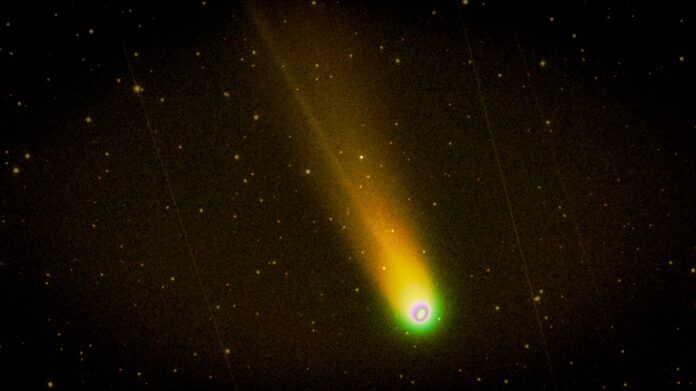
Wake up early if you must but set an alarm for 4:00 am. The sky will be crystal clear and there will be no moon. It will be the peak time for viewing the Orionid meteor shower. Actually, anytime between midnight and dawn are good times for watching the meteor shower that passes through the inbound debris stream of Halley’s Comet. The outbound portion of this same debris trail brings us the Eta Aquariid shower each spring.
Orionid activity begins in early October, but it’s not until mid-month that Earth encounters the densest part of the stream. The shower is typically of medium strength, producing 15–20 meteors per hour at maximum under dark skies.
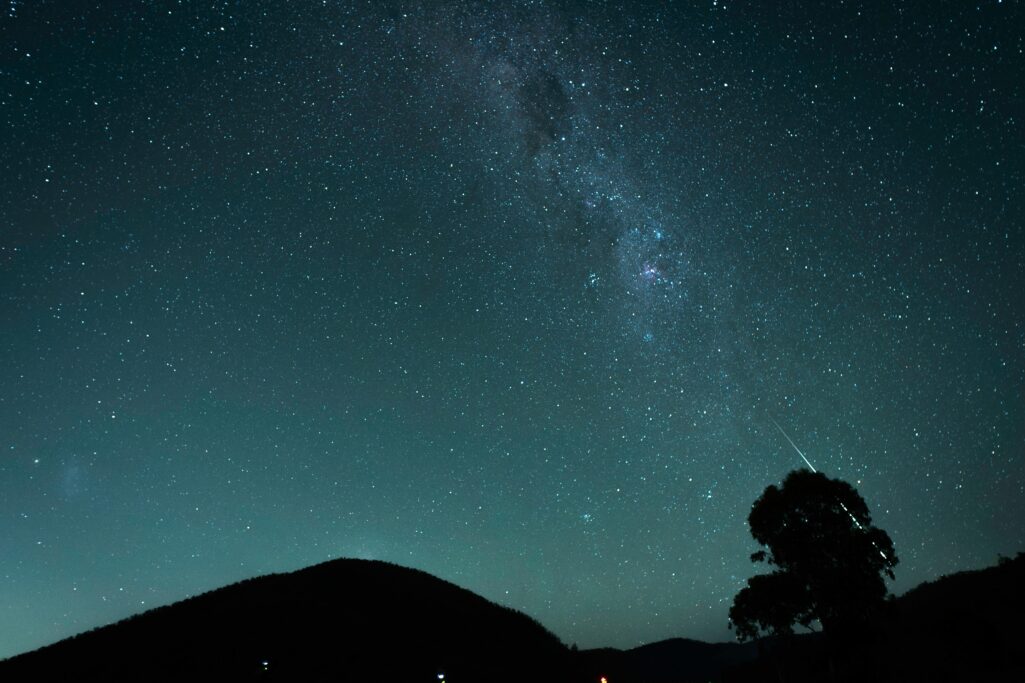 “The fewer trees and clearer horizon, like a pasture or open field, are the best places to watch Orionid or any meteor shower,” said Dr. Shawn Cruzen, Director of the Coca Cola Space Science Center.
Cruzen also adds that you should be patient. “There are only a handful per 1/2 hour.”
Another consideration is the temperature, which between 4:00 am and dawn, will be in the low 50s to upper 40s. Dress in warm clothing to witness the meteor shower. Cruzen also suggests bringing a chaise lounge or blanket to lie upon to view the stars and meteor shower.
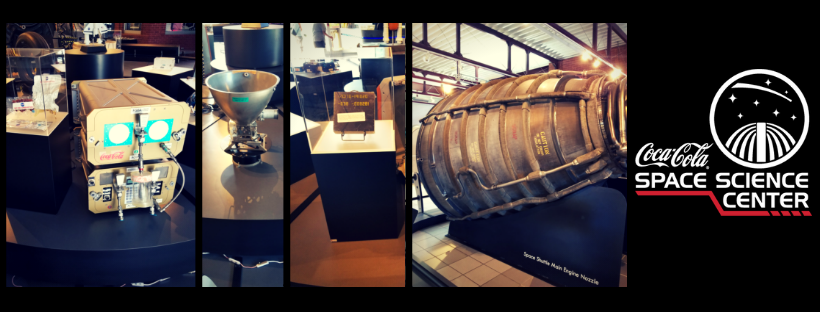
If you are interested in learning more about the Coca Cola Space Science Center upcoming events, click here.
As this meteor shower is basically a product of Halley’s Comet, I will add that I had the great fortune to travel to Argentina in 1986 when I worked with WTVM to witness that astronomical event with former WTVM photographer Mike Kyser, Herb Cawthorne, former founder of Camera One who served as the astrophotographer, and Carole Rutland, formerly the Director of Patterson Planetarium and the Coca Cola Space Science Center.
We traveled from Columbus to Buenos Aires and then to the desert outside of Mendoza to capture the area where Halley’s Comet was most visible. The sky was lit with a bazillion stars and a comet. It was a trip of a lifetime and the reason why I love stargazing today.