

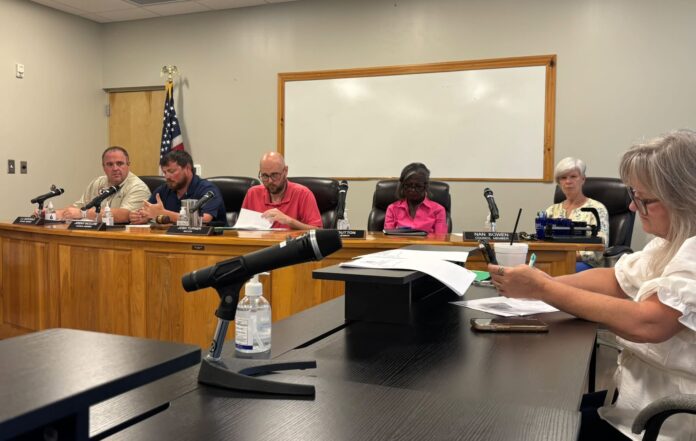
CLEVELAND, Ga. — Cleveland property owners will see the benefits of a voter-approved sales tax on their 2026 property tax bills after the City Council unanimously approved a nearly 61.6% reduction in the city’s millage rate.
The council voted 4-0 Thursday, Aug. 20, to lower the rate from 5.056 mills to 1.938 mills for the 2026 tax year. The vote followed the last of three public hearings required under Georgia law.
The reduction was made possible largely by revenue from the Floating Local Option Sales Tax, or FLOST, a 1% sales tax White County voters approved in November 2025. The referendum passed 3,322 to 1,058, with proceeds dedicated to reducing property taxes in White County and the cities of Cleveland and Helen.
Cleveland has collected about five months of FLOST revenue and is applying approximately $454,060 toward its 2026 property tax levy. That revenue replaces roughly 60% of what otherwise would have needed to be raised through property taxes.
The result is a reduction of 3.118 mills, or about 61.7%, from the city’s previous millage rate.
Tax relief arrives a year earlier
Cleveland property owners are receiving the FLOST relief earlier than originally anticipated because of a change in state law.
Under the original version of House Bill 581, which created FLOST, property owners were not expected to see the benefit until 2027, after local governments collected sales tax revenue through the end of 2026. Senate Bill 33, passed earlier this year, changed that timeline by requiring local governments to apply FLOST revenue collected through June 30, 2026, toward 2026 property taxes. That allowed Cleveland to use the revenue it had already collected to reduce this year’s millage rate.
While five months of FLOST collections were not enough to eliminate the city’s property tax entirely, city officials say the revenue allowed Cleveland to provide significant property tax relief while continuing to fund municipal services.
FLOST (Floating Local Option Sales Tax) revenue comes from a 1% sales tax that must be used to offset property taxes. It shifts a portion of the tax burden from property owners to a broader base of consumers, using sales tax revenue to provide property tax relief. The amount individual property owners ultimately pay will depend on their property’s assessed value and any applicable exemptions.
Don’t miss what everyone in town is talking about.
Join 4,000+ locals and choose our free newsletter covering news, events and the stories shaping our region.